
Teksti
Tausta
Näytä
Lisäasetukset
Kieli
Urantia Opas
Kysy kirjan sisällöstä. Opas vastaa Book Enginen omien lähdekohtien perusteella ja ohjaa sinut lukemaan ne.
Hei! 🙏
Olen sinun Urantia-oppaasi. Tehtäväni on auttaa sinua löytämään oikeat kohdat Urantia-kirjasta ja ymmärtämään sen opetuksia syvemmin. 😊❤️
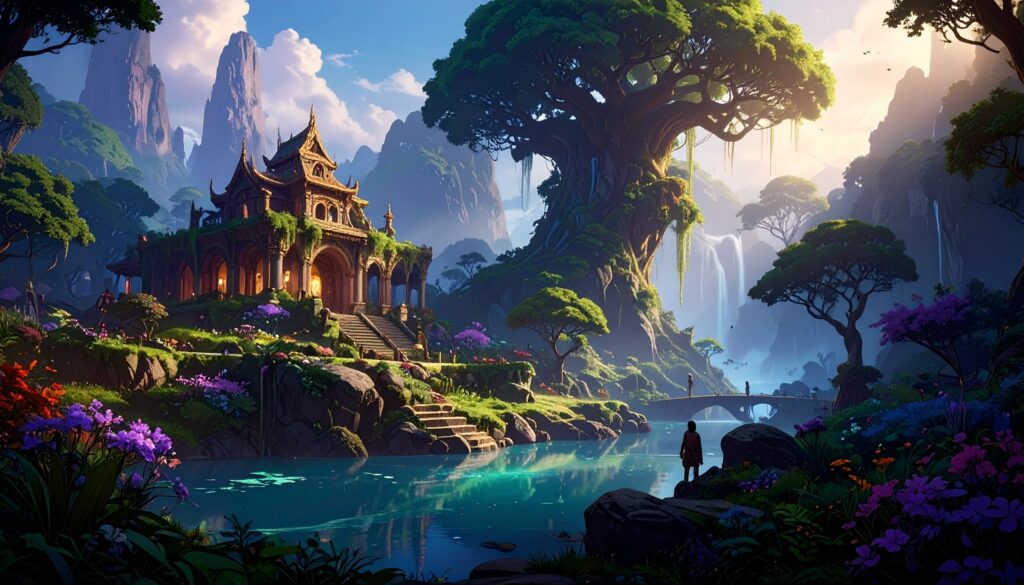
Eedenin niemimaan keskellä oli Universaalisen Isän verrattoman hieno kivitemppeli, puutarhan pyhä alttari. Sen pohjoispuolelle pystytettiin hallintopäämaja, eteläpuolelle rakennettiin työntekijöiden ja näiden perheiden kodit, länsipuolelle varattiin maapalsta odotetun Pojan opetusjärjestelmän edellyttämiä kouluja varten, kun taas ”Eedenin itäpuolelle” rakennettiin luvatulle Pojalle ja hänen välittömille jälkeläisilleen tarkoitetut asunnot. Eedeniä varten laadituissa arkkitehtonisissa suunnitelmissa varattiin koti ja riittävästi maa-alaa miljoonalle ihmiselle.
Vaikka puutarhasta Aatamin saapumisen aikoihin oli valmiina vasta neljännes, siellä oli jo tuhansia kilometrejä kasteluojia ja lähes kaksikymmentätuhatta kilometriä päällystettyjä polkuja ja teitä. Puutarhan eri osiin oli rakennettu hieman yli viisituhatta tiilirakennusta, ja puiden ja kasvien määrä oli lähes lukemattoman suuri. Puiston eri rakennusryhmissä oli enintään seitsemän taloa kussakin. Ja vaikka puutarhan rakennelmat olivat yksinkertaisia, ne olivat silti tavattoman taiteellisia. Tiet ja polut olivat hyvin rakennettuja, ja maiseman muotoilu oli hienostunutta.
Puutarhan hygieeniset järjestelyt olivat paljon edellä siitä, mitä Urantialla oli tätä ennen yritetty saada aikaan. Eedenin juomavesi pidettiin terveellisenä sen puhtauden säilyttämiseksi säädettyjä hygieniamääräyksiä tarkasti noudattamalla. Näitä sääntöjä kohtaan osoitettu piittaamattomuus aiheutti alkuaikoina paljon vaikeuksia, mutta Van sai vähitellen juurrutetuksi työtovereidensa mieleen, miten tärkeää oli, ettei puutarhan vesihuoltoverkostoon saanut joutua mitään sinne kuulumatonta.
Ennen kuin viemäriverkosto myöhemmin rakennettiin, eedeniläisten tapana oli haudata kaikki jätteet ja mätänevät ainekset tunnontarkasti maahan. Amadonin valtuuttamat tarkastajat tekivät päivittäiset kierroksensa etsien mahdollisia taudinaiheuttajia. Urantialaiset havahtuivat huomaamaan ihmisten sairauksien ehkäisemisen tärkeyden uudelleen vasta paljon myöhemmin eli yhdeksännellätoista ja kahdennellakymmenennellä vuosisadalla. Ennen Aatamin hallintojärjestelmän hajoamista oli rakennettu katettu, tiilinen viemärijohtojärjestelmä, joka kulki muurien alta ja laski sisältönsä Eedenin jokeen puolentoista kilometrin päässä puutarhan ulommasta eli pienemmästä muurista.
Aatamin saapumisen aikoihin Eedenissä kasvoivat jo useimmat tuon maailmankolkan kasvilajeista. Useiden hedelmälajien, viljakasvien ja pähkinälajikkeiden kohdalla oli saatu aikaan merkittäviä parannuksia. Monia nykyajan tuntemia vihanneksia ja viljalajeja viljeltiin ensi kertaa Eedenissä, mutta kymmenet ravintokasvilajikkeet hävisivät sittemmin maailmasta.
Noin viisi prosenttia puutarhan maa-alasta oli viljelyn piirissä, viittätoista prosenttia pidettiin osittaisessa viljelyssä ja jäljelle jäänyt alue jätettiin enemmän tai vähemmän luonnontilaan odottamaan Aatamin saapumista, sillä katsottiin parhaaksi tehdä puiston viimeistelytyöt vasta hänen ajatustensa mukaisesti.
Ja näin Eedenin puutarha valmistettiin vastaanottamaan luvattu Aatami ja hänen puolisonsa. Ja tämä puutarha olisi ollut kunniaksi jopa täydellistyneen hallinnon ja normaalin valvonnan alaiselle maailmalle. Aatami ja Eeva olivat hyvin tyytyväisiä Eedenin yleiseen toteutustapaan, vaikka he monia muutoksia omien henkilökohtaisten asuntojensa sisustukseen tekivätkin.
Vaikka puutarhan kaunistustyötä oli Aatamin saapumiseen mennessä tuskin vielä saatu päätökseen, paikka oli kasvillisuutensa puolesta jo kaunis kuin jalokivi, ja hänen Eedenissä oleskelunsa alkuaikoina luotiin koko puutarhalle uutta hahmoa ja sille annettiin uusia kauneuden ja suurenmoisuuden ulottuvuuksia. Urantialla ei koskaan ennen tätä aikaa eikä koskaan sen jälkeen ole ollut yhtä kaunista ja kaiken kattavaa näytettä puutarhanhoidon ja maanviljelyn saavutuksista.
At the center of the Edenic peninsula was the exquisite stone temple of the Universal Father, the sacred shrine of the Garden. To the north the administrative headquarters was established; to the south were built the homes for the workers and their families; to the west was provided the allotment of ground for the proposed schools of the educational system of the expected Son, while in the “east of Eden” were built the domiciles intended for the promised Son and his immediate offspring. The architectural plans for Eden provided homes and abundant land for one million human beings.
At the time of Adam’s arrival, though the Garden was only one-fourth finished, it had thousands of miles of irrigation ditches and more than twelve thousand miles of paved paths and roads. There were a trifle over five thousand brick buildings in the various sectors, and the trees and plants were almost beyond number. Seven was the largest number of houses composing any one cluster in the park. And though the structures of the Garden were simple, they were most artistic. The roads and paths were well built, and the landscaping was exquisite.
The sanitary arrangements of the Garden were far in advance of anything that had been attempted theretofore on Urantia. The drinking water of Eden was kept wholesome by the strict observance of the sanitary regulations designed to conserve its purity. During these early times much trouble came about from neglect of these rules, but Van gradually impressed upon his associates the importance of allowing nothing to fall into the water supply of the Garden.
Before the later establishment of a sewage-disposal system the Edenites practiced the scrupulous burial of all waste or decomposing material. Amadon’s inspectors made their rounds each day in search for possible causes of sickness. Urantians did not again awaken to the importance of the prevention of human diseases until the later times of the nineteenth and twentieth centuries. Before the disruption of the Adamic regime a covered brick-conduit disposal system had been constructed which ran beneath the walls and emptied into the river of Eden almost a mile beyond the outer or lesser wall of the Garden.
By the time of Adam’s arrival most of the plants of that section of the world were growing in Eden. Already had many of the fruits, cereals, and nuts been greatly improved. Many modern vegetables and cereals were first cultivated here, but scores of varieties of food plants were subsequently lost to the world.
About five per cent of the Garden was under high artificial cultivation, fifteen per cent partially cultivated, the remainder being left in a more or less natural state pending the arrival of Adam, it being thought best to finish the park in accordance with his ideas.
And so was the Garden of Eden made ready for the reception of the promised Adam and his consort. And this Garden would have done honor to a world under perfected administration and normal control. Adam and Eve were well pleased with the general plan of Eden, though they made many changes in the furnishings of their own personal dwelling.
Although the work of embellishment was hardly finished at the time of Adam’s arrival, the place was already a gem of botanic beauty; and during the early days of his sojourn in Eden the whole Garden took on new form and assumed new proportions of beauty and grandeur. Never before this time nor after has Urantia harbored such a beautiful and replete exhibition of horticulture and agriculture.
SuomiEnglish
Eedenin niemimaan keskellä oli Universaalisen Isän verrattoman hieno kivitemppeli, puutarhan pyhä alttari. Sen pohjoispuolelle pystytettiin hallintopäämaja, eteläpuolelle rakennettiin työntekijöiden ja näiden perheiden kodit, länsipuolelle varattiin maapalsta odotetun Pojan opetusjärjestelmän edellyttämiä kouluja varten, kun taas ”Eedenin itäpuolelle” rakennettiin luvatulle Pojalle ja hänen välittömille jälkeläisilleen tarkoitetut asunnot. Eedeniä varten laadituissa arkkitehtonisissa suunnitelmissa varattiin koti ja riittävästi maa-alaa miljoonalle ihmiselle.
At the center of the Edenic peninsula was the exquisite stone temple of the Universal Father, the sacred shrine of the Garden. To the north the administrative headquarters was established; to the south were built the homes for the workers and their families; to the west was provided the allotment of ground for the proposed schools of the educational system of the expected Son, while in the “east of Eden” were built the domiciles intended for the promised Son and his immediate offspring. The architectural plans for Eden provided homes and abundant land for one million human beings.
Vaikka puutarhasta Aatamin saapumisen aikoihin oli valmiina vasta neljännes, siellä oli jo tuhansia kilometrejä kasteluojia ja lähes kaksikymmentätuhatta kilometriä päällystettyjä polkuja ja teitä. Puutarhan eri osiin oli rakennettu hieman yli viisituhatta tiilirakennusta, ja puiden ja kasvien määrä oli lähes lukemattoman suuri. Puiston eri rakennusryhmissä oli enintään seitsemän taloa kussakin. Ja vaikka puutarhan rakennelmat olivat yksinkertaisia, ne olivat silti tavattoman taiteellisia. Tiet ja polut olivat hyvin rakennettuja, ja maiseman muotoilu oli hienostunutta.
At the time of Adam’s arrival, though the Garden was only one-fourth finished, it had thousands of miles of irrigation ditches and more than twelve thousand miles of paved paths and roads. There were a trifle over five thousand brick buildings in the various sectors, and the trees and plants were almost beyond number. Seven was the largest number of houses composing any one cluster in the park. And though the structures of the Garden were simple, they were most artistic. The roads and paths were well built, and the landscaping was exquisite.
Puutarhan hygieeniset järjestelyt olivat paljon edellä siitä, mitä Urantialla oli tätä ennen yritetty saada aikaan. Eedenin juomavesi pidettiin terveellisenä sen puhtauden säilyttämiseksi säädettyjä hygieniamääräyksiä tarkasti noudattamalla. Näitä sääntöjä kohtaan osoitettu piittaamattomuus aiheutti alkuaikoina paljon vaikeuksia, mutta Van sai vähitellen juurrutetuksi työtovereidensa mieleen, miten tärkeää oli, ettei puutarhan vesihuoltoverkostoon saanut joutua mitään sinne kuulumatonta.
The sanitary arrangements of the Garden were far in advance of anything that had been attempted theretofore on Urantia. The drinking water of Eden was kept wholesome by the strict observance of the sanitary regulations designed to conserve its purity. During these early times much trouble came about from neglect of these rules, but Van gradually impressed upon his associates the importance of allowing nothing to fall into the water supply of the Garden.
Ennen kuin viemäriverkosto myöhemmin rakennettiin, eedeniläisten tapana oli haudata kaikki jätteet ja mätänevät ainekset tunnontarkasti maahan. Amadonin valtuuttamat tarkastajat tekivät päivittäiset kierroksensa etsien mahdollisia taudinaiheuttajia. Urantialaiset havahtuivat huomaamaan ihmisten sairauksien ehkäisemisen tärkeyden uudelleen vasta paljon myöhemmin eli yhdeksännellätoista ja kahdennellakymmenennellä vuosisadalla. Ennen Aatamin hallintojärjestelmän hajoamista oli rakennettu katettu, tiilinen viemärijohtojärjestelmä, joka kulki muurien alta ja laski sisältönsä Eedenin jokeen puolentoista kilometrin päässä puutarhan ulommasta eli pienemmästä muurista.
Before the later establishment of a sewage-disposal system the Edenites practiced the scrupulous burial of all waste or decomposing material. Amadon’s inspectors made their rounds each day in search for possible causes of sickness. Urantians did not again awaken to the importance of the prevention of human diseases until the later times of the nineteenth and twentieth centuries. Before the disruption of the Adamic regime a covered brick-conduit disposal system had been constructed which ran beneath the walls and emptied into the river of Eden almost a mile beyond the outer or lesser wall of the Garden.
Aatamin saapumisen aikoihin Eedenissä kasvoivat jo useimmat tuon maailmankolkan kasvilajeista. Useiden hedelmälajien, viljakasvien ja pähkinälajikkeiden kohdalla oli saatu aikaan merkittäviä parannuksia. Monia nykyajan tuntemia vihanneksia ja viljalajeja viljeltiin ensi kertaa Eedenissä, mutta kymmenet ravintokasvilajikkeet hävisivät sittemmin maailmasta.
By the time of Adam’s arrival most of the plants of that section of the world were growing in Eden. Already had many of the fruits, cereals, and nuts been greatly improved. Many modern vegetables and cereals were first cultivated here, but scores of varieties of food plants were subsequently lost to the world.
Noin viisi prosenttia puutarhan maa-alasta oli viljelyn piirissä, viittätoista prosenttia pidettiin osittaisessa viljelyssä ja jäljelle jäänyt alue jätettiin enemmän tai vähemmän luonnontilaan odottamaan Aatamin saapumista, sillä katsottiin parhaaksi tehdä puiston viimeistelytyöt vasta hänen ajatustensa mukaisesti.
About five per cent of the Garden was under high artificial cultivation, fifteen per cent partially cultivated, the remainder being left in a more or less natural state pending the arrival of Adam, it being thought best to finish the park in accordance with his ideas.
Ja näin Eedenin puutarha valmistettiin vastaanottamaan luvattu Aatami ja hänen puolisonsa. Ja tämä puutarha olisi ollut kunniaksi jopa täydellistyneen hallinnon ja normaalin valvonnan alaiselle maailmalle. Aatami ja Eeva olivat hyvin tyytyväisiä Eedenin yleiseen toteutustapaan, vaikka he monia muutoksia omien henkilökohtaisten asuntojensa sisustukseen tekivätkin.
And so was the Garden of Eden made ready for the reception of the promised Adam and his consort. And this Garden would have done honor to a world under perfected administration and normal control. Adam and Eve were well pleased with the general plan of Eden, though they made many changes in the furnishings of their own personal dwelling.
Vaikka puutarhan kaunistustyötä oli Aatamin saapumiseen mennessä tuskin vielä saatu päätökseen, paikka oli kasvillisuutensa puolesta jo kaunis kuin jalokivi, ja hänen Eedenissä oleskelunsa alkuaikoina luotiin koko puutarhalle uutta hahmoa ja sille annettiin uusia kauneuden ja suurenmoisuuden ulottuvuuksia. Urantialla ei koskaan ennen tätä aikaa eikä koskaan sen jälkeen ole ollut yhtä kaunista ja kaiken kattavaa näytettä puutarhanhoidon ja maanviljelyn saavutuksista.
Although the work of embellishment was hardly finished at the time of Adam’s arrival, the place was already a gem of botanic beauty; and during the early days of his sojourn in Eden the whole Garden took on new form and assumed new proportions of beauty and grandeur. Never before this time nor after has Urantia harbored such a beautiful and replete exhibition of horticulture and agriculture.