
Teksti
Tausta
Näytä
Lisäasetukset
Kieli
Urantia Opas
Kysy kirjan sisällöstä. Opas vastaa Book Enginen omien lähdekohtien perusteella ja ohjaa sinut lukemaan ne.
Hei! 🙏
Olen sinun Urantia-oppaasi. Tehtäväni on auttaa sinua löytämään oikeat kohdat Urantia-kirjasta ja ymmärtämään sen opetuksia syvemmin. 😊❤️
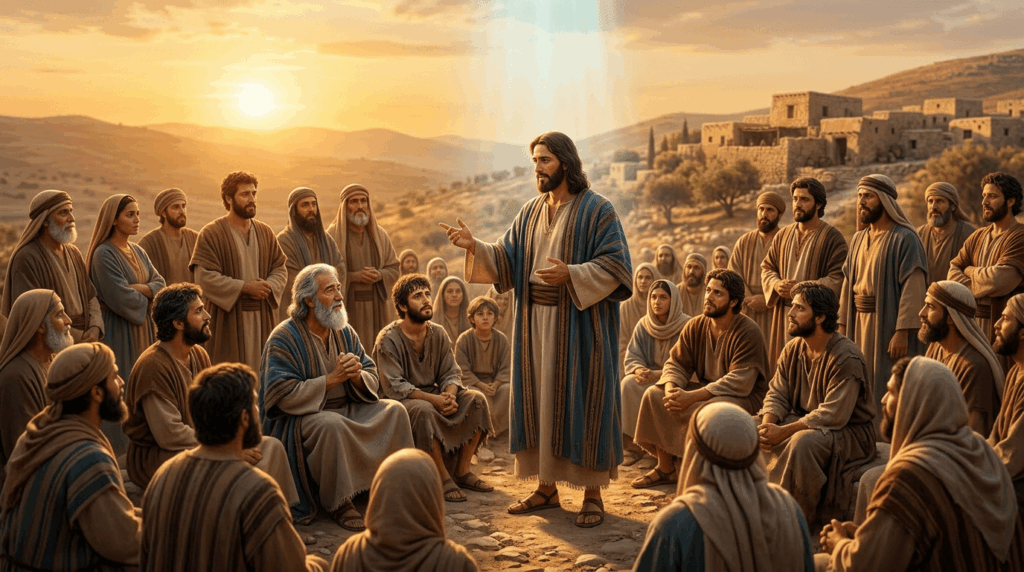
Mestari teki selväksi, että taivaan valtakunnan lähtökohtana ja keskipisteenä täytyy olla kaksiosainen käsitys siitä, että Jumalan isyys on totuus ja että ihmisten veljeys on edelliseen korreloituva fakta. Jeesus julisti tällaisen opetuksen hyväksymisen vapauttavan ihmisen aikakausia jatkuneesta eläimellisen pelon orjuudesta ja samalla rikastuttavan ihmiselämää seuraavilla antimilla, jotka ilmentävät hengellistä kahleettomuutta merkitsevää uutta elämää:
1. Uuden rohkeuden ja kasvaneen hengellisen voiman omaaminen. Valtakunnan evankeliumin oli määrä vapauttaa ihminen ja kannustaa häntä uskaltamaan toivoa ikuista elämää.
2. Evankeliumi sisälsi viestin uudesta luottamuksesta ja todellisesta lohdutuksesta kaikille ihmisille, köyhiä unohtamatta.
3. Se oli itsessään uusi moraalisten arvojen normi, uusi eettinen mittakeppi ihmisen käyttäytymisen arvioimiseksi. Se loi kuvan valtakunnan seurauksena olevan uudenlaisen ihmisyhteiskunnan ihanteesta.
4. Se opetti hengellisen ylivoimaisuutta aineelliseen verrattuna; se nosti hengelliset realiteetit kunniaan ja ylisti ihmisyyden ylittäviä ihanteita.
5. Tämä uusi evankeliumi nosti hengellisten tulosten saavuttamisen elämän ainoaksi oikeaksi päämääräksi. Ihmiselämä sai uutta moraalista arvoa ja jumalallista arvokkuutta.
6. Jeesus opetti ikuisten realiteettien olevan tulos (palkinto) vanhurskaasta ponnistelusta maan päällä. Ihmisen kuolevaishahmoinen olo maan päällä sai jalon päämäärän tiedostamisen jälkeen uusia merkityksiä.
7. Uusi evankeliumi vahvisti ihmisen pelastumisen olevan ilmoitus kauaskantoisesta jumalallisesta tarkoituksesta, jonka on määrä täyttyä ja todellistua pelastettujen Jumalan poikien loputtomasta palvelusta koostuvan tulevan kohtalon myötä.
Edellä luetellut opetukset kattavat Jeesuksen opettaman laajemman idean valtakunnasta. Tämä suurenmoinen käsitys tuskin sisältyi Johannes Kastajan alkeellisiin ja sekaviin valtakuntaopetuksiin.
Apostolit eivät kyenneet käsittämään Mestarin valtakuntaa koskeneiden lausuntojen todellista merkitystä. Tästä seurannut Jeesuksen opetusten vääristyminen muotoon, jossa ne on kirjattu Uuteen testamenttiin, johtuu evankeliuminkirjoittajien käsitysmaailmaa värittäneestä uskomuksesta, että Jeesus oli tuolloin poissa maailmasta vain vähän aikaa, että hän tulisi kohta takaisin perustaakseen valtakunnan voimassa ja kunniassa – eli kysymys on täsmälleen samanlaisesta ideasta, jonka vallassa he olivat, kun Jeesus vielä oli lihallisessa hahmossa heidän kanssaan. Mutta Jeesus ei yhdistänyt valtakunnan perustamista siihen ideaan, että hän vielä palaa tähän maailmaan. Vuosisatojen vieriminen merkinkään näkymättä ”uuden aikakauden” koittamisesta ei millään muotoa ole epäharmoniassa Jeesuksen opetuksen kanssa.
Tähän saarnaan sisältynyt suuri voimainponnistus oli siinä, että hän koetti muuntaa taivaan valtakunta -käsitteen Jumalan tahdon täyttämisidean sisältäväksi ihanteeksi. Mestari oli jo pitkään opettanut seuraajiaan rukoilemaan: ”Tulkoon sinun valtakuntasi; tapahtukoon sinun tahtosi”; ja tällä kertaa hän pyrki toden teolla saamaan heidät luopumaan Jumalan valtakunta -termin käyttämisestä ja korvaamaan sen sitä käytännöllisemmällä vastineella Jumalan tahto. Mutta hän ei tässä onnistunut.
Jeesus halusi korvata idean valtakunnasta, kuninkaasta ja alamaisista käsityksellä taivaallisesta perheestä. Siihen kuuluisivat taivaallinen Isä ja Jumalan vapautetut pojat, jotka ovat antautuneet riemumieliseen ja vapaaehtoiseen kanssaihmistensä palvelemiseen ja Jumala Isän ylevään ja älylliseen palvomiseen.
Apostoleille oli tähän mennessä muotoutunut kaksijakoinen näkemys valtakunnasta, sillä he pitivät sitä:
1. Henkilökohtaiseen kokemukseen kuuluvana asiana, joka jo tuolloin oli olemassa oikeiden uskovien sydämessä.
2. Rotukohtaisiin tai maailmanlaajuisiin ilmiöihin liittyvänä kysymyksenä, niin että valtakunta kuului tulevaisuuteen; että se oli jotakin, jota odottaa.
He katsoivat ihmissydämissä tapahtuvan valtakunnan tulemisen olevan vähittäistä kehittymistä, samaan tapaan kuin hapate nostattaa taikinan tai niin kuin sinapinsiemen kasvaa puuksi. He uskoivat, että rotukohtaisessa tai maailmanlaajuisessa merkityksessä tapahtuva valtakunnan tuleminen olisi sekä äkillinen että näyttävä. Uupumatta Jeesus kertoi heille taivaan valtakunnan olevan heidän henkilökohtainen kokemuksensa siitä, että he todellistavat hengellisen elämisen korkeammat ominaisuudet; että nämä henkikokemukseen kuuluvat todellistukset nousevat aste asteelta uusille ja korkeammille jumalallisen varmuuden ja ikuisen suurenmoisuuden tasoille.
Tuona iltapäivänä Mestari opetti selvästikin uuden käsityksen valtakunnan kaksinaisesta luonteesta sikäli, että hän toi esille seuraavat kaksi osakysymystä:
”Ensiksi. Jumalan valtakunta tässä maailmassa: ylimpänä oleva halu tehdä sitä, mikä on Jumalan tahto; ihmisen epäitsekäs rakkaus, jonka tuottamia hyviä hedelmiä ovat kohentunut eettinen ja moraalinen käyttäytyminen.
”Toiseksi. Jumalan valtakunta taivaassa: kuolevaisten uskovien päämäärä; tila, jossa Jumalan rakastaminen täydellistyy ja jossa Jumalan tahtoa toteutetaan entistä jumalallisemmin.”
Jeesus opetti, että uskova astuu uskon kautta jo nyt sisälle valtakuntaan. Monissa keskusteluissa hän opetti, että uskon kautta tapahtuvassa valtakuntaan astumisessa on kahdella seikalla olennaisen tärkeä osa:
1. Luottamus, vilpittömyys. Se, että tulee pienen lapsen tavoin ottaa lahjana vastaan itselleen myönnetyn pojan aseman; että alistuu kyselemättä ja Isän viisauteen täysin luottaen sekä aitoa luottavaisuutta osoittaen noudattamaan Isän tahtoa; että tulee valtakuntaan vapaana ennakkoluuloisuudesta ja ennakkokäsityksistä; että on turmeltumattoman lapsen tavoin avomielinen ja opetettavissa oleva.
2. Totuudennälkä. Vanhurskauden janoaminen; mielen muutos; itsensä motivoiminen niin, että haluaa olla Jumalan kaltainen ja haluaa löytää Jumalan.
Jeesus opetti, ettei synti johdu olemuksen puutteellisuudesta, vaan että se mieluumminkin on alistumattoman tahdon hallitseman tietoisen mielen aikaansaannos. Synnin osalta hän opetti, että Jumala on antanut anteeksi; että me teemme tällaisen anteeksiantamuksen omalla kohdallamme mahdolliseksi antaessamme anteeksi kanssaihmisillemme. Antaessasi anteeksi lihallishahmoiselle veljellesi luot sillä keinoin omaan sieluusi kyvyn ottaa vastaan se realiteetti, että Jumalan anteeksiantamus kohdistuu omiin rikkomuksiisi.
Aikoihin, jolloin apostoli Johannes ryhtyi kirjoittamaan kertomusta Jeesuksen elämästä ja opetuksista, alkukristityillä oli jo ollut niin paljon harmia Jumalan valtakunta -ideasta vainojen aiheuttajana, että he olivat laajalti luopuneet tämän termin käytöstä. Johannes puhuu paljon ”ikuisesta elämästä”. Jeesus kutsui sitä usein ”elämän valtakunnaksi”. Tavan takaa hän myös puhui ”Jumalan valtakunnasta teidän sisimmässänne”. Kerran hän puhui tällaisesta kokemuksesta käyttäen sanontaa ”perheyhteisyys Jumala Isän kanssa”. Jeesus koetti tuoda ”valtakunta”-sanan sijalle moniakin muita ilmaisuja, mutta aina tuloksetta. Muiden ohessa hän käytti termejä ”Jumalan perhe”, ”Isän tahto”, ”Jumalan ystävät”, ”uskovien yhteisö”, ”ihmisten veljeskunta”, ”Isän katras”, ”Jumalan lapset”, ”uskollisten yhteisö”, ”Isän palvelu” ja ”Jumalan vapautetut pojat”.
Mutta hän ei kyennyt välttämään valtakuntaidean käyttämistä. Vasta yli viisikymmentä vuotta myöhemmin, Rooman armeijoiden hävitettyä Jerusalemin, tämä valtakuntakäsite alkoi muuttua ikuisen elämän kultiksi, sitä mukaa kun nopeasti laajeneva ja muotojaan hakeva kristillinen kirkko omaksui käsitteen sosiaaliset ja institutionaaliset aspektit.
The Master made it clear that the kingdom of heaven must begin with, and be centered in, the dual concept of the truth of the fatherhood of God and the correlated fact of the brotherhood of man. The acceptance of such a teaching, Jesus declared, would liberate man from the age-long bondage of animal fear and at the same time enrich human living with the following endowments of the new life of spiritual liberty:
1. The possession of new courage and augmented spiritual power. The gospel of the kingdom was to set man free and inspire him to dare to hope for eternal life.
2. The gospel carried a message of new confidence and true consolation for all men, even for the poor.
3. It was in itself a new standard of moral values, a new ethical yardstick wherewith to measure human conduct. It portrayed the ideal of a resultant new order of human society.
4. It taught the pre-eminence of the spiritual compared with the material; it glorified spiritual realities and exalted superhuman ideals.
5. This new gospel held up spiritual attainment as the true goal of living. Human life received a new endowment of moral value and divine dignity.
6. Jesus taught that eternal realities were the result (reward) of righteous earthly striving. Man’s mortal sojourn on earth acquired new meanings consequent upon the recognition of a noble destiny.
7. The new gospel affirmed that human salvation is the revelation of a far-reaching divine purpose to be fulfilled and realized in the future destiny of the endless service of the salvaged sons of God.
These teachings cover the expanded idea of the kingdom which was taught by Jesus. This great concept was hardly embraced in the elementary and confused kingdom teachings of John the Baptist.
The apostles were unable to grasp the real meaning of the Master’s utterances regarding the kingdom. The subsequent distortion of Jesus’ teachings, as they are recorded in the New Testament, is because the concept of the gospel writers was colored by the belief that Jesus was then absent from the world for only a short time; that he would soon return to establish the kingdom in power and glory—just such an idea as they held while he was with them in the flesh. But Jesus did not connect the establishment of the kingdom with the idea of his return to this world. That centuries have passed with no signs of the appearance of the “New Age” is in no way out of harmony with Jesus’ teaching.
The great effort embodied in this sermon was the attempt to translate the concept of the kingdom of heaven into the ideal of the idea of doing the will of God. Long had the Master taught his followers to pray: “Your kingdom come; your will be done”; and at this time he earnestly sought to induce them to abandon the use of the term kingdom of God in favor of the more practical equivalent, the will of God. But he did not succeed.
Jesus desired to substitute for the idea of the kingdom, king, and subjects, the concept of the heavenly family, the heavenly Father, and the liberated sons of God engaged in joyful and voluntary service for their fellow men and in the sublime and intelligent worship of God the Father.
Up to this time the apostles had acquired a double viewpoint of the kingdom; they regarded it as:
1. A matter of personal experience then present in the hearts of true believers, and
2. A question of racial or world phenomena; that the kingdom was in the future, something to look forward to.
They looked upon the coming of the kingdom in the hearts of men as a gradual development, like the leaven in the dough or like the growing of the mustard seed. They believed that the coming of the kingdom in the racial or world sense would be both sudden and spectacular. Jesus never tired of telling them that the kingdom of heaven was their personal experience of realizing the higher qualities of spiritual living; that these realities of the spirit experience are progressively translated to new and higher levels of divine certainty and eternal grandeur.
On this afternoon the Master distinctly taught a new concept of the double nature of the kingdom in that he portrayed the following two phases:
“First. The kingdom of God in this world, the supreme desire to do the will of God, the unselfish love of man which yields the good fruits of improved ethical and moral conduct.
“Second. The kingdom of God in heaven, the goal of mortal believers, the estate wherein the love for God is perfected, and wherein the will of God is done more divinely.”
Jesus taught that, by faith, the believer enters the kingdom now. In the various discourses he taught that two things are essential to faith-entrance into the kingdom:
1. Faith, sincerity. To come as a little child, to receive the bestowal of sonship as a gift; to submit to the doing of the Father’s will without questioning and in the full confidence and genuine trustfulness of the Father’s wisdom; to come into the kingdom free from prejudice and preconception; to be open-minded and teachable like an unspoiled child.
2. Truth hunger. The thirst for righteousness, a change of mind, the acquirement of the motive to be like God and to find God.
Jesus taught that sin is not the child of a defective nature but rather the offspring of a knowing mind dominated by an unsubmissive will. Regarding sin, he taught that God has forgiven; that we make such forgiveness personally available by the act of forgiving our fellows. When you forgive your brother in the flesh, you thereby create the capacity in your own soul for the reception of the reality of God’s forgiveness of your own misdeeds.
By the time the Apostle John began to write the story of Jesus’ life and teachings, the early Christians had experienced so much trouble with the kingdom-of-God idea as a breeder of persecution that they had largely abandoned the use of the term. John talks much about the “eternal life.” Jesus often spoke of it as the “kingdom of life.” He also frequently referred to “the kingdom of God within you.” He once spoke of such an experience as “family fellowship with God the Father.” Jesus sought to substitute many terms for the kingdom but always without success. Among others, he used: the family of God, the Father’s will, the friends of God, the fellowship of believers, the brotherhood of man, the Father’s fold, the children of God, the fellowship of the faithful, the Father’s service, and the liberated sons of God.
But he could not escape the use of the kingdom idea. It was more than fifty years later, not until after the destruction of Jerusalem by the Roman armies, that this concept of the kingdom began to change into the cult of eternal life as its social and institutional aspects were taken over by the rapidly expanding and crystallizing Christian church.
SuomiEnglish
Mestari teki selväksi, että taivaan valtakunnan lähtökohtana ja keskipisteenä täytyy olla kaksiosainen käsitys siitä, että Jumalan isyys on totuus ja että ihmisten veljeys on edelliseen korreloituva fakta. Jeesus julisti tällaisen opetuksen hyväksymisen vapauttavan ihmisen aikakausia jatkuneesta eläimellisen pelon orjuudesta ja samalla rikastuttavan ihmiselämää seuraavilla antimilla, jotka ilmentävät hengellistä kahleettomuutta merkitsevää uutta elämää:
The Master made it clear that the kingdom of heaven must begin with, and be centered in, the dual concept of the truth of the fatherhood of God and the correlated fact of the brotherhood of man. The acceptance of such a teaching, Jesus declared, would liberate man from the age-long bondage of animal fear and at the same time enrich human living with the following endowments of the new life of spiritual liberty:
1. Uuden rohkeuden ja kasvaneen hengellisen voiman omaaminen. Valtakunnan evankeliumin oli määrä vapauttaa ihminen ja kannustaa häntä uskaltamaan toivoa ikuista elämää.
1. The possession of new courage and augmented spiritual power. The gospel of the kingdom was to set man free and inspire him to dare to hope for eternal life.
2. Evankeliumi sisälsi viestin uudesta luottamuksesta ja todellisesta lohdutuksesta kaikille ihmisille, köyhiä unohtamatta.
2. The gospel carried a message of new confidence and true consolation for all men, even for the poor.
3. Se oli itsessään uusi moraalisten arvojen normi, uusi eettinen mittakeppi ihmisen käyttäytymisen arvioimiseksi. Se loi kuvan valtakunnan seurauksena olevan uudenlaisen ihmisyhteiskunnan ihanteesta.
3. It was in itself a new standard of moral values, a new ethical yardstick wherewith to measure human conduct. It portrayed the ideal of a resultant new order of human society.
4. Se opetti hengellisen ylivoimaisuutta aineelliseen verrattuna; se nosti hengelliset realiteetit kunniaan ja ylisti ihmisyyden ylittäviä ihanteita.
4. It taught the pre-eminence of the spiritual compared with the material; it glorified spiritual realities and exalted superhuman ideals.
5. Tämä uusi evankeliumi nosti hengellisten tulosten saavuttamisen elämän ainoaksi oikeaksi päämääräksi. Ihmiselämä sai uutta moraalista arvoa ja jumalallista arvokkuutta.
5. This new gospel held up spiritual attainment as the true goal of living. Human life received a new endowment of moral value and divine dignity.
6. Jeesus opetti ikuisten realiteettien olevan tulos (palkinto) vanhurskaasta ponnistelusta maan päällä. Ihmisen kuolevaishahmoinen olo maan päällä sai jalon päämäärän tiedostamisen jälkeen uusia merkityksiä.
6. Jesus taught that eternal realities were the result (reward) of righteous earthly striving. Man’s mortal sojourn on earth acquired new meanings consequent upon the recognition of a noble destiny.
7. Uusi evankeliumi vahvisti ihmisen pelastumisen olevan ilmoitus kauaskantoisesta jumalallisesta tarkoituksesta, jonka on määrä täyttyä ja todellistua pelastettujen Jumalan poikien loputtomasta palvelusta koostuvan tulevan kohtalon myötä.
7. The new gospel affirmed that human salvation is the revelation of a far-reaching divine purpose to be fulfilled and realized in the future destiny of the endless service of the salvaged sons of God.
Edellä luetellut opetukset kattavat Jeesuksen opettaman laajemman idean valtakunnasta. Tämä suurenmoinen käsitys tuskin sisältyi Johannes Kastajan alkeellisiin ja sekaviin valtakuntaopetuksiin.
These teachings cover the expanded idea of the kingdom which was taught by Jesus. This great concept was hardly embraced in the elementary and confused kingdom teachings of John the Baptist.
Apostolit eivät kyenneet käsittämään Mestarin valtakuntaa koskeneiden lausuntojen todellista merkitystä. Tästä seurannut Jeesuksen opetusten vääristyminen muotoon, jossa ne on kirjattu Uuteen testamenttiin, johtuu evankeliuminkirjoittajien käsitysmaailmaa värittäneestä uskomuksesta, että Jeesus oli tuolloin poissa maailmasta vain vähän aikaa, että hän tulisi kohta takaisin perustaakseen valtakunnan voimassa ja kunniassa – eli kysymys on täsmälleen samanlaisesta ideasta, jonka vallassa he olivat, kun Jeesus vielä oli lihallisessa hahmossa heidän kanssaan. Mutta Jeesus ei yhdistänyt valtakunnan perustamista siihen ideaan, että hän vielä palaa tähän maailmaan. Vuosisatojen vieriminen merkinkään näkymättä ”uuden aikakauden” koittamisesta ei millään muotoa ole epäharmoniassa Jeesuksen opetuksen kanssa.
The apostles were unable to grasp the real meaning of the Master’s utterances regarding the kingdom. The subsequent distortion of Jesus’ teachings, as they are recorded in the New Testament, is because the concept of the gospel writers was colored by the belief that Jesus was then absent from the world for only a short time; that he would soon return to establish the kingdom in power and glory—just such an idea as they held while he was with them in the flesh. But Jesus did not connect the establishment of the kingdom with the idea of his return to this world. That centuries have passed with no signs of the appearance of the “New Age” is in no way out of harmony with Jesus’ teaching.
Tähän saarnaan sisältynyt suuri voimainponnistus oli siinä, että hän koetti muuntaa taivaan valtakunta -käsitteen Jumalan tahdon täyttämisidean sisältäväksi ihanteeksi. Mestari oli jo pitkään opettanut seuraajiaan rukoilemaan: ”Tulkoon sinun valtakuntasi; tapahtukoon sinun tahtosi”; ja tällä kertaa hän pyrki toden teolla saamaan heidät luopumaan Jumalan valtakunta -termin käyttämisestä ja korvaamaan sen sitä käytännöllisemmällä vastineella Jumalan tahto. Mutta hän ei tässä onnistunut.
The great effort embodied in this sermon was the attempt to translate the concept of the kingdom of heaven into the ideal of the idea of doing the will of God. Long had the Master taught his followers to pray: “Your kingdom come; your will be done”; and at this time he earnestly sought to induce them to abandon the use of the term kingdom of God in favor of the more practical equivalent, the will of God. But he did not succeed.
Jeesus halusi korvata idean valtakunnasta, kuninkaasta ja alamaisista käsityksellä taivaallisesta perheestä. Siihen kuuluisivat taivaallinen Isä ja Jumalan vapautetut pojat, jotka ovat antautuneet riemumieliseen ja vapaaehtoiseen kanssaihmistensä palvelemiseen ja Jumala Isän ylevään ja älylliseen palvomiseen.
Jesus desired to substitute for the idea of the kingdom, king, and subjects, the concept of the heavenly family, the heavenly Father, and the liberated sons of God engaged in joyful and voluntary service for their fellow men and in the sublime and intelligent worship of God the Father.
Apostoleille oli tähän mennessä muotoutunut kaksijakoinen näkemys valtakunnasta, sillä he pitivät sitä:
Up to this time the apostles had acquired a double viewpoint of the kingdom; they regarded it as:
1. Henkilökohtaiseen kokemukseen kuuluvana asiana, joka jo tuolloin oli olemassa oikeiden uskovien sydämessä.
1. A matter of personal experience then present in the hearts of true believers, and
2. Rotukohtaisiin tai maailmanlaajuisiin ilmiöihin liittyvänä kysymyksenä, niin että valtakunta kuului tulevaisuuteen; että se oli jotakin, jota odottaa.
2. A question of racial or world phenomena; that the kingdom was in the future, something to look forward to.
He katsoivat ihmissydämissä tapahtuvan valtakunnan tulemisen olevan vähittäistä kehittymistä, samaan tapaan kuin hapate nostattaa taikinan tai niin kuin sinapinsiemen kasvaa puuksi. He uskoivat, että rotukohtaisessa tai maailmanlaajuisessa merkityksessä tapahtuva valtakunnan tuleminen olisi sekä äkillinen että näyttävä. Uupumatta Jeesus kertoi heille taivaan valtakunnan olevan heidän henkilökohtainen kokemuksensa siitä, että he todellistavat hengellisen elämisen korkeammat ominaisuudet; että nämä henkikokemukseen kuuluvat todellistukset nousevat aste asteelta uusille ja korkeammille jumalallisen varmuuden ja ikuisen suurenmoisuuden tasoille.
They looked upon the coming of the kingdom in the hearts of men as a gradual development, like the leaven in the dough or like the growing of the mustard seed. They believed that the coming of the kingdom in the racial or world sense would be both sudden and spectacular. Jesus never tired of telling them that the kingdom of heaven was their personal experience of realizing the higher qualities of spiritual living; that these realities of the spirit experience are progressively translated to new and higher levels of divine certainty and eternal grandeur.
Tuona iltapäivänä Mestari opetti selvästikin uuden käsityksen valtakunnan kaksinaisesta luonteesta sikäli, että hän toi esille seuraavat kaksi osakysymystä:
On this afternoon the Master distinctly taught a new concept of the double nature of the kingdom in that he portrayed the following two phases:
”Ensiksi. Jumalan valtakunta tässä maailmassa: ylimpänä oleva halu tehdä sitä, mikä on Jumalan tahto; ihmisen epäitsekäs rakkaus, jonka tuottamia hyviä hedelmiä ovat kohentunut eettinen ja moraalinen käyttäytyminen.
“First. The kingdom of God in this world, the supreme desire to do the will of God, the unselfish love of man which yields the good fruits of improved ethical and moral conduct.
”Toiseksi. Jumalan valtakunta taivaassa: kuolevaisten uskovien päämäärä; tila, jossa Jumalan rakastaminen täydellistyy ja jossa Jumalan tahtoa toteutetaan entistä jumalallisemmin.”
“Second. The kingdom of God in heaven, the goal of mortal believers, the estate wherein the love for God is perfected, and wherein the will of God is done more divinely.”
Jeesus opetti, että uskova astuu uskon kautta jo nyt sisälle valtakuntaan. Monissa keskusteluissa hän opetti, että uskon kautta tapahtuvassa valtakuntaan astumisessa on kahdella seikalla olennaisen tärkeä osa:
Jesus taught that, by faith, the believer enters the kingdom now. In the various discourses he taught that two things are essential to faith-entrance into the kingdom:
1. Luottamus, vilpittömyys. Se, että tulee pienen lapsen tavoin ottaa lahjana vastaan itselleen myönnetyn pojan aseman; että alistuu kyselemättä ja Isän viisauteen täysin luottaen sekä aitoa luottavaisuutta osoittaen noudattamaan Isän tahtoa; että tulee valtakuntaan vapaana ennakkoluuloisuudesta ja ennakkokäsityksistä; että on turmeltumattoman lapsen tavoin avomielinen ja opetettavissa oleva.
1. Faith, sincerity. To come as a little child, to receive the bestowal of sonship as a gift; to submit to the doing of the Father’s will without questioning and in the full confidence and genuine trustfulness of the Father’s wisdom; to come into the kingdom free from prejudice and preconception; to be open-minded and teachable like an unspoiled child.
2. Totuudennälkä. Vanhurskauden janoaminen; mielen muutos; itsensä motivoiminen niin, että haluaa olla Jumalan kaltainen ja haluaa löytää Jumalan.
2. Truth hunger. The thirst for righteousness, a change of mind, the acquirement of the motive to be like God and to find God.
Jeesus opetti, ettei synti johdu olemuksen puutteellisuudesta, vaan että se mieluumminkin on alistumattoman tahdon hallitseman tietoisen mielen aikaansaannos. Synnin osalta hän opetti, että Jumala on antanut anteeksi; että me teemme tällaisen anteeksiantamuksen omalla kohdallamme mahdolliseksi antaessamme anteeksi kanssaihmisillemme. Antaessasi anteeksi lihallishahmoiselle veljellesi luot sillä keinoin omaan sieluusi kyvyn ottaa vastaan se realiteetti, että Jumalan anteeksiantamus kohdistuu omiin rikkomuksiisi.
Jesus taught that sin is not the child of a defective nature but rather the offspring of a knowing mind dominated by an unsubmissive will. Regarding sin, he taught that God has forgiven; that we make such forgiveness personally available by the act of forgiving our fellows. When you forgive your brother in the flesh, you thereby create the capacity in your own soul for the reception of the reality of God’s forgiveness of your own misdeeds.
Aikoihin, jolloin apostoli Johannes ryhtyi kirjoittamaan kertomusta Jeesuksen elämästä ja opetuksista, alkukristityillä oli jo ollut niin paljon harmia Jumalan valtakunta -ideasta vainojen aiheuttajana, että he olivat laajalti luopuneet tämän termin käytöstä. Johannes puhuu paljon ”ikuisesta elämästä”. Jeesus kutsui sitä usein ”elämän valtakunnaksi”. Tavan takaa hän myös puhui ”Jumalan valtakunnasta teidän sisimmässänne”. Kerran hän puhui tällaisesta kokemuksesta käyttäen sanontaa ”perheyhteisyys Jumala Isän kanssa”. Jeesus koetti tuoda ”valtakunta”-sanan sijalle moniakin muita ilmaisuja, mutta aina tuloksetta. Muiden ohessa hän käytti termejä ”Jumalan perhe”, ”Isän tahto”, ”Jumalan ystävät”, ”uskovien yhteisö”, ”ihmisten veljeskunta”, ”Isän katras”, ”Jumalan lapset”, ”uskollisten yhteisö”, ”Isän palvelu” ja ”Jumalan vapautetut pojat”.
By the time the Apostle John began to write the story of Jesus’ life and teachings, the early Christians had experienced so much trouble with the kingdom-of-God idea as a breeder of persecution that they had largely abandoned the use of the term. John talks much about the “eternal life.” Jesus often spoke of it as the “kingdom of life.” He also frequently referred to “the kingdom of God within you.” He once spoke of such an experience as “family fellowship with God the Father.” Jesus sought to substitute many terms for the kingdom but always without success. Among others, he used: the family of God, the Father’s will, the friends of God, the fellowship of believers, the brotherhood of man, the Father’s fold, the children of God, the fellowship of the faithful, the Father’s service, and the liberated sons of God.
Mutta hän ei kyennyt välttämään valtakuntaidean käyttämistä. Vasta yli viisikymmentä vuotta myöhemmin, Rooman armeijoiden hävitettyä Jerusalemin, tämä valtakuntakäsite alkoi muuttua ikuisen elämän kultiksi, sitä mukaa kun nopeasti laajeneva ja muotojaan hakeva kristillinen kirkko omaksui käsitteen sosiaaliset ja institutionaaliset aspektit.
But he could not escape the use of the kingdom idea. It was more than fifty years later, not until after the destruction of Jerusalem by the Roman armies, that this concept of the kingdom began to change into the cult of eternal life as its social and institutional aspects were taken over by the rapidly expanding and crystallizing Christian church.