
Teksti
Tausta
Näytä
Lisäasetukset
Kieli
Urantia Opas
Kysy kirjan sisällöstä. Opas vastaa Book Enginen omien lähdekohtien perusteella ja ohjaa sinut lukemaan ne.
Hei! 🙏
Olen sinun Urantia-oppaasi. Tehtäväni on auttaa sinua löytämään oikeat kohdat Urantia-kirjasta ja ymmärtämään sen opetuksia syvemmin. 😊❤️
Jokseenkin näihin aikoihin apostolien ja heidän lähimpien opetuslapsi-työtovereidensa keskuuteen kehittyi varsin hermostunut ja tunnepohjainen jännitys. He eivät oikeastaan vielä olleet tottuneet elämään ja työskentelemään yhdessä. He kokivat yhä pahempia vaikeuksia sopusointuisten suhteiden ylläpitämisessä Johanneksen opetuslapsiin. Kosketus ei-juutalaisiin ja samarialaisiin oli näille juutalaisille suuri koettelemus. Ja kaiken tämän lisäksi Jeesuksen hetki sitten lausumat sanat olivat lisänneet heidän mielentilansa hämmentyneisyyttä. Andreas oli miltei suunniltaan; hän ei tiennyt, mitä seuraavaksi tehdä, ja niin hän kääntyi ongelmineen ja neuvottomuuksineen Mestarin puoleen. Kuunneltuaan, mitä huolia apostolien päälliköllä oli kerrottavanaan, Jeesus sanoi: ”Andreas, et sinä puhumalla kykene vapauttamaan ihmisiä heidän hämmennyksistään, kun ne käyvät näin mutkikkaiksi ja kun niissä on mukana näin monta väkevästi tuntevaa henkilöä. En voi tehdä, mitä pyydät minua tekemään – en tahdo puuttua näihin henkilökohtaisiin yhteisöelämän vaikeuksiin – mutta haluan liittyä mukaanne, kun pidämme kolmipäiväisen lepo- ja virkistäytymisjakson. Mene veljiesi luo ja ilmoita, että tulette kaikki kanssani Sartabavuorelle, jossa haluan levätä päivän tai kaksi.
”Mene nyt jokaisen yhdentoista veljesi luokse, keskustele hänen kanssaan yksityisesti ja sano: ’Mestari haluaa, että menemme hänen kanssaan joksikin aikaa jonnekin syrjäiseen paikkaan lepäämään ja rentoutumaan. Koska olemme kaikki viime aikoina kokeneet paljon sellaista, joka on vaivannut henkeämme ja rasittanut mieltämme, ehdotan, ettei lomamme aikana sanallakaan käsitellä koettelemuksiamme eikä huolenaiheitamme. Voinko luottaa siihen, että toimit tämän asian osalta kanssani yhteistyössä?’ Käänny tällä tavoin yksityisesti ja henkilökohtaisesti jokaisen veljesi puoleen.” Ja Andreas teki, kuten Mestari oli häntä neuvonut.
Tämä oli heistä jokaisen kokemusmaailmassa suurenmoinen tapahtuma. He eivät milloinkaan unohtaneet päivää, jolloin he nousivat vuorelle. Koko matkan aikana lausuttiin tuskin sanaakaan heidän huolenaiheistaan. Kun he olivat päässeet vuoren laelle, Jeesus järjesti heidät istumaan ympärilleen ja sanoi: ”Veljeni, teidän kaikkien on opittava, miten arvokasta on lepo ja miten tehokasta rentoutuminen. Teidän pitää ymmärtää, että joidenkin sotkuisten ongelmien paras ratkaisukeino on työntää ne joksikin aikaa syrjään. Kun sitten levon tai hartaudenharjoituksen virkistäminä palaatte ongelman ääreen, kykenette käymään käsiksi vaikeuksiinne pää kirkkaampana ja käsi vakaampana, siitä puhumattakaan, että sydämenne on päättäväisempi. Saatte lisäksi huomata, että monet kerrat ongelmanne on menettänyt kokoaan ja mittasuhteitaan, sillä aikaa kun olitte lepuuttamassa mieltänne ja ruumistanne.”
Seuraavana päivänä Jeesus osoitti kullekin kahdelletoista apostolista yhden keskustelunaiheen. Koko päivä omistettiin heidän uskonnolliseen työhönsä liittymättömien asioiden muistelemiseen ja niistä keskustelemiseen. Hetken ajaksi he järkyttyivät, kun Jeesus jopa jätti – sanallisesti – kiittämättä murtaessaan leivän heidän keskipäivän ateriaansa varten. Tämä oli ensimmäinen kerta, kun he huomasivat hänen lyövän laimin tällaiset muodollisuudet.
Heidän noustessaan vuorenrinnettä Andreaksen pää oli täynnä ongelmia. Johannes oli sydämessään perin pohjin ymmällään. Jaakob oli sielussaan syvästi huolten painama. Matteusta painoivat kovasti rahahuolet, sillä he olivat oleskelleet ei-juutalaisten keskuudessa. Pietari oli ylikireä ja oli viime ajat ollut tavallistakin kuohahtelevampi. Juudas kärsi taas kerran herkkätuntoisuuden ja itsekkyyden puuskasta. Simon oli erityisen hämmentynyt pyrkiessään sovittamaan yhteen isänmaallisuuttaan ja ihmisten välisen veljeyden edellyttämää rakkautta. Se, mihin suuntaan asiat menivät, teki Filippuksen aina vain neuvottomammaksi. Natanaelin leikkisyys oli vähentynyt, sen jälkeen kun he olivat tulleet kosketuksiin ei-juutalaisten väestöpiirien kanssa; ja Tuomaksella oli ankara masennuskausi pahimmillaan. Vain kaksoset olivat normaaleja, eikä mikään heitä häirinnyt. He olivat kaikki tavattoman neuvottomia siinä, miten he tulisivat rauhanomaisesti toimeen Johanneksen opetuslasten kanssa.
Kun he kolmantena päivänä lähtivät laskeutumaan vuorelta takaisin leiriinsä, heissä oli tapahtunut suuri muutos. He olivat tehneet sen tärkeän havainnon, että monet ihmisen vaikeuksista ovat sellaisia, ettei niitä todellisuudessa olekaan, eli että monet ahdistavat huolenaiheet ovat liiallisen pelon luomuksia ja ylenmääräisten pahojen aavistusten aikaansaannoksia. He olivat oppineet, että useimmat tällaisista hämmentyneisyyksistä on paras hoitaa työntämällä ne sivuun. Lähtemällä muualle he olivat jättäneet tällaiset pulmat ratkeamaan itsestään.
Heidän lomaltapaluunsa aloitti ajanjakson, jolloin suhteet Johanneksen seuraajiin olivat paljon paremmalla tolalla. Useat kahdestatoista apostolista joutuivat suorastaan hilpeyden valtaan, kun he panivat merkille, miten itse kunkin mielentila oli muuttunut, ja kun he huomasivat, miten he olivat elämän rutiinitehtävistä kolmen lomapäivän ajaksi vapauduttuaan päässeet myös hermostuneesta ärtyisyydestään. Aina on olemassa vaara, että ihmisten välisten kontaktien yksitoikkoisuus lisää hankaluuksien määrän moninkertaiseksi ja suurentelee vaikeuksia.
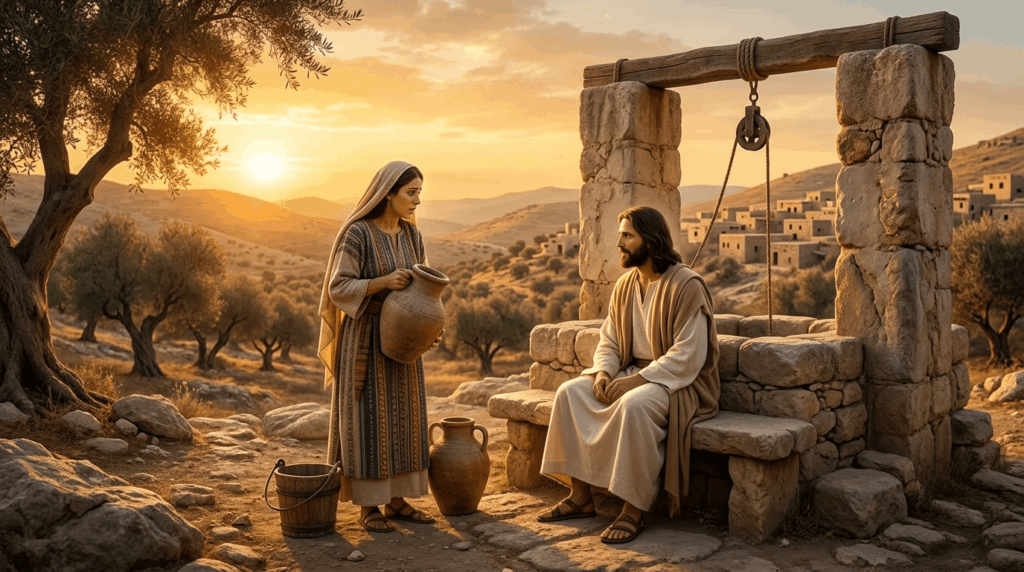
Kummankaan kreikkalaisen kaupungin, Arkelaiksen ja Fasaeliksen, ei-juutalaisista ei monikaan uskonut evankeliumiin, mutta kaksitoista apostolia saivat arvokasta kokemusta tästä ensimmäisestä laajamittaisesta työrupeamastaan yksinomaisesti gentiilien väestöpiirien parissa. Kuukauden keskivaiheilla Jeesus sanoi yhtenä maanantaiaamuna Andreakselle: ”Menemme Samariaan.” Ja he suuntasivat välittömästi kulkunsa Syykarin kaupunkiin Jaakobin kaivon lähellä.
About this time a state of great nervous and emotional tension developed among the apostles and their immediate disciple associates. They had hardly become accustomed to living and working together. They were experiencing increasing difficulties in maintaining harmonious relations with John’s disciples. The contact with the gentiles and the Samaritans was a great trial to these Jews. And besides all this, the recent utterances of Jesus had augmented their disturbed state of mind. Andrew was almost beside himself; he did not know what next to do, and so he went to the Master with his problems and perplexities. When Jesus had listened to the apostolic chief relate his troubles, he said: “Andrew, you cannot talk men out of their perplexities when they reach such a stage of involvement, and when so many persons with strong feelings are concerned. I cannot do what you ask of me—I will not participate in these personal social difficulties—but I will join you in the enjoyment of a three-day period of rest and relaxation. Go to your brethren and announce that all of you are to go with me up on Mount Sartaba, where I desire to rest for a day or two.
“Now you should go to each of your eleven brethren and talk with him privately, saying: ‘The Master desires that we go apart with him for a season to rest and relax. Since we all have recently experienced much vexation of spirit and stress of mind, I suggest that no mention be made of our trials and troubles while on this holiday. Can I depend upon you to co-operate with me in this matter?’ In this way privately and personally approach each of your brethren.” And Andrew did as the Master had instructed him.
This was a marvelous occasion in the experience of each of them; they never forgot the day going up the mountain. Throughout the entire trip hardly a word was said about their troubles. Upon reaching the top of the mountain, Jesus seated them about him while he said: “My brethren, you must all learn the value of rest and the efficacy of relaxation. You must realize that the best method of solving some entangled problems is to forsake them for a time. Then when you go back fresh from your rest or worship, you are able to attack your troubles with a clearer head and a steadier hand, not to mention a more resolute heart. Again, many times your problem is found to have shrunk in size and proportions while you have been resting your mind and body.”
The next day Jesus assigned to each of the twelve a topic for discussion. The whole day was devoted to reminiscences and to talking over matters not related to their religious work. They were momentarily shocked when Jesus even neglected to give thanks—verbally—when he broke bread for their noontide lunch. This was the first time they had ever observed him to neglect such formalities.
When they went up the mountain, Andrew’s head was full of problems. John was inordinately perplexed in his heart. James was grievously troubled in his soul. Matthew was hard pressed for funds inasmuch as they had been sojourning among the gentiles. Peter was overwrought and had recently been more temperamental than usual. Judas was suffering from a periodic attack of sensitiveness and selfishness. Simon was unusually upset in his efforts to reconcile his patriotism with the love of the brotherhood of man. Philip was more and more nonplused by the way things were going. Nathaniel had been less humorous since they had come in contact with the gentile populations, and Thomas was in the midst of a severe season of depression. Only the twins were normal and unperturbed. All of them were exceedingly perplexed about how to get along peaceably with John’s disciples.
The third day when they started down the mountain and back to their camp, a great change had come over them. They had made the important discovery that many human perplexities are in reality nonexistent, that many pressing troubles are the creations of exaggerated fear and the offspring of augmented apprehension. They had learned that all such perplexities are best handled by being forsaken; by going off they had left such problems to solve themselves.
Their return from this holiday marked the beginning of a period of greatly improved relations with the followers of John. Many of the twelve really gave way to mirth when they noted the changed state of everybody’s mind and observed the freedom from nervous irritability which had come to them as a result of their three days’ vacation from the routine duties of life. There is always danger that monotony of human contact will greatly multiply perplexities and magnify difficulties.
Not many of the gentiles in the two Greek cities of Archelais and Phasaelis believed in the gospel, but the twelve apostles gained a valuable experience in this their first extensive work with exclusively gentile populations. On a Monday morning, about the middle of the month, Jesus said to Andrew: “We go into Samaria.” And they set out at once for the city of Sychar, near Jacob’s well.
SuomiEnglish
Jokseenkin näihin aikoihin apostolien ja heidän lähimpien opetuslapsi-työtovereidensa keskuuteen kehittyi varsin hermostunut ja tunnepohjainen jännitys. He eivät oikeastaan vielä olleet tottuneet elämään ja työskentelemään yhdessä. He kokivat yhä pahempia vaikeuksia sopusointuisten suhteiden ylläpitämisessä Johanneksen opetuslapsiin. Kosketus ei-juutalaisiin ja samarialaisiin oli näille juutalaisille suuri koettelemus. Ja kaiken tämän lisäksi Jeesuksen hetki sitten lausumat sanat olivat lisänneet heidän mielentilansa hämmentyneisyyttä. Andreas oli miltei suunniltaan; hän ei tiennyt, mitä seuraavaksi tehdä, ja niin hän kääntyi ongelmineen ja neuvottomuuksineen Mestarin puoleen. Kuunneltuaan, mitä huolia apostolien päälliköllä oli kerrottavanaan, Jeesus sanoi: ”Andreas, et sinä puhumalla kykene vapauttamaan ihmisiä heidän hämmennyksistään, kun ne käyvät näin mutkikkaiksi ja kun niissä on mukana näin monta väkevästi tuntevaa henkilöä. En voi tehdä, mitä pyydät minua tekemään – en tahdo puuttua näihin henkilökohtaisiin yhteisöelämän vaikeuksiin – mutta haluan liittyä mukaanne, kun pidämme kolmipäiväisen lepo- ja virkistäytymisjakson. Mene veljiesi luo ja ilmoita, että tulette kaikki kanssani Sartabavuorelle, jossa haluan levätä päivän tai kaksi.
About this time a state of great nervous and emotional tension developed among the apostles and their immediate disciple associates. They had hardly become accustomed to living and working together. They were experiencing increasing difficulties in maintaining harmonious relations with John’s disciples. The contact with the gentiles and the Samaritans was a great trial to these Jews. And besides all this, the recent utterances of Jesus had augmented their disturbed state of mind. Andrew was almost beside himself; he did not know what next to do, and so he went to the Master with his problems and perplexities. When Jesus had listened to the apostolic chief relate his troubles, he said: “Andrew, you cannot talk men out of their perplexities when they reach such a stage of involvement, and when so many persons with strong feelings are concerned. I cannot do what you ask of me—I will not participate in these personal social difficulties—but I will join you in the enjoyment of a three-day period of rest and relaxation. Go to your brethren and announce that all of you are to go with me up on Mount Sartaba, where I desire to rest for a day or two.
”Mene nyt jokaisen yhdentoista veljesi luokse, keskustele hänen kanssaan yksityisesti ja sano: ’Mestari haluaa, että menemme hänen kanssaan joksikin aikaa jonnekin syrjäiseen paikkaan lepäämään ja rentoutumaan. Koska olemme kaikki viime aikoina kokeneet paljon sellaista, joka on vaivannut henkeämme ja rasittanut mieltämme, ehdotan, ettei lomamme aikana sanallakaan käsitellä koettelemuksiamme eikä huolenaiheitamme. Voinko luottaa siihen, että toimit tämän asian osalta kanssani yhteistyössä?’ Käänny tällä tavoin yksityisesti ja henkilökohtaisesti jokaisen veljesi puoleen.” Ja Andreas teki, kuten Mestari oli häntä neuvonut.
“Now you should go to each of your eleven brethren and talk with him privately, saying: ‘The Master desires that we go apart with him for a season to rest and relax. Since we all have recently experienced much vexation of spirit and stress of mind, I suggest that no mention be made of our trials and troubles while on this holiday. Can I depend upon you to co-operate with me in this matter?’ In this way privately and personally approach each of your brethren.” And Andrew did as the Master had instructed him.
Tämä oli heistä jokaisen kokemusmaailmassa suurenmoinen tapahtuma. He eivät milloinkaan unohtaneet päivää, jolloin he nousivat vuorelle. Koko matkan aikana lausuttiin tuskin sanaakaan heidän huolenaiheistaan. Kun he olivat päässeet vuoren laelle, Jeesus järjesti heidät istumaan ympärilleen ja sanoi: ”Veljeni, teidän kaikkien on opittava, miten arvokasta on lepo ja miten tehokasta rentoutuminen. Teidän pitää ymmärtää, että joidenkin sotkuisten ongelmien paras ratkaisukeino on työntää ne joksikin aikaa syrjään. Kun sitten levon tai hartaudenharjoituksen virkistäminä palaatte ongelman ääreen, kykenette käymään käsiksi vaikeuksiinne pää kirkkaampana ja käsi vakaampana, siitä puhumattakaan, että sydämenne on päättäväisempi. Saatte lisäksi huomata, että monet kerrat ongelmanne on menettänyt kokoaan ja mittasuhteitaan, sillä aikaa kun olitte lepuuttamassa mieltänne ja ruumistanne.”
This was a marvelous occasion in the experience of each of them; they never forgot the day going up the mountain. Throughout the entire trip hardly a word was said about their troubles. Upon reaching the top of the mountain, Jesus seated them about him while he said: “My brethren, you must all learn the value of rest and the efficacy of relaxation. You must realize that the best method of solving some entangled problems is to forsake them for a time. Then when you go back fresh from your rest or worship, you are able to attack your troubles with a clearer head and a steadier hand, not to mention a more resolute heart. Again, many times your problem is found to have shrunk in size and proportions while you have been resting your mind and body.”
Seuraavana päivänä Jeesus osoitti kullekin kahdelletoista apostolista yhden keskustelunaiheen. Koko päivä omistettiin heidän uskonnolliseen työhönsä liittymättömien asioiden muistelemiseen ja niistä keskustelemiseen. Hetken ajaksi he järkyttyivät, kun Jeesus jopa jätti – sanallisesti – kiittämättä murtaessaan leivän heidän keskipäivän ateriaansa varten. Tämä oli ensimmäinen kerta, kun he huomasivat hänen lyövän laimin tällaiset muodollisuudet.
The next day Jesus assigned to each of the twelve a topic for discussion. The whole day was devoted to reminiscences and to talking over matters not related to their religious work. They were momentarily shocked when Jesus even neglected to give thanks—verbally—when he broke bread for their noontide lunch. This was the first time they had ever observed him to neglect such formalities.
Heidän noustessaan vuorenrinnettä Andreaksen pää oli täynnä ongelmia. Johannes oli sydämessään perin pohjin ymmällään. Jaakob oli sielussaan syvästi huolten painama. Matteusta painoivat kovasti rahahuolet, sillä he olivat oleskelleet ei-juutalaisten keskuudessa. Pietari oli ylikireä ja oli viime ajat ollut tavallistakin kuohahtelevampi. Juudas kärsi taas kerran herkkätuntoisuuden ja itsekkyyden puuskasta. Simon oli erityisen hämmentynyt pyrkiessään sovittamaan yhteen isänmaallisuuttaan ja ihmisten välisen veljeyden edellyttämää rakkautta. Se, mihin suuntaan asiat menivät, teki Filippuksen aina vain neuvottomammaksi. Natanaelin leikkisyys oli vähentynyt, sen jälkeen kun he olivat tulleet kosketuksiin ei-juutalaisten väestöpiirien kanssa; ja Tuomaksella oli ankara masennuskausi pahimmillaan. Vain kaksoset olivat normaaleja, eikä mikään heitä häirinnyt. He olivat kaikki tavattoman neuvottomia siinä, miten he tulisivat rauhanomaisesti toimeen Johanneksen opetuslasten kanssa.
When they went up the mountain, Andrew’s head was full of problems. John was inordinately perplexed in his heart. James was grievously troubled in his soul. Matthew was hard pressed for funds inasmuch as they had been sojourning among the gentiles. Peter was overwrought and had recently been more temperamental than usual. Judas was suffering from a periodic attack of sensitiveness and selfishness. Simon was unusually upset in his efforts to reconcile his patriotism with the love of the brotherhood of man. Philip was more and more nonplused by the way things were going. Nathaniel had been less humorous since they had come in contact with the gentile populations, and Thomas was in the midst of a severe season of depression. Only the twins were normal and unperturbed. All of them were exceedingly perplexed about how to get along peaceably with John’s disciples.
Kun he kolmantena päivänä lähtivät laskeutumaan vuorelta takaisin leiriinsä, heissä oli tapahtunut suuri muutos. He olivat tehneet sen tärkeän havainnon, että monet ihmisen vaikeuksista ovat sellaisia, ettei niitä todellisuudessa olekaan, eli että monet ahdistavat huolenaiheet ovat liiallisen pelon luomuksia ja ylenmääräisten pahojen aavistusten aikaansaannoksia. He olivat oppineet, että useimmat tällaisista hämmentyneisyyksistä on paras hoitaa työntämällä ne sivuun. Lähtemällä muualle he olivat jättäneet tällaiset pulmat ratkeamaan itsestään.
The third day when they started down the mountain and back to their camp, a great change had come over them. They had made the important discovery that many human perplexities are in reality nonexistent, that many pressing troubles are the creations of exaggerated fear and the offspring of augmented apprehension. They had learned that all such perplexities are best handled by being forsaken; by going off they had left such problems to solve themselves.
Heidän lomaltapaluunsa aloitti ajanjakson, jolloin suhteet Johanneksen seuraajiin olivat paljon paremmalla tolalla. Useat kahdestatoista apostolista joutuivat suorastaan hilpeyden valtaan, kun he panivat merkille, miten itse kunkin mielentila oli muuttunut, ja kun he huomasivat, miten he olivat elämän rutiinitehtävistä kolmen lomapäivän ajaksi vapauduttuaan päässeet myös hermostuneesta ärtyisyydestään. Aina on olemassa vaara, että ihmisten välisten kontaktien yksitoikkoisuus lisää hankaluuksien määrän moninkertaiseksi ja suurentelee vaikeuksia.
Their return from this holiday marked the beginning of a period of greatly improved relations with the followers of John. Many of the twelve really gave way to mirth when they noted the changed state of everybody’s mind and observed the freedom from nervous irritability which had come to them as a result of their three days’ vacation from the routine duties of life. There is always danger that monotony of human contact will greatly multiply perplexities and magnify difficulties.
Kummankaan kreikkalaisen kaupungin, Arkelaiksen ja Fasaeliksen, ei-juutalaisista ei monikaan uskonut evankeliumiin, mutta kaksitoista apostolia saivat arvokasta kokemusta tästä ensimmäisestä laajamittaisesta työrupeamastaan yksinomaisesti gentiilien väestöpiirien parissa. Kuukauden keskivaiheilla Jeesus sanoi yhtenä maanantaiaamuna Andreakselle: ”Menemme Samariaan.” Ja he suuntasivat välittömästi kulkunsa Syykarin kaupunkiin Jaakobin kaivon lähellä.
Not many of the gentiles in the two Greek cities of Archelais and Phasaelis believed in the gospel, but the twelve apostles gained a valuable experience in this their first extensive work with exclusively gentile populations. On a Monday morning, about the middle of the month, Jesus said to Andrew: “We go into Samaria.” And they set out at once for the city of Sychar, near Jacob’s well.