
Teksti
Tausta
Näytä
Lisäasetukset
Kieli
Urantia Opas
Kysy kirjan sisällöstä. Opas vastaa Book Enginen omien lähdekohtien perusteella ja ohjaa sinut lukemaan ne.
Hei! 🙏
Olen sinun Urantia-oppaasi. Tehtäväni on auttaa sinua löytämään oikeat kohdat Urantia-kirjasta ja ymmärtämään sen opetuksia syvemmin. 😊❤️
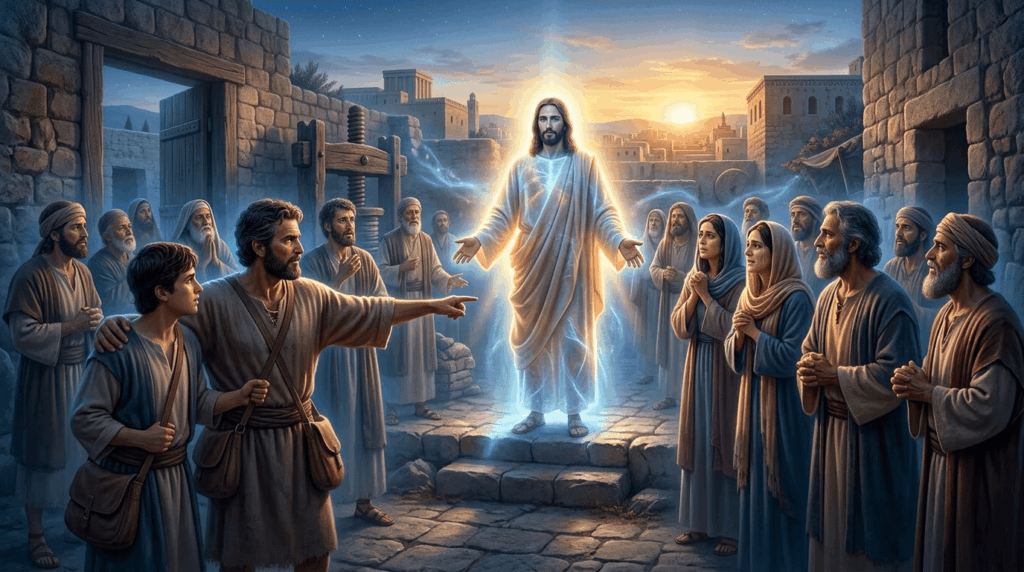
KUOLLEISTANOUSSUT Jeesus aikoo nyt viettää lyhyen aikajakson Urantialla saadakseen kokemuksen maailmojen kuolevaisen ylösnousemukseen kuuluvasta morontiaelämänvaiheesta. Vaikka tämä morontiaelämän aika onkin määrä viettää maailmassa, jossa hän ruumiillistui kuolevaiseksi, se tulee kuitenkin olemaan kaikissa suhteissa niiden Satanian kuolevaisten kokemukseen verrattava, jotka kulkevat Jerusemin seitsemän mansiomaailman vaihe vaiheelta etenevän morontiaelämän läpi.
Koko tämä Jeesuksessa luontaisesti piilevä voima – elämän saama – joka antoi hänelle kyvyn nousta kuolleista, on se sama ikuisen elämän lahja, jonka hän antaa valtakuntauskoville ja joka tälläkin hetkellä tekee varmaksi heidän nousunsa luonnollisen kuoleman kahleista.
Maailmojen kuolevaiset nousevat kuolleistaheräämisen aamuna samantyyppisessä siirtymä- eli morontiaruumiissa, jollainen Jeesuksella oli, kun hän tuona sunnuntaiaamuna nousi haudasta. Veri ei näissä ruumiissa kierrä, eivätkä tällaiset olennot nauti tavanomaista aineellista ravintoa; nämä morontiahahmot ovat siitä huolimatta todellisia. Kun monilukuiset uskovat näkivät Jeesuksen hänen kuolleistanousunsa jälkeen, he todellakin näkivät hänet; he eivät olleet itsepetoksellisia näkyjen tai hallusinaatioiden uhreja.
Luja usko Jeesuksen kuolleistanousuun oli alkuaikojen evankeliuminopetuksen kaikkien haarautumien peruspiirre. Jerusalemissa, Aleksandriassa, Antiokiassa ja Filadelfiassa kaikille evankeliuminopettajille oli yhteistä tämä ehdoton usko Mestarin kuolleistanousuun.
Tarkasteltaessa Maria Magdalenan omaksumaa näkyvää osaa Mestarin kuolleistanousun julistamisessa tulisi ottaa huomioon, että Maria oli naisten ryhmän tärkein edustaja, samaan tapaan kuin Pietari toimi apostolien edusmiehenä. Maria ei ollut naistyöntekijöiden päällikkö, mutta hän oli heidän tärkein opettajansa ja julkinen edusnaisensa. Mariasta oli tullut nainen, joka noudatti suurta varovaisuutta, joten hänen osoittamansa rohkeus, kun hän puhui Joosefin puutarhan hoitajaksi luulemalleen miehelle, osoittaa vain, miten kauhuissaan hän oli huomatessaan haudan tyhjäksi. Hänen rakkautensa syvyys ja sen tuska, hänen antaumuksensa täysimääräisyys, saivat hänet hetkeksi unohtamaan sovinnaisuuden asettamat rajoitukset, jotka estivät juutalaisnaista puhuttelemasta tuntematonta miestä.
THE resurrected Jesus now prepares to spend a short period on Urantia for the purpose of experiencing the ascending morontia career of a mortal of the realms. Although this time of the morontia life is to be spent on the world of his mortal incarnation, it will, however, be in all respects the counterpart of the experience of Satania mortals who pass through the progressive morontia life of the seven mansion worlds of Jerusem.
All this power which is inherent in Jesus—the endowment of life—and which enabled him to rise from the dead, is the very gift of eternal life which he bestows upon kingdom believers, and which even now makes certain their resurrection from the bonds of natural death.
The mortals of the realms will arise in the morning of the resurrection with the same type of transition or morontia body that Jesus had when he arose from the tomb on this Sunday morning. These bodies do not have circulating blood, and such beings do not partake of ordinary material food; nevertheless, these morontia forms are real. When the various believers saw Jesus after his resurrection, they really saw him; they were not the self-deceived victims of visions or hallucinations.
Abiding faith in the resurrection of Jesus was the cardinal feature of the faith of all branches of the early gospel teaching. In Jerusalem, Alexandria, Antioch, and Philadelphia all the gospel teachers united in this implicit faith in the Master’s resurrection.
In viewing the prominent part which Mary Magdalene took in proclaiming the Master’s resurrection, it should be recorded that Mary was the chief spokesman for the women’s corps, as was Peter for the apostles. Mary was not chief of the women workers, but she was their chief teacher and public spokesman. Mary had become a woman of great circumspection, so that her boldness in speaking to a man whom she considered to be the caretaker of Joseph’s garden only indicates how horrified she was to find the tomb empty. It was the depth and agony of her love, the fullness of her devotion, that caused her to forget, for a moment, the conventional restraints of a Jewish woman’s approach to a strange man.
SuomiEnglish
KUOLLEISTANOUSSUT Jeesus aikoo nyt viettää lyhyen aikajakson Urantialla saadakseen kokemuksen maailmojen kuolevaisen ylösnousemukseen kuuluvasta morontiaelämänvaiheesta. Vaikka tämä morontiaelämän aika onkin määrä viettää maailmassa, jossa hän ruumiillistui kuolevaiseksi, se tulee kuitenkin olemaan kaikissa suhteissa niiden Satanian kuolevaisten kokemukseen verrattava, jotka kulkevat Jerusemin seitsemän mansiomaailman vaihe vaiheelta etenevän morontiaelämän läpi.
THE resurrected Jesus now prepares to spend a short period on Urantia for the purpose of experiencing the ascending morontia career of a mortal of the realms. Although this time of the morontia life is to be spent on the world of his mortal incarnation, it will, however, be in all respects the counterpart of the experience of Satania mortals who pass through the progressive morontia life of the seven mansion worlds of Jerusem.
Koko tämä Jeesuksessa luontaisesti piilevä voima – elämän saama – joka antoi hänelle kyvyn nousta kuolleista, on se sama ikuisen elämän lahja, jonka hän antaa valtakuntauskoville ja joka tälläkin hetkellä tekee varmaksi heidän nousunsa luonnollisen kuoleman kahleista.
All this power which is inherent in Jesus—the endowment of life—and which enabled him to rise from the dead, is the very gift of eternal life which he bestows upon kingdom believers, and which even now makes certain their resurrection from the bonds of natural death.
Maailmojen kuolevaiset nousevat kuolleistaheräämisen aamuna samantyyppisessä siirtymä- eli morontiaruumiissa, jollainen Jeesuksella oli, kun hän tuona sunnuntaiaamuna nousi haudasta. Veri ei näissä ruumiissa kierrä, eivätkä tällaiset olennot nauti tavanomaista aineellista ravintoa; nämä morontiahahmot ovat siitä huolimatta todellisia. Kun monilukuiset uskovat näkivät Jeesuksen hänen kuolleistanousunsa jälkeen, he todellakin näkivät hänet; he eivät olleet itsepetoksellisia näkyjen tai hallusinaatioiden uhreja.
The mortals of the realms will arise in the morning of the resurrection with the same type of transition or morontia body that Jesus had when he arose from the tomb on this Sunday morning. These bodies do not have circulating blood, and such beings do not partake of ordinary material food; nevertheless, these morontia forms are real. When the various believers saw Jesus after his resurrection, they really saw him; they were not the self-deceived victims of visions or hallucinations.
Luja usko Jeesuksen kuolleistanousuun oli alkuaikojen evankeliuminopetuksen kaikkien haarautumien peruspiirre. Jerusalemissa, Aleksandriassa, Antiokiassa ja Filadelfiassa kaikille evankeliuminopettajille oli yhteistä tämä ehdoton usko Mestarin kuolleistanousuun.
Abiding faith in the resurrection of Jesus was the cardinal feature of the faith of all branches of the early gospel teaching. In Jerusalem, Alexandria, Antioch, and Philadelphia all the gospel teachers united in this implicit faith in the Master’s resurrection.
Tarkasteltaessa Maria Magdalenan omaksumaa näkyvää osaa Mestarin kuolleistanousun julistamisessa tulisi ottaa huomioon, että Maria oli naisten ryhmän tärkein edustaja, samaan tapaan kuin Pietari toimi apostolien edusmiehenä. Maria ei ollut naistyöntekijöiden päällikkö, mutta hän oli heidän tärkein opettajansa ja julkinen edusnaisensa. Mariasta oli tullut nainen, joka noudatti suurta varovaisuutta, joten hänen osoittamansa rohkeus, kun hän puhui Joosefin puutarhan hoitajaksi luulemalleen miehelle, osoittaa vain, miten kauhuissaan hän oli huomatessaan haudan tyhjäksi. Hänen rakkautensa syvyys ja sen tuska, hänen antaumuksensa täysimääräisyys, saivat hänet hetkeksi unohtamaan sovinnaisuuden asettamat rajoitukset, jotka estivät juutalaisnaista puhuttelemasta tuntematonta miestä.
In viewing the prominent part which Mary Magdalene took in proclaiming the Master’s resurrection, it should be recorded that Mary was the chief spokesman for the women’s corps, as was Peter for the apostles. Mary was not chief of the women workers, but she was their chief teacher and public spokesman. Mary had become a woman of great circumspection, so that her boldness in speaking to a man whom she considered to be the caretaker of Joseph’s garden only indicates how horrified she was to find the tomb empty. It was the depth and agony of her love, the fullness of her devotion, that caused her to forget, for a moment, the conventional restraints of a Jewish woman’s approach to a strange man.