
Teksti
Tausta
Näytä
Lisäasetukset
Kieli
Urantia Opas
Kysy kirjan sisällöstä. Opas vastaa Book Enginen omien lähdekohtien perusteella ja ohjaa sinut lukemaan ne.
Hei! 🙏
Olen sinun Urantia-oppaasi. Tehtäväni on auttaa sinua löytämään oikeat kohdat Urantia-kirjasta ja ymmärtämään sen opetuksia syvemmin. 😊❤️
Raamassa Jeesus kävi ikimuistettavan keskustelun iäkkään kreikkalaisen filosofin kanssa, joka opetti, että tiede ja filosofia riittivät tyydyttämään inhimillisen kokemuksen tarpeet. Jeesus kuunteli kärsivällisesti ja myötätuntoisesti tätä kreikkalaista opettajaa ja myönsi monet tämän esittämät asiat tosiksi, mutta kun filosofi oli päässyt esityksensä loppuun, Jeesus huomautti, ettei tämä ollut ihmisen olemassaolosta esittämässään näkemyksessä selittänyt, ”mistä, miksi ja minne”, ja Jeesus jatkoi: ”Siitä, mihin sinä lopetat, siitä me vasta aloitamme. Uskonto on sellainen ilmoitus ihmisen sielulle, joka käsittelee hengellisiä realiteetteja, todellisuuksia, joita mieli yksinään ei kykenisi koskaan löytämään tai kokonaan käsittämään. Älylliset ponnistukset voivat paljastaa elämän tosiasiat, mutta valtakunnan evankeliumi tuo esille olemisen totuudet. Olet puheessasi käsitellyt totuuden aineellisia varjoja. Tahdotko nyt kuunnella, kun kerron sinulle niistä ikuisista ja hengellisistä realiteeteista, jotka luovat kuolevaisen olemassaoloon liittyvinä aineellisina faktoina ilmenevät ja mainitsemasi ohimenevät ajalliset varjot?” Yli tunnin ajan Jeesus opetti tälle kreikkalaiselle valtakunnan evankeliumin pelastavia totuuksia. Filosofivanhusta miellytti tapa, jolla Jeesus häntä lähestyi, ja kun hän oli sydämeltään vilpittömän rehellinen, hän kohta uskoi tämän pelastuksen evankeliumin.
Apostolit olivat hieman ymmällään avoimuudesta, jolla Jeesus myöntyi moniinkin kreikkalaisen esittämiin väitteisiin, mutta myöhemmin Jeesus sanoi heille yksityisesti: ”Lapseni, älkää sitä hämmästelkö, että olin suvaitsevainen kreikkalaisen filosofiaa kohtaan. Tosi ja aito sisäinen varmuus ei ole vähääkään peloissaan ulkopuolelta tulevan analysoinnin suhteen, eikä totuus suhtaudu nyreästi rehelliseen kritiikkiin. Teidän ei tulisi koskaan unohtaa, että suvaitsemattomuus on naamari, jonka taakse kätkeytyvät salassa elätellyt epäilykset oman vakaumuksen totuudellisuudesta. Ketään ei koskaan häiritse hänen lähimmäisensä suhtautuminen, mikäli hänellä on täydellinen luottamus siihen, että se, mihin hän täydestä sydämestään uskoo, on totuus. Rohkeus on perinpohjaisen rehellistä luottamusta kaikkeen, mihin tunnustaa uskovansa. Vilpittömät ihmiset eivät pelkää aitojen vakaumustensa ja jalojen ihanteidensa kriittistä tarkastelua.”
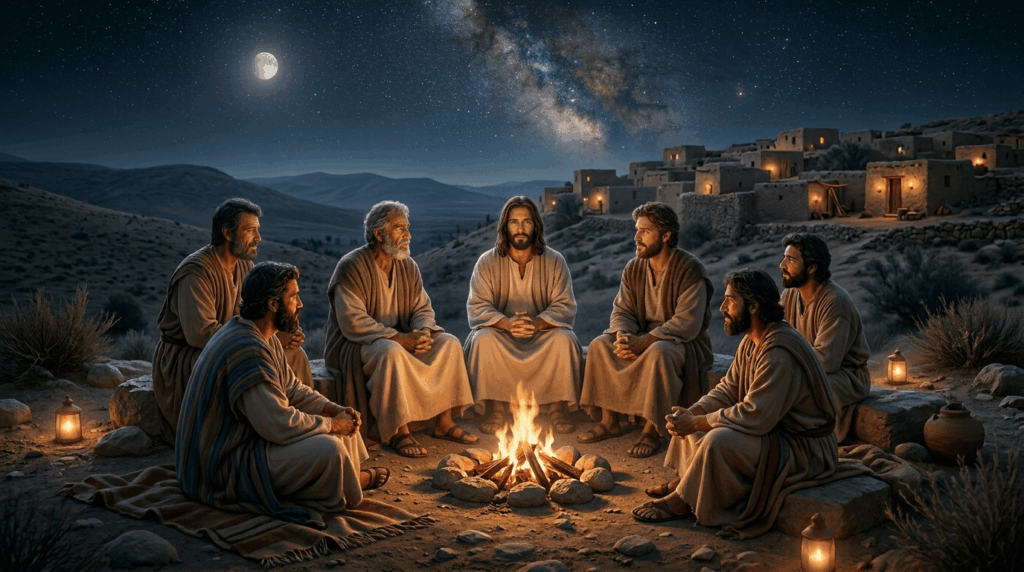
Toisena Raamassa vietettynä iltana Tuomas esitti Jeesukselle seuraavan kysymyksen: ”Mestari, kuinka voi uusi opetuksiisi uskova todellakin tietää, todellakin olla varma siitä, että tämä valtakunnan evankeliumi on totuus?”
Ja Jeesus sanoi Tuomakselle: ”Vakuuttuneisuutesi siitä, että olet astunut Isän valtakuntaperheeseen ja että jäät ikiajoiksi eloon tämän valtakunnan lasten mukana, riippuu kokonaan henkilökohtaisesta kokemuksesta – luottamuksesta totuudelliseen sanaan. Hengellinen vakuuttuneisuus on samaa kuin henkilökohtainen uskonnollinen kokemuksesi jumalallista totuutta olevista ikuisista realiteeteista, ja muilta osin se vastaa sitä, mikä on älyllinen ymmärryksesi totuusrealiteeteista, lisättynä hengellisellä uskollasi ja vähennettynä vilpittömillä epäilyksilläsi.
”Ja Pojan luonnollisiin varustuksiin kuuluu Isästä oleva elämä. Koska teille on annettu Isän elävä henki, siitä johtuu, että olette Jumalan poikia. Elämästänne tässä lihallisuuden aineellisessa maailmassa te selviydytte tuonpuoleiseen siksi, että samastutte Isän elävään henkeen, ikuisen elämän lahjaan. Monilla, toden totta, oli tämä elämä, jo ennen kuin tulin Isän tyköä, ja monet muut ovat saaneet tämän hengen, koska he uskoivat minun sanani; mutta teen tiettäväksi, että sitten kun palaan Isän luo, hän lähettää henkensä kaikkien ihmisten sydämeen.
”Vaikkette voikaan tehdä havaintoja siitä, miten tämä jumalallinen henki työskentelee mielessänne, on kuitenkin olemassa käytännöllinen menetelmä, jolla saa selville, missä määrin olette luovuttaneet sielunvoimienne hallinnan tämän sisimmässänne olevan, taivaallisen Isän hengen antaman opetuksen ja opastuksen haltuun, ja tämä tulee ilmi siinä, missä määrin rakastatte kanssaihmisiänne. Tuossa hengessä on mukana Isän osoittama rakkaus, ja kun se vallitsee ihmistä, se vie vääjäämättä jumalallisen palvonnan ja lähimmäisiin kohdistuvan rakastavan kunnioittamisen suunnalle. Ensi vaiheessa uskotte olevanne Jumalan poikia siksi, että opetukseni on tehnyt teidät tietoisemmiksi teissä olevan Isämme läsnäolon sisäisistä johdatuksista; mutta hyvin pian vuodatetaan Totuuden Henki kaiken lihan ylle, ja se elää ihmisten keskuudessa ja opettaa kaikkia ihmisiä, kuten minä nyt elän keskuudessanne ja puhun teille totuuden sanoja. Ja tämä Totuuden Henki, joka puhuu sielunne hengellisten varustusten puolesta, auttaa teitä tietämään, että olette Jumalan poikia. Se todistaa pettämättömästi sisimmässänne olevan Isän läsnäolon, henkenne, kanssa, joka silloin on kaikkien ihmisten sisimmässä, kuten se nyt on muutamissa, ja kertoo teille, että olette todellisuudessa Jumalan poikia.
”Jokainen maan lapsi, joka noudattaa tämän hengen johdatusta, tulee lopulta tietämään, mikä Jumalan tahto on; ja joka antaa periksi Isäni tahdolle, hän pysyy ajasta aikaan. Teille ei ole selvitetty tietä, joka johtaa maisesta elämästä ikuiseen olotilaan, mutta sellainen tie on olemassa, sellainen on aina ollut, ja olen tullut tekemään tästä tiestä uuden ja elävän. Joka astuu valtakuntaan, hänellä on jo ikuinen elämä – hän ei koskaan menehdy. Mutta tässä on paljon sellaista, jonka ymmärrätte paremmin, sitten kun olen palannut Isän tykö ja teillä on mahdollisuus tarkastella tämänhetkisiä kokemuksianne takautuvasti.”
Ja kaikki, jotka kuulivat nämä siunatut sanat, saivat niistä paljon rohkaisua. Juutalaiset opetukset vanhurskaiden eloonjäämisestä olivat olleet sekavia ja epävarmoja, ja Jeesuksen seuraajista oli virkistävää ja innoittavaa kuulla nämä varsin täsmälliset ja myönteiset sanat, jotka antoivat vakuutuksen kaikkien todellisten uskovien ikuisesta eloonjäämisestä.
Apostolit jatkoivat saarnaamista ja uskovien kastamista, samalla kun he edelleenkin pitivät yllä käytäntöä käydä talosta taloon lohduttamassa masentuneita ja hoivaamassa sairaita ja kärsiviä. Apostoliorganisaatio laajeni sikäli, että jokaisella Jeesuksen apostolilla oli nyt työtoverinaan yksi Johanneksen apostoli. Abner oli Andreaksen työtoveri, ja tämä järjestely oli voimassa siihen saakka, kun he seuraavan pääsiäisen ajaksi menivät Jerusalemiin.
Jeesuksen Sebulonissa-oleskelun aikana antamissa erityisopetuksissa oli etupäässä kysymys valtakunnassa vallitsevia keskinäisiä velvollisuuksia koskevien asioiden käsittelystä, ja näihin kuului muun muassa opetus, jonka oli tarkoitus selvittää, mikä ero vallitsi omakohtaisen uskonnollisen kokemuksen ja sosiaalisista uskonnollisista velvollisuuksista nousevien ystävällisten suhteiden välillä. Tämä oli niitä harvoja kertoja, jolloin Mestari ylipäätään esitti näkemyksiä uskonnon sosiaalisista aspekteista. Koko maisen elämänsä aikana Jeesus antoi seuraajilleen varsin vähän ohjeita, jotka olisivat koskeneet uskonnon sosiaalistamista.
Sebulonin väestö oli rodullisesti sekoittunutta: se ei oikeastaan ollut juutalaista eikä ei-juutalaista. Ja perin harvat heistä tosiasiassa uskoivat Jeesukseen, vaikka olivatkin kuulleet Kapernaumissa tapahtuneesta sairaiden parantamisesta.
At Ramah Jesus had the memorable discussion with the aged Greek philosopher who taught that science and philosophy were sufficient to satisfy the needs of human experience. Jesus listened with patience and sympathy to this Greek teacher, allowing the truth of many things he said but pointing out that, when he was through, he had failed in his discussion of human existence to explain “whence, why, and whither,” and added: “Where you leave off, we begin. Religion is a revelation to man’s soul dealing with spiritual realities which the mind alone could never discover or fully fathom. Intellectual strivings may reveal the facts of life, but the gospel of the kingdom unfolds the truths of being. You have discussed the material shadows of truth; will you now listen while I tell you about the eternal and spiritual realities which cast these transient time shadows of the material facts of mortal existence?” For more than an hour Jesus taught this Greek the saving truths of the gospel of the kingdom. The old philosopher was susceptible to the Master’s mode of approach, and being sincerely honest of heart, he quickly believed this gospel of salvation.
The apostles were a bit disconcerted by the open manner of Jesus’ assent to many of the Greek’s propositions, but Jesus afterward privately said to them: “My children, marvel not that I was tolerant of the Greek’s philosophy. True and genuine inward certainty does not in the least fear outward analysis, nor does truth resent honest criticism. You should never forget that intolerance is the mask covering up the entertainment of secret doubts as to the trueness of one’s belief. No man is at any time disturbed by his neighbor’s attitude when he has perfect confidence in the truth of that which he wholeheartedly believes. Courage is the confidence of thoroughgoing honesty about those things which one professes to believe. Sincere men are unafraid of the critical examination of their true convictions and noble ideals.”
On the second evening at Ramah, Thomas asked Jesus this question: “Master, how can a new believer in your teaching really know, really be certain, about the truth of this gospel of the kingdom?”
And Jesus said to Thomas: “Your assurance that you have entered into the kingdom family of the Father, and that you will eternally survive with the children of the kingdom, is wholly a matter of personal experience—faith in the word of truth. Spiritual assurance is the equivalent of your personal religious experience in the eternal realities of divine truth and is otherwise equal to your intelligent understanding of truth realities plus your spiritual faith and minus your honest doubts.
“The Son is naturally endowed with the life of the Father. Having been endowed with the living spirit of the Father, you are therefore sons of God. You survive your life in the material world of the flesh because you are identified with the Father’s living spirit, the gift of eternal life. Many, indeed, had this life before I came forth from the Father, and many more have received this spirit because they believed my word; but I declare that, when I return to the Father, he will send his spirit into the hearts of all men.
“While you cannot observe the divine spirit at work in your minds, there is a practical method of discovering the degree to which you have yielded the control of your soul powers to the teaching and guidance of this indwelling spirit of the heavenly Father, and that is the degree of your love for your fellow men. This spirit of the Father partakes of the love of the Father, and as it dominates man, it unfailingly leads in the directions of divine worship and loving regard for one’s fellows. At first you believe that you are sons of God because my teaching has made you more conscious of the inner leadings of our Father’s indwelling presence; but presently the Spirit of Truth shall be poured out upon all flesh, and it will live among men and teach all men, even as I now live among you and speak to you the words of truth. And this Spirit of Truth, speaking for the spiritual endowments of your souls, will help you to know that you are the sons of God. It will unfailingly bear witness with the Father’s indwelling presence, your spirit, then dwelling in all men as it now dwells in some, telling you that you are in reality the sons of God.
“Every earth child who follows the leading of this spirit shall eventually know the will of God, and he who surrenders to the will of my Father shall abide forever. The way from the earth life to the eternal estate has not been made plain to you, but there is a way, there always has been, and I have come to make that way new and living. He who enters the kingdom has eternal life already—he shall never perish. But much of this you will the better understand when I shall have returned to the Father and you are able to view your present experiences in retrospect.”
And all who heard these blessed words were greatly cheered. The Jewish teachings had been confused and uncertain regarding the survival of the righteous, and it was refreshing and inspiring for Jesus’ followers to hear these very definite and positive words of assurance about the eternal survival of all true believers.
The apostles continued to preach and baptize believers, while they kept up the practice of visiting from house to house, comforting the downcast and ministering to the sick and afflicted. The apostolic organization was expanded in that each of Jesus’ apostles now had one of John’s as an associate; Abner was the associate of Andrew; and this plan prevailed until they went down to Jerusalem for the next Passover.
The special instruction given by Jesus during their stay at Zebulun had chiefly to do with further discussions of the mutual obligations of the kingdom and embraced teaching designed to make clear the differences between personal religious experience and the amities of social religious obligations. This was one of the few times the Master ever discussed the social aspects of religion. Throughout his entire earth life Jesus gave his followers very little instruction regarding the socialization of religion.
In Zebulun the people were of a mixed race, hardly Jew or gentile, and few of them really believed in Jesus, notwithstanding they had heard of the healing of the sick at Capernaum.
SuomiEnglish
Raamassa Jeesus kävi ikimuistettavan keskustelun iäkkään kreikkalaisen filosofin kanssa, joka opetti, että tiede ja filosofia riittivät tyydyttämään inhimillisen kokemuksen tarpeet. Jeesus kuunteli kärsivällisesti ja myötätuntoisesti tätä kreikkalaista opettajaa ja myönsi monet tämän esittämät asiat tosiksi, mutta kun filosofi oli päässyt esityksensä loppuun, Jeesus huomautti, ettei tämä ollut ihmisen olemassaolosta esittämässään näkemyksessä selittänyt, ”mistä, miksi ja minne”, ja Jeesus jatkoi: ”Siitä, mihin sinä lopetat, siitä me vasta aloitamme. Uskonto on sellainen ilmoitus ihmisen sielulle, joka käsittelee hengellisiä realiteetteja, todellisuuksia, joita mieli yksinään ei kykenisi koskaan löytämään tai kokonaan käsittämään. Älylliset ponnistukset voivat paljastaa elämän tosiasiat, mutta valtakunnan evankeliumi tuo esille olemisen totuudet. Olet puheessasi käsitellyt totuuden aineellisia varjoja. Tahdotko nyt kuunnella, kun kerron sinulle niistä ikuisista ja hengellisistä realiteeteista, jotka luovat kuolevaisen olemassaoloon liittyvinä aineellisina faktoina ilmenevät ja mainitsemasi ohimenevät ajalliset varjot?” Yli tunnin ajan Jeesus opetti tälle kreikkalaiselle valtakunnan evankeliumin pelastavia totuuksia. Filosofivanhusta miellytti tapa, jolla Jeesus häntä lähestyi, ja kun hän oli sydämeltään vilpittömän rehellinen, hän kohta uskoi tämän pelastuksen evankeliumin.
At Ramah Jesus had the memorable discussion with the aged Greek philosopher who taught that science and philosophy were sufficient to satisfy the needs of human experience. Jesus listened with patience and sympathy to this Greek teacher, allowing the truth of many things he said but pointing out that, when he was through, he had failed in his discussion of human existence to explain “whence, why, and whither,” and added: “Where you leave off, we begin. Religion is a revelation to man’s soul dealing with spiritual realities which the mind alone could never discover or fully fathom. Intellectual strivings may reveal the facts of life, but the gospel of the kingdom unfolds the truths of being. You have discussed the material shadows of truth; will you now listen while I tell you about the eternal and spiritual realities which cast these transient time shadows of the material facts of mortal existence?” For more than an hour Jesus taught this Greek the saving truths of the gospel of the kingdom. The old philosopher was susceptible to the Master’s mode of approach, and being sincerely honest of heart, he quickly believed this gospel of salvation.
Apostolit olivat hieman ymmällään avoimuudesta, jolla Jeesus myöntyi moniinkin kreikkalaisen esittämiin väitteisiin, mutta myöhemmin Jeesus sanoi heille yksityisesti: ”Lapseni, älkää sitä hämmästelkö, että olin suvaitsevainen kreikkalaisen filosofiaa kohtaan. Tosi ja aito sisäinen varmuus ei ole vähääkään peloissaan ulkopuolelta tulevan analysoinnin suhteen, eikä totuus suhtaudu nyreästi rehelliseen kritiikkiin. Teidän ei tulisi koskaan unohtaa, että suvaitsemattomuus on naamari, jonka taakse kätkeytyvät salassa elätellyt epäilykset oman vakaumuksen totuudellisuudesta. Ketään ei koskaan häiritse hänen lähimmäisensä suhtautuminen, mikäli hänellä on täydellinen luottamus siihen, että se, mihin hän täydestä sydämestään uskoo, on totuus. Rohkeus on perinpohjaisen rehellistä luottamusta kaikkeen, mihin tunnustaa uskovansa. Vilpittömät ihmiset eivät pelkää aitojen vakaumustensa ja jalojen ihanteidensa kriittistä tarkastelua.”
The apostles were a bit disconcerted by the open manner of Jesus’ assent to many of the Greek’s propositions, but Jesus afterward privately said to them: “My children, marvel not that I was tolerant of the Greek’s philosophy. True and genuine inward certainty does not in the least fear outward analysis, nor does truth resent honest criticism. You should never forget that intolerance is the mask covering up the entertainment of secret doubts as to the trueness of one’s belief. No man is at any time disturbed by his neighbor’s attitude when he has perfect confidence in the truth of that which he wholeheartedly believes. Courage is the confidence of thoroughgoing honesty about those things which one professes to believe. Sincere men are unafraid of the critical examination of their true convictions and noble ideals.”
Toisena Raamassa vietettynä iltana Tuomas esitti Jeesukselle seuraavan kysymyksen: ”Mestari, kuinka voi uusi opetuksiisi uskova todellakin tietää, todellakin olla varma siitä, että tämä valtakunnan evankeliumi on totuus?”
On the second evening at Ramah, Thomas asked Jesus this question: “Master, how can a new believer in your teaching really know, really be certain, about the truth of this gospel of the kingdom?”
Ja Jeesus sanoi Tuomakselle: ”Vakuuttuneisuutesi siitä, että olet astunut Isän valtakuntaperheeseen ja että jäät ikiajoiksi eloon tämän valtakunnan lasten mukana, riippuu kokonaan henkilökohtaisesta kokemuksesta – luottamuksesta totuudelliseen sanaan. Hengellinen vakuuttuneisuus on samaa kuin henkilökohtainen uskonnollinen kokemuksesi jumalallista totuutta olevista ikuisista realiteeteista, ja muilta osin se vastaa sitä, mikä on älyllinen ymmärryksesi totuusrealiteeteista, lisättynä hengellisellä uskollasi ja vähennettynä vilpittömillä epäilyksilläsi.
And Jesus said to Thomas: “Your assurance that you have entered into the kingdom family of the Father, and that you will eternally survive with the children of the kingdom, is wholly a matter of personal experience—faith in the word of truth. Spiritual assurance is the equivalent of your personal religious experience in the eternal realities of divine truth and is otherwise equal to your intelligent understanding of truth realities plus your spiritual faith and minus your honest doubts.
”Ja Pojan luonnollisiin varustuksiin kuuluu Isästä oleva elämä. Koska teille on annettu Isän elävä henki, siitä johtuu, että olette Jumalan poikia. Elämästänne tässä lihallisuuden aineellisessa maailmassa te selviydytte tuonpuoleiseen siksi, että samastutte Isän elävään henkeen, ikuisen elämän lahjaan. Monilla, toden totta, oli tämä elämä, jo ennen kuin tulin Isän tyköä, ja monet muut ovat saaneet tämän hengen, koska he uskoivat minun sanani; mutta teen tiettäväksi, että sitten kun palaan Isän luo, hän lähettää henkensä kaikkien ihmisten sydämeen.
“The Son is naturally endowed with the life of the Father. Having been endowed with the living spirit of the Father, you are therefore sons of God. You survive your life in the material world of the flesh because you are identified with the Father’s living spirit, the gift of eternal life. Many, indeed, had this life before I came forth from the Father, and many more have received this spirit because they believed my word; but I declare that, when I return to the Father, he will send his spirit into the hearts of all men.
”Vaikkette voikaan tehdä havaintoja siitä, miten tämä jumalallinen henki työskentelee mielessänne, on kuitenkin olemassa käytännöllinen menetelmä, jolla saa selville, missä määrin olette luovuttaneet sielunvoimienne hallinnan tämän sisimmässänne olevan, taivaallisen Isän hengen antaman opetuksen ja opastuksen haltuun, ja tämä tulee ilmi siinä, missä määrin rakastatte kanssaihmisiänne. Tuossa hengessä on mukana Isän osoittama rakkaus, ja kun se vallitsee ihmistä, se vie vääjäämättä jumalallisen palvonnan ja lähimmäisiin kohdistuvan rakastavan kunnioittamisen suunnalle. Ensi vaiheessa uskotte olevanne Jumalan poikia siksi, että opetukseni on tehnyt teidät tietoisemmiksi teissä olevan Isämme läsnäolon sisäisistä johdatuksista; mutta hyvin pian vuodatetaan Totuuden Henki kaiken lihan ylle, ja se elää ihmisten keskuudessa ja opettaa kaikkia ihmisiä, kuten minä nyt elän keskuudessanne ja puhun teille totuuden sanoja. Ja tämä Totuuden Henki, joka puhuu sielunne hengellisten varustusten puolesta, auttaa teitä tietämään, että olette Jumalan poikia. Se todistaa pettämättömästi sisimmässänne olevan Isän läsnäolon, henkenne, kanssa, joka silloin on kaikkien ihmisten sisimmässä, kuten se nyt on muutamissa, ja kertoo teille, että olette todellisuudessa Jumalan poikia.
“While you cannot observe the divine spirit at work in your minds, there is a practical method of discovering the degree to which you have yielded the control of your soul powers to the teaching and guidance of this indwelling spirit of the heavenly Father, and that is the degree of your love for your fellow men. This spirit of the Father partakes of the love of the Father, and as it dominates man, it unfailingly leads in the directions of divine worship and loving regard for one’s fellows. At first you believe that you are sons of God because my teaching has made you more conscious of the inner leadings of our Father’s indwelling presence; but presently the Spirit of Truth shall be poured out upon all flesh, and it will live among men and teach all men, even as I now live among you and speak to you the words of truth. And this Spirit of Truth, speaking for the spiritual endowments of your souls, will help you to know that you are the sons of God. It will unfailingly bear witness with the Father’s indwelling presence, your spirit, then dwelling in all men as it now dwells in some, telling you that you are in reality the sons of God.
”Jokainen maan lapsi, joka noudattaa tämän hengen johdatusta, tulee lopulta tietämään, mikä Jumalan tahto on; ja joka antaa periksi Isäni tahdolle, hän pysyy ajasta aikaan. Teille ei ole selvitetty tietä, joka johtaa maisesta elämästä ikuiseen olotilaan, mutta sellainen tie on olemassa, sellainen on aina ollut, ja olen tullut tekemään tästä tiestä uuden ja elävän. Joka astuu valtakuntaan, hänellä on jo ikuinen elämä – hän ei koskaan menehdy. Mutta tässä on paljon sellaista, jonka ymmärrätte paremmin, sitten kun olen palannut Isän tykö ja teillä on mahdollisuus tarkastella tämänhetkisiä kokemuksianne takautuvasti.”
“Every earth child who follows the leading of this spirit shall eventually know the will of God, and he who surrenders to the will of my Father shall abide forever. The way from the earth life to the eternal estate has not been made plain to you, but there is a way, there always has been, and I have come to make that way new and living. He who enters the kingdom has eternal life already—he shall never perish. But much of this you will the better understand when I shall have returned to the Father and you are able to view your present experiences in retrospect.”
Ja kaikki, jotka kuulivat nämä siunatut sanat, saivat niistä paljon rohkaisua. Juutalaiset opetukset vanhurskaiden eloonjäämisestä olivat olleet sekavia ja epävarmoja, ja Jeesuksen seuraajista oli virkistävää ja innoittavaa kuulla nämä varsin täsmälliset ja myönteiset sanat, jotka antoivat vakuutuksen kaikkien todellisten uskovien ikuisesta eloonjäämisestä.
And all who heard these blessed words were greatly cheered. The Jewish teachings had been confused and uncertain regarding the survival of the righteous, and it was refreshing and inspiring for Jesus’ followers to hear these very definite and positive words of assurance about the eternal survival of all true believers.
Apostolit jatkoivat saarnaamista ja uskovien kastamista, samalla kun he edelleenkin pitivät yllä käytäntöä käydä talosta taloon lohduttamassa masentuneita ja hoivaamassa sairaita ja kärsiviä. Apostoliorganisaatio laajeni sikäli, että jokaisella Jeesuksen apostolilla oli nyt työtoverinaan yksi Johanneksen apostoli. Abner oli Andreaksen työtoveri, ja tämä järjestely oli voimassa siihen saakka, kun he seuraavan pääsiäisen ajaksi menivät Jerusalemiin.
The apostles continued to preach and baptize believers, while they kept up the practice of visiting from house to house, comforting the downcast and ministering to the sick and afflicted. The apostolic organization was expanded in that each of Jesus’ apostles now had one of John’s as an associate; Abner was the associate of Andrew; and this plan prevailed until they went down to Jerusalem for the next Passover.
Jeesuksen Sebulonissa-oleskelun aikana antamissa erityisopetuksissa oli etupäässä kysymys valtakunnassa vallitsevia keskinäisiä velvollisuuksia koskevien asioiden käsittelystä, ja näihin kuului muun muassa opetus, jonka oli tarkoitus selvittää, mikä ero vallitsi omakohtaisen uskonnollisen kokemuksen ja sosiaalisista uskonnollisista velvollisuuksista nousevien ystävällisten suhteiden välillä. Tämä oli niitä harvoja kertoja, jolloin Mestari ylipäätään esitti näkemyksiä uskonnon sosiaalisista aspekteista. Koko maisen elämänsä aikana Jeesus antoi seuraajilleen varsin vähän ohjeita, jotka olisivat koskeneet uskonnon sosiaalistamista.
The special instruction given by Jesus during their stay at Zebulun had chiefly to do with further discussions of the mutual obligations of the kingdom and embraced teaching designed to make clear the differences between personal religious experience and the amities of social religious obligations. This was one of the few times the Master ever discussed the social aspects of religion. Throughout his entire earth life Jesus gave his followers very little instruction regarding the socialization of religion.
Sebulonin väestö oli rodullisesti sekoittunutta: se ei oikeastaan ollut juutalaista eikä ei-juutalaista. Ja perin harvat heistä tosiasiassa uskoivat Jeesukseen, vaikka olivatkin kuulleet Kapernaumissa tapahtuneesta sairaiden parantamisesta.
In Zebulun the people were of a mixed race, hardly Jew or gentile, and few of them really believed in Jesus, notwithstanding they had heard of the healing of the sick at Capernaum.