
Teksti
Tausta
Näytä
Lisäasetukset
Kieli
Urantia Opas
Kysy kirjan sisällöstä. Opas vastaa Book Enginen omien lähdekohtien perusteella ja ohjaa sinut lukemaan ne.
Hei! 🙏
Olen sinun Urantia-oppaasi. Tehtäväni on auttaa sinua löytämään oikeat kohdat Urantia-kirjasta ja ymmärtämään sen opetuksia syvemmin. 😊❤️
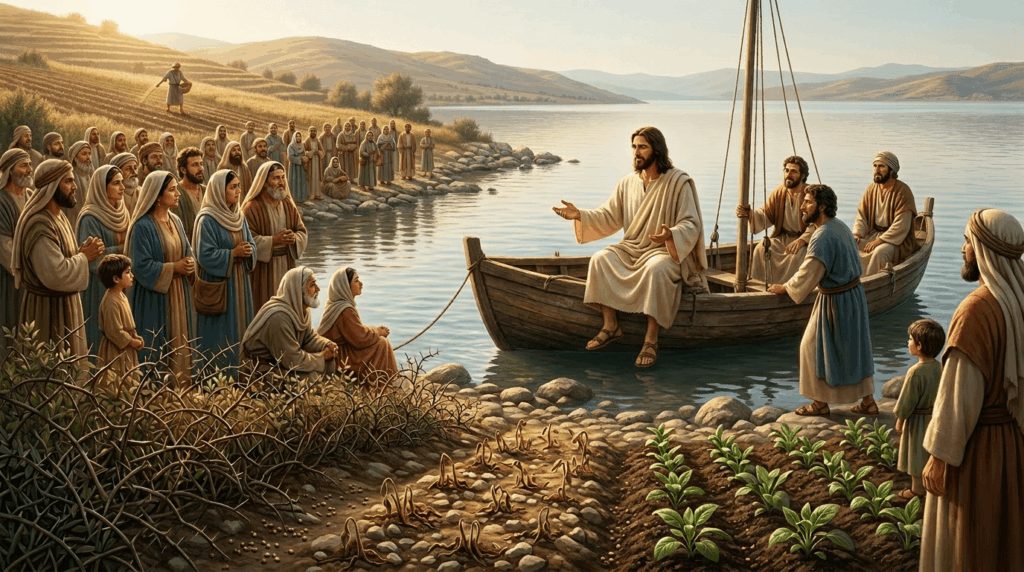
Apostolien mielenkiinto suuntautui siinä määrin vertauksiin, että koko seuraava ilta omistettiin vertauksista käytyyn jatkokeskusteluun. Jeesus alusti illan keskustelun sanomalla: ”Rakkaani, teidän tulee aina osata eriyttää opetuksenne niin, että sovitatte totuuden julkituontinne sen mukaiseksi, minkälaista ajatusmaailmaa kuulijanne edustavat ja minkälainen heidän sydämensä on. Kun seisotte väenpaljouden edessä, joka ei ole älykkyydeltään eikä mielenlaadultaan yhtenäistä, ette voi puhua eri sanoja jokaiselle erilliselle kuulijoiden luokalle, mutta voitte sen sijaan kertoa tarinan, joka välittää opetuksenne. Ja silloin jokaisella ryhmällä, jopa jokaisella yksilöllä, on mahdollisuus tehdä esittämästänne vertauksesta oma tulkintansa omien älyllisten ja hengellisten avujensa mukaisesti. Teidän on määrä antaa valonne loistaa, mutta tehkää se viisaasti ja harkitusti. Ei kukaan, joka sytyttää lampun, peitä sitä astialla tai pane sitä sängyn alle, vaan hän panee lamppunsa lampunjalkaan, jotta kaikki voivat nähdä sen valon. Sanonpa teille, ettei taivaan valtakunnassa ole mitään kätkettyä, jota ei tuotaisi julki; eikä siellä ole mitään salaisuuksia, joita ei lopulta tehtäisi tunnetuiksi. Kaikki nämä seikat tulevat lopulta valoon. Älkää ajatelko pelkästään kansanjoukkoja ja sitä, miten ne kuulevat totuuden, vaan pitäkää vaarin myös itsestänne ja siitä, miten te kuulette. Muistakaa, että olen monta kertaa sanonut teille: Sille, jolla on, annetaan lisää; kun sen sijaan siltä, jolla ei ole, otetaan pois sekin, mitä hän luulee, että hänellä on.”
Vertauksista käyty jatkokeskustelu ja niiden tulkitsemisesta esitetty lisäopetus on tiivistettävissä seuraavankaltaiseksi nykyisen kielenkäytön mukaiseksi esitykseksi:
1. Jeesus neuvoi pidättymään satujen tai allegorioiden käyttämisestä evankeliumin totuuksia opetettaessa. Hän suositteli kuitenkin vertausten, eritoten luontovertausten, runsasta käyttämistä. Hän korosti, miten arvokasta on, että totuuden opettamisen välineenä käytetään luonnonmaailman ja hengenmaailman välillä vallitsevaa analogiaa. Luonnonmaailmasta puhuessaan hän tavan takaa käytti sanoja ”tuo epätodellinen ja ohitse kiitävä henkirealiteettien varjo”.
2. Jeesus esitti heprealaisista kirjoituksista kolme, ehkä neljä, vertausta ja pyysi kiinnittämään huomiota siihen seikkaan, ettei tämä opetusmenetelmä ollut täysin uusi. Siitä tuli kuitenkin lähes uusi opetusmenetelmä, kun hän ryhtyi sitä tästä ajankohdasta alkaen käyttämään.
3. Opettaessaan apostoleille vertausten arvoa Jeesus kehotti kiinnittämään huomiota seuraaviin seikkoihin:
Vertaus antaa mahdollisuuden vedota samanaikaisesti mielen ja hengen tavattoman erilaisiin tasoihin. Vertaus antaa virikkeitä mielikuvitukselle, se haastaa erottamaan oleellisen, ja se panee kriittisen ajattelun liikkeelle. Se edistää myötätuntoa nostattamatta vihamielisyyttä.
Vertaus lähtee liikkeelle asioista, jotka ovat tunnettuja, ja etenee entuudestaan tuntemattoman erottamiseen. Vertaus käyttää hyväkseen sitä, mikä on aineellista ja luonnollista, keinona tutustuttaa siihen, mikä on hengellistä ja aineellisuuden ylittävää.
Vertaukset helpottavat puolueettomien moraalisten päätösten tekemistä. Vertaus tekee tyhjäksi paljon ennakkoluuloa, ja mieleen se istuttaa hellävaraisesti uuden totuuden, ja se tekee tämän kaiken herättämällä mahdollisimman vähän henkilökohtaisesta närkästymisestä johtuvaa puolustautumisenhalua.
Vertauskuvan esiintuomaan analogiaan sisältyvän totuuden torjuminen edellyttää sellaista tietoista älyllistä toimintaa, joka suoranaisesti halveksii sitä, mikä on ihmisen tekemä rehellinen arvio ja mitä hän on rehellisesti päättänyt. Vertaus johdattaa kuuloaistimuksen kautta tapahtuvaan ajatuksen esillepusertamiseen.
Vertauksiin turvautuvan opetusmuodon käyttäminen antaa opettajalle mahdollisuuden esittää uusia ja jopa hätkähdyttäviä totuuksia, samalla kun hän jotakuinkin kokonaan välttyy kaikenlaiselta kiistelyltä ja ulkonaiselta yhteentörmäykseltä perinteen ja vakiintuneen arvovallan kanssa.
Vertaukseen sisältyy vielä sekin etu, että se voimistaa muistikuvaa opetetusta totuudesta, kun myöhemmin joudutaan samankaltaisiin entuudestaan tuttuihin tilanteisiin.
Tällä tavoin Jeesus koetti tutustuttaa seuraajansa moniin niistä syistä, miksi hän yhä enemmän otti tavakseen käyttää julkisessa opetustyössään vertauksia.
Illan opintojen loppupuolella Jeesus kommentoi ensi kerran kylväjävertausta. Hän sanoi, että vertaus viittasi kahteen asiaan: Se oli ensinnäkin katsaus hänen omaan siihenastiseen toimintaansa ja ennuste siitä, mitä hän saattoi odottaa maan päällä vielä viettämältään elämänsä ajalta. Ja toisekseen se oli myös vihje siitä, mitä apostolit ja valtakunnan muut sanansaattajat saattoivat odottaa kohtaavansa, kun he aikojen kuluessa toimisivat tulevien sukupolvien parissa.
Jeesus turvautui vertausten käyttämiseen myös siksi, että hän katsoi ne parhaaksi keinoksi torjua Jerusalemin uskonnollisten johtajien harkiten tehdyn yrityksen opettaa sellaista, että kaikki, mitä hän teki, oli tehty riivaajien ja perkeleiden ruhtinaan avulla. Luontoon vetoaminen suuntautui tuollaista opetusta vastaan, sillä tuolloiset ihmiset katsoivat kaikkien luonnonilmiöiden johtuvan hengellisten olentojen ja yliluonnollisten voimien välittömästä vaikutuksesta. Hän päätti käyttää tätä opetusmenetelmää myös siksi, että se antoi hänelle mahdollisuuden julistaa tärkeitä totuuksia niille, jotka halusivat tietää paremman tien, samalla kun se tarjosi hänen vihamiehilleen vähemmän tilaisuuksia löytää syytä paheksuntaan ja syytösten esittämiseen häntä vastaan.
Ennen kuin Jeesus päästi ryhmän yön ajaksi hajaantumaan, hän sanoi: ”Haluan nyt esittää teille kylväjävertauksen loppuosan. Haluaisin testata teitä saadakseni tietää, miten otatte vastaan seuraavan: Taivaan valtakunta on myös sen miehen kaltainen, joka kylvi maahan hyvää siementä. Ja kun hän öisin nukkui ja toimitti päivisin askareitaan, siemen nousi oraalle ja varttui, ja vaikkei hänellä ollut tietoa, miten se oikein tapahtui, kasvi alkoi kantaa hedelmää. Ensin oli korsi, sitten tuli tähkäpää ja lopulta oli täydet jyvät tähkäpäissä. Ja kun vilja oli kypsää, hän tarttui sirppiin, ja sato oli korjattu. Jolla on korva kuullakseen, hän kuulkoon.”
Moneen kertaan apostolit palasivat mielessään pohtimaan näitä sanoja, mutta Mestari ei koskaan enää maininnut mitään tästä lisäyksestä kylväjävertaukseen.
The apostles were parable-minded, so much so that the whole of the next evening was devoted to the further discussion of parables. Jesus introduced the evening’s conference by saying: “My beloved, you must always make a difference in teaching so as to suit your presentation of truth to the minds and hearts before you. When you stand before a multitude of varying intellects and temperaments, you cannot speak different words for each class of hearers, but you can tell a story to convey your teaching; and each group, even each individual, will be able to make his own interpretation of your parable in accordance with his own intellectual and spiritual endowments. You are to let your light shine but do so with wisdom and discretion. No man, when he lights a lamp, covers it up with a vessel or puts it under the bed; he puts his lamp on a stand where all can behold the light. Let me tell you that nothing is hid in the kingdom of heaven which shall not be made manifest; neither are there any secrets which shall not ultimately be made known. Eventually, all these things shall come to light. Think not only of the multitudes and how they hear the truth; take heed also to yourselves how you hear. Remember that I have many times told you: To him who has shall be given more, while from him who has not shall be taken away even that which he thinks he has.”
The continued discussion of parables and further instruction as to their interpretation may be summarized and expressed in modern phraseology as follows:
1. Jesus advised against the use of either fables or allegories in teaching the truths of the gospel. He did recommend the free use of parables, especially nature parables. He emphasized the value of utilizing the analogy existing between the natural and the spiritual worlds as a means of teaching truth. He frequently alluded to the natural as “the unreal and fleeting shadow of spirit realities.”
2. Jesus narrated three or four parables from the Hebrew scriptures, calling attention to the fact that this method of teaching was not wholly new. However, it became almost a new method of teaching as he employed it from this time onward.
3. In teaching the apostles the value of parables, Jesus called attention to the following points:
The parable provides for a simultaneous appeal to vastly different levels of mind and spirit. The parable stimulates the imagination, challenges the discrimination, and provokes critical thinking; it promotes sympathy without arousing antagonism.
The parable proceeds from the things which are known to the discernment of the unknown. The parable utilizes the material and natural as a means of introducing the spiritual and the supermaterial.
Parables favor the making of impartial moral decisions. The parable evades much prejudice and puts new truth gracefully into the mind and does all this with the arousal of a minimum of the self-defense of personal resentment.
To reject the truth contained in parabolical analogy requires conscious intellectual action which is directly in contempt of one’s honest judgment and fair decision. The parable conduces to the forcing of thought through the sense of hearing.
The use of the parable form of teaching enables the teacher to present new and even startling truths while at the same time he largely avoids all controversy and outward clashing with tradition and established authority.
The parable also possesses the advantage of stimulating the memory of the truth taught when the same familiar scenes are subsequently encountered.
In this way Jesus sought to acquaint his followers with many of the reasons underlying his practice of increasingly using parables in his public teaching.
Toward the close of the evening’s lesson Jesus made his first comment on the parable of the sower. He said the parable referred to two things: First, it was a review of his own ministry up to that time and a forecast of what lay ahead of him for the remainder of his life on earth. And second, it was also a hint as to what the apostles and other messengers of the kingdom might expect in their ministry from generation to generation as time passed.
Jesus also resorted to the use of parables as the best possible refutation of the studied effort of the religious leaders at Jerusalem to teach that all of his work was done by the assistance of demons and the prince of devils. The appeal to nature was in contravention of such teaching since the people of that day looked upon all natural phenomena as the product of the direct act of spiritual beings and supernatural forces. He also determined upon this method of teaching because it enabled him to proclaim vital truths to those who desired to know the better way while at the same time affording his enemies less opportunity to find cause for offense and for accusations against him.
Before he dismissed the group for the night, Jesus said: “Now will I tell you the last of the parable of the sower. I would test you to know how you will receive this: The kingdom of heaven is also like a man who cast good seed upon the earth; and while he slept by night and went about his business by day, the seed sprang up and grew, and although he knew not how it came about, the plant came to fruit. First there was the blade, then the ear, then the full grain in the ear. And then when the grain was ripe, he put forth the sickle, and the harvest was finished. He who has an ear to hear, let him hear.”
Many times did the apostles turn this saying over in their minds, but the Master never made further mention of this addition to the parable of the sower.
SuomiEnglish
Apostolien mielenkiinto suuntautui siinä määrin vertauksiin, että koko seuraava ilta omistettiin vertauksista käytyyn jatkokeskusteluun. Jeesus alusti illan keskustelun sanomalla: ”Rakkaani, teidän tulee aina osata eriyttää opetuksenne niin, että sovitatte totuuden julkituontinne sen mukaiseksi, minkälaista ajatusmaailmaa kuulijanne edustavat ja minkälainen heidän sydämensä on. Kun seisotte väenpaljouden edessä, joka ei ole älykkyydeltään eikä mielenlaadultaan yhtenäistä, ette voi puhua eri sanoja jokaiselle erilliselle kuulijoiden luokalle, mutta voitte sen sijaan kertoa tarinan, joka välittää opetuksenne. Ja silloin jokaisella ryhmällä, jopa jokaisella yksilöllä, on mahdollisuus tehdä esittämästänne vertauksesta oma tulkintansa omien älyllisten ja hengellisten avujensa mukaisesti. Teidän on määrä antaa valonne loistaa, mutta tehkää se viisaasti ja harkitusti. Ei kukaan, joka sytyttää lampun, peitä sitä astialla tai pane sitä sängyn alle, vaan hän panee lamppunsa lampunjalkaan, jotta kaikki voivat nähdä sen valon. Sanonpa teille, ettei taivaan valtakunnassa ole mitään kätkettyä, jota ei tuotaisi julki; eikä siellä ole mitään salaisuuksia, joita ei lopulta tehtäisi tunnetuiksi. Kaikki nämä seikat tulevat lopulta valoon. Älkää ajatelko pelkästään kansanjoukkoja ja sitä, miten ne kuulevat totuuden, vaan pitäkää vaarin myös itsestänne ja siitä, miten te kuulette. Muistakaa, että olen monta kertaa sanonut teille: Sille, jolla on, annetaan lisää; kun sen sijaan siltä, jolla ei ole, otetaan pois sekin, mitä hän luulee, että hänellä on.”
The apostles were parable-minded, so much so that the whole of the next evening was devoted to the further discussion of parables. Jesus introduced the evening’s conference by saying: “My beloved, you must always make a difference in teaching so as to suit your presentation of truth to the minds and hearts before you. When you stand before a multitude of varying intellects and temperaments, you cannot speak different words for each class of hearers, but you can tell a story to convey your teaching; and each group, even each individual, will be able to make his own interpretation of your parable in accordance with his own intellectual and spiritual endowments. You are to let your light shine but do so with wisdom and discretion. No man, when he lights a lamp, covers it up with a vessel or puts it under the bed; he puts his lamp on a stand where all can behold the light. Let me tell you that nothing is hid in the kingdom of heaven which shall not be made manifest; neither are there any secrets which shall not ultimately be made known. Eventually, all these things shall come to light. Think not only of the multitudes and how they hear the truth; take heed also to yourselves how you hear. Remember that I have many times told you: To him who has shall be given more, while from him who has not shall be taken away even that which he thinks he has.”
Vertauksista käyty jatkokeskustelu ja niiden tulkitsemisesta esitetty lisäopetus on tiivistettävissä seuraavankaltaiseksi nykyisen kielenkäytön mukaiseksi esitykseksi:
The continued discussion of parables and further instruction as to their interpretation may be summarized and expressed in modern phraseology as follows:
1. Jeesus neuvoi pidättymään satujen tai allegorioiden käyttämisestä evankeliumin totuuksia opetettaessa. Hän suositteli kuitenkin vertausten, eritoten luontovertausten, runsasta käyttämistä. Hän korosti, miten arvokasta on, että totuuden opettamisen välineenä käytetään luonnonmaailman ja hengenmaailman välillä vallitsevaa analogiaa. Luonnonmaailmasta puhuessaan hän tavan takaa käytti sanoja ”tuo epätodellinen ja ohitse kiitävä henkirealiteettien varjo”.
1. Jesus advised against the use of either fables or allegories in teaching the truths of the gospel. He did recommend the free use of parables, especially nature parables. He emphasized the value of utilizing the analogy existing between the natural and the spiritual worlds as a means of teaching truth. He frequently alluded to the natural as “the unreal and fleeting shadow of spirit realities.”
2. Jeesus esitti heprealaisista kirjoituksista kolme, ehkä neljä, vertausta ja pyysi kiinnittämään huomiota siihen seikkaan, ettei tämä opetusmenetelmä ollut täysin uusi. Siitä tuli kuitenkin lähes uusi opetusmenetelmä, kun hän ryhtyi sitä tästä ajankohdasta alkaen käyttämään.
2. Jesus narrated three or four parables from the Hebrew scriptures, calling attention to the fact that this method of teaching was not wholly new. However, it became almost a new method of teaching as he employed it from this time onward.
3. Opettaessaan apostoleille vertausten arvoa Jeesus kehotti kiinnittämään huomiota seuraaviin seikkoihin:
3. In teaching the apostles the value of parables, Jesus called attention to the following points:
Vertaus antaa mahdollisuuden vedota samanaikaisesti mielen ja hengen tavattoman erilaisiin tasoihin. Vertaus antaa virikkeitä mielikuvitukselle, se haastaa erottamaan oleellisen, ja se panee kriittisen ajattelun liikkeelle. Se edistää myötätuntoa nostattamatta vihamielisyyttä.
The parable provides for a simultaneous appeal to vastly different levels of mind and spirit. The parable stimulates the imagination, challenges the discrimination, and provokes critical thinking; it promotes sympathy without arousing antagonism.
Vertaus lähtee liikkeelle asioista, jotka ovat tunnettuja, ja etenee entuudestaan tuntemattoman erottamiseen. Vertaus käyttää hyväkseen sitä, mikä on aineellista ja luonnollista, keinona tutustuttaa siihen, mikä on hengellistä ja aineellisuuden ylittävää.
The parable proceeds from the things which are known to the discernment of the unknown. The parable utilizes the material and natural as a means of introducing the spiritual and the supermaterial.
Vertaukset helpottavat puolueettomien moraalisten päätösten tekemistä. Vertaus tekee tyhjäksi paljon ennakkoluuloa, ja mieleen se istuttaa hellävaraisesti uuden totuuden, ja se tekee tämän kaiken herättämällä mahdollisimman vähän henkilökohtaisesta närkästymisestä johtuvaa puolustautumisenhalua.
Parables favor the making of impartial moral decisions. The parable evades much prejudice and puts new truth gracefully into the mind and does all this with the arousal of a minimum of the self-defense of personal resentment.
Vertauskuvan esiintuomaan analogiaan sisältyvän totuuden torjuminen edellyttää sellaista tietoista älyllistä toimintaa, joka suoranaisesti halveksii sitä, mikä on ihmisen tekemä rehellinen arvio ja mitä hän on rehellisesti päättänyt. Vertaus johdattaa kuuloaistimuksen kautta tapahtuvaan ajatuksen esillepusertamiseen.
To reject the truth contained in parabolical analogy requires conscious intellectual action which is directly in contempt of one’s honest judgment and fair decision. The parable conduces to the forcing of thought through the sense of hearing.
Vertauksiin turvautuvan opetusmuodon käyttäminen antaa opettajalle mahdollisuuden esittää uusia ja jopa hätkähdyttäviä totuuksia, samalla kun hän jotakuinkin kokonaan välttyy kaikenlaiselta kiistelyltä ja ulkonaiselta yhteentörmäykseltä perinteen ja vakiintuneen arvovallan kanssa.
The use of the parable form of teaching enables the teacher to present new and even startling truths while at the same time he largely avoids all controversy and outward clashing with tradition and established authority.
Vertaukseen sisältyy vielä sekin etu, että se voimistaa muistikuvaa opetetusta totuudesta, kun myöhemmin joudutaan samankaltaisiin entuudestaan tuttuihin tilanteisiin.
The parable also possesses the advantage of stimulating the memory of the truth taught when the same familiar scenes are subsequently encountered.
Tällä tavoin Jeesus koetti tutustuttaa seuraajansa moniin niistä syistä, miksi hän yhä enemmän otti tavakseen käyttää julkisessa opetustyössään vertauksia.
In this way Jesus sought to acquaint his followers with many of the reasons underlying his practice of increasingly using parables in his public teaching.
Illan opintojen loppupuolella Jeesus kommentoi ensi kerran kylväjävertausta. Hän sanoi, että vertaus viittasi kahteen asiaan: Se oli ensinnäkin katsaus hänen omaan siihenastiseen toimintaansa ja ennuste siitä, mitä hän saattoi odottaa maan päällä vielä viettämältään elämänsä ajalta. Ja toisekseen se oli myös vihje siitä, mitä apostolit ja valtakunnan muut sanansaattajat saattoivat odottaa kohtaavansa, kun he aikojen kuluessa toimisivat tulevien sukupolvien parissa.
Toward the close of the evening’s lesson Jesus made his first comment on the parable of the sower. He said the parable referred to two things: First, it was a review of his own ministry up to that time and a forecast of what lay ahead of him for the remainder of his life on earth. And second, it was also a hint as to what the apostles and other messengers of the kingdom might expect in their ministry from generation to generation as time passed.
Jeesus turvautui vertausten käyttämiseen myös siksi, että hän katsoi ne parhaaksi keinoksi torjua Jerusalemin uskonnollisten johtajien harkiten tehdyn yrityksen opettaa sellaista, että kaikki, mitä hän teki, oli tehty riivaajien ja perkeleiden ruhtinaan avulla. Luontoon vetoaminen suuntautui tuollaista opetusta vastaan, sillä tuolloiset ihmiset katsoivat kaikkien luonnonilmiöiden johtuvan hengellisten olentojen ja yliluonnollisten voimien välittömästä vaikutuksesta. Hän päätti käyttää tätä opetusmenetelmää myös siksi, että se antoi hänelle mahdollisuuden julistaa tärkeitä totuuksia niille, jotka halusivat tietää paremman tien, samalla kun se tarjosi hänen vihamiehilleen vähemmän tilaisuuksia löytää syytä paheksuntaan ja syytösten esittämiseen häntä vastaan.
Jesus also resorted to the use of parables as the best possible refutation of the studied effort of the religious leaders at Jerusalem to teach that all of his work was done by the assistance of demons and the prince of devils. The appeal to nature was in contravention of such teaching since the people of that day looked upon all natural phenomena as the product of the direct act of spiritual beings and supernatural forces. He also determined upon this method of teaching because it enabled him to proclaim vital truths to those who desired to know the better way while at the same time affording his enemies less opportunity to find cause for offense and for accusations against him.
Ennen kuin Jeesus päästi ryhmän yön ajaksi hajaantumaan, hän sanoi: ”Haluan nyt esittää teille kylväjävertauksen loppuosan. Haluaisin testata teitä saadakseni tietää, miten otatte vastaan seuraavan: Taivaan valtakunta on myös sen miehen kaltainen, joka kylvi maahan hyvää siementä. Ja kun hän öisin nukkui ja toimitti päivisin askareitaan, siemen nousi oraalle ja varttui, ja vaikkei hänellä ollut tietoa, miten se oikein tapahtui, kasvi alkoi kantaa hedelmää. Ensin oli korsi, sitten tuli tähkäpää ja lopulta oli täydet jyvät tähkäpäissä. Ja kun vilja oli kypsää, hän tarttui sirppiin, ja sato oli korjattu. Jolla on korva kuullakseen, hän kuulkoon.”
Before he dismissed the group for the night, Jesus said: “Now will I tell you the last of the parable of the sower. I would test you to know how you will receive this: The kingdom of heaven is also like a man who cast good seed upon the earth; and while he slept by night and went about his business by day, the seed sprang up and grew, and although he knew not how it came about, the plant came to fruit. First there was the blade, then the ear, then the full grain in the ear. And then when the grain was ripe, he put forth the sickle, and the harvest was finished. He who has an ear to hear, let him hear.”
Moneen kertaan apostolit palasivat mielessään pohtimaan näitä sanoja, mutta Mestari ei koskaan enää maininnut mitään tästä lisäyksestä kylväjävertaukseen.
Many times did the apostles turn this saying over in their minds, but the Master never made further mention of this addition to the parable of the sower.