
Teksti
Tausta
Näytä
Lisäasetukset
Kieli
Urantia Opas
Kysy kirjan sisällöstä. Opas vastaa Book Enginen omien lähdekohtien perusteella ja ohjaa sinut lukemaan ne.
Hei! 🙏
Olen sinun Urantia-oppaasi. Tehtäväni on auttaa sinua löytämään oikeat kohdat Urantia-kirjasta ja ymmärtämään sen opetuksia syvemmin. 😊❤️
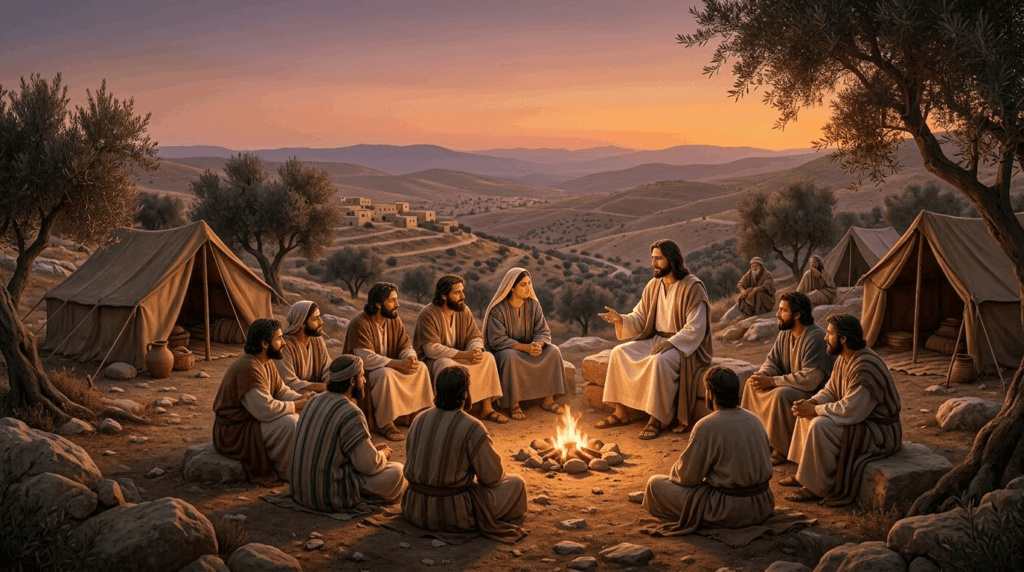
Lokakuun ensimmäisen päivän tietämissä Filippus ja muutamat hänen apostolitovereistaan olivat lähiseudun kylässä ostamassa ruokaa, kun he tapasivat joitakuita Johannes Kastajan apostoleja. Tämä kauppatorilla sattumoisin tapahtunut kohtaaminen johti Gilboan leirissä pidettyyn kolmiviikkoiseen neuvotteluun Jeesuksen apostolien ja Johanneksen apostolien välillä, sillä Johannes oli Jeesuksen antaman esikuvan mukaisesti hiljattain nimittänyt kaksitoista opetuslastensa johtajaa apostoleiksi. Johannes oli tehnyt sen uskollisten kannattajiensa päällikön, Abnerin, kehotuksesta. Tämän yhteisneuvottelun ensimmäisen viikon ajan Jeesus oli läsnä Gilboan leirissä, mutta ei enää kahtena viimeisenä viikkona.
Tämän kuukauden toisen viikon alkuun mennessä Abner oli kerännyt kaikki toverinsa Gilboan leiriin ja oli valmis ryhtymään neuvonpitoon Jeesuksen apostolien kanssa. Kolmen viikon ajan nämä kaksikymmentäneljä miestä istuivat neuvottelemassa kolme kertaa päivässä jokaisen viikon kuutena päivänä. Ensimmäisen viikon aikana Jeesus seurusteli heidän kanssaan heidän aamupäivä-, iltapäivä- ja iltaistuntojensa välillä. He halusivat Mestarin olevan mukana heidän kokouksessaan ja toimivan puheenjohtajana heidän yhteispohdinnoissaan, mutta vankkumattomasti hän kieltäytyi ottamasta osaa heidän keskusteluihinsa, vaikka hän kolmeen otteeseen suostuikin puhumaan heille. Nämä Jeesuksen kahdellekymmenelleneljälle apostolille pitämät puheet käsittelivät myötätuntoa, yhteistoimintaa ja suvaitsevuutta.
Andreas ja Abner toimivat vuoronperään näiden kahden apostoliryhmän yhteiskokousten puheenjohtajana. Näillä miehillä oli käsiteltävänään paljon ongelmia ja ratkaistavanaan lukuisia pulmia. Kerran toisensa jälkeen he tulivat huolineen Jeesuksen puheille vain kuullakseen hänen sanovan: ”Minua kiinnostavat vain henkilökohtaiset ja puhtaasti uskonnolliset ongelmanne. Edustan Isää yksilölle, en ryhmälle. Jos teillä on henkilökohtaisia vaikeuksia suhteissanne Jumalaan, tulkaa luokseni, ja kuuntelen teitä ja annan teille neuvoja pulmanne ratkaisemisessa. Mutta kun ryhdytte sovittamaan yhteen toisistaan poikkeavia ihmisten tekemiä tulkintoja uskonnollisista kysymyksistä ja sosiaalistamaan uskontoa, kaikki sellaiset ongelmat teidän on määrä ratkaista itse tekemillänne päätöksillä. Olen siitä huolimatta poikkeuksetta myötätuntoinen ja aina kiinnostunut, ja kun teette johtopäätöksenne näistä asioista, jotka eivät ole hengellisesti tärkeitä, silloin minä, mikäli olette kaikki yksimielisiä, lupaan etukäteen antaa sille täyden hyväksymiseni ja innostuneen tukeni. Ja jotta teillä olisi rikkumaton harkintarauha, poistun nyt luotanne kahden viikon ajaksi. Älkää olko minusta huolissanne, sillä palaan luoksenne. Olen toimittamassa Isäni asioita, sillä tämän maailman lisäksi meillä on muitakin maailmoja.”
Näin sanottuaan Jeesus asteli alas vuorenrinnettä, eivätkä he nähneet häntä kahteen kokonaiseen viikkoon. Eivätkä he koskaan tulleet tietämään, minne hän meni tai mitä hän näiden päivien aikana teki. Kesti jonkin aikaa, ennen kuin nämä kaksikymmentäneljä apostolia kykenivät aloittamaan ongelmiensa vakavan käsittelyn, niin hämmentyneitä he olivat Mestarin poissaolosta. Viikon sisällä he kuitenkin olivat taas keskellä kiivainta väittelyä, eivätkä he voineet mennä pyytämään Jeesukselta apua.
Ensimmäinen kysymys, josta ryhmä oli yhtä mieltä, oli se, että he ottivat omakseen Jeesuksen vastikään heille opettaman rukouksen. Yksimielisen äänestyksen jälkeen tämä rukous päätettiin hyväksyä rukoukseksi, jonka kumpikin apostoliryhmä opettaisi uskoville.
Seuraavaksi he tekivät päätöksen siitä, että niin kauan kuin Johannes oli elossa, olipa hän vankilassa tai ei, kumpikin kahdentoista apostolin ryhmä jatkaisi omaa toimintaansa ja että joka kolmas kuukausi pidettäisiin viikon pituinen yhteiskokous, jonka pitopaikasta päätettäisiin joka kerta erikseen.
Mutta vakavin kaikista heidän ongelmistaan oli kysymys kasteesta. Heidän vaikeuksiaan pahensi vielä lisäksi se, ettei Jeesus ollut suostunut lausumaan mitään tästä asiasta. Lopulta he sopivat seuraavasta: Niin kauan kuin Johannes oli elossa tai siihen saakka kunnes he mahdollisesti yhdessä muuttaisivat tätä päätöstä, vain Johanneksen apostolit kastaisivat uskovia ja vain Jeesuksen apostolit antaisivat lopullisia neuvoja uusille uskoville. Niin sitten tästä ajankohdasta alkaen aina Johanneksen kuoleman jälkeiseen aikaan saakka Jeesuksen ja hänen apostoliensa seurassa oli kaksi Johanneksen apostolia kastamassa uskovia, sillä yhteisneuvosto oli yksimielisesti päättänyt, että kasteesta tulisi ensi askel, jolla asianomainen ulkonaisesti kytkeytyi valtakunnan asioihin.
Seuraavaksi sovittiin siitä, että mikäli Johannes kuolee, Johanneksen apostolit ilmoittautuisivat Jeesukselle, ja heistä tulisi hänen johtonsa alaisia, ja että he eivät enää kastaisi, elleivät Jeesus tai hänen apostolinsa antaisi siihen valtuutusta.
Ja sitten päätettiin, että mikäli Johannes kuolee, Jeesuksen apostolit ryhtyisivät kastamaan vedellä tunnusmerkkinä jumalallisen Hengen kasteesta. Se, pitäisikö katumus liittää kastesaarnaan vaiko ei, jätettiin valinnanvaraiseksi; asiasta ei tehty ryhmää sitovaa päätöstä. Johanneksen apostolit saarnasivat: ”Katukaa ja ottakaa kaste.” Jeesuksen apostolit julistivat: ”Uskokaa ja ottakaa kaste.”
Ja tällainen on kertomus Jeesuksen seuraajien ensimmäisestä yrityksestä koordinoida toisistaan poikkeavia ponnisteluja, sovittaa mielipide-eroja, organisoida ryhmähankkeita, laatia säännöksiä ulkonaisista menoista ja sosiaalistaa henkilökohtaisia uskonnollisia käytäntöjä.
Pohdittiin monia muita vähäisempiä asioita, ja niiden ratkaisusta tehtiin yksimieliset päätökset. Nämä kaksikymmentäneljä miestä saivat tosiaan merkittävän kokemuksen näiden kahden viikon aikana, jolloin heidän oli pakko Jeesuksen poissa ollessa katsoa ongelmia silmästä silmään ja sovitella vaikeuksia. He oppivat olemaan eri mieltä, väittelemään, kiistelemään, rukoilemaan ja tekemään myönnytyksiä, ja tekemään kaiken tämän suhtautumalla edelleenkin myötätuntoisesti toisen henkilön näkemyksiin ja ylläpitämällä ainakin jonkinmääräistä suvaitsevaisuutta tämän toisen henkilön rehellisiä mielipiteitä kohtaan.
Sinä iltapäivänä, jolloin he olivat käyneet loppukeskusteluaan raha-asioista, Jeesus palasi, kuuli heidän pohdinnoistaan, kuuli heidän päätöksensä ja sanoi: ”Nämä siis ovat johtopäätöksenne, ja autan teitä jokaista toteuttamaan sen, mikä on yhteisten päätöstenne henki.”
Kaksi ja puoli kuukautta tämän jälkeen Johannes teloitettiin, ja koko tämän ajanjakson Johanneksen apostolit pysyivät Jeesuksen ja kahdentoista apostolin seurassa. He työskentelivät kaikki yhdessä ja kastoivat uskovia tämän Dekapoliin kaupungeissa suoritetun työrupeaman aikana. Gilboan leiri purettiin marraskuun 2. päivänä vuonna 27 jKr.
Around the first of October, Philip and some of his fellow apostles were in a near-by village buying food when they met some of the apostles of John the Baptist. As a result of this chance meeting in the market place there came about a three weeks’ conference at the Gilboa camp between the apostles of Jesus and the apostles of John, for John had recently appointed twelve of his leaders to be apostles, following the precedent of Jesus. John had done this in response to the urging of Abner, the chief of his loyal supporters. Jesus was present at the Gilboa camp throughout the first week of this joint conference but absented himself the last two weeks.
By the beginning of the second week of this month, Abner had assembled all of his associates at the Gilboa camp and was prepared to go into council with the apostles of Jesus. For three weeks these twenty-four men were in session three times a day and for six days each week. The first week Jesus mingled with them between their forenoon, afternoon, and evening sessions. They wanted the Master to meet with them and preside over their joint deliberations, but he steadfastly refused to participate in their discussions, though he did consent to speak to them on three occasions. These talks by Jesus to the twenty-four were on sympathy, co-operation, and tolerance.
Andrew and Abner alternated in presiding over these joint meetings of the two apostolic groups. These men had many difficulties to discuss and numerous problems to solve. Again and again would they take their troubles to Jesus, only to hear him say: “I am concerned only with your personal and purely religious problems. I am the representative of the Father to the individual, not to the group. If you are in personal difficulty in your relations with God, come to me, and I will hear you and counsel you in the solution of your problem. But when you enter upon the co-ordination of divergent human interpretations of religious questions and upon the socialization of religion, you are destined to solve all such problems by your own decisions. Albeit, I am ever sympathetic and always interested, and when you arrive at your conclusions touching these matters of nonspiritual import, provided you are all agreed, then I pledge in advance my full approval and hearty co-operation. And now, in order to leave you unhampered in your deliberations, I am leaving you for two weeks. Be not anxious about me, for I will return to you. I will be about my Father’s business, for we have other realms besides this one.”
After thus speaking, Jesus went down the mountainside, and they saw him no more for two full weeks. And they never knew where he went or what he did during these days. It was some time before the twenty-four could settle down to the serious consideration of their problems, they were so disconcerted by the absence of the Master. However, within a week they were again in the heart of their discussions, and they could not go to Jesus for help.
The first item the group agreed upon was the adoption of the prayer which Jesus had so recently taught them. It was unanimously voted to accept this prayer as the one to be taught believers by both groups of apostles.
They next decided that, as long as John lived, whether in prison or out, both groups of twelve apostles would go on with their work, and that joint meetings for one week would be held every three months at places to be agreed upon from time to time.
But the most serious of all their problems was the question of baptism. Their difficulties were all the more aggravated because Jesus had refused to make any pronouncement upon the subject. They finally agreed: As long as John lived, or until they might jointly modify this decision, only the apostles of John would baptize believers, and only the apostles of Jesus would finally instruct the new disciples. Accordingly, from that time until after the death of John, two of the apostles of John accompanied Jesus and his apostles to baptize believers, for the joint council had unanimously voted that baptism was to become the initial step in the outward alliance with the affairs of the kingdom.
It was next agreed, in case of the death of John, that the apostles of John would present themselves to Jesus and become subject to his direction, and that they would baptize no more unless authorized by Jesus or his apostles.
And then was it voted that, in case of John’s death, the apostles of Jesus would begin to baptize with water as the emblem of the baptism of the divine Spirit. As to whether or not repentance should be attached to the preaching of baptism was left optional; no decision was made binding upon the group. John’s apostles preached, “Repent and be baptized.” Jesus’ apostles proclaimed, “Believe and be baptized.”
And this is the story of the first attempt of Jesus’ followers to co-ordinate divergent efforts, compose differences of opinion, organize group undertakings, legislate on outward observances, and socialize personal religious practices.
Many other minor matters were considered and their solutions unanimously agreed upon. These twenty-four men had a truly remarkable experience these two weeks when they were compelled to face problems and compose difficulties without Jesus. They learned to differ, to debate, to contend, to pray, and to compromise, and throughout it all to remain sympathetic with the other person’s viewpoint and to maintain at least some degree of tolerance for his honest opinions.
On the afternoon of their final discussion of financial questions, Jesus returned, heard of their deliberations, listened to their decisions, and said: “These, then, are your conclusions, and I shall help you each to carry out the spirit of your united decisions.”
Two months and a half from this time John was executed, and throughout this period the apostles of John remained with Jesus and the twelve. They all worked together and baptized believers during this season of labor in the cities of the Decapolis. The Gilboa camp was broken up on November 2, a.d. 27.
SuomiEnglish
Lokakuun ensimmäisen päivän tietämissä Filippus ja muutamat hänen apostolitovereistaan olivat lähiseudun kylässä ostamassa ruokaa, kun he tapasivat joitakuita Johannes Kastajan apostoleja. Tämä kauppatorilla sattumoisin tapahtunut kohtaaminen johti Gilboan leirissä pidettyyn kolmiviikkoiseen neuvotteluun Jeesuksen apostolien ja Johanneksen apostolien välillä, sillä Johannes oli Jeesuksen antaman esikuvan mukaisesti hiljattain nimittänyt kaksitoista opetuslastensa johtajaa apostoleiksi. Johannes oli tehnyt sen uskollisten kannattajiensa päällikön, Abnerin, kehotuksesta. Tämän yhteisneuvottelun ensimmäisen viikon ajan Jeesus oli läsnä Gilboan leirissä, mutta ei enää kahtena viimeisenä viikkona.
Around the first of October, Philip and some of his fellow apostles were in a near-by village buying food when they met some of the apostles of John the Baptist. As a result of this chance meeting in the market place there came about a three weeks’ conference at the Gilboa camp between the apostles of Jesus and the apostles of John, for John had recently appointed twelve of his leaders to be apostles, following the precedent of Jesus. John had done this in response to the urging of Abner, the chief of his loyal supporters. Jesus was present at the Gilboa camp throughout the first week of this joint conference but absented himself the last two weeks.
Tämän kuukauden toisen viikon alkuun mennessä Abner oli kerännyt kaikki toverinsa Gilboan leiriin ja oli valmis ryhtymään neuvonpitoon Jeesuksen apostolien kanssa. Kolmen viikon ajan nämä kaksikymmentäneljä miestä istuivat neuvottelemassa kolme kertaa päivässä jokaisen viikon kuutena päivänä. Ensimmäisen viikon aikana Jeesus seurusteli heidän kanssaan heidän aamupäivä-, iltapäivä- ja iltaistuntojensa välillä. He halusivat Mestarin olevan mukana heidän kokouksessaan ja toimivan puheenjohtajana heidän yhteispohdinnoissaan, mutta vankkumattomasti hän kieltäytyi ottamasta osaa heidän keskusteluihinsa, vaikka hän kolmeen otteeseen suostuikin puhumaan heille. Nämä Jeesuksen kahdellekymmenelleneljälle apostolille pitämät puheet käsittelivät myötätuntoa, yhteistoimintaa ja suvaitsevuutta.
By the beginning of the second week of this month, Abner had assembled all of his associates at the Gilboa camp and was prepared to go into council with the apostles of Jesus. For three weeks these twenty-four men were in session three times a day and for six days each week. The first week Jesus mingled with them between their forenoon, afternoon, and evening sessions. They wanted the Master to meet with them and preside over their joint deliberations, but he steadfastly refused to participate in their discussions, though he did consent to speak to them on three occasions. These talks by Jesus to the twenty-four were on sympathy, co-operation, and tolerance.
Andreas ja Abner toimivat vuoronperään näiden kahden apostoliryhmän yhteiskokousten puheenjohtajana. Näillä miehillä oli käsiteltävänään paljon ongelmia ja ratkaistavanaan lukuisia pulmia. Kerran toisensa jälkeen he tulivat huolineen Jeesuksen puheille vain kuullakseen hänen sanovan: ”Minua kiinnostavat vain henkilökohtaiset ja puhtaasti uskonnolliset ongelmanne. Edustan Isää yksilölle, en ryhmälle. Jos teillä on henkilökohtaisia vaikeuksia suhteissanne Jumalaan, tulkaa luokseni, ja kuuntelen teitä ja annan teille neuvoja pulmanne ratkaisemisessa. Mutta kun ryhdytte sovittamaan yhteen toisistaan poikkeavia ihmisten tekemiä tulkintoja uskonnollisista kysymyksistä ja sosiaalistamaan uskontoa, kaikki sellaiset ongelmat teidän on määrä ratkaista itse tekemillänne päätöksillä. Olen siitä huolimatta poikkeuksetta myötätuntoinen ja aina kiinnostunut, ja kun teette johtopäätöksenne näistä asioista, jotka eivät ole hengellisesti tärkeitä, silloin minä, mikäli olette kaikki yksimielisiä, lupaan etukäteen antaa sille täyden hyväksymiseni ja innostuneen tukeni. Ja jotta teillä olisi rikkumaton harkintarauha, poistun nyt luotanne kahden viikon ajaksi. Älkää olko minusta huolissanne, sillä palaan luoksenne. Olen toimittamassa Isäni asioita, sillä tämän maailman lisäksi meillä on muitakin maailmoja.”
Andrew and Abner alternated in presiding over these joint meetings of the two apostolic groups. These men had many difficulties to discuss and numerous problems to solve. Again and again would they take their troubles to Jesus, only to hear him say: “I am concerned only with your personal and purely religious problems. I am the representative of the Father to the individual, not to the group. If you are in personal difficulty in your relations with God, come to me, and I will hear you and counsel you in the solution of your problem. But when you enter upon the co-ordination of divergent human interpretations of religious questions and upon the socialization of religion, you are destined to solve all such problems by your own decisions. Albeit, I am ever sympathetic and always interested, and when you arrive at your conclusions touching these matters of nonspiritual import, provided you are all agreed, then I pledge in advance my full approval and hearty co-operation. And now, in order to leave you unhampered in your deliberations, I am leaving you for two weeks. Be not anxious about me, for I will return to you. I will be about my Father’s business, for we have other realms besides this one.”
Näin sanottuaan Jeesus asteli alas vuorenrinnettä, eivätkä he nähneet häntä kahteen kokonaiseen viikkoon. Eivätkä he koskaan tulleet tietämään, minne hän meni tai mitä hän näiden päivien aikana teki. Kesti jonkin aikaa, ennen kuin nämä kaksikymmentäneljä apostolia kykenivät aloittamaan ongelmiensa vakavan käsittelyn, niin hämmentyneitä he olivat Mestarin poissaolosta. Viikon sisällä he kuitenkin olivat taas keskellä kiivainta väittelyä, eivätkä he voineet mennä pyytämään Jeesukselta apua.
After thus speaking, Jesus went down the mountainside, and they saw him no more for two full weeks. And they never knew where he went or what he did during these days. It was some time before the twenty-four could settle down to the serious consideration of their problems, they were so disconcerted by the absence of the Master. However, within a week they were again in the heart of their discussions, and they could not go to Jesus for help.
Ensimmäinen kysymys, josta ryhmä oli yhtä mieltä, oli se, että he ottivat omakseen Jeesuksen vastikään heille opettaman rukouksen. Yksimielisen äänestyksen jälkeen tämä rukous päätettiin hyväksyä rukoukseksi, jonka kumpikin apostoliryhmä opettaisi uskoville.
The first item the group agreed upon was the adoption of the prayer which Jesus had so recently taught them. It was unanimously voted to accept this prayer as the one to be taught believers by both groups of apostles.
Seuraavaksi he tekivät päätöksen siitä, että niin kauan kuin Johannes oli elossa, olipa hän vankilassa tai ei, kumpikin kahdentoista apostolin ryhmä jatkaisi omaa toimintaansa ja että joka kolmas kuukausi pidettäisiin viikon pituinen yhteiskokous, jonka pitopaikasta päätettäisiin joka kerta erikseen.
They next decided that, as long as John lived, whether in prison or out, both groups of twelve apostles would go on with their work, and that joint meetings for one week would be held every three months at places to be agreed upon from time to time.
Mutta vakavin kaikista heidän ongelmistaan oli kysymys kasteesta. Heidän vaikeuksiaan pahensi vielä lisäksi se, ettei Jeesus ollut suostunut lausumaan mitään tästä asiasta. Lopulta he sopivat seuraavasta: Niin kauan kuin Johannes oli elossa tai siihen saakka kunnes he mahdollisesti yhdessä muuttaisivat tätä päätöstä, vain Johanneksen apostolit kastaisivat uskovia ja vain Jeesuksen apostolit antaisivat lopullisia neuvoja uusille uskoville. Niin sitten tästä ajankohdasta alkaen aina Johanneksen kuoleman jälkeiseen aikaan saakka Jeesuksen ja hänen apostoliensa seurassa oli kaksi Johanneksen apostolia kastamassa uskovia, sillä yhteisneuvosto oli yksimielisesti päättänyt, että kasteesta tulisi ensi askel, jolla asianomainen ulkonaisesti kytkeytyi valtakunnan asioihin.
But the most serious of all their problems was the question of baptism. Their difficulties were all the more aggravated because Jesus had refused to make any pronouncement upon the subject. They finally agreed: As long as John lived, or until they might jointly modify this decision, only the apostles of John would baptize believers, and only the apostles of Jesus would finally instruct the new disciples. Accordingly, from that time until after the death of John, two of the apostles of John accompanied Jesus and his apostles to baptize believers, for the joint council had unanimously voted that baptism was to become the initial step in the outward alliance with the affairs of the kingdom.
Seuraavaksi sovittiin siitä, että mikäli Johannes kuolee, Johanneksen apostolit ilmoittautuisivat Jeesukselle, ja heistä tulisi hänen johtonsa alaisia, ja että he eivät enää kastaisi, elleivät Jeesus tai hänen apostolinsa antaisi siihen valtuutusta.
It was next agreed, in case of the death of John, that the apostles of John would present themselves to Jesus and become subject to his direction, and that they would baptize no more unless authorized by Jesus or his apostles.
Ja sitten päätettiin, että mikäli Johannes kuolee, Jeesuksen apostolit ryhtyisivät kastamaan vedellä tunnusmerkkinä jumalallisen Hengen kasteesta. Se, pitäisikö katumus liittää kastesaarnaan vaiko ei, jätettiin valinnanvaraiseksi; asiasta ei tehty ryhmää sitovaa päätöstä. Johanneksen apostolit saarnasivat: ”Katukaa ja ottakaa kaste.” Jeesuksen apostolit julistivat: ”Uskokaa ja ottakaa kaste.”
And then was it voted that, in case of John’s death, the apostles of Jesus would begin to baptize with water as the emblem of the baptism of the divine Spirit. As to whether or not repentance should be attached to the preaching of baptism was left optional; no decision was made binding upon the group. John’s apostles preached, “Repent and be baptized.” Jesus’ apostles proclaimed, “Believe and be baptized.”
Ja tällainen on kertomus Jeesuksen seuraajien ensimmäisestä yrityksestä koordinoida toisistaan poikkeavia ponnisteluja, sovittaa mielipide-eroja, organisoida ryhmähankkeita, laatia säännöksiä ulkonaisista menoista ja sosiaalistaa henkilökohtaisia uskonnollisia käytäntöjä.
And this is the story of the first attempt of Jesus’ followers to co-ordinate divergent efforts, compose differences of opinion, organize group undertakings, legislate on outward observances, and socialize personal religious practices.
Pohdittiin monia muita vähäisempiä asioita, ja niiden ratkaisusta tehtiin yksimieliset päätökset. Nämä kaksikymmentäneljä miestä saivat tosiaan merkittävän kokemuksen näiden kahden viikon aikana, jolloin heidän oli pakko Jeesuksen poissa ollessa katsoa ongelmia silmästä silmään ja sovitella vaikeuksia. He oppivat olemaan eri mieltä, väittelemään, kiistelemään, rukoilemaan ja tekemään myönnytyksiä, ja tekemään kaiken tämän suhtautumalla edelleenkin myötätuntoisesti toisen henkilön näkemyksiin ja ylläpitämällä ainakin jonkinmääräistä suvaitsevaisuutta tämän toisen henkilön rehellisiä mielipiteitä kohtaan.
Many other minor matters were considered and their solutions unanimously agreed upon. These twenty-four men had a truly remarkable experience these two weeks when they were compelled to face problems and compose difficulties without Jesus. They learned to differ, to debate, to contend, to pray, and to compromise, and throughout it all to remain sympathetic with the other person’s viewpoint and to maintain at least some degree of tolerance for his honest opinions.
Sinä iltapäivänä, jolloin he olivat käyneet loppukeskusteluaan raha-asioista, Jeesus palasi, kuuli heidän pohdinnoistaan, kuuli heidän päätöksensä ja sanoi: ”Nämä siis ovat johtopäätöksenne, ja autan teitä jokaista toteuttamaan sen, mikä on yhteisten päätöstenne henki.”
On the afternoon of their final discussion of financial questions, Jesus returned, heard of their deliberations, listened to their decisions, and said: “These, then, are your conclusions, and I shall help you each to carry out the spirit of your united decisions.”
Kaksi ja puoli kuukautta tämän jälkeen Johannes teloitettiin, ja koko tämän ajanjakson Johanneksen apostolit pysyivät Jeesuksen ja kahdentoista apostolin seurassa. He työskentelivät kaikki yhdessä ja kastoivat uskovia tämän Dekapoliin kaupungeissa suoritetun työrupeaman aikana. Gilboan leiri purettiin marraskuun 2. päivänä vuonna 27 jKr.
Two months and a half from this time John was executed, and throughout this period the apostles of John remained with Jesus and the twelve. They all worked together and baptized believers during this season of labor in the cities of the Decapolis. The Gilboa camp was broken up on November 2, a.d. 27.