
Teksti
Tausta
Näytä
Lisäasetukset
Kieli
Urantia Opas
Kysy kirjan sisällöstä. Opas vastaa Book Enginen omien lähdekohtien perusteella ja ohjaa sinut lukemaan ne.
Hei! 🙏
Olen sinun Urantia-oppaasi. Tehtäväni on auttaa sinua löytämään oikeat kohdat Urantia-kirjasta ja ymmärtämään sen opetuksia syvemmin. 😊❤️
Sijaintipaikkakomitea oli poissa lähes kolme vuotta. Se antoi hanketta ajatellen myönteisen selvityksen kolmesta mahdollisesta kohteesta: Ensimmäinen niistä oli muuan Persianlahden saari; toinen oli se joenvarsiseutu, joka myöhemmin asutettiin toisena puutarhana; kolmas kohde oli pitkä, kapea niemimaa – melkein saari – joka työntyi länteen Välimeren itärannikosta.
Komitea oli miltei yksimielisesti kolmannen vaihtoehdon kannalla. Ja tämä sijaintipaikka sitten valittiinkin, ja kaksi vuotta kului maailman kulttuuripäämajan, jonka mukana tuli myös elämänpuu, siirtämiseen tälle Välimeren niemimaalle. Yhtä niemimaan asukkaiden ryhmää lukuun ottamatta kaikki asukkaat vetäytyivät rauhallisesti pois niemimaalta, kun Van ja hänen seurueensa saapuivat.
Tällä Välimeren niemimaalla vallitsi terveellinen ilmasto ja tasainen lämpötila. Tämä vakaa ilmanala johtui ympäröivistä vuorista sekä siitä, että kyseinen alue oli itse asiassa sisämeren saari. Vaikka ympäröivillä ylänkömailla satoi runsaasti, varsinaisessa Eedenissä sateita oli harvoin. Mutta joka yö ”nousi sumu” laajasta kastelukanavien verkostosta virkistämään puutarhan kasvillisuutta.
Tämän maa-alueen rantaviiva nousi melko korkealle, ja niemimaan mantereeseen yhdistänyt kaulaosa oli kapeimmalta kohdaltaan vain neljänkymmenenkolmen kilometrin levyinen. Suuri joki, joka juoksutti vettä puutarhaan, sai alkunsa niemimaan korkeimmilta alueilta ja virtasi niemimaan kaulaosan kautta mantereelle ja sieltä edelleen Mesopotamian alangon poikki sen takana olevaan mereen. Siihen liittyi neljä sivujokea, joiden alkulähteet olivat Eedenin niemimaan rannikkokukkuloilla, ja nämä ovat ne sen joen ”neljä alkuhaaraa”, jotka ”lähtivät Eedenistä” ja jotka myöhemmissä tarinoissa sekoitettiin toista puutarhaa ympäröineiden jokien sivuhaaroihin.
Puutarhaa ympäröivissä vuorissa oli runsaasti arvokkaita kivilajeja ja metalleja, vaikka niille osoitettiinkin varsin vähän huomiota. Hallitsevana ajatuksena oli tehdä puutarhasta paikka, joka nostaisi puutarhanhoidon kunniaan ja korottaisi maanviljelyn arvostuksen korkealle.
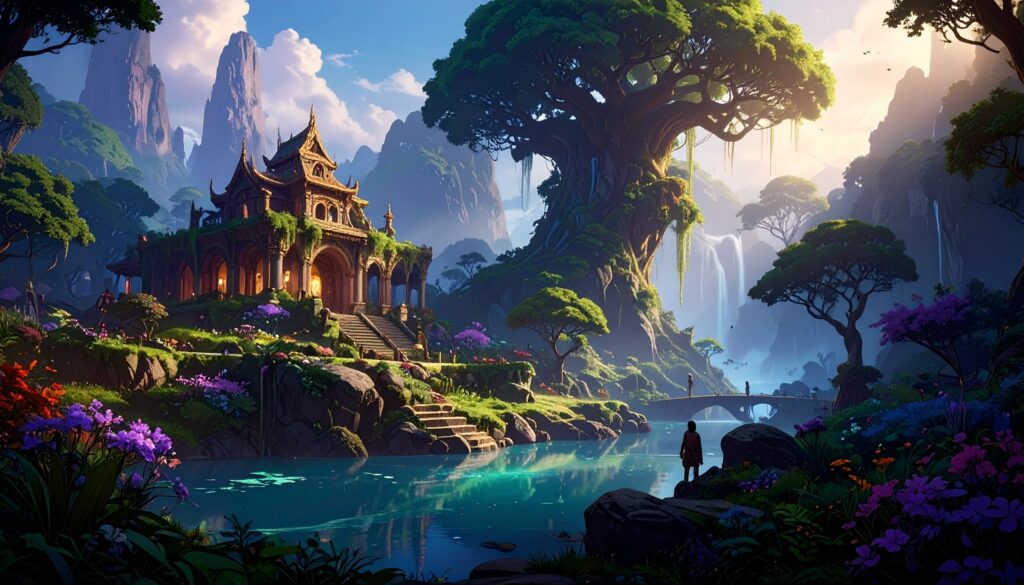
Puutarhalle valittu paikka oli luultavasti lajissaan kaunein koko maailmassa, ja ilmasto oli siihen aikaan ihanteellinen. Missään muualla ei ollut paikkaa, joka olisi niin täydellisesti soveltunut tällaiseksi kasvullisuuden paratiisiksi. Urantian sivilisaation parhaimmisto alkoi kerääntyä tälle kohtauspaikalle. Sen rajojen ulkopuolella maailma eli pimeydessä, tietämättömyydessä ja raakalaisuudessa. Eeden oli Urantian ainoa kirkas kohta. Luontonsa puolesta se oli kuin ihana unelma, ja pian siitä muovautui hienon hieno, maiseman täyteläisen loiston virittämä runo.
The committee on location was absent for almost three years. It reported favorably concerning three possible locations: The first was an island in the Persian Gulf; the second, the river location subsequently occupied as the second garden; the third, a long narrow peninsula—almost an island—projecting westward from the eastern shores of the Mediterranean Sea.
The committee almost unanimously favored the third selection. This site was chosen, and two years were occupied in transferring the world’s cultural headquarters, including the tree of life, to this Mediterranean peninsula. All but a single group of the peninsula dwellers peaceably vacated when Van and his company arrived.
This Mediterranean peninsula had a salubrious climate and an equable temperature; this stabilized weather was due to the encircling mountains and to the fact that this area was virtually an island in an inland sea. While it rained copiously on the surrounding highlands, it seldom rained in Eden proper. But each night, from the extensive network of artificial irrigation channels, a “mist would go up” to refresh the vegetation of the Garden.
The coast line of this land mass was considerably elevated, and the neck connecting with the mainland was only twenty-seven miles wide at the narrowest point. The great river that watered the Garden came down from the higher lands of the peninsula and flowed east through the peninsular neck to the mainland and thence across the lowlands of Mesopotamia to the sea beyond. It was fed by four tributaries which took origin in the coastal hills of the Edenic peninsula, and these are the “four heads” of the river which “went out of Eden,” and which later became confused with the branches of the rivers surrounding the second garden.
The mountains surrounding the Garden abounded in precious stones and metals, though these received very little attention. The dominant idea was to be the glorification of horticulture and the exaltation of agriculture.
The site chosen for the Garden was probably the most beautiful spot of its kind in all the world, and the climate was then ideal. Nowhere else was there a location which could have lent itself so perfectly to becoming such a paradise of botanic expression. In this rendezvous the cream of the civilization of Urantia was forgathering. Without and beyond, the world lay in darkness, ignorance, and savagery. Eden was the one bright spot on Urantia; it was naturally a dream of loveliness, and it soon became a poem of exquisite and perfected landscape glory.
SuomiEnglish
Sijaintipaikkakomitea oli poissa lähes kolme vuotta. Se antoi hanketta ajatellen myönteisen selvityksen kolmesta mahdollisesta kohteesta: Ensimmäinen niistä oli muuan Persianlahden saari; toinen oli se joenvarsiseutu, joka myöhemmin asutettiin toisena puutarhana; kolmas kohde oli pitkä, kapea niemimaa – melkein saari – joka työntyi länteen Välimeren itärannikosta.
The committee on location was absent for almost three years. It reported favorably concerning three possible locations: The first was an island in the Persian Gulf; the second, the river location subsequently occupied as the second garden; the third, a long narrow peninsula—almost an island—projecting westward from the eastern shores of the Mediterranean Sea.
Komitea oli miltei yksimielisesti kolmannen vaihtoehdon kannalla. Ja tämä sijaintipaikka sitten valittiinkin, ja kaksi vuotta kului maailman kulttuuripäämajan, jonka mukana tuli myös elämänpuu, siirtämiseen tälle Välimeren niemimaalle. Yhtä niemimaan asukkaiden ryhmää lukuun ottamatta kaikki asukkaat vetäytyivät rauhallisesti pois niemimaalta, kun Van ja hänen seurueensa saapuivat.
The committee almost unanimously favored the third selection. This site was chosen, and two years were occupied in transferring the world’s cultural headquarters, including the tree of life, to this Mediterranean peninsula. All but a single group of the peninsula dwellers peaceably vacated when Van and his company arrived.
Tällä Välimeren niemimaalla vallitsi terveellinen ilmasto ja tasainen lämpötila. Tämä vakaa ilmanala johtui ympäröivistä vuorista sekä siitä, että kyseinen alue oli itse asiassa sisämeren saari. Vaikka ympäröivillä ylänkömailla satoi runsaasti, varsinaisessa Eedenissä sateita oli harvoin. Mutta joka yö ”nousi sumu” laajasta kastelukanavien verkostosta virkistämään puutarhan kasvillisuutta.
This Mediterranean peninsula had a salubrious climate and an equable temperature; this stabilized weather was due to the encircling mountains and to the fact that this area was virtually an island in an inland sea. While it rained copiously on the surrounding highlands, it seldom rained in Eden proper. But each night, from the extensive network of artificial irrigation channels, a “mist would go up” to refresh the vegetation of the Garden.
Tämän maa-alueen rantaviiva nousi melko korkealle, ja niemimaan mantereeseen yhdistänyt kaulaosa oli kapeimmalta kohdaltaan vain neljänkymmenenkolmen kilometrin levyinen. Suuri joki, joka juoksutti vettä puutarhaan, sai alkunsa niemimaan korkeimmilta alueilta ja virtasi niemimaan kaulaosan kautta mantereelle ja sieltä edelleen Mesopotamian alangon poikki sen takana olevaan mereen. Siihen liittyi neljä sivujokea, joiden alkulähteet olivat Eedenin niemimaan rannikkokukkuloilla, ja nämä ovat ne sen joen ”neljä alkuhaaraa”, jotka ”lähtivät Eedenistä” ja jotka myöhemmissä tarinoissa sekoitettiin toista puutarhaa ympäröineiden jokien sivuhaaroihin.
The coast line of this land mass was considerably elevated, and the neck connecting with the mainland was only twenty-seven miles wide at the narrowest point. The great river that watered the Garden came down from the higher lands of the peninsula and flowed east through the peninsular neck to the mainland and thence across the lowlands of Mesopotamia to the sea beyond. It was fed by four tributaries which took origin in the coastal hills of the Edenic peninsula, and these are the “four heads” of the river which “went out of Eden,” and which later became confused with the branches of the rivers surrounding the second garden.
Puutarhaa ympäröivissä vuorissa oli runsaasti arvokkaita kivilajeja ja metalleja, vaikka niille osoitettiinkin varsin vähän huomiota. Hallitsevana ajatuksena oli tehdä puutarhasta paikka, joka nostaisi puutarhanhoidon kunniaan ja korottaisi maanviljelyn arvostuksen korkealle.
The mountains surrounding the Garden abounded in precious stones and metals, though these received very little attention. The dominant idea was to be the glorification of horticulture and the exaltation of agriculture.
Puutarhalle valittu paikka oli luultavasti lajissaan kaunein koko maailmassa, ja ilmasto oli siihen aikaan ihanteellinen. Missään muualla ei ollut paikkaa, joka olisi niin täydellisesti soveltunut tällaiseksi kasvullisuuden paratiisiksi. Urantian sivilisaation parhaimmisto alkoi kerääntyä tälle kohtauspaikalle. Sen rajojen ulkopuolella maailma eli pimeydessä, tietämättömyydessä ja raakalaisuudessa. Eeden oli Urantian ainoa kirkas kohta. Luontonsa puolesta se oli kuin ihana unelma, ja pian siitä muovautui hienon hieno, maiseman täyteläisen loiston virittämä runo.
The site chosen for the Garden was probably the most beautiful spot of its kind in all the world, and the climate was then ideal. Nowhere else was there a location which could have lent itself so perfectly to becoming such a paradise of botanic expression. In this rendezvous the cream of the civilization of Urantia was forgathering. Without and beyond, the world lay in darkness, ignorance, and savagery. Eden was the one bright spot on Urantia; it was naturally a dream of loveliness, and it soon became a poem of exquisite and perfected landscape glory.