
Teksti
Tausta
Näytä
Lisäasetukset
Kieli
Urantia Opas
Kysy kirjan sisällöstä. Opas vastaa Book Enginen omien lähdekohtien perusteella ja ohjaa sinut lukemaan ne.
Hei! 🙏
Olen sinun Urantia-oppaasi. Tehtäväni on auttaa sinua löytämään oikeat kohdat Urantia-kirjasta ja ymmärtämään sen opetuksia syvemmin. 😊❤️
Ajan kuluessa kaksitoista apostolia kiintyivät yhä syvemmin Jeesukseen ja sitoutuivat yhä lujemmin valtakunnan työhön. Heidän omistautumisensa oli enimmältään henkilöön kohdistuvaa lojaalisuutta. He eivät käsittäneet hänen monipuolista opetustaan, he eivät kokonaan käsittäneet Jeesuksen olemusta eivätkä hänen maan päällä suorittamansa lahjoittautumisen merkitystä.
Jeesus selvitti apostoleilleen, että oli kolme syytä siihen, miksi nämä olivat poissa julkisuudesta:
1. Jotta heidän ymmärryksensä valtakunnan evankeliumista ja heidän uskonsa siihen vahvistuisivat.
2. Jotta heidän toimintaansa kohtaan sekä Juudeassa että Galileassa esiintyvä vastustus asettuisi.
3. Odotettiin Johannes Kastajan kohtalon ratkeamista.
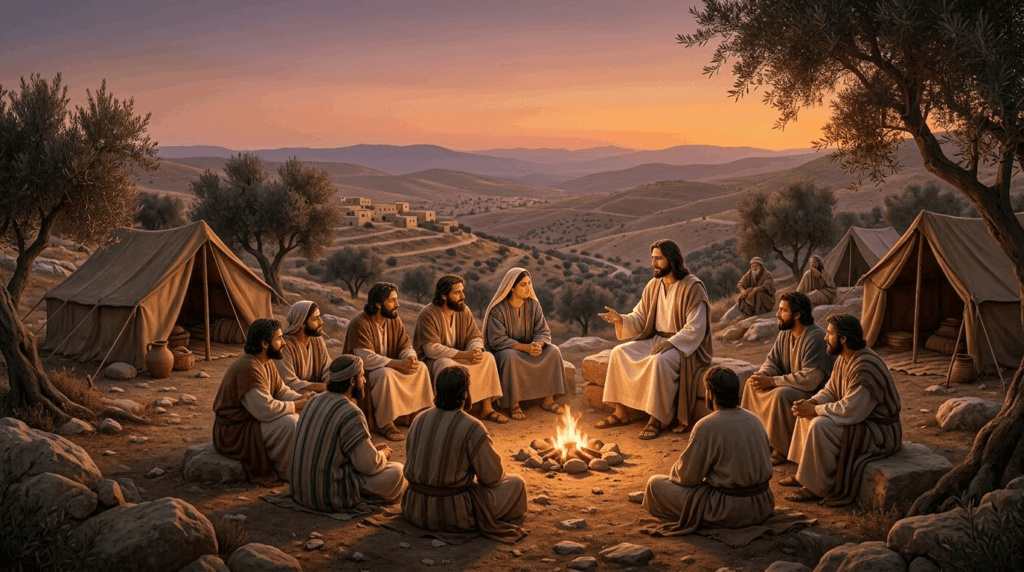
Aikana, jolloin he oleskelivat Gilboalla, Jeesus kertoi kahdelletoista apostolille monia asioita elämänsä alkuvaiheista ja kokemuksistaan Hermonvuorella. Hän paljasti myös jotakin siitä, mitä tapahtui kukkuloilla hänen kastetilaisuuttaan välittömästi seuranneina neljänäkymmenenä päivänä. Ja hän antoi heille selväsanaisen velvoitteen olla kertomatta näistä kokemuksista kenellekään, ennen kuin hän oli palannut Isän tykö.
Näiden syyskuun viikkojen ajan he lepäilivät, seurustelivat ja kertoilivat, mitä olivat kokeneet, sen jälkeen kun Jeesus oli ensi kerran kutsunut heidät palvelukseen, ja he yrittivät tosissaan koordinoida, mitä Mestari oli heille siihen mennessä opettanut. Jossain määrin he kaikki aavistivat, että tämä olisi heidän viimeinen tilaisuutensa vähänkään pitempään lepoon. He tajusivat, että heidän seuraava hankkeensa joko Juudeassa tai Galileassa merkitsisi tulevan valtakunnan lopullisen julistamisen alkua, mutta heillä ei juurikaan ollut mitään vakiintunutta käsitystä siitä, millainen tämä valtakunta olisi, sitten kun se tulisi. Johannes ja Andreas ajattelivat, että valtakunta oli jo tullut; Pietari ja Jaakob uskoivat, että se oli vasta tulossa; Natanael ja Tuomas tunnustivat rehellisesti, että he olivat ymmällään; Matteus, Filippus ja Simon Selootti olivat epävarmoja ja hämmentyneitä; kaksoset olivat autuaan tietämättömiä koko kiistasta, ja Juudas oli vaiti ottamatta kantaa puoleen taikka toiseen.
Jeesus vietti suuren osan käsillä olevasta ajasta omissa oloissaan vuorella leirin lähistöllä. Silloin tällöin hän otti mukaansa Pietarin, Jaakobin tai Johanneksen, mutta useimmiten hänen seurassaan ei ollut ketään hänen mennessään rukoilemaan tai pitämään yhteyttä Isäänsä. Jeesuksen kasteen ja hänen Perean kukkuloilla viettämiensä neljänkymmenen päivän jälkeen on tuskin oikein puhua näistä hetkistä, jolloin hän oli yhteydessä Isäänsä, kutsumalla niitä rukoilemiseksi, tosiasioiden mukaista ei myöskään ole sanoa Jeesuksesta, että hän olisi palvonut, mutta on täysin oikein puhua näistä hetkistä sanomalla niitä henkilökohtaiseksi yhteydenpidoksi, jota Jeesus piti Isäänsä.
Koko syyskuun ajan keskustelujen keskeisenä teemana oli rukoileminen ja palvominen. Kun he olivat muutaman päivän ajan keskustelleet palvonnasta, Jeesus piti lopuksi ikimuistettavan luentonsa rukoilemisesta vastaten näin Tuomaksen pyyntöön: ”Mestari opeta meitä rukoilemaan.”
Johannes oli opettanut opetuslapsilleen erään rukouksen – rukouksen pelastuksen puolesta tulevassa valtakunnassa. Vaikkei Jeesus koskaan kieltänyt seuraajiaan käyttämästä Johanneksen rukouskaavaa, apostolit tajusivat silti hyvin varhaisessa vaiheessa, ettei heidän Mestarinsa täysin hyväksynyt sellaista tapaa, että luettiin kaavamaisia ja muodollisia rukouksia. Uskovat kuitenkin vaativat jatkuvasti, että heitä opetettaisiin rukoilemaan. Kaksitoista apostolia kaipasivat tietoa siitä, minkä rukouskaavan Jeesus hyväksyisi. Ja etupäässä juuri siksi, että tavalliset ihmiset tarvitsivat jonkin yksinkertaisen rukouksen, Jeesus suostui Tuomaksen pyyntöön vastatessaan tällä kertaa opettamaan heille ehdotuksenkaltaisen rukouskaavan. Jeesus piti tämän oppitunnin yhtenä iltapäivänä heidän Gilboavuorella viettämänsä ajan kolmannella viikolla.
As time passed, the twelve became more devoted to Jesus and increasingly committed to the work of the kingdom. Their devotion was in large part a matter of personal loyalty. They did not grasp his many-sided teaching; they did not fully comprehend the nature of Jesus or the significance of his bestowal on earth.
Jesus made it plain to his apostles that they were in retirement for three reasons:
1. To confirm their understanding of, and faith in, the gospel of the kingdom.
2. To allow opposition to their work in both Judea and Galilee to quiet down.
3. To await the fate of John the Baptist.
While tarrying on Gilboa, Jesus told the twelve much about his early life and his experiences on Mount Hermon; he also revealed something of what happened in the hills during the forty days immediately after his baptism. And he directly charged them that they should tell no man about these experiences until after he had returned to the Father.
During these September weeks they rested, visited, recounted their experiences since Jesus first called them to service, and engaged in an earnest effort to co-ordinate what the Master had so far taught them. In a measure they all sensed that this would be their last opportunity for prolonged rest. They realized that their next public effort in either Judea or Galilee would mark the beginning of the final proclamation of the coming kingdom, but they had little or no settled idea as to what the kingdom would be when it came. John and Andrew thought the kingdom had already come; Peter and James believed that it was yet to come; Nathaniel and Thomas frankly confessed they were puzzled; Matthew, Philip, and Simon Zelotes were uncertain and confused; the twins were blissfully ignorant of the controversy; and Judas Iscariot was silent, noncommittal.
Much of this time Jesus was alone on the mountain near the camp. Occasionally he took with him Peter, James, or John, but more often he went off to pray or commune alone. Subsequent to the baptism of Jesus and the forty days in the Perean hills, it is hardly proper to speak of these seasons of communion with his Father as prayer, nor is it consistent to speak of Jesus as worshiping, but it is altogether correct to allude to these seasons as personal communion with his Father.
The central theme of the discussions throughout the entire month of September was prayer and worship. After they had discussed worship for some days, Jesus finally delivered his memorable discourse on prayer in answer to Thomas’s request: “Master, teach us how to pray.”
John had taught his disciples a prayer, a prayer for salvation in the coming kingdom. Although Jesus never forbade his followers to use John’s form of prayer, the apostles very early perceived that their Master did not fully approve of the practice of uttering set and formal prayers. Nevertheless, believers constantly requested to be taught how to pray. The twelve longed to know what form of petition Jesus would approve. And it was chiefly because of this need for some simple petition for the common people that Jesus at this time consented, in answer to Thomas’s request, to teach them a suggestive form of prayer. Jesus gave this lesson one afternoon in the third week of their sojourn on Mount Gilboa.
SuomiEnglish
Ajan kuluessa kaksitoista apostolia kiintyivät yhä syvemmin Jeesukseen ja sitoutuivat yhä lujemmin valtakunnan työhön. Heidän omistautumisensa oli enimmältään henkilöön kohdistuvaa lojaalisuutta. He eivät käsittäneet hänen monipuolista opetustaan, he eivät kokonaan käsittäneet Jeesuksen olemusta eivätkä hänen maan päällä suorittamansa lahjoittautumisen merkitystä.
As time passed, the twelve became more devoted to Jesus and increasingly committed to the work of the kingdom. Their devotion was in large part a matter of personal loyalty. They did not grasp his many-sided teaching; they did not fully comprehend the nature of Jesus or the significance of his bestowal on earth.
Jeesus selvitti apostoleilleen, että oli kolme syytä siihen, miksi nämä olivat poissa julkisuudesta:
Jesus made it plain to his apostles that they were in retirement for three reasons:
1. Jotta heidän ymmärryksensä valtakunnan evankeliumista ja heidän uskonsa siihen vahvistuisivat.
1. To confirm their understanding of, and faith in, the gospel of the kingdom.
2. Jotta heidän toimintaansa kohtaan sekä Juudeassa että Galileassa esiintyvä vastustus asettuisi.
2. To allow opposition to their work in both Judea and Galilee to quiet down.
3. Odotettiin Johannes Kastajan kohtalon ratkeamista.
3. To await the fate of John the Baptist.
Aikana, jolloin he oleskelivat Gilboalla, Jeesus kertoi kahdelletoista apostolille monia asioita elämänsä alkuvaiheista ja kokemuksistaan Hermonvuorella. Hän paljasti myös jotakin siitä, mitä tapahtui kukkuloilla hänen kastetilaisuuttaan välittömästi seuranneina neljänäkymmenenä päivänä. Ja hän antoi heille selväsanaisen velvoitteen olla kertomatta näistä kokemuksista kenellekään, ennen kuin hän oli palannut Isän tykö.
While tarrying on Gilboa, Jesus told the twelve much about his early life and his experiences on Mount Hermon; he also revealed something of what happened in the hills during the forty days immediately after his baptism. And he directly charged them that they should tell no man about these experiences until after he had returned to the Father.
Näiden syyskuun viikkojen ajan he lepäilivät, seurustelivat ja kertoilivat, mitä olivat kokeneet, sen jälkeen kun Jeesus oli ensi kerran kutsunut heidät palvelukseen, ja he yrittivät tosissaan koordinoida, mitä Mestari oli heille siihen mennessä opettanut. Jossain määrin he kaikki aavistivat, että tämä olisi heidän viimeinen tilaisuutensa vähänkään pitempään lepoon. He tajusivat, että heidän seuraava hankkeensa joko Juudeassa tai Galileassa merkitsisi tulevan valtakunnan lopullisen julistamisen alkua, mutta heillä ei juurikaan ollut mitään vakiintunutta käsitystä siitä, millainen tämä valtakunta olisi, sitten kun se tulisi. Johannes ja Andreas ajattelivat, että valtakunta oli jo tullut; Pietari ja Jaakob uskoivat, että se oli vasta tulossa; Natanael ja Tuomas tunnustivat rehellisesti, että he olivat ymmällään; Matteus, Filippus ja Simon Selootti olivat epävarmoja ja hämmentyneitä; kaksoset olivat autuaan tietämättömiä koko kiistasta, ja Juudas oli vaiti ottamatta kantaa puoleen taikka toiseen.
During these September weeks they rested, visited, recounted their experiences since Jesus first called them to service, and engaged in an earnest effort to co-ordinate what the Master had so far taught them. In a measure they all sensed that this would be their last opportunity for prolonged rest. They realized that their next public effort in either Judea or Galilee would mark the beginning of the final proclamation of the coming kingdom, but they had little or no settled idea as to what the kingdom would be when it came. John and Andrew thought the kingdom had already come; Peter and James believed that it was yet to come; Nathaniel and Thomas frankly confessed they were puzzled; Matthew, Philip, and Simon Zelotes were uncertain and confused; the twins were blissfully ignorant of the controversy; and Judas Iscariot was silent, noncommittal.
Jeesus vietti suuren osan käsillä olevasta ajasta omissa oloissaan vuorella leirin lähistöllä. Silloin tällöin hän otti mukaansa Pietarin, Jaakobin tai Johanneksen, mutta useimmiten hänen seurassaan ei ollut ketään hänen mennessään rukoilemaan tai pitämään yhteyttä Isäänsä. Jeesuksen kasteen ja hänen Perean kukkuloilla viettämiensä neljänkymmenen päivän jälkeen on tuskin oikein puhua näistä hetkistä, jolloin hän oli yhteydessä Isäänsä, kutsumalla niitä rukoilemiseksi, tosiasioiden mukaista ei myöskään ole sanoa Jeesuksesta, että hän olisi palvonut, mutta on täysin oikein puhua näistä hetkistä sanomalla niitä henkilökohtaiseksi yhteydenpidoksi, jota Jeesus piti Isäänsä.
Much of this time Jesus was alone on the mountain near the camp. Occasionally he took with him Peter, James, or John, but more often he went off to pray or commune alone. Subsequent to the baptism of Jesus and the forty days in the Perean hills, it is hardly proper to speak of these seasons of communion with his Father as prayer, nor is it consistent to speak of Jesus as worshiping, but it is altogether correct to allude to these seasons as personal communion with his Father.
Koko syyskuun ajan keskustelujen keskeisenä teemana oli rukoileminen ja palvominen. Kun he olivat muutaman päivän ajan keskustelleet palvonnasta, Jeesus piti lopuksi ikimuistettavan luentonsa rukoilemisesta vastaten näin Tuomaksen pyyntöön: ”Mestari opeta meitä rukoilemaan.”
The central theme of the discussions throughout the entire month of September was prayer and worship. After they had discussed worship for some days, Jesus finally delivered his memorable discourse on prayer in answer to Thomas’s request: “Master, teach us how to pray.”
Johannes oli opettanut opetuslapsilleen erään rukouksen – rukouksen pelastuksen puolesta tulevassa valtakunnassa. Vaikkei Jeesus koskaan kieltänyt seuraajiaan käyttämästä Johanneksen rukouskaavaa, apostolit tajusivat silti hyvin varhaisessa vaiheessa, ettei heidän Mestarinsa täysin hyväksynyt sellaista tapaa, että luettiin kaavamaisia ja muodollisia rukouksia. Uskovat kuitenkin vaativat jatkuvasti, että heitä opetettaisiin rukoilemaan. Kaksitoista apostolia kaipasivat tietoa siitä, minkä rukouskaavan Jeesus hyväksyisi. Ja etupäässä juuri siksi, että tavalliset ihmiset tarvitsivat jonkin yksinkertaisen rukouksen, Jeesus suostui Tuomaksen pyyntöön vastatessaan tällä kertaa opettamaan heille ehdotuksenkaltaisen rukouskaavan. Jeesus piti tämän oppitunnin yhtenä iltapäivänä heidän Gilboavuorella viettämänsä ajan kolmannella viikolla.
John had taught his disciples a prayer, a prayer for salvation in the coming kingdom. Although Jesus never forbade his followers to use John’s form of prayer, the apostles very early perceived that their Master did not fully approve of the practice of uttering set and formal prayers. Nevertheless, believers constantly requested to be taught how to pray. The twelve longed to know what form of petition Jesus would approve. And it was chiefly because of this need for some simple petition for the common people that Jesus at this time consented, in answer to Thomas’s request, to teach them a suggestive form of prayer. Jesus gave this lesson one afternoon in the third week of their sojourn on Mount Gilboa.