
Teksti
Tausta
Näytä
Lisäasetukset
Kieli
Urantia Opas
Kysy kirjan sisällöstä. Opas vastaa Book Enginen omien lähdekohtien perusteella ja ohjaa sinut lukemaan ne.
Hei! 🙏
Olen sinun Urantia-oppaasi. Tehtäväni on auttaa sinua löytämään oikeat kohdat Urantia-kirjasta ja ymmärtämään sen opetuksia syvemmin. 😊❤️
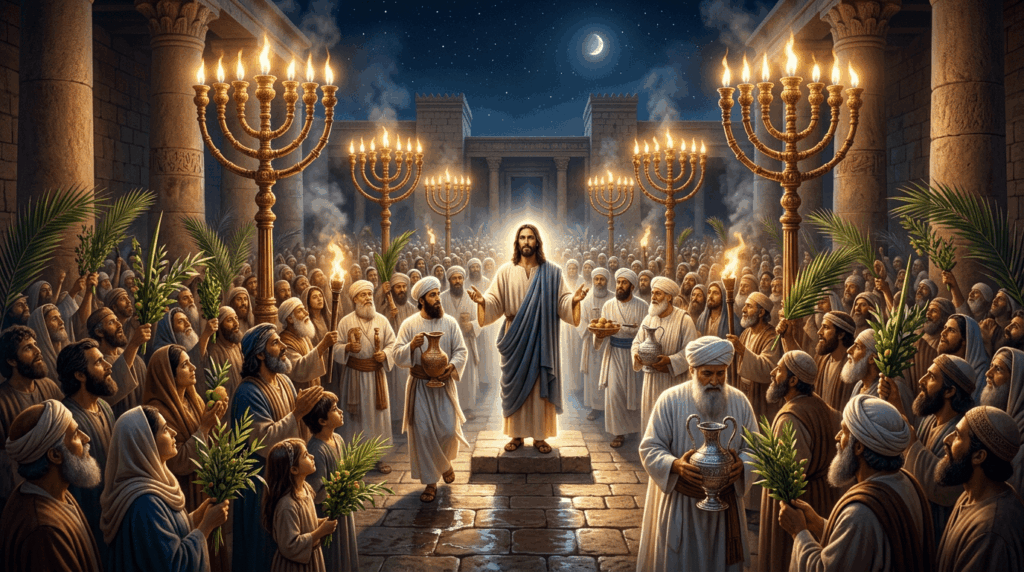
Ensimmäisenä iltapäivänä, jona Jeesus opetti temppelissä, hänen sanojaan istui kuuntelemassa melkoinen väkijoukko. Jeesus kuvaili uuteen evankeliumiin sisältyvää vapautta ja niiden riemua, jotka uskovat tämän hyvän sanoman. Tällöin sattui, että muuan utelias kuulija keskeytti hänet kysyäkseen: ”Opettaja, mistä johtuu, että osaat esittää lainauksia kirjoituksista ja opettaa kansaa näin sujuvasti, kun minulle sanotaan, ettei sinulle ole opetettu rabbien viisauksia?” Jeesus vastasi: ”Kukaan ihminen ei ole opettanut minulle niitä totuuksia, jotka teille julistan. Eikä tämä opetus ole minun, vaan Hänen, joka minut lähetti. Jos joku todella haluaa täyttää Isäni tahdon, hän tulee opetukseni osalta varmasti tietämään, onko se Jumalan opetusta vai olenko minä itseni äänitorvi. Joka on itsensä äänitorvi, tavoittelee kunniaa itselleen, mutta kun julistan Isän sanoja, tavoittelen niin tehdessäni kunniaa hänelle, joka minut lähetti. Mutta eikö teidän pitäisi, ennen kuin yritätte astua uuteen valoon, paremminkin seurata valoa, joka teillä jo on? Mooses antoi teille lain, mutta moniko teistä pyrkii rehellisesti täyttämään sen vaatimukset? Tässä laissa Mooses antaa teille määräyksen sanoen ’älä tapa’, mutta tästä käskystä huolimatta jotkut teistä yrittävät tappaa Ihmisen Pojan.”
Kun väkijoukko kuuli nämä sanat, sen keskuudessa puhkesi sanaharkka. Jotkut sanoivat, että hän oli hullu; toiset sanoivat, että hänessä oli perkele. Oli niitäkin, jotka sanoivat, että kysymyksessä tosiaankin oli se Galilean profeetta, jonka tappamista kirjanoppineet ja fariseukset olivat pitkän aikaa tavoitelleet. Jotkut sanoivat, että uskonnolliset viranomaiset pelkäsivät hätyyttää häntä; jotkut olivat sitä mieltä, etteivät nämä olleet käyneet hänen kimppuunsa, koska he olivat alkaneet uskoa häneen. Melkoisen väittelyn jälkeen väkijoukosta astui esiin yksi, joka kysyi Jeesukselta: ”Miksi vallanpitäjät koettavat tappaa sinut?” Ja Jeesus vastasi: ”Vallanpitäjät koettavat tappaa minut siksi, että he pitävät pahana opetustani valtakunnan ilosanomasta, evankeliumista, joka vapauttaa ihmiset muodollisen seremoniauskonnon työläistä perinteistä. Nämä opettajat ovat nimittäin päättäneet pitää ne voimassa, oli hinta mikä hyvänsä. He suorittavat lain mukaan ympärileikkauksen sapattipäivänä, mutta he tahtoisivat tappaa minut, koska minä kerran, eräänä sapattipäivänä, päästin vapaaksi miehen, jota kärsimykset pitivät orjuudessaan. He kulkevat sapattipäivänä perässäni minua vakoillakseen, mutta he tahtoisivat tappaa minut siksi, että yhdessä toisessa yhteydessä päätin sapattipäivänä parantaa säälittävästi sairaan miehen hänen kaikista vaivoistaan. He koettavat tappaa minut, sillä he tietävät vallan hyvin, että jos rehellisesti uskotte ja rohkenette hyväksyä opetukseni, heidän traditionaalisen uskontonsa järjestelmä kukistuu, tuhoutuu ikiajoiksi. Näin heiltä viedään valta sellaista kohtaan, jolle he ovat omistaneet elämänsä, sillä järkkymättä he kieltäytyvät hyväksymästä tätä uutta ja entistä kunniakkaampaa Jumalan valtakunnan evankeliumia. Ja nyt vetoankin teistä jokaiseen: Älä tuomitse ulkonaisten seikkojen mukaan, vaan esitä tuomiosi mieluumminkin sen mukaan, millainen näiden opetusten todellinen henki on; tuomitse vanhurskaasti.”
Muuan toinen kyselijä virkkoi sen jälkeen: ”Opettaja, kyllähän me todellakin odotamme Messiasta, mutta kun hän tulee, me tiedämme, että hänen ilmestymistään verhoaa mysteeri. Tiedämme, mistä sinä olet. Olet ollut veljiesi joukossa alusta alkaen. Vapahtaja on tuleva voimassa nostaakseen Daavidin kuningaskunnan valtaistuimen taas pystyyn. Väitätkö tosiaankin olevasi Messias?” Ja Jeesus vastasi: ”Väität tuntevasi minut ja tietäväsi, mistä olen. Toivoisinpa, että väitteesi olisivat tosia, sillä siitä tiedosta sinä tosiaankin löytäisit yltäkyllin elämää. Mutta teen tiettäväksi, etten ole tullut luoksenne itseni vuoksi, vaan Isä on minut lähettänyt, ja hän, joka minut lähetti, on tosi ja uskollinen. Kieltäytyessänne kuulemasta minua kieltäydytte ottamasta vastaan Häntä, joka minut lähettää. Jos tahdotte ottaa vastaan tämän evankeliumin, tulette tuntemaan Hänet, joka minut lähetti. Minä tunnen Isän, sillä olen tullut Isän tyköä julistamaan hänestä ja tekemään hänet teille tunnetuksi.”
Kirjanoppineiden edusmiehet halusivat käydä häneen käsiksi, mutta he pelkäsivät väkijoukkoa, sillä monet uskoivat häneen. Se, mitä Jeesus kasteensa jälkeen oli tehnyt, tunnettiin hyvin koko juutalaiskansan keskuudessa, ja näitä tarinoita kertoessaan monet näistä ihmisistä sanoivat toinen toisilleen: ”Olkoonkin, että tämä opettaja on Galileasta, olkoonkin, ettei hän täytä kaikkea, mitä Messiaalta odotamme, tokkopa vain vapahtaja, sitten kun hän tulee, todellakaan tekee mitään sen ihmeellisempää kuin tämä Jeesus Nasaretilainen on jo tehnyt.”
Kuullessaan ihmisten puhuvan tällä tavoin fariseukset ja heidän edusmiehensä neuvottelivat johtajiensa kanssa ja päättivät, että olisi pikaisesti tehtävä jotakin, joka lopettaisi nämä Jeesuksen julkiset esiintymiset temppelipihoilla. Juutalaisten johtajat olivat yleisesti ottaen halukkaita välttämään selkkausta Jeesuksen kanssa, sillä he luulivat roomalaisviranomaisten luvanneen hänelle koskemattomuuden. Mitenkään muuten he eivät osanneet selittää sitä, että hän tuona ajankohtana rohkeni tulla Jerusalemiin. Mutta sanhedrinin viranhaltijat eivät täysin uskoneet tätä kuulopuhetta. He laskeskelivat, etteivät roomalaiset vallanpitäjät tekisi mitään sellaista salassa ja juutalaiskansakunnan korkeimman hallintoelimen tietämättä.
Niinpä sanhedrinin asianomainen virkamies, Eber, lähetettiin kahden avustajan kanssa pidättämään Jeesus. Kun Eber raivasi tietään Jeesuksen luo, Mestari sanoi: ”Älä pelkää tulla lähelleni. Hivuttaudu lähemmäksi kuunnellen samalla opetustani. Tiedän, että sinut on lähetetty ottamaan minut kiinni, mutta sinun tulisi ymmärtää, ettei Ihmisen Pojalle satu mitään, ennen kuin hänen hetkensä koittaa. Et sinä ole ryhtynyt minua vastaan, vaan tulet vain täyttääksesi isäntiesi antaman käskyn, ja luulevatpa nämä juutalaisten johtajatkin toden totta, että he ovat tekemässä palvelusta Jumalalle, kun salaa tavoittelevat turmiotani.
”Kaunaa en kanna teistä kenellekään. Isä rakastaa teitä, ja siksi suurin toiveeni on, että vapautuisitte ennakkoluuloisuuden orjuudesta ja perinteellisyyden pimeydestä. Tarjoan teille elämän vapahduksen ja pelastuksen riemun. Julistan uuden ja elävän tien, vapahduksen pahuudesta ja synnin kahleiden murtumista. Olen tullut, jotta teillä olisi elämä ja jotta teillä olisi se ikuisesti. Koetatte päästä minusta ja levottomuutta herättävistä opetuksistani. Jospa vain käsittäisitte, miten vähän aikaa olen enää luonanne! Vain pieni hetki, ja menen Hänen tykönsä, joka minut tähän maailmaan lähetti. Ja silloin monet teistä tulevat etsimällä etsimään minua, mutta ette minua löydä, sillä minne minä kohta menen, sinne ette te voi tulla. Mutta kaikki, jotka totisesti koettavat löytää minut, tulevat joskus saavuttamaan sen elämän, joka johtaa Isäni tykö.”
Muutamat irvailijat puhuivat keskenään: ”Minne tämä miekkonen aikoo mennä niin, ettemme voi häntä löytää? Aikooko hän mennä kreikkalaisten luokse asumaan? Aikooko hän hävittää itsensä? Mitä hän mahtaa tarkoittaa julistaessaan, että hän kohta lähtee pois luotamme ja ettemme voi mennä sinne, minne hän menee?”
Eber ja hänen avustajansa kieltäytyivät pidättämästä Jeesusta; he palasivat tapaamispaikkaansa ilman häntä. Kun ylipapit ja fariseukset läksyttivät Eberiä ja hänen avustajiaan siitä, etteivät nämä olleet tuoneet Jeesusta mukanaan, Eber vastasi vain: ”Emme uskaltaneet pidättää häntä väenpaljouden keskellä, sillä monet uskovat häneen. Sitä paitsi, emme ole koskaan kuulleet yhdenkään ihmisen puhuvan niin kuin tämä mies. Tässä opettajassa on jotakin, joka poikkeaa tavanomaisesta. Teille olisi kaikille hyväksi, jos menisitte kuulemaan häntä.” Ja nämä sanat kuullessaan ylimmät johtomiehet ällistyivät ja puhuivat Eberille pilkallisesti: ”Oletko sinäkin eksytetty? Joko sinäkin alat uskoa tähän petkuttajaan? Oletko kuullut, että joku oppineistamme tai joku johtomiehistämme olisi uskonut häneen? Onko kukaan kirjanoppineista tai fariseuksista joutunut hänen ovelien opetustensa harhauttamaksi? Kuinka on mahdollista, että tämän tietämättömän väkijoukon käyttäytyminen vaikuttaa sinuun, väkijoukon, joka ei tunne lakia eikä profeettoja? Etkö tiedä, että tuollaiset opettamattomat ihmiset ovat kirottuja?” Ja silloin Eber vastasi: ”Olkoon niin, hyvät herrat, mutta tämä mies puhuu väkijoukolle armon ja toivon sanoja. Hän rohkaisee masentuneita, ja lohduttivat hänen sanansa meidänkin sieluamme. Mitä väärää näissä opetuksissa voi olla, vaikkei hän mahdollisesti pyhien kirjoitusten Messias olekaan? Ja sitä paitsi, eikö lakimme siinäkin tapauksessa edellytä oikeudenmukaisuutta? Tuomitsemmeko ihmisen, ennen kuin kuulemme häntä?” Ja sanhedrinin esimies vihastui Eberiin, kääntyi hänen puoleensa ja sanoi: ”Onko sinusta tullut hullu? Etkös sinäkin sattumoisin ole Galileasta? Tutki kirjoituksia, niin näet sieltä, ettei Galileasta nouse mitään profeettaa saati Messiasta.”
Sanhedrin hajaantui sekasorron vallassa, ja Jeesus vetäytyi yöksi Betaniaan.
The first afternoon that Jesus taught in the temple, a considerable company sat listening to his words depicting the liberty of the new gospel and the joy of those who believe the good news, when a curious listener interrupted him to ask: “Teacher, how is it you can quote the Scriptures and teach the people so fluently when I am told that you are untaught in the learning of the rabbis?” Jesus replied: “No man has taught me the truths which I declare to you. And this teaching is not mine but His who sent me. If any man really desires to do my Father’s will, he shall certainly know about my teaching, whether it be God’s or whether I speak for myself. He who speaks for himself seeks his own glory, but when I declare the words of the Father, I thereby seek the glory of him who sent me. But before you try to enter into the new light, should you not rather follow the light you already have? Moses gave you the law, yet how many of you honestly seek to fulfill its demands? Moses in this law enjoins you, saying, ‘You shall not kill’; notwithstanding this command some of you seek to kill the Son of Man.”
When the crowd heard these words, they fell to wrangling among themselves. Some said he was mad; some that he had a devil. Others said this was indeed the prophet of Galilee whom the scribes and Pharisees had long sought to kill. Some said the religious authorities were afraid to molest him; others thought that they laid not hands upon him because they had become believers in him. After considerable debate one of the crowd stepped forward and asked Jesus, “Why do the rulers seek to kill you?” And he replied: “The rulers seek to kill me because they resent my teaching about the good news of the kingdom, a gospel that sets men free from the burdensome traditions of a formal religion of ceremonies which these teachers are determined to uphold at any cost. They circumcise in accordance with the law on the Sabbath day, but they would kill me because I once on the Sabbath day set free a man held in the bondage of affliction. They follow after me on the Sabbath to spy on me but would kill me because on another occasion I chose to make a grievously stricken man completely whole on the Sabbath day. They seek to kill me because they well know that, if you honestly believe and dare to accept my teaching, their system of traditional religion will be overthrown, forever destroyed. Thus will they be deprived of authority over that to which they have devoted their lives since they steadfastly refuse to accept this new and more glorious gospel of the kingdom of God. And now do I appeal to every one of you: Judge not according to outward appearances but rather judge by the true spirit of these teachings; judge righteously.”
Then said another inquirer: “Yes, Teacher, we do look for the Messiah, but when he comes, we know that his appearance will be in mystery. We know whence you are. You have been among your brethren from the beginning. The deliverer will come in power to restore the throne of David’s kingdom. Do you really claim to be the Messiah?” And Jesus replied: “You claim to know me and to know whence I am. I wish your claims were true, for indeed then would you find abundant life in that knowledge. But I declare that I have not come to you for myself; I have been sent by the Father, and he who sent me is true and faithful. By refusing to hear me, you are refusing to receive Him who sends me. You, if you will receive this gospel, shall come to know Him who sent me. I know the Father, for I have come from the Father to declare and reveal him to you.”
The agents of the scribes wanted to lay hands upon him, but they feared the multitude, for many believed in him. Jesus’ work since his baptism had become well known to all Jewry, and as many of these people recounted these things, they said among themselves: “Even though this teacher is from Galilee, and even though he does not meet all of our expectations of the Messiah, we wonder if the deliverer, when he does come, will really do anything more wonderful than this Jesus of Nazareth has already done.”
When the Pharisees and their agents heard the people talking this way, they took counsel with their leaders and decided that something should be done forthwith to put a stop to these public appearances of Jesus in the temple courts. The leaders of the Jews, in general, were disposed to avoid a clash with Jesus, believing that the Roman authorities had promised him immunity. They could not otherwise account for his boldness in coming at this time to Jerusalem; but the officers of the Sanhedrin did not wholly believe this rumor. They reasoned that the Roman rulers would not do such a thing secretly and without the knowledge of the highest governing body of the Jewish nation.
Accordingly, Eber, the proper officer of the Sanhedrin, with two assistants was dispatched to arrest Jesus. As Eber made his way toward Jesus, the Master said: “Fear not to approach me. Draw near while you listen to my teaching. I know you have been sent to apprehend me, but you should understand that nothing will befall the Son of Man until his hour comes. You are not arrayed against me; you come only to do the bidding of your masters, and even these rulers of the Jews verily think they are doing God’s service when they secretly seek my destruction.
“I bear none of you ill will. The Father loves you, and therefore do I long for your deliverance from the bondage of prejudice and the darkness of tradition. I offer you the liberty of life and the joy of salvation. I proclaim the new and living way, the deliverance from evil and the breaking of the bondage of sin. I have come that you might have life, and have it eternally. You seek to be rid of me and my disquieting teachings. If you could only realize that I am to be with you only a little while! In just a short time I go to Him who sent me into this world. And then will many of you diligently seek me, but you shall not discover my presence, for where I am about to go you cannot come. But all who truly seek to find me shall sometime attain the life that leads to my Father’s presence.”
Some of the scoffers said among themselves: “Where will this man go that we cannot find him? Will he go to live among the Greeks? Will he destroy himself? What can he mean when he declares that soon he will depart from us, and that we cannot go where he goes?”
Eber and his assistants refused to arrest Jesus; they returned to their meeting place without him. When, therefore, the chief priests and the Pharisees upbraided Eber and his assistants because they had not brought Jesus with them, Eber only replied: “We feared to arrest him in the midst of the multitude because many believe in him. Besides, we never heard a man speak like this man. There is something out of the ordinary about this teacher. You would all do well to go over to hear him.” And when the chief rulers heard these words, they were astonished and spoke tauntingly to Eber: “Are you also led astray? Are you about to believe in this deceiver? Have you heard that any of our learned men or any of the rulers have believed in him? Have any of the scribes or the Pharisees been deceived by his clever teachings? How does it come that you are influenced by the behavior of this ignorant multitude who know not the law or the prophets? Do you not know that such untaught people are accursed?” And then answered Eber: “Even so, my masters, but this man speaks to the multitude words of mercy and hope. He cheers the downhearted, and his words were comforting even to our souls. What can there be wrong in these teachings even though he may not be the Messiah of the Scriptures? And even then does not our law require fairness? Do we condemn a man before we hear him?” And the chief of the Sanhedrin was wroth with Eber and, turning upon him, said: “Have you gone mad? Are you by any chance also from Galilee? Search the Scriptures, and you will discover that out of Galilee arises no prophet, much less the Messiah.”
The Sanhedrin disbanded in confusion, and Jesus withdrew to Bethany for the night.
SuomiEnglish
Ensimmäisenä iltapäivänä, jona Jeesus opetti temppelissä, hänen sanojaan istui kuuntelemassa melkoinen väkijoukko. Jeesus kuvaili uuteen evankeliumiin sisältyvää vapautta ja niiden riemua, jotka uskovat tämän hyvän sanoman. Tällöin sattui, että muuan utelias kuulija keskeytti hänet kysyäkseen: ”Opettaja, mistä johtuu, että osaat esittää lainauksia kirjoituksista ja opettaa kansaa näin sujuvasti, kun minulle sanotaan, ettei sinulle ole opetettu rabbien viisauksia?” Jeesus vastasi: ”Kukaan ihminen ei ole opettanut minulle niitä totuuksia, jotka teille julistan. Eikä tämä opetus ole minun, vaan Hänen, joka minut lähetti. Jos joku todella haluaa täyttää Isäni tahdon, hän tulee opetukseni osalta varmasti tietämään, onko se Jumalan opetusta vai olenko minä itseni äänitorvi. Joka on itsensä äänitorvi, tavoittelee kunniaa itselleen, mutta kun julistan Isän sanoja, tavoittelen niin tehdessäni kunniaa hänelle, joka minut lähetti. Mutta eikö teidän pitäisi, ennen kuin yritätte astua uuteen valoon, paremminkin seurata valoa, joka teillä jo on? Mooses antoi teille lain, mutta moniko teistä pyrkii rehellisesti täyttämään sen vaatimukset? Tässä laissa Mooses antaa teille määräyksen sanoen ’älä tapa’, mutta tästä käskystä huolimatta jotkut teistä yrittävät tappaa Ihmisen Pojan.”
The first afternoon that Jesus taught in the temple, a considerable company sat listening to his words depicting the liberty of the new gospel and the joy of those who believe the good news, when a curious listener interrupted him to ask: “Teacher, how is it you can quote the Scriptures and teach the people so fluently when I am told that you are untaught in the learning of the rabbis?” Jesus replied: “No man has taught me the truths which I declare to you. And this teaching is not mine but His who sent me. If any man really desires to do my Father’s will, he shall certainly know about my teaching, whether it be God’s or whether I speak for myself. He who speaks for himself seeks his own glory, but when I declare the words of the Father, I thereby seek the glory of him who sent me. But before you try to enter into the new light, should you not rather follow the light you already have? Moses gave you the law, yet how many of you honestly seek to fulfill its demands? Moses in this law enjoins you, saying, ‘You shall not kill’; notwithstanding this command some of you seek to kill the Son of Man.”
Kun väkijoukko kuuli nämä sanat, sen keskuudessa puhkesi sanaharkka. Jotkut sanoivat, että hän oli hullu; toiset sanoivat, että hänessä oli perkele. Oli niitäkin, jotka sanoivat, että kysymyksessä tosiaankin oli se Galilean profeetta, jonka tappamista kirjanoppineet ja fariseukset olivat pitkän aikaa tavoitelleet. Jotkut sanoivat, että uskonnolliset viranomaiset pelkäsivät hätyyttää häntä; jotkut olivat sitä mieltä, etteivät nämä olleet käyneet hänen kimppuunsa, koska he olivat alkaneet uskoa häneen. Melkoisen väittelyn jälkeen väkijoukosta astui esiin yksi, joka kysyi Jeesukselta: ”Miksi vallanpitäjät koettavat tappaa sinut?” Ja Jeesus vastasi: ”Vallanpitäjät koettavat tappaa minut siksi, että he pitävät pahana opetustani valtakunnan ilosanomasta, evankeliumista, joka vapauttaa ihmiset muodollisen seremoniauskonnon työläistä perinteistä. Nämä opettajat ovat nimittäin päättäneet pitää ne voimassa, oli hinta mikä hyvänsä. He suorittavat lain mukaan ympärileikkauksen sapattipäivänä, mutta he tahtoisivat tappaa minut, koska minä kerran, eräänä sapattipäivänä, päästin vapaaksi miehen, jota kärsimykset pitivät orjuudessaan. He kulkevat sapattipäivänä perässäni minua vakoillakseen, mutta he tahtoisivat tappaa minut siksi, että yhdessä toisessa yhteydessä päätin sapattipäivänä parantaa säälittävästi sairaan miehen hänen kaikista vaivoistaan. He koettavat tappaa minut, sillä he tietävät vallan hyvin, että jos rehellisesti uskotte ja rohkenette hyväksyä opetukseni, heidän traditionaalisen uskontonsa järjestelmä kukistuu, tuhoutuu ikiajoiksi. Näin heiltä viedään valta sellaista kohtaan, jolle he ovat omistaneet elämänsä, sillä järkkymättä he kieltäytyvät hyväksymästä tätä uutta ja entistä kunniakkaampaa Jumalan valtakunnan evankeliumia. Ja nyt vetoankin teistä jokaiseen: Älä tuomitse ulkonaisten seikkojen mukaan, vaan esitä tuomiosi mieluumminkin sen mukaan, millainen näiden opetusten todellinen henki on; tuomitse vanhurskaasti.”
When the crowd heard these words, they fell to wrangling among themselves. Some said he was mad; some that he had a devil. Others said this was indeed the prophet of Galilee whom the scribes and Pharisees had long sought to kill. Some said the religious authorities were afraid to molest him; others thought that they laid not hands upon him because they had become believers in him. After considerable debate one of the crowd stepped forward and asked Jesus, “Why do the rulers seek to kill you?” And he replied: “The rulers seek to kill me because they resent my teaching about the good news of the kingdom, a gospel that sets men free from the burdensome traditions of a formal religion of ceremonies which these teachers are determined to uphold at any cost. They circumcise in accordance with the law on the Sabbath day, but they would kill me because I once on the Sabbath day set free a man held in the bondage of affliction. They follow after me on the Sabbath to spy on me but would kill me because on another occasion I chose to make a grievously stricken man completely whole on the Sabbath day. They seek to kill me because they well know that, if you honestly believe and dare to accept my teaching, their system of traditional religion will be overthrown, forever destroyed. Thus will they be deprived of authority over that to which they have devoted their lives since they steadfastly refuse to accept this new and more glorious gospel of the kingdom of God. And now do I appeal to every one of you: Judge not according to outward appearances but rather judge by the true spirit of these teachings; judge righteously.”
Muuan toinen kyselijä virkkoi sen jälkeen: ”Opettaja, kyllähän me todellakin odotamme Messiasta, mutta kun hän tulee, me tiedämme, että hänen ilmestymistään verhoaa mysteeri. Tiedämme, mistä sinä olet. Olet ollut veljiesi joukossa alusta alkaen. Vapahtaja on tuleva voimassa nostaakseen Daavidin kuningaskunnan valtaistuimen taas pystyyn. Väitätkö tosiaankin olevasi Messias?” Ja Jeesus vastasi: ”Väität tuntevasi minut ja tietäväsi, mistä olen. Toivoisinpa, että väitteesi olisivat tosia, sillä siitä tiedosta sinä tosiaankin löytäisit yltäkyllin elämää. Mutta teen tiettäväksi, etten ole tullut luoksenne itseni vuoksi, vaan Isä on minut lähettänyt, ja hän, joka minut lähetti, on tosi ja uskollinen. Kieltäytyessänne kuulemasta minua kieltäydytte ottamasta vastaan Häntä, joka minut lähettää. Jos tahdotte ottaa vastaan tämän evankeliumin, tulette tuntemaan Hänet, joka minut lähetti. Minä tunnen Isän, sillä olen tullut Isän tyköä julistamaan hänestä ja tekemään hänet teille tunnetuksi.”
Then said another inquirer: “Yes, Teacher, we do look for the Messiah, but when he comes, we know that his appearance will be in mystery. We know whence you are. You have been among your brethren from the beginning. The deliverer will come in power to restore the throne of David’s kingdom. Do you really claim to be the Messiah?” And Jesus replied: “You claim to know me and to know whence I am. I wish your claims were true, for indeed then would you find abundant life in that knowledge. But I declare that I have not come to you for myself; I have been sent by the Father, and he who sent me is true and faithful. By refusing to hear me, you are refusing to receive Him who sends me. You, if you will receive this gospel, shall come to know Him who sent me. I know the Father, for I have come from the Father to declare and reveal him to you.”
Kirjanoppineiden edusmiehet halusivat käydä häneen käsiksi, mutta he pelkäsivät väkijoukkoa, sillä monet uskoivat häneen. Se, mitä Jeesus kasteensa jälkeen oli tehnyt, tunnettiin hyvin koko juutalaiskansan keskuudessa, ja näitä tarinoita kertoessaan monet näistä ihmisistä sanoivat toinen toisilleen: ”Olkoonkin, että tämä opettaja on Galileasta, olkoonkin, ettei hän täytä kaikkea, mitä Messiaalta odotamme, tokkopa vain vapahtaja, sitten kun hän tulee, todellakaan tekee mitään sen ihmeellisempää kuin tämä Jeesus Nasaretilainen on jo tehnyt.”
The agents of the scribes wanted to lay hands upon him, but they feared the multitude, for many believed in him. Jesus’ work since his baptism had become well known to all Jewry, and as many of these people recounted these things, they said among themselves: “Even though this teacher is from Galilee, and even though he does not meet all of our expectations of the Messiah, we wonder if the deliverer, when he does come, will really do anything more wonderful than this Jesus of Nazareth has already done.”
Kuullessaan ihmisten puhuvan tällä tavoin fariseukset ja heidän edusmiehensä neuvottelivat johtajiensa kanssa ja päättivät, että olisi pikaisesti tehtävä jotakin, joka lopettaisi nämä Jeesuksen julkiset esiintymiset temppelipihoilla. Juutalaisten johtajat olivat yleisesti ottaen halukkaita välttämään selkkausta Jeesuksen kanssa, sillä he luulivat roomalaisviranomaisten luvanneen hänelle koskemattomuuden. Mitenkään muuten he eivät osanneet selittää sitä, että hän tuona ajankohtana rohkeni tulla Jerusalemiin. Mutta sanhedrinin viranhaltijat eivät täysin uskoneet tätä kuulopuhetta. He laskeskelivat, etteivät roomalaiset vallanpitäjät tekisi mitään sellaista salassa ja juutalaiskansakunnan korkeimman hallintoelimen tietämättä.
When the Pharisees and their agents heard the people talking this way, they took counsel with their leaders and decided that something should be done forthwith to put a stop to these public appearances of Jesus in the temple courts. The leaders of the Jews, in general, were disposed to avoid a clash with Jesus, believing that the Roman authorities had promised him immunity. They could not otherwise account for his boldness in coming at this time to Jerusalem; but the officers of the Sanhedrin did not wholly believe this rumor. They reasoned that the Roman rulers would not do such a thing secretly and without the knowledge of the highest governing body of the Jewish nation.
Niinpä sanhedrinin asianomainen virkamies, Eber, lähetettiin kahden avustajan kanssa pidättämään Jeesus. Kun Eber raivasi tietään Jeesuksen luo, Mestari sanoi: ”Älä pelkää tulla lähelleni. Hivuttaudu lähemmäksi kuunnellen samalla opetustani. Tiedän, että sinut on lähetetty ottamaan minut kiinni, mutta sinun tulisi ymmärtää, ettei Ihmisen Pojalle satu mitään, ennen kuin hänen hetkensä koittaa. Et sinä ole ryhtynyt minua vastaan, vaan tulet vain täyttääksesi isäntiesi antaman käskyn, ja luulevatpa nämä juutalaisten johtajatkin toden totta, että he ovat tekemässä palvelusta Jumalalle, kun salaa tavoittelevat turmiotani.
Accordingly, Eber, the proper officer of the Sanhedrin, with two assistants was dispatched to arrest Jesus. As Eber made his way toward Jesus, the Master said: “Fear not to approach me. Draw near while you listen to my teaching. I know you have been sent to apprehend me, but you should understand that nothing will befall the Son of Man until his hour comes. You are not arrayed against me; you come only to do the bidding of your masters, and even these rulers of the Jews verily think they are doing God’s service when they secretly seek my destruction.
”Kaunaa en kanna teistä kenellekään. Isä rakastaa teitä, ja siksi suurin toiveeni on, että vapautuisitte ennakkoluuloisuuden orjuudesta ja perinteellisyyden pimeydestä. Tarjoan teille elämän vapahduksen ja pelastuksen riemun. Julistan uuden ja elävän tien, vapahduksen pahuudesta ja synnin kahleiden murtumista. Olen tullut, jotta teillä olisi elämä ja jotta teillä olisi se ikuisesti. Koetatte päästä minusta ja levottomuutta herättävistä opetuksistani. Jospa vain käsittäisitte, miten vähän aikaa olen enää luonanne! Vain pieni hetki, ja menen Hänen tykönsä, joka minut tähän maailmaan lähetti. Ja silloin monet teistä tulevat etsimällä etsimään minua, mutta ette minua löydä, sillä minne minä kohta menen, sinne ette te voi tulla. Mutta kaikki, jotka totisesti koettavat löytää minut, tulevat joskus saavuttamaan sen elämän, joka johtaa Isäni tykö.”
“I bear none of you ill will. The Father loves you, and therefore do I long for your deliverance from the bondage of prejudice and the darkness of tradition. I offer you the liberty of life and the joy of salvation. I proclaim the new and living way, the deliverance from evil and the breaking of the bondage of sin. I have come that you might have life, and have it eternally. You seek to be rid of me and my disquieting teachings. If you could only realize that I am to be with you only a little while! In just a short time I go to Him who sent me into this world. And then will many of you diligently seek me, but you shall not discover my presence, for where I am about to go you cannot come. But all who truly seek to find me shall sometime attain the life that leads to my Father’s presence.”
Muutamat irvailijat puhuivat keskenään: ”Minne tämä miekkonen aikoo mennä niin, ettemme voi häntä löytää? Aikooko hän mennä kreikkalaisten luokse asumaan? Aikooko hän hävittää itsensä? Mitä hän mahtaa tarkoittaa julistaessaan, että hän kohta lähtee pois luotamme ja ettemme voi mennä sinne, minne hän menee?”
Some of the scoffers said among themselves: “Where will this man go that we cannot find him? Will he go to live among the Greeks? Will he destroy himself? What can he mean when he declares that soon he will depart from us, and that we cannot go where he goes?”
Eber ja hänen avustajansa kieltäytyivät pidättämästä Jeesusta; he palasivat tapaamispaikkaansa ilman häntä. Kun ylipapit ja fariseukset läksyttivät Eberiä ja hänen avustajiaan siitä, etteivät nämä olleet tuoneet Jeesusta mukanaan, Eber vastasi vain: ”Emme uskaltaneet pidättää häntä väenpaljouden keskellä, sillä monet uskovat häneen. Sitä paitsi, emme ole koskaan kuulleet yhdenkään ihmisen puhuvan niin kuin tämä mies. Tässä opettajassa on jotakin, joka poikkeaa tavanomaisesta. Teille olisi kaikille hyväksi, jos menisitte kuulemaan häntä.” Ja nämä sanat kuullessaan ylimmät johtomiehet ällistyivät ja puhuivat Eberille pilkallisesti: ”Oletko sinäkin eksytetty? Joko sinäkin alat uskoa tähän petkuttajaan? Oletko kuullut, että joku oppineistamme tai joku johtomiehistämme olisi uskonut häneen? Onko kukaan kirjanoppineista tai fariseuksista joutunut hänen ovelien opetustensa harhauttamaksi? Kuinka on mahdollista, että tämän tietämättömän väkijoukon käyttäytyminen vaikuttaa sinuun, väkijoukon, joka ei tunne lakia eikä profeettoja? Etkö tiedä, että tuollaiset opettamattomat ihmiset ovat kirottuja?” Ja silloin Eber vastasi: ”Olkoon niin, hyvät herrat, mutta tämä mies puhuu väkijoukolle armon ja toivon sanoja. Hän rohkaisee masentuneita, ja lohduttivat hänen sanansa meidänkin sieluamme. Mitä väärää näissä opetuksissa voi olla, vaikkei hän mahdollisesti pyhien kirjoitusten Messias olekaan? Ja sitä paitsi, eikö lakimme siinäkin tapauksessa edellytä oikeudenmukaisuutta? Tuomitsemmeko ihmisen, ennen kuin kuulemme häntä?” Ja sanhedrinin esimies vihastui Eberiin, kääntyi hänen puoleensa ja sanoi: ”Onko sinusta tullut hullu? Etkös sinäkin sattumoisin ole Galileasta? Tutki kirjoituksia, niin näet sieltä, ettei Galileasta nouse mitään profeettaa saati Messiasta.”
Eber and his assistants refused to arrest Jesus; they returned to their meeting place without him. When, therefore, the chief priests and the Pharisees upbraided Eber and his assistants because they had not brought Jesus with them, Eber only replied: “We feared to arrest him in the midst of the multitude because many believe in him. Besides, we never heard a man speak like this man. There is something out of the ordinary about this teacher. You would all do well to go over to hear him.” And when the chief rulers heard these words, they were astonished and spoke tauntingly to Eber: “Are you also led astray? Are you about to believe in this deceiver? Have you heard that any of our learned men or any of the rulers have believed in him? Have any of the scribes or the Pharisees been deceived by his clever teachings? How does it come that you are influenced by the behavior of this ignorant multitude who know not the law or the prophets? Do you not know that such untaught people are accursed?” And then answered Eber: “Even so, my masters, but this man speaks to the multitude words of mercy and hope. He cheers the downhearted, and his words were comforting even to our souls. What can there be wrong in these teachings even though he may not be the Messiah of the Scriptures? And even then does not our law require fairness? Do we condemn a man before we hear him?” And the chief of the Sanhedrin was wroth with Eber and, turning upon him, said: “Have you gone mad? Are you by any chance also from Galilee? Search the Scriptures, and you will discover that out of Galilee arises no prophet, much less the Messiah.”
Sanhedrin hajaantui sekasorron vallassa, ja Jeesus vetäytyi yöksi Betaniaan.
The Sanhedrin disbanded in confusion, and Jesus withdrew to Bethany for the night.