
Teksti
Tausta
Näytä
Lisäasetukset
Kieli
Urantia Opas
Kysy kirjan sisällöstä. Opas vastaa Book Enginen omien lähdekohtien perusteella ja ohjaa sinut lukemaan ne.
Hei! 🙏
Olen sinun Urantia-oppaasi. Tehtäväni on auttaa sinua löytämään oikeat kohdat Urantia-kirjasta ja ymmärtämään sen opetuksia syvemmin. 😊❤️
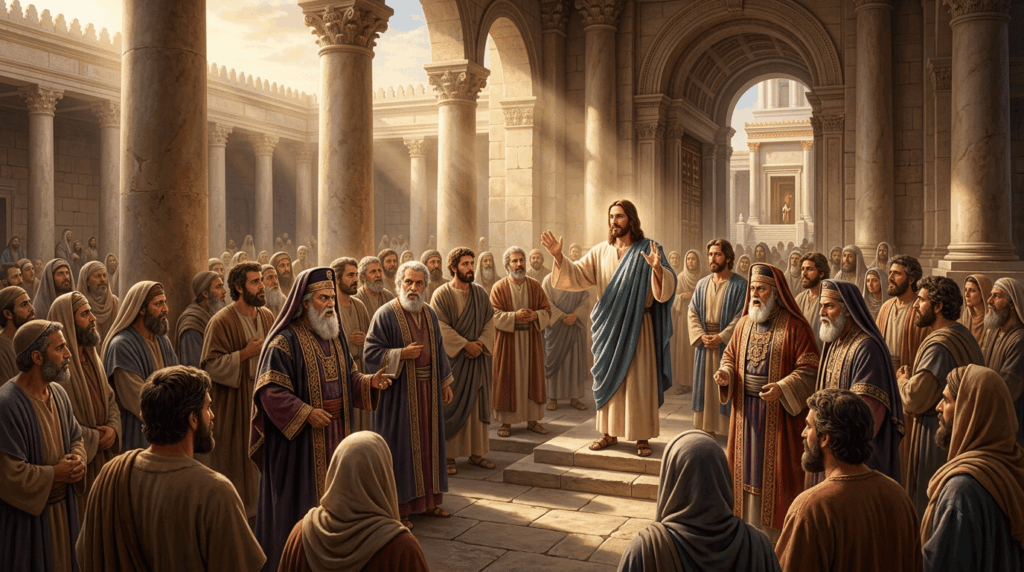
Kello kahdeksan tänä tiistai-iltana avattiin sanhedrinin kohtalokas kokous. Monissa aikaisemmissa tilaisuuksissa tämä juutalaiskansakunnan korkein oikeus oli epävirallisesti jo päättänyt, että Jeesuksen oli kuoltava. Tämä kunnianarvoisa hallituselin oli monet kerrat päättänyt pysäyttää hänen toimintansa, mutta se ei ollut koskaan tätä ennen päättänyt pidättää häntä ja toimittaa häntä kuolemaan, oli hinta mikä hyvänsä. Hetkeä ennen puoltayötä tuona tiistaina, huhtikuun 4. päivänä vuonna 30 jKr., sanhedrin silloisessa kokoonpanossaan virallisesti ja yksimielisesti päätti langettaa kuolemantuomion sekä Jeesukselle että Lasarukselle. Tämä oli vastaus Mestarin juutalaisten vallanpitäjille osoittamaan viimeiseen vetoomukseen, jonka hän oli esittänyt temppelissä vain muutamaa tuntia aikaisemmin, ja se oli reaktio, joka kertoi, miten katkeraa kaunaa nämä samaiset pääpapit ja mitään katumattomat saddukeukset ja fariseukset tunsivat Jeesuksen esittämästä viimeisestä ja voimallisesta syytöksestä. Kuolemantuomion langettaminen Jumalan Pojalle (jo ennen hänen oikeudenkäyntiään) oli sanhedrinin vastaus viimeiseen juutalaiskansakunnalle kansakuntana tehtyyn taivaallisen armon tarjoukseen.
Tästä ajankohdasta lähtien juutalaiset jätettiin päättämään lyhyt ja yhtäkkiä katkennut kansallinen elämäntaipaleensa kokonaan sen varassa, mikä heidän puhtaasti inhimillinen statuksensa oli Urantian kansakuntien joukossa. Israel oli kieltäytynyt vastaanottamasta sen Jumalan Poikaa, joka teki sopimuksen Abrahamin kanssa, ja se suunnitelma, että Abrahamin lapsista tehtäisiin soihdunkantajia, jotka veisivät totuuden valon maailmaan, oli lyöty pirstaleiksi. Jumalallinen sopimus oli kumottu, ja heprealaiskansakunnan loppu lähestyi tihenevin askelin.
Sanhedrinin virkailijoille annettiin määräykset Jeesuksen pidättämisestä varhain seuraavana aamuna, mutta määräyksiin liitettiin ohje, ettei häntä saanut ottaa kiinni julkisuudessa. Heitä kehotettiin laatimaan suunnitelma hänen salassa tapahtuvasta vangitsemisestaan niin, että se mieluiten tapahtuisi äkillisesti ja yöllä. Ymmärtäessään, ettei hän sinä päivänä (keskiviikkona) palaisi temppeliin opettamaan, näille sanhedrinin virkailijoille annettiin sellaiset ohjeet, että Jeesus piti ”tuoda korkean juutalaistuomioistuimen eteen torstaina johonkin aikaan ennen keskiyötä.”
At eight o’clock on this Tuesday evening the fateful meeting of the Sanhedrin was called to order. On many previous occasions had this supreme court of the Jewish nation informally decreed the death of Jesus. Many times had this august ruling body determined to put a stop to his work, but never before had they resolved to place him under arrest and to bring about his death at any and all costs. It was just before midnight on this Tuesday, April 4, a.d. 30, that the Sanhedrin, as then constituted, officially and unanimously voted to impose the death sentence upon both Jesus and Lazarus. This was the answer to the Master’s last appeal to the rulers of the Jews which he had made in the temple only a few hours before, and it represented their reaction of bitter resentment toward Jesus’ last and vigorous indictment of these same chief priests and impenitent Sadducees and Pharisees. The passing of death sentence (even before his trial) upon the Son of God was the Sanhedrin’s reply to the last offer of heavenly mercy ever to be extended to the Jewish nation, as such.
From this time on the Jews were left to finish their brief and short lease of national life wholly in accordance with their purely human status among the nations of Urantia. Israel had repudiated the Son of the God who made a covenant with Abraham, and the plan to make the children of Abraham the light-bearers of truth to the world had been shattered. The divine covenant had been abrogated, and the end of the Hebrew nation drew on apace.
The officers of the Sanhedrin were given the orders for Jesus’ arrest early the next morning, but with instructions that he must not be apprehended in public. They were told to plan to take him in secret, preferably suddenly and at night. Understanding that he might not return that day (Wednesday) to teach in the temple, they instructed these officers of the Sanhedrin to “bring him before the high Jewish court sometime before midnight on Thursday.”
SuomiEnglish
Kello kahdeksan tänä tiistai-iltana avattiin sanhedrinin kohtalokas kokous. Monissa aikaisemmissa tilaisuuksissa tämä juutalaiskansakunnan korkein oikeus oli epävirallisesti jo päättänyt, että Jeesuksen oli kuoltava. Tämä kunnianarvoisa hallituselin oli monet kerrat päättänyt pysäyttää hänen toimintansa, mutta se ei ollut koskaan tätä ennen päättänyt pidättää häntä ja toimittaa häntä kuolemaan, oli hinta mikä hyvänsä. Hetkeä ennen puoltayötä tuona tiistaina, huhtikuun 4. päivänä vuonna 30 jKr., sanhedrin silloisessa kokoonpanossaan virallisesti ja yksimielisesti päätti langettaa kuolemantuomion sekä Jeesukselle että Lasarukselle. Tämä oli vastaus Mestarin juutalaisten vallanpitäjille osoittamaan viimeiseen vetoomukseen, jonka hän oli esittänyt temppelissä vain muutamaa tuntia aikaisemmin, ja se oli reaktio, joka kertoi, miten katkeraa kaunaa nämä samaiset pääpapit ja mitään katumattomat saddukeukset ja fariseukset tunsivat Jeesuksen esittämästä viimeisestä ja voimallisesta syytöksestä. Kuolemantuomion langettaminen Jumalan Pojalle (jo ennen hänen oikeudenkäyntiään) oli sanhedrinin vastaus viimeiseen juutalaiskansakunnalle kansakuntana tehtyyn taivaallisen armon tarjoukseen.
At eight o’clock on this Tuesday evening the fateful meeting of the Sanhedrin was called to order. On many previous occasions had this supreme court of the Jewish nation informally decreed the death of Jesus. Many times had this august ruling body determined to put a stop to his work, but never before had they resolved to place him under arrest and to bring about his death at any and all costs. It was just before midnight on this Tuesday, April 4, a.d. 30, that the Sanhedrin, as then constituted, officially and unanimously voted to impose the death sentence upon both Jesus and Lazarus. This was the answer to the Master’s last appeal to the rulers of the Jews which he had made in the temple only a few hours before, and it represented their reaction of bitter resentment toward Jesus’ last and vigorous indictment of these same chief priests and impenitent Sadducees and Pharisees. The passing of death sentence (even before his trial) upon the Son of God was the Sanhedrin’s reply to the last offer of heavenly mercy ever to be extended to the Jewish nation, as such.
Tästä ajankohdasta lähtien juutalaiset jätettiin päättämään lyhyt ja yhtäkkiä katkennut kansallinen elämäntaipaleensa kokonaan sen varassa, mikä heidän puhtaasti inhimillinen statuksensa oli Urantian kansakuntien joukossa. Israel oli kieltäytynyt vastaanottamasta sen Jumalan Poikaa, joka teki sopimuksen Abrahamin kanssa, ja se suunnitelma, että Abrahamin lapsista tehtäisiin soihdunkantajia, jotka veisivät totuuden valon maailmaan, oli lyöty pirstaleiksi. Jumalallinen sopimus oli kumottu, ja heprealaiskansakunnan loppu lähestyi tihenevin askelin.
From this time on the Jews were left to finish their brief and short lease of national life wholly in accordance with their purely human status among the nations of Urantia. Israel had repudiated the Son of the God who made a covenant with Abraham, and the plan to make the children of Abraham the light-bearers of truth to the world had been shattered. The divine covenant had been abrogated, and the end of the Hebrew nation drew on apace.
Sanhedrinin virkailijoille annettiin määräykset Jeesuksen pidättämisestä varhain seuraavana aamuna, mutta määräyksiin liitettiin ohje, ettei häntä saanut ottaa kiinni julkisuudessa. Heitä kehotettiin laatimaan suunnitelma hänen salassa tapahtuvasta vangitsemisestaan niin, että se mieluiten tapahtuisi äkillisesti ja yöllä. Ymmärtäessään, ettei hän sinä päivänä (keskiviikkona) palaisi temppeliin opettamaan, näille sanhedrinin virkailijoille annettiin sellaiset ohjeet, että Jeesus piti ”tuoda korkean juutalaistuomioistuimen eteen torstaina johonkin aikaan ennen keskiyötä.”
The officers of the Sanhedrin were given the orders for Jesus’ arrest early the next morning, but with instructions that he must not be apprehended in public. They were told to plan to take him in secret, preferably suddenly and at night. Understanding that he might not return that day (Wednesday) to teach in the temple, they instructed these officers of the Sanhedrin to “bring him before the high Jewish court sometime before midnight on Thursday.”