
Teksti
Tausta
Näytä
Lisäasetukset
Kieli
Urantia Opas
Kysy kirjan sisällöstä. Opas vastaa Book Enginen omien lähdekohtien perusteella ja ohjaa sinut lukemaan ne.
Hei! 🙏
Olen sinun Urantia-oppaasi. Tehtäväni on auttaa sinua löytämään oikeat kohdat Urantia-kirjasta ja ymmärtämään sen opetuksia syvemmin. 😊❤️
Vanhimmat Andon-rodut eivät tunkeutuneet kovinkaan pitkälle Aasiaan, ja Afrikkaan ne eivät ensi alkuun menneet lainkaan. Tuolloin vallinneet maantieteelliset olosuhteet ohjasivat ne pohjoiseen, ja aina vain kauemmas pohjoiseen nämä ihmiset vaelsivat, kunnes hitaasti etenevä kolmannen jääkauden jää heidät pysäytti.
Ennen kuin tämä laajalle ulottunut jäätikkö saavutti Ranskan ja Brittein saaret, Andonin ja Fontan jälkeläiset olivat tunkeutuneet aina vain lännemmäksi Eurooppaan ja perustaneet suurten jokien varsille yli tuhat erillistä asutuskeskusta. Nämä joet laskivat tuolloin vielä lämminvetiseen Pohjanmereen.
Nämä andonilaisheimot olivat Ranskan ensimmäiset jokivarsiasukkaat; he asuivat Sommejoen varrella kymmeniä tuhansia vuosia. Somme on ainoa joki, jonka kulkua jäätiköt eivät muuttaneet, vaan tuohon aikaan se laski mereen suunnilleen niin kuin nykyisinkin. Ja se selittää, miksi tämän jokilaakson seutuvilta löydetään niin paljon aineistoa, joka todistaa Andonin jälkeläisten asuneen siellä.
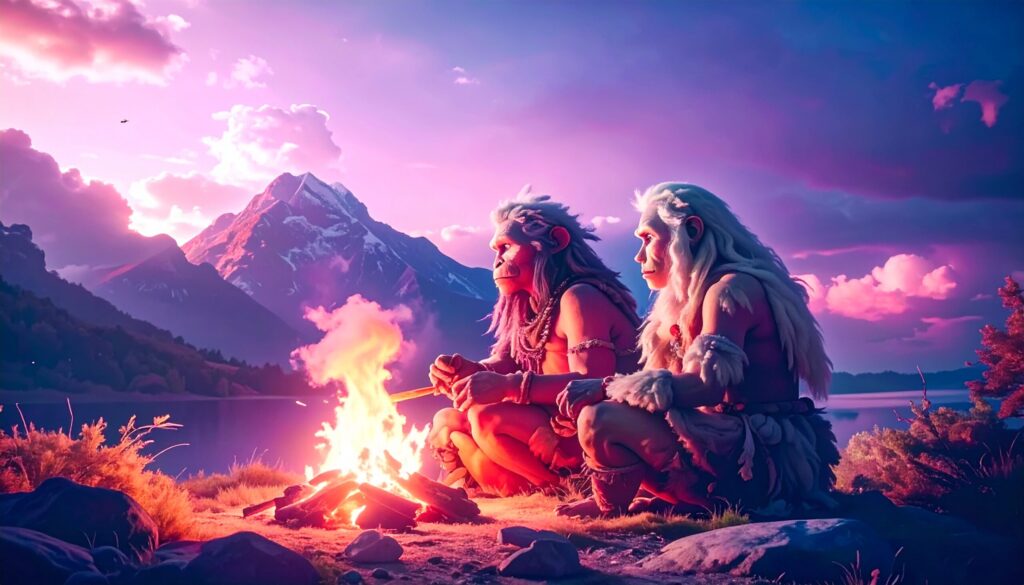
Nämä Urantian alkuasukkaat eivät olleet puissa-asujia, vaikka he hätätilanteissa yhä etsiytyivät turvaan puunlatvoihin. Normaalisti he asuivat kallionkielekkeiden tarjoamien katosten alla jokivarsilla sekä mäenrinteiden luolissa, joista oli hyvä näköala tulosuuntaan ja jotka tarjosivat suojan luonnonvoimia vastaan. Näin menetellen he saattoivat nauttia nuotioidensa tarjoamasta mukavuudesta ilman, että savusta oli liian paljon haittaa. Eivätkä he oikeastaan olleet luola-asukkaitakaan, vaikka viimeiset jäätiköt myöhempinä aikoina tunkeutuivatkin kauemmas etelään ja ajoivat heidän jälkeläisensä luoliin. He leiriytyivät mieluiten lähelle metsänreunaa ja virran äärelle.
Jo varsin varhaisessa vaiheessa heistä tuli huomattavan taitavia osittain piilossa olevien asuinsijojensa kätkemisessä, ja he osoittivat melkoista taituruutta rakentaessaan kivisiä makuukamareitaan, kuvunmuotoisia kivimajoja, joihin he ryömivät yön ajaksi. Tällaisen majan oviaukko suljettiin vierittämällä sen eteen suuri kivi, joka oli tätä tarkoitusta varten sijoitettu majan sisälle ennen kattokivien lopullista paikalleenasettamista.
Andoniitit olivat pelottomia ja menestyksellisiä metsästäjiä, ja ellei oteta huomioon luonnonmarjoja ja joidenkin puiden hedelmiä, he elivät yksinomaan lihaa syömällä. Niin kuin Andon oli keksinyt kivikirveen, niin keksivät hänen jälkeläisensä jo varhaisessa vaiheessa bumerangin ja harppuunan, joita he myös käyttivät tehokkaasti hyödykseen. Työkaluja luova mieli toimi vihdoinkin yhdessä työkaluja käyttävän käden kanssa, ja näistä alkuihmisistä kehittyi piikivityökalujen muotoilun alalla erittäin taitavia. Piikiveä etsiessään he kulkivat maita ja mantuja, aivan kuten nykyajan ihmiset matkustavat maailman ääriin etsiessään kultaa, platinaa ja timantteja.
Ja monilla muillakin tavoin nämä Andonin heimot osoittivat sellaista älykkyyden astetta, jota heidän taantuvat jälkeläisensä eivät saavuttaneet puoleen miljoonaan vuoteen, vaikka nämä erilaisia tulentekomenetelmiä yhä uudelleen keksivätkin.
The early Andon races did not penetrate very far into Asia, and they did not at first enter Africa. The geography of those times pointed them north, and farther and farther north these people journeyed until they were hindered by the slowly advancing ice of the third glacier.
Before this extensive ice sheet reached France and the British Isles, the descendants of Andon and Fonta had pushed on westward over Europe and had established more than one thousand separate settlements along the great rivers leading to the then warm waters of the North Sea.
These Andonic tribes were the early river dwellers of France; they lived along the river Somme for tens of thousands of years. The Somme is the one river unchanged by the glaciers, running down to the sea in those days much as it does today. And that explains why so much evidence of the Andonic descendants is found along the course of this river valley.
These aborigines of Urantia were not tree dwellers, though in emergencies they still betook themselves to the treetops. They regularly dwelt under the shelter of overhanging cliffs along the rivers and in hillside grottoes which afforded a good view of the approaches and sheltered them from the elements. They could thus enjoy the comfort of their fires without being too much inconvenienced by the smoke. They were not really cave dwellers either, though in subsequent times the later ice sheets came farther south and drove their descendants to the caves. They preferred to camp near the edge of a forest and beside a stream.
They very early became remarkably clever in disguising their partially sheltered abodes and showed great skill in constructing stone sleeping chambers, dome-shaped stone huts, into which they crawled at night. The entrance to such a hut was closed by rolling a stone in front of it, a large stone which had been placed inside for this purpose before the roof stones were finally put in place.
The Andonites were fearless and successful hunters and, with the exception of wild berries and certain fruits of the trees, lived exclusively on flesh. As Andon had invented the stone ax, so his descendants early discovered and made effective use of the throwing stick and the harpoon. At last a tool-creating mind was functioning in conjunction with an implement-using hand, and these early humans became highly skillful in the fashioning of flint tools. They traveled far and wide in search of flint, much as present-day humans journey to the ends of the earth in quest of gold, platinum, and diamonds.
And in many other ways these Andon tribes manifested a degree of intelligence which their retrogressing descendants did not attain in half a million years, though they did again and again rediscover various methods of kindling fire.
SuomiEnglish
Vanhimmat Andon-rodut eivät tunkeutuneet kovinkaan pitkälle Aasiaan, ja Afrikkaan ne eivät ensi alkuun menneet lainkaan. Tuolloin vallinneet maantieteelliset olosuhteet ohjasivat ne pohjoiseen, ja aina vain kauemmas pohjoiseen nämä ihmiset vaelsivat, kunnes hitaasti etenevä kolmannen jääkauden jää heidät pysäytti.
The early Andon races did not penetrate very far into Asia, and they did not at first enter Africa. The geography of those times pointed them north, and farther and farther north these people journeyed until they were hindered by the slowly advancing ice of the third glacier.
Ennen kuin tämä laajalle ulottunut jäätikkö saavutti Ranskan ja Brittein saaret, Andonin ja Fontan jälkeläiset olivat tunkeutuneet aina vain lännemmäksi Eurooppaan ja perustaneet suurten jokien varsille yli tuhat erillistä asutuskeskusta. Nämä joet laskivat tuolloin vielä lämminvetiseen Pohjanmereen.
Before this extensive ice sheet reached France and the British Isles, the descendants of Andon and Fonta had pushed on westward over Europe and had established more than one thousand separate settlements along the great rivers leading to the then warm waters of the North Sea.
Nämä andonilaisheimot olivat Ranskan ensimmäiset jokivarsiasukkaat; he asuivat Sommejoen varrella kymmeniä tuhansia vuosia. Somme on ainoa joki, jonka kulkua jäätiköt eivät muuttaneet, vaan tuohon aikaan se laski mereen suunnilleen niin kuin nykyisinkin. Ja se selittää, miksi tämän jokilaakson seutuvilta löydetään niin paljon aineistoa, joka todistaa Andonin jälkeläisten asuneen siellä.
These Andonic tribes were the early river dwellers of France; they lived along the river Somme for tens of thousands of years. The Somme is the one river unchanged by the glaciers, running down to the sea in those days much as it does today. And that explains why so much evidence of the Andonic descendants is found along the course of this river valley.
Nämä Urantian alkuasukkaat eivät olleet puissa-asujia, vaikka he hätätilanteissa yhä etsiytyivät turvaan puunlatvoihin. Normaalisti he asuivat kallionkielekkeiden tarjoamien katosten alla jokivarsilla sekä mäenrinteiden luolissa, joista oli hyvä näköala tulosuuntaan ja jotka tarjosivat suojan luonnonvoimia vastaan. Näin menetellen he saattoivat nauttia nuotioidensa tarjoamasta mukavuudesta ilman, että savusta oli liian paljon haittaa. Eivätkä he oikeastaan olleet luola-asukkaitakaan, vaikka viimeiset jäätiköt myöhempinä aikoina tunkeutuivatkin kauemmas etelään ja ajoivat heidän jälkeläisensä luoliin. He leiriytyivät mieluiten lähelle metsänreunaa ja virran äärelle.
These aborigines of Urantia were not tree dwellers, though in emergencies they still betook themselves to the treetops. They regularly dwelt under the shelter of overhanging cliffs along the rivers and in hillside grottoes which afforded a good view of the approaches and sheltered them from the elements. They could thus enjoy the comfort of their fires without being too much inconvenienced by the smoke. They were not really cave dwellers either, though in subsequent times the later ice sheets came farther south and drove their descendants to the caves. They preferred to camp near the edge of a forest and beside a stream.
Jo varsin varhaisessa vaiheessa heistä tuli huomattavan taitavia osittain piilossa olevien asuinsijojensa kätkemisessä, ja he osoittivat melkoista taituruutta rakentaessaan kivisiä makuukamareitaan, kuvunmuotoisia kivimajoja, joihin he ryömivät yön ajaksi. Tällaisen majan oviaukko suljettiin vierittämällä sen eteen suuri kivi, joka oli tätä tarkoitusta varten sijoitettu majan sisälle ennen kattokivien lopullista paikalleenasettamista.
They very early became remarkably clever in disguising their partially sheltered abodes and showed great skill in constructing stone sleeping chambers, dome-shaped stone huts, into which they crawled at night. The entrance to such a hut was closed by rolling a stone in front of it, a large stone which had been placed inside for this purpose before the roof stones were finally put in place.
Andoniitit olivat pelottomia ja menestyksellisiä metsästäjiä, ja ellei oteta huomioon luonnonmarjoja ja joidenkin puiden hedelmiä, he elivät yksinomaan lihaa syömällä. Niin kuin Andon oli keksinyt kivikirveen, niin keksivät hänen jälkeläisensä jo varhaisessa vaiheessa bumerangin ja harppuunan, joita he myös käyttivät tehokkaasti hyödykseen. Työkaluja luova mieli toimi vihdoinkin yhdessä työkaluja käyttävän käden kanssa, ja näistä alkuihmisistä kehittyi piikivityökalujen muotoilun alalla erittäin taitavia. Piikiveä etsiessään he kulkivat maita ja mantuja, aivan kuten nykyajan ihmiset matkustavat maailman ääriin etsiessään kultaa, platinaa ja timantteja.
The Andonites were fearless and successful hunters and, with the exception of wild berries and certain fruits of the trees, lived exclusively on flesh. As Andon had invented the stone ax, so his descendants early discovered and made effective use of the throwing stick and the harpoon. At last a tool-creating mind was functioning in conjunction with an implement-using hand, and these early humans became highly skillful in the fashioning of flint tools. They traveled far and wide in search of flint, much as present-day humans journey to the ends of the earth in quest of gold, platinum, and diamonds.
Ja monilla muillakin tavoin nämä Andonin heimot osoittivat sellaista älykkyyden astetta, jota heidän taantuvat jälkeläisensä eivät saavuttaneet puoleen miljoonaan vuoteen, vaikka nämä erilaisia tulentekomenetelmiä yhä uudelleen keksivätkin.
And in many other ways these Andon tribes manifested a degree of intelligence which their retrogressing descendants did not attain in half a million years, though they did again and again rediscover various methods of kindling fire.