
Teksti
Tausta
Näytä
Lisäasetukset
Kieli
Urantia Opas
Kysy kirjan sisällöstä. Opas vastaa Book Enginen omien lähdekohtien perusteella ja ohjaa sinut lukemaan ne.
Hei! 🙏
Olen sinun Urantia-oppaasi. Tehtäväni on auttaa sinua löytämään oikeat kohdat Urantia-kirjasta ja ymmärtämään sen opetuksia syvemmin. 😊❤️
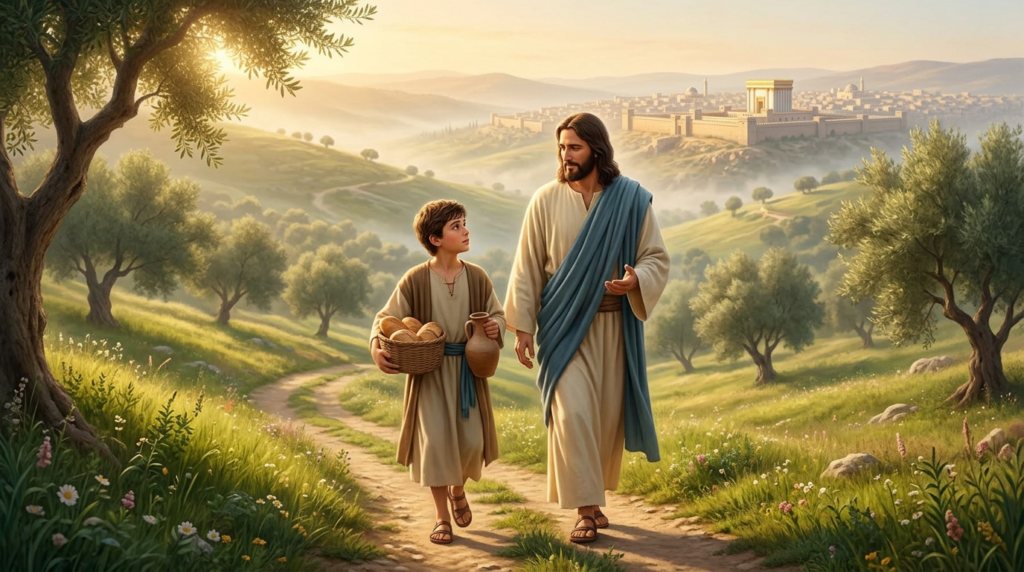
Apostolit käyttivät tämän päivän enimmäkseen siihen, että he käyskelivät Öljymäellä ja seurustelivat heidän kanssaan leiriytyneiden opetuslasten kanssa. Mutta iltapäivän alkupuolella he jo alkoivat kovasti toivoa, että he näkisivät Jeesuksen palaavan. Mitä pitemmälle päivä ehti, sitä huolestuneemmiksi he kävivät hänen turvallisuudestaan. Ilman häntä he tunsivat itsensä selittämättömän yksinäisiksi. Koko päivä käytiin paljon väittelyä siitä, olisiko heidän ollenkaan pitänyt antaa Mestarin mennä kukkuloille yksikseen vain asiapoika seuranaan. Vaikkei kukaan avoimesti sillä tavoin tuonutkaan ajatuksiaan julki, heidän joukossaan ei Juudas Iskariotia lukuun ottamatta ollut ketään, joka ei olisi halunnut olla Johannes Markuksen tilalla.
Oltiin jo iltapäivän keskivaiheilla, kun Natanael piti puheen aiheesta ”Korkein halu” noin puolelle tusinalle apostolille ja yhtä monelle opetuslapselle, ja puheen päätössanat kuuluivat: ”Useimmissa meistä on se vika, että olemme puolinaisia. Emme rakasta Mestaria niin kuin hän rakastaa meitä. Jos olisimme kaikki halunneet mennä hänen kanssaan yhtä kiihkeästi kuin Johannes Markus, hän olisi varmasti ottanut meidät kaikki mukaansa. Me vain seisoimme sivussa, kun tuo nuorukainen lähestyi Mestaria ja tarjosi hänelle eväskoria, mutta kun Mestari tarttui siihen kädellään, poikapa ei hellittänytkään otettaan. Ja niin Mestari jätti meidät tänne ja meni itse sen sijaan kukkuloille koreineen, poikineen ja kaikkineen.”
Neljän maissa iltapäivällä Daavid Sebedeuksen luo saapui juoksulähettejä, jotka toivat viestin hänen äidiltään Betsaidasta samoin kuin Jeesuksen äidiltä. Daavid oli useita päiviä aikaisemmin päätellyt, että pääpapit ja esimiehet aikoivat tappaa Jeesuksen. Daavid tiesi heidän olevan päättäväisesti sillä kannalla, että he surmaisivat Mestarin, ja hän oli jokseenkin vakuuttunut siitä, ettei Jeesus käyttäisi jumalallista valtaansa pelastaakseen itsensä eikä myöskään sallisi seuraajiensa käyttää voimakeinoja hänen puolustamisekseen. Nämä johtopäätökset tehtyään hän aikaa hukkaamatta lähetti sanansaattajan äitinsä luo kehottaen tätä tulemaan heti Jerusalemiin ja tuomaan mukanaan Jeesuksen äidin Marian ja kaikki hänen perheensä jäsenet.
Daavidin äiti teki kuten hänen poikansa pyysi, ja nyt juoksulähetit palasivat Daavidin luo tuoden sanan, että hänen äitinsä ja kaikki Jeesuksen perheen jäsenet olivat matkalla Jerusalemiin ja saapuisivat perille johonkin aikaan seuraavan päivän loppupuolella tai varhain sitä seuraavana aamuna. Koska Daavid teki näin omasta aloitteestaan, hän katsoi viisaaksi pitää asian omana tietonaan. Sen vuoksi hän ei kertonut kenellekään Jeesuksen perheen olevan matkalla Jerusalemiin.
Hieman keskipäivän jälkeen leiriin saapui yli kaksikymmentä niistä kreikkalaisista, jotka olivat tavanneet Jeesuksen ja kaksitoista apostolia Joosef Arimatealaisen kodissa, ja Pietari ja Johannes keskustelivat heidän kanssaan usean tunnin ajan. Nämä kreikkalaiset, tai ainakin jotkut heistä, olivat päässeet jo pitkälle tietämyksessään valtakunnasta, sillä he olivat saaneet Aleksandriassa opastusta Rodanilta.
Samana iltana Jeesus kävi leirille palattuaan keskusteluja näiden kreikkalaisten kanssa, ja ellei sellainen menettely olisi hänen apostolejaan ja monia hänen eturivin opetuslapsiaan suuresti järkyttänyt, hän olisi vihkinyt virkaansa nämä kaksikymmentä kreikkalaista, aivan kuten hän oli asettanut virkaan seitsemänkymmentä opetuslasta.
Kun leirillä tapahtui kaikkea edellä kerrottua, Jerusalemissa taas pääpapit ja vanhimmat hämmästelivät, ettei Jeesus palannutkaan puhumaan väkijoukoille. Olihan Jeesus tosin edellisenä päivänä temppelistä lähtiessään sanonut: ”Jätän teidän talonne teille autioksi”, mutta he eivät voineet ymmärtää, miksi hän olisi ollut valmis luopumaan siitä varsin vahvasta asemasta, jonka hän oli väkijoukkojen suopean asennoitumisen pohjalle rakentanut. Vaikka he pelkäsivät, että Mestari lietsoisi rahvaan keskuudessa metelin, hänen viimeiset kansanpaljoudelle osoittamansa sanat olivat kuitenkin olleet kehotus mukautua kaikin kohtuullisin tavoin niiden käskyvaltaan, jotka ”istuvat Mooseksen istuimella”. Kaiken kaikkiaan päivä oli kaupungissa täynnä hyörinää, valmistautuivathan he samalla pääsiäisen viettoon, kun hioivat suunnitelmiaan Jeesuksen surmaamiseksi.
Leirillä ei käynyt montakaan ihmistä, sillä kaikki, jotka tiesivät Jeesuksen aikomuksesta oleskella siellä, sen sijaan että olisi joka ilta mennyt Betaniaan, olivat pitäneet leirin pystyttämisen hyvin varjeltuna salaisuutena.
The apostles spent most of this day walking about on Mount Olivet and visiting with the disciples who were encamped with them, but early in the afternoon they became very desirous of seeing Jesus return. As the day wore on, they grew increasingly anxious about his safety; they felt inexpressibly lonely without him. There was much debating throughout the day as to whether the Master should have been allowed to go off by himself in the hills, accompanied only by an errand boy. Though no man openly so expressed his thoughts, there was not one of them, save Judas Iscariot, who did not wish himself in John Mark’s place.
It was about midafternoon when Nathaniel made his speech on “Supreme Desire” to about half a dozen of the apostles and as many disciples, the ending of which was: “What is wrong with most of us is that we are only halfhearted. We fail to love the Master as he loves us. If we had all wanted to go with him as much as John Mark did, he would surely have taken us all. We stood by while the lad approached the Master and offered him the basket, but when the Master took hold of it, the lad would not let go. And so the Master left us here while he went off to the hills with basket, boy, and all.”
About four o’clock, runners came to David Zebedee bringing him word from his mother at Bethsaida and from Jesus’ mother. Several days previously David had made up his mind that the chief priests and rulers were going to kill Jesus. David knew they were determined to destroy the Master, and he was about convinced that Jesus would neither exert his divine power to save himself nor permit his followers to employ force in his defense. Having reached these conclusions, he lost no time in dispatching a messenger to his mother, urging her to come at once to Jerusalem and to bring Mary the mother of Jesus and every member of his family.
David’s mother did as her son requested, and now the runners came back to David bringing the word that his mother and Jesus’ entire family were on the way to Jerusalem and should arrive sometime late on the following day or very early the next morning. Since David did this on his own initiative, he thought it wise to keep the matter to himself. He told no one, therefore, that Jesus’ family was on the way to Jerusalem.
Shortly after noon, more than twenty of the Greeks who had met with Jesus and the twelve at the home of Joseph of Arimathea arrived at the camp, and Peter and John spent several hours in conference with them. These Greeks, at least some of them, were well advanced in the knowledge of the kingdom, having been instructed by Rodan at Alexandria.
That evening, after returning to the camp, Jesus visited with the Greeks, and had it not been that such a course would have greatly disturbed his apostles and many of his leading disciples, he would have ordained these twenty Greeks, even as he had the seventy.
While all of this was going on at the camp, in Jerusalem the chief priests and elders were amazed that Jesus did not return to address the multitudes. True, the day before, when he left the temple, he had said, “I leave your house to you desolate.” But they could not understand why he would be willing to forgo the great advantage which he had built up in the friendly attitude of the crowds. While they feared he would stir up a tumult among the people, the Master’s last words to the multitude had been an exhortation to conform in every reasonable manner with the authority of those “who sit in Moses’ seat.” But it was a busy day in the city as they simultaneously prepared for the Passover and perfected their plans for destroying Jesus.
Not many people came to the camp, for its establishment had been kept a well-guarded secret by all who knew that Jesus was expecting to stay there in place of going out to Bethany every night.
SuomiEnglish
Apostolit käyttivät tämän päivän enimmäkseen siihen, että he käyskelivät Öljymäellä ja seurustelivat heidän kanssaan leiriytyneiden opetuslasten kanssa. Mutta iltapäivän alkupuolella he jo alkoivat kovasti toivoa, että he näkisivät Jeesuksen palaavan. Mitä pitemmälle päivä ehti, sitä huolestuneemmiksi he kävivät hänen turvallisuudestaan. Ilman häntä he tunsivat itsensä selittämättömän yksinäisiksi. Koko päivä käytiin paljon väittelyä siitä, olisiko heidän ollenkaan pitänyt antaa Mestarin mennä kukkuloille yksikseen vain asiapoika seuranaan. Vaikkei kukaan avoimesti sillä tavoin tuonutkaan ajatuksiaan julki, heidän joukossaan ei Juudas Iskariotia lukuun ottamatta ollut ketään, joka ei olisi halunnut olla Johannes Markuksen tilalla.
The apostles spent most of this day walking about on Mount Olivet and visiting with the disciples who were encamped with them, but early in the afternoon they became very desirous of seeing Jesus return. As the day wore on, they grew increasingly anxious about his safety; they felt inexpressibly lonely without him. There was much debating throughout the day as to whether the Master should have been allowed to go off by himself in the hills, accompanied only by an errand boy. Though no man openly so expressed his thoughts, there was not one of them, save Judas Iscariot, who did not wish himself in John Mark’s place.
Oltiin jo iltapäivän keskivaiheilla, kun Natanael piti puheen aiheesta ”Korkein halu” noin puolelle tusinalle apostolille ja yhtä monelle opetuslapselle, ja puheen päätössanat kuuluivat: ”Useimmissa meistä on se vika, että olemme puolinaisia. Emme rakasta Mestaria niin kuin hän rakastaa meitä. Jos olisimme kaikki halunneet mennä hänen kanssaan yhtä kiihkeästi kuin Johannes Markus, hän olisi varmasti ottanut meidät kaikki mukaansa. Me vain seisoimme sivussa, kun tuo nuorukainen lähestyi Mestaria ja tarjosi hänelle eväskoria, mutta kun Mestari tarttui siihen kädellään, poikapa ei hellittänytkään otettaan. Ja niin Mestari jätti meidät tänne ja meni itse sen sijaan kukkuloille koreineen, poikineen ja kaikkineen.”
It was about midafternoon when Nathaniel made his speech on “Supreme Desire” to about half a dozen of the apostles and as many disciples, the ending of which was: “What is wrong with most of us is that we are only halfhearted. We fail to love the Master as he loves us. If we had all wanted to go with him as much as John Mark did, he would surely have taken us all. We stood by while the lad approached the Master and offered him the basket, but when the Master took hold of it, the lad would not let go. And so the Master left us here while he went off to the hills with basket, boy, and all.”
Neljän maissa iltapäivällä Daavid Sebedeuksen luo saapui juoksulähettejä, jotka toivat viestin hänen äidiltään Betsaidasta samoin kuin Jeesuksen äidiltä. Daavid oli useita päiviä aikaisemmin päätellyt, että pääpapit ja esimiehet aikoivat tappaa Jeesuksen. Daavid tiesi heidän olevan päättäväisesti sillä kannalla, että he surmaisivat Mestarin, ja hän oli jokseenkin vakuuttunut siitä, ettei Jeesus käyttäisi jumalallista valtaansa pelastaakseen itsensä eikä myöskään sallisi seuraajiensa käyttää voimakeinoja hänen puolustamisekseen. Nämä johtopäätökset tehtyään hän aikaa hukkaamatta lähetti sanansaattajan äitinsä luo kehottaen tätä tulemaan heti Jerusalemiin ja tuomaan mukanaan Jeesuksen äidin Marian ja kaikki hänen perheensä jäsenet.
About four o’clock, runners came to David Zebedee bringing him word from his mother at Bethsaida and from Jesus’ mother. Several days previously David had made up his mind that the chief priests and rulers were going to kill Jesus. David knew they were determined to destroy the Master, and he was about convinced that Jesus would neither exert his divine power to save himself nor permit his followers to employ force in his defense. Having reached these conclusions, he lost no time in dispatching a messenger to his mother, urging her to come at once to Jerusalem and to bring Mary the mother of Jesus and every member of his family.
Daavidin äiti teki kuten hänen poikansa pyysi, ja nyt juoksulähetit palasivat Daavidin luo tuoden sanan, että hänen äitinsä ja kaikki Jeesuksen perheen jäsenet olivat matkalla Jerusalemiin ja saapuisivat perille johonkin aikaan seuraavan päivän loppupuolella tai varhain sitä seuraavana aamuna. Koska Daavid teki näin omasta aloitteestaan, hän katsoi viisaaksi pitää asian omana tietonaan. Sen vuoksi hän ei kertonut kenellekään Jeesuksen perheen olevan matkalla Jerusalemiin.
David’s mother did as her son requested, and now the runners came back to David bringing the word that his mother and Jesus’ entire family were on the way to Jerusalem and should arrive sometime late on the following day or very early the next morning. Since David did this on his own initiative, he thought it wise to keep the matter to himself. He told no one, therefore, that Jesus’ family was on the way to Jerusalem.
Hieman keskipäivän jälkeen leiriin saapui yli kaksikymmentä niistä kreikkalaisista, jotka olivat tavanneet Jeesuksen ja kaksitoista apostolia Joosef Arimatealaisen kodissa, ja Pietari ja Johannes keskustelivat heidän kanssaan usean tunnin ajan. Nämä kreikkalaiset, tai ainakin jotkut heistä, olivat päässeet jo pitkälle tietämyksessään valtakunnasta, sillä he olivat saaneet Aleksandriassa opastusta Rodanilta.
Shortly after noon, more than twenty of the Greeks who had met with Jesus and the twelve at the home of Joseph of Arimathea arrived at the camp, and Peter and John spent several hours in conference with them. These Greeks, at least some of them, were well advanced in the knowledge of the kingdom, having been instructed by Rodan at Alexandria.
Samana iltana Jeesus kävi leirille palattuaan keskusteluja näiden kreikkalaisten kanssa, ja ellei sellainen menettely olisi hänen apostolejaan ja monia hänen eturivin opetuslapsiaan suuresti järkyttänyt, hän olisi vihkinyt virkaansa nämä kaksikymmentä kreikkalaista, aivan kuten hän oli asettanut virkaan seitsemänkymmentä opetuslasta.
That evening, after returning to the camp, Jesus visited with the Greeks, and had it not been that such a course would have greatly disturbed his apostles and many of his leading disciples, he would have ordained these twenty Greeks, even as he had the seventy.
Kun leirillä tapahtui kaikkea edellä kerrottua, Jerusalemissa taas pääpapit ja vanhimmat hämmästelivät, ettei Jeesus palannutkaan puhumaan väkijoukoille. Olihan Jeesus tosin edellisenä päivänä temppelistä lähtiessään sanonut: ”Jätän teidän talonne teille autioksi”, mutta he eivät voineet ymmärtää, miksi hän olisi ollut valmis luopumaan siitä varsin vahvasta asemasta, jonka hän oli väkijoukkojen suopean asennoitumisen pohjalle rakentanut. Vaikka he pelkäsivät, että Mestari lietsoisi rahvaan keskuudessa metelin, hänen viimeiset kansanpaljoudelle osoittamansa sanat olivat kuitenkin olleet kehotus mukautua kaikin kohtuullisin tavoin niiden käskyvaltaan, jotka ”istuvat Mooseksen istuimella”. Kaiken kaikkiaan päivä oli kaupungissa täynnä hyörinää, valmistautuivathan he samalla pääsiäisen viettoon, kun hioivat suunnitelmiaan Jeesuksen surmaamiseksi.
While all of this was going on at the camp, in Jerusalem the chief priests and elders were amazed that Jesus did not return to address the multitudes. True, the day before, when he left the temple, he had said, “I leave your house to you desolate.” But they could not understand why he would be willing to forgo the great advantage which he had built up in the friendly attitude of the crowds. While they feared he would stir up a tumult among the people, the Master’s last words to the multitude had been an exhortation to conform in every reasonable manner with the authority of those “who sit in Moses’ seat.” But it was a busy day in the city as they simultaneously prepared for the Passover and perfected their plans for destroying Jesus.
Leirillä ei käynyt montakaan ihmistä, sillä kaikki, jotka tiesivät Jeesuksen aikomuksesta oleskella siellä, sen sijaan että olisi joka ilta mennyt Betaniaan, olivat pitäneet leirin pystyttämisen hyvin varjeltuna salaisuutena.
Not many people came to the camp, for its establishment had been kept a well-guarded secret by all who knew that Jesus was expecting to stay there in place of going out to Bethany every night.