
Teksti
Tausta
Näytä
Lisäasetukset
Kieli
Urantia Opas
Kysy kirjan sisällöstä. Opas vastaa Book Enginen omien lähdekohtien perusteella ja ohjaa sinut lukemaan ne.
Hei! 🙏
Olen sinun Urantia-oppaasi. Tehtäväni on auttaa sinua löytämään oikeat kohdat Urantia-kirjasta ja ymmärtämään sen opetuksia syvemmin. 😊❤️
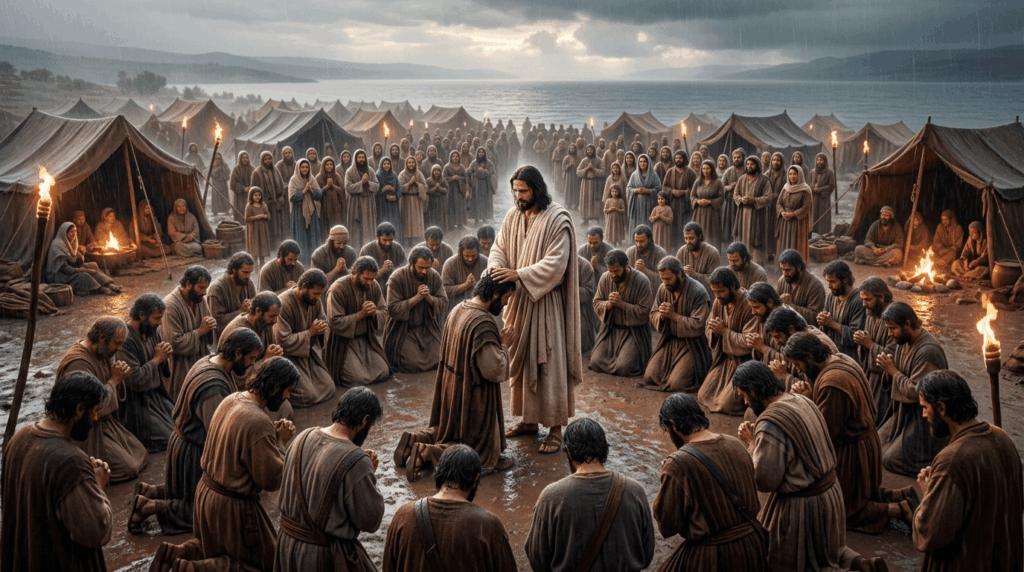
Yli viisikymmentä opetuslasta, jotka halusivat vihkimistä ja nimitystä seitsemänkymmenjäsenisen opettajaryhmän jäseneksi, joutui se komitea hylkäämään, jonka Jeesus oli nimittänyt valitsemaan nämä ehdokkaat. Tähän komiteaan kuuluivat Andreas, Abner ja evankelistaryhmän silloinen päällikkö. Kaikissa tapauksissa, joista tämä kolmimiehinen komitea ei päässyt yksimieliseen ratkaisuun, se toi ehdokkaan Jeesuksen luo, ja vaikkei Mestari koskaan hylännyt ainoatakaan henkilöä, joka halusi tulla vihityksi evankeliumin sanansaattajaksi, runsaassa kymmenessä tapauksessa kävi niin, että asianomainen Jeesuksen kanssa keskusteltuaan ei enää tuntenutkaan halua tulla evankeliumin sanansaattajaksi.
Muuan vilpitön opetuslapsi tuli Jeesuksen luo sanoen: ”Mestari, tahtoisin olla yksi uusista apostoleistasi, mutta isäni on perin iäkäs ja lähestyy kuolemaa; voisinko saada luvan palata kotiin hautaamaan hänet?” Tälle miehelle Jeesus sanoi: ”Poikani, ketuilla on kolonsa ja taivaan linnuilla on pesänsä, mutta Ihmisen Pojalla ei ole, mihin päänsä kallistaisi. Olet uskollinen opetuslapsi ja sitä sinä voit olla yhä, vaikka palaatkin kotiin hoivaamaan rakkaitasi, mutta evankeliumin sanansaattajieni kohdalla asiat eivät ole näin. He ovat luopuneet kaikesta seuratakseen minua ja julistaakseen valtakuntaa. Jos tahdot olla vihitty opettaja, sinun täytyy jättää kuolleitten hautaaminen muiden huoleksi, sillä lähdet tekemään tunnetuksi ilosanomaa.” Ja tämä mies poistui paikalta suuren pettymyksen vallassa.
Eräs toinen opetuslapsi tuli Mestarin luo ja lausui: ”Tahtoisin, että minusta tulee vihitty sanansaattaja, mutta menisin mielelläni vähäksi aikaa kotiin lohduttamaan perhettäni.” Ja Jeesus vastasi: ”Jos tahdot, että sinut vihitään, sinun pitää olla valmis luopumaan kaikesta. Evankeliumin sanansaattajien kiintymys ei saa suuntautua kahtaalle. Ei kukaan, joka auran varteen jo tartuttuaan kääntyy takaisin, ole kelvollinen valtakunnan sanansaattajaksi.”
Sitten Andreas toi Jeesuksen luo erään rikkaan nuoren miehen, joka oli harras uskova ja joka halusi saada vihkimyksen. Tämä nuori mies, Matadormus, oli Jerusalemin sanhedrinin jäsen. Hän oli kuullut Jeesuksen opetusta, ja jälkeenpäin Pietari ja muut apostolit olivat antaneet hänelle opetusta valtakunnan evankeliumista. Jeesus keskusteli Matadormuksen kanssa virkaanasettamisen edellytyksistä ja kehotti häntä lykkäämään päätöksentekoaan siksi, kunnes olisi miettinyt asiaa perusteellisemmin. Varhain seuraavana aamuna, kun Jeesus oli lähdössä kävelylle, tämä nuori mies puhutteli häntä sanoen: ”Mestari, tahtoisin saada sinun lausuminasi tietää, mitkä seikat varmistavat ikuisen elämän. Kun otetaan huomioon, että olen nuoruudestani lähtien noudattanut kaikkia käskyjä, tahtoisin tietää, mitä minun on sen lisäksi tehtävä ikuisen elämän saadakseni?” Vastaukseksi tähän kysymykseen Jeesus sanoi: ”Jos pidät kaikki käskyt – älä tee huorin, älä tapa, älä varasta, älä lausu väärää todistusta, älä petä, kunnioita vanhempiasi –, niin teet oikein, mutta pelastus on palkinto uskosta, ei pelkästään teoista. Uskotko sinä tämän valtakunnan evankeliumin?” Ja Matadormus vastasi: ”Uskon, Mestari, kyllä minä uskon kaiken, mitä sinä ja apostolisi olette minulle opettaneet.” Ja Jeesus sanoi: ”Sitten sinä totisesti olet minun opetuslapseni ja valtakunnan lapsi.”
Silloin nuori mies sanoi: ”Mutta, Mestari, en tyydy olemaan opetuslapsesi, vaan tahtoisin olla yksi uusista sanansaattajistasi.” Tämän kuullessaan Jeesus katsoi häntä suurella rakkaudella ja sanoi: ”Tahdon saada sinusta yhden sanansaattajistani, jos olet valmis maksamaan hinnan, jota siitä pyydetään; jos tahdot hankkia sen yhden ainoan seikan, joka sinulta puuttuu.” Matadormus vastasi: ”Mestari, teen mitä tahansa, jos minun sallitaan seurata sinua.” Maahan polvistunutta nuorta miestä otsalle suudellen Jeesus sanoi: ”Jos tahdot olla sanansaattajani, mene ja myy kaikki, mitä sinulla on, ja kun olet lahjoittanut köyhille tai veljillesi, mitä siitä saat, tule ja seuraa minua, ja niin on sinulla aarre taivaan valtakunnassa.”
Kun Matadormus tämän kuuli, hänen mielialansa luhistui. Hän nousi ja meni surullisena pois, sillä hänen omaisuutensa oli suuri. Tämä varakas, nuori fariseus oli kasvatettu siihen uskoon, että vauraus oli merkki Jumalan suosiosta. Jeesus tiesi, että Matadormus rakasti yhä itseään ja rikkauksiaan. Mestari halusi vapauttaa hänet varallisuuden rakastamisesta, ei välttämättä varallisuudesta. Vaikkeivät Jeesuksen opetuslapset luopuneetkaan kaikista maailmallisista tavaroistaan, apostolit ja seitsemänkymmentä sanansaattajaa kylläkin niin tekivät. Matadormus halusi olla yksi seitsemästäkymmenestä uudesta sanansaattajasta, ja tämä oli syy siihen, miksi Jeesus vaati häntä luopumaan kaikesta, mitä tämä ajallisuudessa omisti.
Miltei jokaisella ihmisellä on jotakin, josta hän pitää kiinni helmasyntinään ja jonka taivaan valtakuntaan pääseminen vaatii osana sisäänpääsymaksua. Mikäli Matadormus olisi luopunut varallisuudestaan, se olisi luultavasti saman tien annettu takaisin hänen haltuunsa, jotta hän olisi hoitanut sitä seitsemänkymmenen sanansaattajan rahastonhoitajana. Sillä myöhemmin, sitten kun Jerusalemin seurakunta oli perustettu, kävi niin, että hän tosiaankin noudatti Mestarin kehotusta, vaikka seitsemänkymmenen sanansaattajan jäsenyyteen pääseminen silloin olikin jo myöhäistä, ja hänestä tuli Jerusalemin seurakunnan rahastonhoitaja, sen seurakunnan, jonka esimiehenä oli Herran lihallinen veli Jaakob.
Näin siis on aina pitänyt paikkansa ja tulee aina pitämään paikkansa, että ihmisten tulee tehdä päätöksensä itse. Kuolevaisen käytettävissä on tietty valinnanvapauden alue. Hengellisen maailman voimat eivät pakota ihmistä, vaan ne antavat hänen kulkea tietä, jonka hän on itse valinnut.
Jeesus näki ennakolta, ettei Matadormuksesta rikkauksineen mitenkään voinut tulla sellaisten ihmisten vihittyä työtoveria, jotka olivat evankeliumin hyväksi luopuneet kaikesta. Samalla hän näki, että ilman rikkauksiaan hänestä tulisi näiden kaikkien ehdoton johtaja. Mutta Jeesuksen omien veljien tavoin hänestä ei koskaan tullut suurta valtakunnassa, koska hän riisti itseltään sen läheisen ja henkilökohtaisen yhteyden Mestariin, joka olisi voinut olla hänen kokemuksensa, jos hän olisi ollut tuohon aikaan valmis tekemään juuri niin kuin Jeesus pyysi ja niin kuin hän sitten useita vuosia myöhemmin itse asiassa tekikin.
Rikkauksilla ei suoranaisesti ole mitään tekemistä taivaan valtakuntaan pääsemisen kanssa, mutta varallisuuden rakastamisella on. Valtakunnan hengelliset lojaalisuudet eivät käy yhteen sellaisen kanssa, että madellaan materialistisen mammonan edessä. Ihminen ei voi jakaa hengellistä ihannetta kohtaan tunnettavaa korkeinta lojaalisuutta jonkin aineellisen kiintymyksen kohteen kanssa.
Jeesus ei koskaan opettanut, että olisi väärin omistaa varallisuutta. Vain kahdeltatoista apostolilta ja seitsemältäkymmeneltä sanansaattajalta hän edellytti, että nämä osoittivat koko maallisen omaisuutensa yhteisen asian hyväksi. Ja silloinkin hän edellytti, että heidän omaisuutensa realisoitiin tuottavasti, kuten apostoli Matteuksen tapauksessa. Monta kertaa Jeesus neuvoi varakkaita opetuslapsiaan samaan tapaan kuin hän oli opettanut roomalaista rikasta miestä. Mestari piti ylimääräisten ansioiden viisasta sijoittamista täysin oikeutettuna keinona varautua tulevia ja väistämättömiä vastoinkäymisiä vastaan. Milloin apostolien kassassa oli varoja yli tarpeen, Juudas teki näistä varoista talletuksia, jotka olisivat käytettävissä myöhemmin, kun he saattaisivat joutua kärsimään kovastikin tulojen vähenemisestä. Juudas teki talletuksensa neuvoteltuaan asiasta Andreaksen kanssa. Jeesuksella ei henkilökohtaisesti ollut koskaan mitään tekemistä apostolien muiden raha-asioiden kuin almujen jakamisen kanssa. Mutta oli yksi taloudellinen väärinkäytös, jonka hän monet kerrat tuomitsi, ja se oli heikkojen, oppimattomien ja vähemmän onnekkaiden ihmisten joutuminen vahvojen, teräväpäisten ja älykkäämpien kanssaihmistensä epäoikeudenmukaisen riiston kohteiksi. Jeesus julisti, että tuonkaltainen miesten, naisten ja lasten epäinhimillinen kohtelu ei käynyt yksiin taivaan valtakunnan veljesyhteisön ihanteiden kanssa.
Over fifty disciples who sought ordination and appointment to membership in the seventy were rejected by the committee appointed by Jesus to select these candidates. This committee consisted of Andrew, Abner, and the acting head of the evangelistic corps. In all cases where this committee of three were not unanimous in agreement, they brought the candidate to Jesus, and while the Master never rejected a single person who craved ordination as a gospel messenger, there were more than a dozen who, when they had talked with Jesus, no more desired to become gospel messengers.
One earnest disciple came to Jesus, saying: “Master, I would be one of your new apostles, but my father is very old and near death; could I be permitted to return home to bury him?” To this man Jesus said: “My son, the foxes have holes, and the birds of heaven have nests, but the Son of Man has nowhere to lay his head. You are a faithful disciple, and you can remain such while you return home to minister to your loved ones, but not so with my gospel messengers. They have forsaken all to follow me and proclaim the kingdom. If you would be an ordained teacher, you must let others bury the dead while you go forth to publish the good news.” And this man went away in great disappointment.
Another disciple came to the Master and said: “I would become an ordained messenger, but I would like to go to my home for a short while to comfort my family.” And Jesus replied: “If you would be ordained, you must be willing to forsake all. The gospel messengers cannot have divided affections. No man, having put his hand to the plough, if he turns back, is worthy to become a messenger of the kingdom.”
Then Andrew brought to Jesus a certain rich young man who was a devout believer, and who desired to receive ordination. This young man, Matadormus, was a member of the Jerusalem Sanhedrin; he had heard Jesus teach and had been subsequently instructed in the gospel of the kingdom by Peter and the other apostles. Jesus talked with Matadormus concerning the requirements of ordination and requested that he defer decision until after he had thought more fully about the matter. Early the next morning, as Jesus was going for a walk, this young man accosted him and said: “Master, I would know from you the assurances of eternal life. Seeing that I have observed all the commandments from my youth, I would like to know what more I must do to gain eternal life?” In answer to this question Jesus said: “If you keep all the commandments—do not commit adultery, do not kill, do not steal, do not bear false witness, do not defraud, honor your parents—you do well, but salvation is the reward of faith, not merely of works. Do you believe this gospel of the kingdom?” And Matadormus answered: “Yes, Master, I do believe everything you and your apostles have taught me.” And Jesus said, “Then are you indeed my disciple and a child of the kingdom.”
Then said the young man: “But, Master, I am not content to be your disciple; I would be one of your new messengers.” When Jesus heard this, he looked down upon him with a great love and said: “I will have you to be one of my messengers if you are willing to pay the price, if you will supply the one thing which you lack.” Matadormus replied: “Master, I will do anything if I may be allowed to follow you.” Jesus, kissing the kneeling young man on the forehead, said: “If you would be my messenger, go and sell all that you have and, when you have bestowed the proceeds upon the poor or upon your brethren, come and follow me, and you shall have treasure in the kingdom of heaven.”
When Matadormus heard this, his countenance fell. He arose and went away sorrowful, for he had great possessions. This wealthy young Pharisee had been raised to believe that wealth was the token of God’s favor. Jesus knew that he was not free from the love of himself and his riches. The Master wanted to deliver him from the love of wealth, not necessarily from the wealth. While the disciples of Jesus did not part with all their worldly goods, the apostles and the seventy did. Matadormus desired to be one of the seventy new messengers, and that was the reason for Jesus’ requiring him to part with all of his temporal possessions.
Almost every human being has some one thing which is held on to as a pet evil, and which the entrance into the kingdom of heaven requires as a part of the price of admission. If Matadormus had parted with his wealth, it probably would have been put right back into his hands for administration as treasurer of the seventy. For later on, after the establishment of the church at Jerusalem, he did obey the Master’s injunction, although it was then too late to enjoy membership in the seventy, and he became the treasurer of the Jerusalem church, of which James the Lord’s brother in the flesh was the head.
Thus always it was and forever will be: Men must arrive at their own decisions. There is a certain range of the freedom of choice which mortals may exercise. The forces of the spiritual world will not coerce man; they allow him to go the way of his own choosing.
Jesus foresaw that Matadormus, with his riches, could not possibly become an ordained associate of men who had forsaken all for the gospel; at the same time, he saw that, without his riches, he would become the ultimate leader of all of them. But, like Jesus’ own brethren, he never became great in the kingdom because he deprived himself of that intimate and personal association with the Master which might have been his experience had he been willing to do at this time the very thing which Jesus asked, and which, several years subsequently, he actually did.
Riches have nothing directly to do with entrance into the kingdom of heaven, but the love of wealth does. The spiritual loyalties of the kingdom are incompatible with servility to materialistic mammon. Man may not share his supreme loyalty to a spiritual ideal with a material devotion.
Jesus never taught that it was wrong to have wealth. He required only the twelve and the seventy to dedicate all of their worldly possessions to the common cause. Even then, he provided for the profitable liquidation of their property, as in the case of the Apostle Matthew. Jesus many times advised his well-to-do disciples as he taught the rich man of Rome. The Master regarded the wise investment of excess earnings as a legitimate form of insurance against future and unavoidable adversity. When the apostolic treasury was overflowing, Judas put funds on deposit to be used subsequently when they might suffer greatly from a diminution of income. This Judas did after consultation with Andrew. Jesus never personally had anything to do with the apostolic finances except in the disbursement of alms. But there was one economic abuse which he many times condemned, and that was the unfair exploitation of the weak, unlearned, and less fortunate of men by their strong, keen, and more intelligent fellows. Jesus declared that such inhuman treatment of men, women, and children was incompatible with the ideals of the brotherhood of the kingdom of heaven.
SuomiEnglish
Yli viisikymmentä opetuslasta, jotka halusivat vihkimistä ja nimitystä seitsemänkymmenjäsenisen opettajaryhmän jäseneksi, joutui se komitea hylkäämään, jonka Jeesus oli nimittänyt valitsemaan nämä ehdokkaat. Tähän komiteaan kuuluivat Andreas, Abner ja evankelistaryhmän silloinen päällikkö. Kaikissa tapauksissa, joista tämä kolmimiehinen komitea ei päässyt yksimieliseen ratkaisuun, se toi ehdokkaan Jeesuksen luo, ja vaikkei Mestari koskaan hylännyt ainoatakaan henkilöä, joka halusi tulla vihityksi evankeliumin sanansaattajaksi, runsaassa kymmenessä tapauksessa kävi niin, että asianomainen Jeesuksen kanssa keskusteltuaan ei enää tuntenutkaan halua tulla evankeliumin sanansaattajaksi.
Over fifty disciples who sought ordination and appointment to membership in the seventy were rejected by the committee appointed by Jesus to select these candidates. This committee consisted of Andrew, Abner, and the acting head of the evangelistic corps. In all cases where this committee of three were not unanimous in agreement, they brought the candidate to Jesus, and while the Master never rejected a single person who craved ordination as a gospel messenger, there were more than a dozen who, when they had talked with Jesus, no more desired to become gospel messengers.
Muuan vilpitön opetuslapsi tuli Jeesuksen luo sanoen: ”Mestari, tahtoisin olla yksi uusista apostoleistasi, mutta isäni on perin iäkäs ja lähestyy kuolemaa; voisinko saada luvan palata kotiin hautaamaan hänet?” Tälle miehelle Jeesus sanoi: ”Poikani, ketuilla on kolonsa ja taivaan linnuilla on pesänsä, mutta Ihmisen Pojalla ei ole, mihin päänsä kallistaisi. Olet uskollinen opetuslapsi ja sitä sinä voit olla yhä, vaikka palaatkin kotiin hoivaamaan rakkaitasi, mutta evankeliumin sanansaattajieni kohdalla asiat eivät ole näin. He ovat luopuneet kaikesta seuratakseen minua ja julistaakseen valtakuntaa. Jos tahdot olla vihitty opettaja, sinun täytyy jättää kuolleitten hautaaminen muiden huoleksi, sillä lähdet tekemään tunnetuksi ilosanomaa.” Ja tämä mies poistui paikalta suuren pettymyksen vallassa.
One earnest disciple came to Jesus, saying: “Master, I would be one of your new apostles, but my father is very old and near death; could I be permitted to return home to bury him?” To this man Jesus said: “My son, the foxes have holes, and the birds of heaven have nests, but the Son of Man has nowhere to lay his head. You are a faithful disciple, and you can remain such while you return home to minister to your loved ones, but not so with my gospel messengers. They have forsaken all to follow me and proclaim the kingdom. If you would be an ordained teacher, you must let others bury the dead while you go forth to publish the good news.” And this man went away in great disappointment.
Eräs toinen opetuslapsi tuli Mestarin luo ja lausui: ”Tahtoisin, että minusta tulee vihitty sanansaattaja, mutta menisin mielelläni vähäksi aikaa kotiin lohduttamaan perhettäni.” Ja Jeesus vastasi: ”Jos tahdot, että sinut vihitään, sinun pitää olla valmis luopumaan kaikesta. Evankeliumin sanansaattajien kiintymys ei saa suuntautua kahtaalle. Ei kukaan, joka auran varteen jo tartuttuaan kääntyy takaisin, ole kelvollinen valtakunnan sanansaattajaksi.”
Another disciple came to the Master and said: “I would become an ordained messenger, but I would like to go to my home for a short while to comfort my family.” And Jesus replied: “If you would be ordained, you must be willing to forsake all. The gospel messengers cannot have divided affections. No man, having put his hand to the plough, if he turns back, is worthy to become a messenger of the kingdom.”
Sitten Andreas toi Jeesuksen luo erään rikkaan nuoren miehen, joka oli harras uskova ja joka halusi saada vihkimyksen. Tämä nuori mies, Matadormus, oli Jerusalemin sanhedrinin jäsen. Hän oli kuullut Jeesuksen opetusta, ja jälkeenpäin Pietari ja muut apostolit olivat antaneet hänelle opetusta valtakunnan evankeliumista. Jeesus keskusteli Matadormuksen kanssa virkaanasettamisen edellytyksistä ja kehotti häntä lykkäämään päätöksentekoaan siksi, kunnes olisi miettinyt asiaa perusteellisemmin. Varhain seuraavana aamuna, kun Jeesus oli lähdössä kävelylle, tämä nuori mies puhutteli häntä sanoen: ”Mestari, tahtoisin saada sinun lausuminasi tietää, mitkä seikat varmistavat ikuisen elämän. Kun otetaan huomioon, että olen nuoruudestani lähtien noudattanut kaikkia käskyjä, tahtoisin tietää, mitä minun on sen lisäksi tehtävä ikuisen elämän saadakseni?” Vastaukseksi tähän kysymykseen Jeesus sanoi: ”Jos pidät kaikki käskyt – älä tee huorin, älä tapa, älä varasta, älä lausu väärää todistusta, älä petä, kunnioita vanhempiasi –, niin teet oikein, mutta pelastus on palkinto uskosta, ei pelkästään teoista. Uskotko sinä tämän valtakunnan evankeliumin?” Ja Matadormus vastasi: ”Uskon, Mestari, kyllä minä uskon kaiken, mitä sinä ja apostolisi olette minulle opettaneet.” Ja Jeesus sanoi: ”Sitten sinä totisesti olet minun opetuslapseni ja valtakunnan lapsi.”
Then Andrew brought to Jesus a certain rich young man who was a devout believer, and who desired to receive ordination. This young man, Matadormus, was a member of the Jerusalem Sanhedrin; he had heard Jesus teach and had been subsequently instructed in the gospel of the kingdom by Peter and the other apostles. Jesus talked with Matadormus concerning the requirements of ordination and requested that he defer decision until after he had thought more fully about the matter. Early the next morning, as Jesus was going for a walk, this young man accosted him and said: “Master, I would know from you the assurances of eternal life. Seeing that I have observed all the commandments from my youth, I would like to know what more I must do to gain eternal life?” In answer to this question Jesus said: “If you keep all the commandments—do not commit adultery, do not kill, do not steal, do not bear false witness, do not defraud, honor your parents—you do well, but salvation is the reward of faith, not merely of works. Do you believe this gospel of the kingdom?” And Matadormus answered: “Yes, Master, I do believe everything you and your apostles have taught me.” And Jesus said, “Then are you indeed my disciple and a child of the kingdom.”
Silloin nuori mies sanoi: ”Mutta, Mestari, en tyydy olemaan opetuslapsesi, vaan tahtoisin olla yksi uusista sanansaattajistasi.” Tämän kuullessaan Jeesus katsoi häntä suurella rakkaudella ja sanoi: ”Tahdon saada sinusta yhden sanansaattajistani, jos olet valmis maksamaan hinnan, jota siitä pyydetään; jos tahdot hankkia sen yhden ainoan seikan, joka sinulta puuttuu.” Matadormus vastasi: ”Mestari, teen mitä tahansa, jos minun sallitaan seurata sinua.” Maahan polvistunutta nuorta miestä otsalle suudellen Jeesus sanoi: ”Jos tahdot olla sanansaattajani, mene ja myy kaikki, mitä sinulla on, ja kun olet lahjoittanut köyhille tai veljillesi, mitä siitä saat, tule ja seuraa minua, ja niin on sinulla aarre taivaan valtakunnassa.”
Then said the young man: “But, Master, I am not content to be your disciple; I would be one of your new messengers.” When Jesus heard this, he looked down upon him with a great love and said: “I will have you to be one of my messengers if you are willing to pay the price, if you will supply the one thing which you lack.” Matadormus replied: “Master, I will do anything if I may be allowed to follow you.” Jesus, kissing the kneeling young man on the forehead, said: “If you would be my messenger, go and sell all that you have and, when you have bestowed the proceeds upon the poor or upon your brethren, come and follow me, and you shall have treasure in the kingdom of heaven.”
Kun Matadormus tämän kuuli, hänen mielialansa luhistui. Hän nousi ja meni surullisena pois, sillä hänen omaisuutensa oli suuri. Tämä varakas, nuori fariseus oli kasvatettu siihen uskoon, että vauraus oli merkki Jumalan suosiosta. Jeesus tiesi, että Matadormus rakasti yhä itseään ja rikkauksiaan. Mestari halusi vapauttaa hänet varallisuuden rakastamisesta, ei välttämättä varallisuudesta. Vaikkeivät Jeesuksen opetuslapset luopuneetkaan kaikista maailmallisista tavaroistaan, apostolit ja seitsemänkymmentä sanansaattajaa kylläkin niin tekivät. Matadormus halusi olla yksi seitsemästäkymmenestä uudesta sanansaattajasta, ja tämä oli syy siihen, miksi Jeesus vaati häntä luopumaan kaikesta, mitä tämä ajallisuudessa omisti.
When Matadormus heard this, his countenance fell. He arose and went away sorrowful, for he had great possessions. This wealthy young Pharisee had been raised to believe that wealth was the token of God’s favor. Jesus knew that he was not free from the love of himself and his riches. The Master wanted to deliver him from the love of wealth, not necessarily from the wealth. While the disciples of Jesus did not part with all their worldly goods, the apostles and the seventy did. Matadormus desired to be one of the seventy new messengers, and that was the reason for Jesus’ requiring him to part with all of his temporal possessions.
Miltei jokaisella ihmisellä on jotakin, josta hän pitää kiinni helmasyntinään ja jonka taivaan valtakuntaan pääseminen vaatii osana sisäänpääsymaksua. Mikäli Matadormus olisi luopunut varallisuudestaan, se olisi luultavasti saman tien annettu takaisin hänen haltuunsa, jotta hän olisi hoitanut sitä seitsemänkymmenen sanansaattajan rahastonhoitajana. Sillä myöhemmin, sitten kun Jerusalemin seurakunta oli perustettu, kävi niin, että hän tosiaankin noudatti Mestarin kehotusta, vaikka seitsemänkymmenen sanansaattajan jäsenyyteen pääseminen silloin olikin jo myöhäistä, ja hänestä tuli Jerusalemin seurakunnan rahastonhoitaja, sen seurakunnan, jonka esimiehenä oli Herran lihallinen veli Jaakob.
Almost every human being has some one thing which is held on to as a pet evil, and which the entrance into the kingdom of heaven requires as a part of the price of admission. If Matadormus had parted with his wealth, it probably would have been put right back into his hands for administration as treasurer of the seventy. For later on, after the establishment of the church at Jerusalem, he did obey the Master’s injunction, although it was then too late to enjoy membership in the seventy, and he became the treasurer of the Jerusalem church, of which James the Lord’s brother in the flesh was the head.
Näin siis on aina pitänyt paikkansa ja tulee aina pitämään paikkansa, että ihmisten tulee tehdä päätöksensä itse. Kuolevaisen käytettävissä on tietty valinnanvapauden alue. Hengellisen maailman voimat eivät pakota ihmistä, vaan ne antavat hänen kulkea tietä, jonka hän on itse valinnut.
Thus always it was and forever will be: Men must arrive at their own decisions. There is a certain range of the freedom of choice which mortals may exercise. The forces of the spiritual world will not coerce man; they allow him to go the way of his own choosing.
Jeesus näki ennakolta, ettei Matadormuksesta rikkauksineen mitenkään voinut tulla sellaisten ihmisten vihittyä työtoveria, jotka olivat evankeliumin hyväksi luopuneet kaikesta. Samalla hän näki, että ilman rikkauksiaan hänestä tulisi näiden kaikkien ehdoton johtaja. Mutta Jeesuksen omien veljien tavoin hänestä ei koskaan tullut suurta valtakunnassa, koska hän riisti itseltään sen läheisen ja henkilökohtaisen yhteyden Mestariin, joka olisi voinut olla hänen kokemuksensa, jos hän olisi ollut tuohon aikaan valmis tekemään juuri niin kuin Jeesus pyysi ja niin kuin hän sitten useita vuosia myöhemmin itse asiassa tekikin.
Jesus foresaw that Matadormus, with his riches, could not possibly become an ordained associate of men who had forsaken all for the gospel; at the same time, he saw that, without his riches, he would become the ultimate leader of all of them. But, like Jesus’ own brethren, he never became great in the kingdom because he deprived himself of that intimate and personal association with the Master which might have been his experience had he been willing to do at this time the very thing which Jesus asked, and which, several years subsequently, he actually did.
Rikkauksilla ei suoranaisesti ole mitään tekemistä taivaan valtakuntaan pääsemisen kanssa, mutta varallisuuden rakastamisella on. Valtakunnan hengelliset lojaalisuudet eivät käy yhteen sellaisen kanssa, että madellaan materialistisen mammonan edessä. Ihminen ei voi jakaa hengellistä ihannetta kohtaan tunnettavaa korkeinta lojaalisuutta jonkin aineellisen kiintymyksen kohteen kanssa.
Riches have nothing directly to do with entrance into the kingdom of heaven, but the love of wealth does. The spiritual loyalties of the kingdom are incompatible with servility to materialistic mammon. Man may not share his supreme loyalty to a spiritual ideal with a material devotion.
Jeesus ei koskaan opettanut, että olisi väärin omistaa varallisuutta. Vain kahdeltatoista apostolilta ja seitsemältäkymmeneltä sanansaattajalta hän edellytti, että nämä osoittivat koko maallisen omaisuutensa yhteisen asian hyväksi. Ja silloinkin hän edellytti, että heidän omaisuutensa realisoitiin tuottavasti, kuten apostoli Matteuksen tapauksessa. Monta kertaa Jeesus neuvoi varakkaita opetuslapsiaan samaan tapaan kuin hän oli opettanut roomalaista rikasta miestä. Mestari piti ylimääräisten ansioiden viisasta sijoittamista täysin oikeutettuna keinona varautua tulevia ja väistämättömiä vastoinkäymisiä vastaan. Milloin apostolien kassassa oli varoja yli tarpeen, Juudas teki näistä varoista talletuksia, jotka olisivat käytettävissä myöhemmin, kun he saattaisivat joutua kärsimään kovastikin tulojen vähenemisestä. Juudas teki talletuksensa neuvoteltuaan asiasta Andreaksen kanssa. Jeesuksella ei henkilökohtaisesti ollut koskaan mitään tekemistä apostolien muiden raha-asioiden kuin almujen jakamisen kanssa. Mutta oli yksi taloudellinen väärinkäytös, jonka hän monet kerrat tuomitsi, ja se oli heikkojen, oppimattomien ja vähemmän onnekkaiden ihmisten joutuminen vahvojen, teräväpäisten ja älykkäämpien kanssaihmistensä epäoikeudenmukaisen riiston kohteiksi. Jeesus julisti, että tuonkaltainen miesten, naisten ja lasten epäinhimillinen kohtelu ei käynyt yksiin taivaan valtakunnan veljesyhteisön ihanteiden kanssa.
Jesus never taught that it was wrong to have wealth. He required only the twelve and the seventy to dedicate all of their worldly possessions to the common cause. Even then, he provided for the profitable liquidation of their property, as in the case of the Apostle Matthew. Jesus many times advised his well-to-do disciples as he taught the rich man of Rome. The Master regarded the wise investment of excess earnings as a legitimate form of insurance against future and unavoidable adversity. When the apostolic treasury was overflowing, Judas put funds on deposit to be used subsequently when they might suffer greatly from a diminution of income. This Judas did after consultation with Andrew. Jesus never personally had anything to do with the apostolic finances except in the disbursement of alms. But there was one economic abuse which he many times condemned, and that was the unfair exploitation of the weak, unlearned, and less fortunate of men by their strong, keen, and more intelligent fellows. Jesus declared that such inhuman treatment of men, women, and children was incompatible with the ideals of the brotherhood of the kingdom of heaven.