
Teksti
Tausta
Näytä
Lisäasetukset
Kieli
Urantia Opas
Kysy kirjan sisällöstä. Opas vastaa Book Enginen omien lähdekohtien perusteella ja ohjaa sinut lukemaan ne.
Hei! 🙏
Olen sinun Urantia-oppaasi. Tehtäväni on auttaa sinua löytämään oikeat kohdat Urantia-kirjasta ja ymmärtämään sen opetuksia syvemmin. 😊❤️
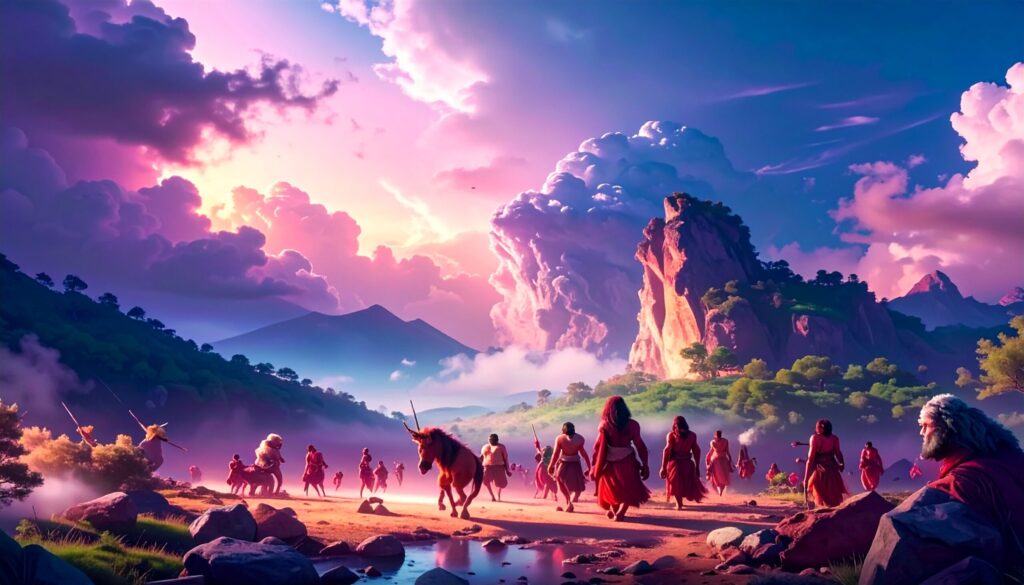
900 000 vuotta sitten Andonin ja Fontan kehittämät taidot ja Onagarin kehittämä kulttuuri olivat häviämäisillään maan päältä; kulttuuri, uskonto ja jo yksistään piikivenkäsittelytaitokin olivat heikommalla tolalla kuin koskaan.
Ja juuri näihin aikoihin Englantiin saapui Etelä-Ranskasta runsain määrin alemmantasoisia sekarotuisia ryhmiä. Nämä heimot olivat niin pahasti sekoittuneet apinankaltaisiin metsän eläimiin, että ne olivat tuskin enää ihmisiä. Niillä ei ollut uskontoa, mutta ne osasivat karkealla tavalla käsitellä piikiveä, ja niillä oli älyä sen verran, että ne saivat tulen syttymään.
Niiden jalanjäljissä Eurooppaan saapui jonkin verran korkeammantasoinen ja hyvin sikiävä kansa, jonka jälkeläiset levisivät kohta koko mantereen ylitse pohjoisessa sijainneen jäätikön reunalta aina Alpeille ja Välimerelle asti etelässä. Nämä heimot ovat niin kutsuttu Heidelbergin rotu.
Tämän pitkään jatkuneen kulttuurin rappeutumiskauden aikana Englannin Foxhallin kansat ja Intian luoteispuoliset Badonanin heimot pitivät joitakin Andonin traditioita ja eräitä Onagarin kulttuurin rippeitä jatkuvasti elossa.
Foxhallin kansat asuivat kauimpana lännessä, ja niiden onnistui säilyttää andonilaista kulttuuria melko laajasti; niillä säilyi niin ikään piikivenkäsittelytaito, jonka ne siirsivät jälkeläisilleen, eskimoiden muinaisille esivanhemmille.
Vaikka Foxhallin kansojen jäämistö löydettiin Englannista viimeisenä, nämä andoniitit olivat tosiasiassa ensimmäiset näillä seuduin asuneet ihmiset. Maakannas yhdisti tuohon aikaan vielä Ranskan ja Englannin. Ja koska useimmat Andonin jälkeläisten vanhimmista asuinpaikoista sijaitsivat noiden varhaisten aikojen jokivarsilla ja meren rantamilla, ne ovat nykyisin Englanninkanaalin tai Pohjanmeren aaltojen alla; kolme, neljä niistä on yhä vedenpinnan yläpuolella Englannin rannikolla.
Monet kyvykkäämmistä ja hengellisemmistä Foxhallin kansoista pitivät yllä rodullista paremmuuttaan ja jatkoivat keskeytyksettä alkeellisia uskonnollisia tapojaan. Ja kun nämä ihmiset olivat sekoittuneet sittemmin saapuneisiin rotuaineksiin, he kulkeutuivat myöhemmän jääkauden koettelemusten jälkeen Englannista edelleen länteen ja ovat säilyneet eskimojen hahmossa nykyaikaan asti.
900,000 years ago the arts of Andon and Fonta and the culture of Onagar were vanishing from the face of the earth; culture, religion, and even flintworking were at their lowest ebb.
These were the times when large numbers of inferior mongrel groups were arriving in England from southern France. These tribes were so largely mixed with the forest apelike creatures that they were scarcely human. They had no religion but were crude flintworkers and possessed sufficient intelligence to kindle fire.
They were followed in Europe by a somewhat superior and prolific people, whose descendants soon spread over the entire continent from the ice in the north to the Alps and Mediterranean in the south. These tribes are the so-called Heidelberg race.
During this long period of cultural decadence the Foxhall peoples of England and the Badonan tribes northwest of India continued to hold on to some of the traditions of Andon and certain remnants of the culture of Onagar.
The Foxhall peoples were farthest west and succeeded in retaining much of the Andonic culture; they also preserved their knowledge of flintworking, which they transmitted to their descendants, the ancient ancestors of the Eskimos.
Though the remains of the Foxhall peoples were the last to be discovered in England, these Andonites were really the first human beings to live in those regions. At that time the land bridge still connected France with England; and since most of the early settlements of the Andon descendants were located along the rivers and seashores of that early day, they are now under the waters of the English Channel and the North Sea, but some three or four are still above water on the English coast.
Many of the more intelligent and spiritual of the Foxhall peoples maintained their racial superiority and perpetuated their primitive religious customs. And these people, as they were later admixed with subsequent stocks, journeyed on west from England after a later ice visitation and have survived as the present-day Eskimos.
SuomiEnglish
900 000 vuotta sitten Andonin ja Fontan kehittämät taidot ja Onagarin kehittämä kulttuuri olivat häviämäisillään maan päältä; kulttuuri, uskonto ja jo yksistään piikivenkäsittelytaitokin olivat heikommalla tolalla kuin koskaan.
900,000 years ago the arts of Andon and Fonta and the culture of Onagar were vanishing from the face of the earth; culture, religion, and even flintworking were at their lowest ebb.
Ja juuri näihin aikoihin Englantiin saapui Etelä-Ranskasta runsain määrin alemmantasoisia sekarotuisia ryhmiä. Nämä heimot olivat niin pahasti sekoittuneet apinankaltaisiin metsän eläimiin, että ne olivat tuskin enää ihmisiä. Niillä ei ollut uskontoa, mutta ne osasivat karkealla tavalla käsitellä piikiveä, ja niillä oli älyä sen verran, että ne saivat tulen syttymään.
These were the times when large numbers of inferior mongrel groups were arriving in England from southern France. These tribes were so largely mixed with the forest apelike creatures that they were scarcely human. They had no religion but were crude flintworkers and possessed sufficient intelligence to kindle fire.
Niiden jalanjäljissä Eurooppaan saapui jonkin verran korkeammantasoinen ja hyvin sikiävä kansa, jonka jälkeläiset levisivät kohta koko mantereen ylitse pohjoisessa sijainneen jäätikön reunalta aina Alpeille ja Välimerelle asti etelässä. Nämä heimot ovat niin kutsuttu Heidelbergin rotu.
They were followed in Europe by a somewhat superior and prolific people, whose descendants soon spread over the entire continent from the ice in the north to the Alps and Mediterranean in the south. These tribes are the so-called Heidelberg race.
Tämän pitkään jatkuneen kulttuurin rappeutumiskauden aikana Englannin Foxhallin kansat ja Intian luoteispuoliset Badonanin heimot pitivät joitakin Andonin traditioita ja eräitä Onagarin kulttuurin rippeitä jatkuvasti elossa.
During this long period of cultural decadence the Foxhall peoples of England and the Badonan tribes northwest of India continued to hold on to some of the traditions of Andon and certain remnants of the culture of Onagar.
Foxhallin kansat asuivat kauimpana lännessä, ja niiden onnistui säilyttää andonilaista kulttuuria melko laajasti; niillä säilyi niin ikään piikivenkäsittelytaito, jonka ne siirsivät jälkeläisilleen, eskimoiden muinaisille esivanhemmille.
The Foxhall peoples were farthest west and succeeded in retaining much of the Andonic culture; they also preserved their knowledge of flintworking, which they transmitted to their descendants, the ancient ancestors of the Eskimos.
Vaikka Foxhallin kansojen jäämistö löydettiin Englannista viimeisenä, nämä andoniitit olivat tosiasiassa ensimmäiset näillä seuduin asuneet ihmiset. Maakannas yhdisti tuohon aikaan vielä Ranskan ja Englannin. Ja koska useimmat Andonin jälkeläisten vanhimmista asuinpaikoista sijaitsivat noiden varhaisten aikojen jokivarsilla ja meren rantamilla, ne ovat nykyisin Englanninkanaalin tai Pohjanmeren aaltojen alla; kolme, neljä niistä on yhä vedenpinnan yläpuolella Englannin rannikolla.
Though the remains of the Foxhall peoples were the last to be discovered in England, these Andonites were really the first human beings to live in those regions. At that time the land bridge still connected France with England; and since most of the early settlements of the Andon descendants were located along the rivers and seashores of that early day, they are now under the waters of the English Channel and the North Sea, but some three or four are still above water on the English coast.
Monet kyvykkäämmistä ja hengellisemmistä Foxhallin kansoista pitivät yllä rodullista paremmuuttaan ja jatkoivat keskeytyksettä alkeellisia uskonnollisia tapojaan. Ja kun nämä ihmiset olivat sekoittuneet sittemmin saapuneisiin rotuaineksiin, he kulkeutuivat myöhemmän jääkauden koettelemusten jälkeen Englannista edelleen länteen ja ovat säilyneet eskimojen hahmossa nykyaikaan asti.
Many of the more intelligent and spiritual of the Foxhall peoples maintained their racial superiority and perpetuated their primitive religious customs. And these people, as they were later admixed with subsequent stocks, journeyed on west from England after a later ice visitation and have survived as the present-day Eskimos.