
Teksti
Tausta
Näytä
Lisäasetukset
Kieli
Urantia Opas
Kysy kirjan sisällöstä. Opas vastaa Book Enginen omien lähdekohtien perusteella ja ohjaa sinut lukemaan ne.
Hei! 🙏
Olen sinun Urantia-oppaasi. Tehtäväni on auttaa sinua löytämään oikeat kohdat Urantia-kirjasta ja ymmärtämään sen opetuksia syvemmin. 😊❤️
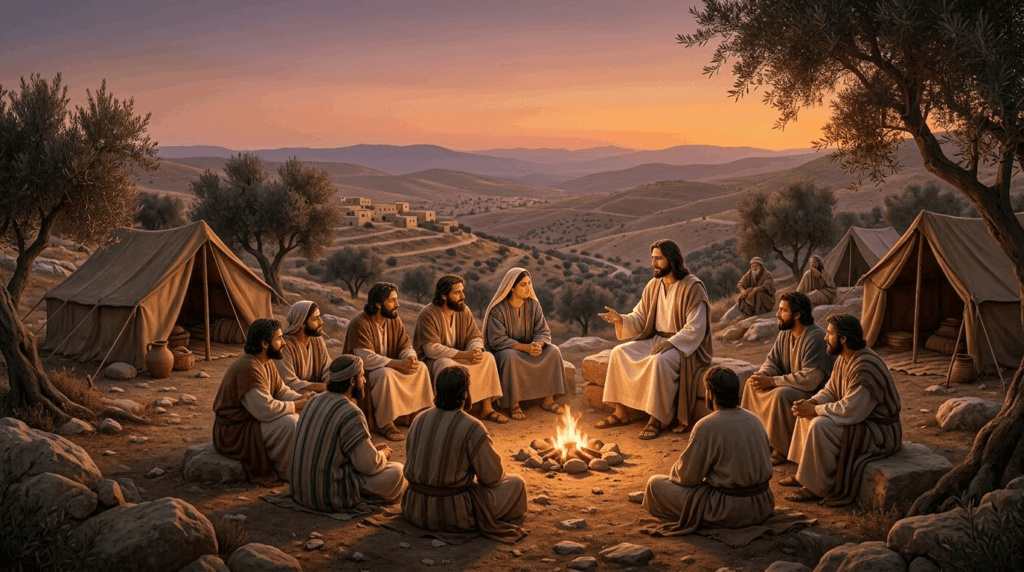
Rukoilemista käsitelleen luennon jälkeen apostolit esittivät päivästä toiseen Mestarille yhä kysymyksiä tästä kaikin puolin tärkeästä ja hartaasta tavasta. Siitä, mitä Jeesus apostoleille rukoilemisesta ja palvonnasta noiden päivien aikana opetti, on laadittavissa yhteenveto, ja se voidaan esittää nykyisen kielenkäytön mukaan seuraavasti:
Minkä tahansa pyynnön harras ja kaipaava toistaminen, kun tällainen rukous on Jumalan lapsen vilpitön tahdonilmaus ja kun se lausutaan uskossa – olipa se miten ajattelematon tahansa tai olipa siihen kuinka mahdotonta tahansa esittää suoraa vastausta –, laajentaa vääjäämättä sielun hengellistä vastaanottokykyä.
Muistakaa rukoillessanne aina, että poikaus on lahja. Yhdelläkään lapsella ei ole mitään tekemistä pojan tai tyttären aseman ansaitsemisen kanssa. Maan lapsi tulee olemassaolon piiriin vanhempiensa tahdosta. Samoin Jumalan lapsi tulee laupeuden ja uuden hengen elämän piiriin taivaassa olevan Isän tahdosta. Siksi taivaan valtakunta – Jumalan pojan asema – on otettava vastaan pienen lapsen tavoin. Te ansaitsette vanhurskautta – yhä pitemmälle menevää luonteen kehittymistä –, mutta poikauden te saatte armosta ja uskon kautta.
Rukoileminen johdatti Jeesuksen siihen, että hänen sielunsa ylläpiti superyhteyttä universumien universumin Korkeimpiin Hallitsijoihin. Rukoileminen johdattaa maan kuolevaiset aitoa palvontaa olevaan yhteydenpitoon. Sielun hengellinen vastaanottokyky määrää niiden taivaallisten siunausten runsauden, jotka ovat henkilökohtaisesti omaksuttavissa ja tietoisesti tajuttavissa rukoukseen annetuksi vastaukseksi.
Rukoileminen ja siihen liittyvä palvonta on menetelmä, jolla irtaudutaan elämän päivärutiinista, aineellisen olemassaolon yksitoikkoisesta myllynpyörityksestä. Se on tie, jota myöten lähestytään hengellistynyttä itsensätodellistamista ja yksilöllisyyttä, joka on saavutettu älyllisin ja uskonnollisin ponnistuksin.
Rukoileminen on vastamyrkkyä vahingolliselle itsetutkiskelulle. Ainakin Mestarin opettamalla tavalla suoritettu rukoileminen on sielulle tuollaista siunauksellista hoitoa. Jeesus käytti johdonmukaisesti kaltaistensa puolesta suoritetun rukoilemisen siunauksellista vaikutusta. Mestari rukoili tavallisesti monikossa, ei yksikössä. Kaiken kaikkiaan Jeesus rukoili itsensä puolesta vain maisen elämänsä suurissa kriisikohdissa.
Rukous on hengenelämän henkäys ihmissukukunnan aineellisen sivilisaation keskellä. Palvonta on nautinnonhaluisille kuolevaissukupolville pelastus.
Aivan kuten rukoilemista voi verrata sielun hengellisten paristojen uudelleenlataamiseen, palvontaa voi verrata toimenpiteeseen, jolla sielu viritetään tavoittamaan Universaalisen Isän infiniittisen hengen maailmankaikkeuteen suuntaamat kaukotiedotuslähetykset.
Rukous on se vilpitön ja kaipaava katse, jonka lapsi luo henki-Isäänsä; se on psykologinen prosessi, jossa ihmistahdon tilalle vaihdetaan Jumalan tahto. Rukoileminen on osa sitä jumalallista menetelmää, jolla siitä, mikä on, tehdään sitä, mitä sen pitäisi olla.
Yksi syy siihen, miksi Pietari, Jaakob ja Johannes, jotka kuitenkin varsin usein olivat Jeesuksen seurassa tämän pitkissä yövalvojaisissa, eivät koskaan kuulleet Jeesuksen rukoilevan, oli se, että heidän Mestarinsa perin harvoin esitti rukouksiaan suusanallisesti. Käytännöllisesti katsoen kaikki Jeesuksen rukoileminen tapahtui hengessä ja sydämessä – ääneti.
Kaikista apostoleista Pietari ja Jaakob ymmärsivät parhaiten Mestarin opetuksen rukoilemisesta ja palvonnasta.
For days after the discourse on prayer the apostles continued to ask the Master questions regarding this all-important and worshipful practice. Jesus’ instruction to the apostles during these days, regarding prayer and worship, may be summarized and restated in modern phraseology as follows:
The earnest and longing repetition of any petition, when such a prayer is the sincere expression of a child of God and is uttered in faith, no matter how ill-advised or impossible of direct answer, never fails to expand the soul’s capacity for spiritual receptivity.
In all praying, remember that sonship is a gift. No child has aught to do with earning the status of son or daughter. The earth child comes into being by the will of its parents. Even so, the child of God comes into grace and the new life of the spirit by the will of the Father in heaven. Therefore must the kingdom of heaven—divine sonship—be received as by a little child. You earn righteousness—progressive character development—but you receive sonship by grace and through faith.
Prayer led Jesus up to the supercommunion of his soul with the Supreme Rulers of the universe of universes. Prayer will lead the mortals of earth up to the communion of true worship. The soul’s spiritual capacity for receptivity determines the quantity of heavenly blessings which can be personally appropriated and consciously realized as an answer to prayer.
Prayer and its associated worship is a technique of detachment from the daily routine of life, from the monotonous grind of material existence. It is an avenue of approach to spiritualized self-realization and individuality of intellectual and religious attainment.
Prayer is an antidote for harmful introspection. At least, prayer as the Master taught it is such a beneficent ministry to the soul. Jesus consistently employed the beneficial influence of praying for one’s fellows. The Master usually prayed in the plural, not in the singular. Only in the great crises of his earth life did Jesus ever pray for himself.
Prayer is the breath of the spirit life in the midst of the material civilization of the races of mankind. Worship is salvation for the pleasure-seeking generations of mortals.
As prayer may be likened to recharging the spiritual batteries of the soul, so worship may be compared to the act of tuning in the soul to catch the universe broadcasts of the infinite spirit of the Universal Father.
Prayer is the sincere and longing look of the child to its spirit Father; it is a psychologic process of exchanging the human will for the divine will. Prayer is a part of the divine plan for making over that which is into that which ought to be.
One of the reasons why Peter, James, and John, who so often accompanied Jesus on his long night vigils, never heard Jesus pray, was because their Master so rarely uttered his prayers as spoken words. Practically all of Jesus’ praying was done in the spirit and in the heart—silently.
Of all the apostles, Peter and James came the nearest to comprehending the Master’s teaching about prayer and worship.
SuomiEnglish
Rukoilemista käsitelleen luennon jälkeen apostolit esittivät päivästä toiseen Mestarille yhä kysymyksiä tästä kaikin puolin tärkeästä ja hartaasta tavasta. Siitä, mitä Jeesus apostoleille rukoilemisesta ja palvonnasta noiden päivien aikana opetti, on laadittavissa yhteenveto, ja se voidaan esittää nykyisen kielenkäytön mukaan seuraavasti:
For days after the discourse on prayer the apostles continued to ask the Master questions regarding this all-important and worshipful practice. Jesus’ instruction to the apostles during these days, regarding prayer and worship, may be summarized and restated in modern phraseology as follows:
Minkä tahansa pyynnön harras ja kaipaava toistaminen, kun tällainen rukous on Jumalan lapsen vilpitön tahdonilmaus ja kun se lausutaan uskossa – olipa se miten ajattelematon tahansa tai olipa siihen kuinka mahdotonta tahansa esittää suoraa vastausta –, laajentaa vääjäämättä sielun hengellistä vastaanottokykyä.
The earnest and longing repetition of any petition, when such a prayer is the sincere expression of a child of God and is uttered in faith, no matter how ill-advised or impossible of direct answer, never fails to expand the soul’s capacity for spiritual receptivity.
Muistakaa rukoillessanne aina, että poikaus on lahja. Yhdelläkään lapsella ei ole mitään tekemistä pojan tai tyttären aseman ansaitsemisen kanssa. Maan lapsi tulee olemassaolon piiriin vanhempiensa tahdosta. Samoin Jumalan lapsi tulee laupeuden ja uuden hengen elämän piiriin taivaassa olevan Isän tahdosta. Siksi taivaan valtakunta – Jumalan pojan asema – on otettava vastaan pienen lapsen tavoin. Te ansaitsette vanhurskautta – yhä pitemmälle menevää luonteen kehittymistä –, mutta poikauden te saatte armosta ja uskon kautta.
In all praying, remember that sonship is a gift. No child has aught to do with earning the status of son or daughter. The earth child comes into being by the will of its parents. Even so, the child of God comes into grace and the new life of the spirit by the will of the Father in heaven. Therefore must the kingdom of heaven—divine sonship—be received as by a little child. You earn righteousness—progressive character development—but you receive sonship by grace and through faith.
Rukoileminen johdatti Jeesuksen siihen, että hänen sielunsa ylläpiti superyhteyttä universumien universumin Korkeimpiin Hallitsijoihin. Rukoileminen johdattaa maan kuolevaiset aitoa palvontaa olevaan yhteydenpitoon. Sielun hengellinen vastaanottokyky määrää niiden taivaallisten siunausten runsauden, jotka ovat henkilökohtaisesti omaksuttavissa ja tietoisesti tajuttavissa rukoukseen annetuksi vastaukseksi.
Prayer led Jesus up to the supercommunion of his soul with the Supreme Rulers of the universe of universes. Prayer will lead the mortals of earth up to the communion of true worship. The soul’s spiritual capacity for receptivity determines the quantity of heavenly blessings which can be personally appropriated and consciously realized as an answer to prayer.
Rukoileminen ja siihen liittyvä palvonta on menetelmä, jolla irtaudutaan elämän päivärutiinista, aineellisen olemassaolon yksitoikkoisesta myllynpyörityksestä. Se on tie, jota myöten lähestytään hengellistynyttä itsensätodellistamista ja yksilöllisyyttä, joka on saavutettu älyllisin ja uskonnollisin ponnistuksin.
Prayer and its associated worship is a technique of detachment from the daily routine of life, from the monotonous grind of material existence. It is an avenue of approach to spiritualized self-realization and individuality of intellectual and religious attainment.
Rukoileminen on vastamyrkkyä vahingolliselle itsetutkiskelulle. Ainakin Mestarin opettamalla tavalla suoritettu rukoileminen on sielulle tuollaista siunauksellista hoitoa. Jeesus käytti johdonmukaisesti kaltaistensa puolesta suoritetun rukoilemisen siunauksellista vaikutusta. Mestari rukoili tavallisesti monikossa, ei yksikössä. Kaiken kaikkiaan Jeesus rukoili itsensä puolesta vain maisen elämänsä suurissa kriisikohdissa.
Prayer is an antidote for harmful introspection. At least, prayer as the Master taught it is such a beneficent ministry to the soul. Jesus consistently employed the beneficial influence of praying for one’s fellows. The Master usually prayed in the plural, not in the singular. Only in the great crises of his earth life did Jesus ever pray for himself.
Rukous on hengenelämän henkäys ihmissukukunnan aineellisen sivilisaation keskellä. Palvonta on nautinnonhaluisille kuolevaissukupolville pelastus.
Prayer is the breath of the spirit life in the midst of the material civilization of the races of mankind. Worship is salvation for the pleasure-seeking generations of mortals.
Aivan kuten rukoilemista voi verrata sielun hengellisten paristojen uudelleenlataamiseen, palvontaa voi verrata toimenpiteeseen, jolla sielu viritetään tavoittamaan Universaalisen Isän infiniittisen hengen maailmankaikkeuteen suuntaamat kaukotiedotuslähetykset.
As prayer may be likened to recharging the spiritual batteries of the soul, so worship may be compared to the act of tuning in the soul to catch the universe broadcasts of the infinite spirit of the Universal Father.
Rukous on se vilpitön ja kaipaava katse, jonka lapsi luo henki-Isäänsä; se on psykologinen prosessi, jossa ihmistahdon tilalle vaihdetaan Jumalan tahto. Rukoileminen on osa sitä jumalallista menetelmää, jolla siitä, mikä on, tehdään sitä, mitä sen pitäisi olla.
Prayer is the sincere and longing look of the child to its spirit Father; it is a psychologic process of exchanging the human will for the divine will. Prayer is a part of the divine plan for making over that which is into that which ought to be.
Yksi syy siihen, miksi Pietari, Jaakob ja Johannes, jotka kuitenkin varsin usein olivat Jeesuksen seurassa tämän pitkissä yövalvojaisissa, eivät koskaan kuulleet Jeesuksen rukoilevan, oli se, että heidän Mestarinsa perin harvoin esitti rukouksiaan suusanallisesti. Käytännöllisesti katsoen kaikki Jeesuksen rukoileminen tapahtui hengessä ja sydämessä – ääneti.
One of the reasons why Peter, James, and John, who so often accompanied Jesus on his long night vigils, never heard Jesus pray, was because their Master so rarely uttered his prayers as spoken words. Practically all of Jesus’ praying was done in the spirit and in the heart—silently.
Kaikista apostoleista Pietari ja Jaakob ymmärsivät parhaiten Mestarin opetuksen rukoilemisesta ja palvonnasta.
Of all the apostles, Peter and James came the nearest to comprehending the Master’s teaching about prayer and worship.