
Teksti
Tausta
Näytä
Lisäasetukset
Kieli
Urantia Opas
Kysy kirjan sisällöstä. Opas vastaa Book Enginen omien lähdekohtien perusteella ja ohjaa sinut lukemaan ne.
Hei! 🙏
Olen sinun Urantia-oppaasi. Tehtäväni on auttaa sinua löytämään oikeat kohdat Urantia-kirjasta ja ymmärtämään sen opetuksia syvemmin. 😊❤️
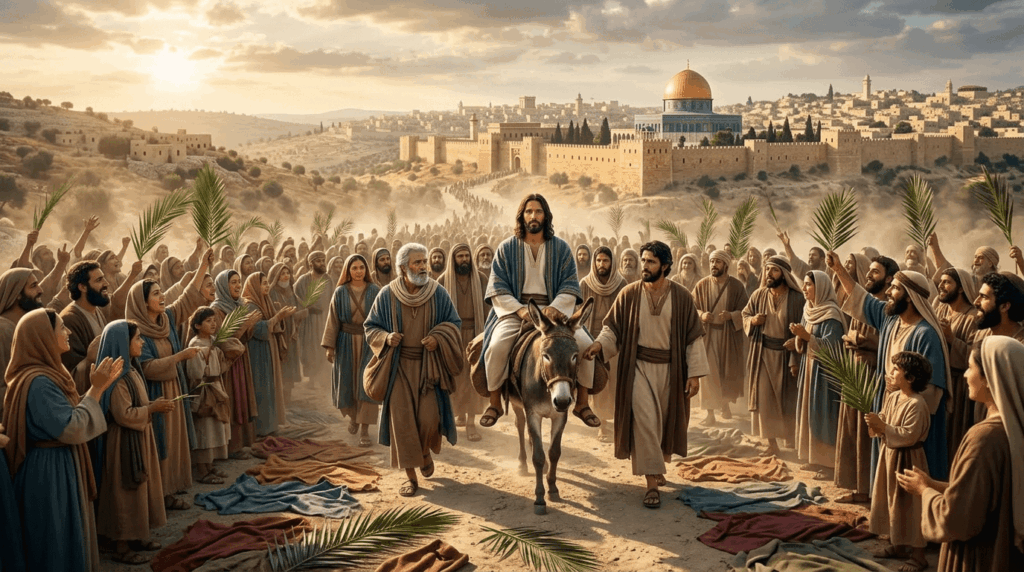
Kun he tuona sunnuntai-iltana palasivat Betaniaan, Jeesus kulki apostolien edellä. Sanaakaan ei vaihdettu, ennen kuin he Simonin talolle saavuttuaan erosivat toisistaan. Milloinkaan ei ole ollut kahtatoista ihmistä, jotka olisivat kokeneet yhtä moninaisia ja selittämättömiä tunnetiloja kuin ne, jotka nyt velloivat näiden valtakunnan lähettiläiden mielessä ja sielussa. Nämä vankat galilealaiset olivat nyt sekasorron ja hämmennyksen vallassa; he eivät tienneet, mitä odottaa seuraavaksi; he olivat aivan liian hämmästyneitä suurestikaan pelätäkseen. He eivät tienneet mitään Mestarin suunnitelmista seuraavalle päivälle, eivätkä he esittäneet ainoatakaan kysymystä. He menivät majapaikkoihinsa, vaikkeivät kaksosia lukuun ottamatta paljon nukkuneetkaan. Mutta he eivät pitäneet aseellista vartiota Jeesuksen suojana Simonin talolla.
Andreas oli perin ymmällään, jotakuinkin sekasorron tilassa. Hän oli ainoa apostoli, joka ei ryhtynyt vakavissaan erittelemään väkijoukon suosionpurkauksen merkitystä. Hänelle oli jo liikaa siinä, kun hän ajatteli omaa vastuutaan apostolikunnan päällikkönä, jotta hän olisi antautunut vakavasti pohdiskelemaan kansanjoukon äänekkäiden hoosiannahuutojen tarkoitusta tai merkitystä. Andreaksella riitti puuhaa siinä, että hän piti silmällä muutamia työtovereitaan, joiden kohdalla hän pelkäsi, että nämä saattaisivat mieltenkuohun aikana antaa tunteidensa ajaa itsensä harhaan. Näihin kuuluivat eritoten Pietari, Jaakob, Johannes ja Simon Selootti. Koko käsillä olevan päivän ja välittömästi sen jälkeen seuranneiden päivien ajan Andreasta kiusasivat vakavat epäilykset, mutta apostolitovereidensa tietoon hän ei tuonut koskaan yhtäkään näistä epäilyksistään. Häntä huolestutti kahdentoista joukosta niiden muutamien asennoituminen, joiden hän tiesi aseistautuneen miekoin; mutta hän ei tiennyt oman veljensäkin, Pietarin, kantavan sellaista asetta. Ja näin ollen tämä Jerusalemiin päätynyt kulkue vaikutti Andreakseen vain verrattain pintapuolisesti; hänellä oli yllin kyllin puuhaa omaan virka-asemaansa kuuluvien velvollisuuksien parissa, jotta mikään muu olisi häneen vaikuttanut.
Tämä kansanjoukkojen innostuksen julkitulo vei Simon Pietarilta aluksi miltei jalat alta; mutta siihen mennessä, kun he tuona iltana palailivat Betaniaan, hän oli jo huomattavassa määrin tyyntynyt. Pietari ei kerta kaikkiaan kyennyt saamaan selville, mitä Mestari aikoi. Hän oli suunnattoman pettynyt siitä, ettei Jeesus jonkinlaisen julistuksen esittämällä antanut pontta tälle kansansuosion aallolle. Pietari ei voinut käsittää, miksei Jeesus puhunut kansanjoukolle, kun he saapuivat temppelille, tai edes sallinut jonkun apostoleista puhua väenpaljoudelle. Pietari oli suuri saarnamies, ja näin laajan, vastaanottavaisen ja innostuneen kuulijakunnan menettäminen harmitti häntä. Hän olisi peräti mielellään saarnannut valtakunnan evankeliumia tälle kansanjoukolle suoraan paikan päällä temppelissä, mutta Mestari oli antanut heille nimenomaisen velvoitteen olla opettamatta ja saarnaamatta aikana, jonka he tällä pääsiäisviikolla olivat Jerusalemissa. Kaupunkiin suuntautuneesta dramaattisesta kulkueesta koitunut vastavaikutus oli Simon Pietarin kohdalla tuhoisa, mutta yöhön mennessä hän selvisi huumaannuksestaan ja joutui sanoin kuvaamattoman murheen valtaan.
Jaakob Sebedeukselle tämä sunnuntaipäivä oli epätietoisuuden ja perinpohjaisen hämmentymisen päivä. Hän ei kyennyt käsittämään tapahtumien tarkoitusta; hän ei kyennyt ymmärtämään, mitä Mestari tarkoitti salliessaan nämä myrskyisät suosionhuudot ja kieltäytyessään sitten lausumasta kansalle sanaakaan, kun he saapuivat temppelille. Kun kulkue laskeutui Öljymäkeä kohti Jerusalemia, ja aivan erityisesti silloin, kun heitä vastaan tulivat ne tuhannet pyhiinvaeltajat, jotka tungeksivat tervehtimään Mestaria, Jaakobia raastoivat julmasti hänen ristiriitaiset tunnetilansa: toisaalta voitonriemu ja mielihyvä siitä, mitä hän näki, ja toisaalta syvä pelontunne siitä, mitä tapahtuisi, kun he saapuisivat temppelille. Ja sitten hän masentui ja joutui pettymyksen valtaan, kun Jeesus laskeutui aasin selästä ja ryhtyi toimettomana kävelemään temppelipihoilla. Jaakob ei pystynyt käsittämään, mistä syystä näin suurenmoinen valtakunnan julistamiselle avautunut tilaisuus heitettiin hukkaan. Pitkin iltaa hänen mielensä pysyi lujasti ahdistavan ja kauhistavan epävarmuuden otteessa.
Johannes Sebedeus pääsi melko lähelle sitä, että hän olisi ymmärtänyt, miksi Jeesus näin menetteli; hän tajusi ainakin osittain tämän niin kutsutun voittokulkuemaisen Jerusalemiin-tulon hengellisen merkityksen. Kun kansanjoukko kulki eteenpäin kohti temppeliä, ja kun Johannes katseli Mestariaan, joka istui hajasäärin varsan selässä, hän muisti kuulleensa, kun Jeesus kerran lainasi kirjoituksista kohdan, jossa Sakarja kuvailee, kuinka Messias saapuisi rauhan miehenä ja ratsastaisi Jerusalemiin aasin selässä. Pohdiskellessaan mielessään tuota tekstikohtaa Johannes alkoi käsittää tämän sunnuntai-iltapäivän juhlakulkueen symbolista merkitystä. Tämän tekstikohdan tarkoitusta hän ymmärsi ainakin sen verran, että hänen oli mahdollista jossakin määrin jopa nauttia tästä välinäytöksestä, ja ainakin sen verran, että se esti häntä ylen määrin masentumasta, kun riemusaattomainen kulkue näytti päättyvän tarkoituksettomasti. Johanneksella oli sentyyppinen mieli, että se pyrki luonnostaan ajattelemaan ja tuntemaan symbolien välityksellä.
Purkauksen äkillisyys ja spontaanisuus suistivat Filippuksen täysin tasapainosta. Kun jo oltiin matkalla Öljymäkeä alaspäin, hän ei kyennyt kokoamaan ajatuksiaan riittävästi päästäkseen johonkin selkeään käsitykseen siitä, mistä tässä mielenilmauksessa oli kysymys. Tavallaan hän nautti tästä esityksestä, olihan se kunnianosoitus hänen Mestarilleen. Jokseenkin niillä main, kun he saapuivat temppelille, hänet sai pois tolaltaan ajatus, että Jeesus saattaisi mahdollisesti pyytää häntä järjestämään syötävää kansanjoukolle. Näin ollen Jeesuksen menettely siinä vaiheessa, kun hän kääntyi kaikessa rauhassa pois kansanjoukon luota, mikä useimmille apostoleille oli katkeran pettymyksen aihe, oli Filippukselle suuri huojennus. Väkijoukot olivat joskus olleet suuri koettelemus tälle kahdentoista apostolin taloudenhoitajalle. Päästyään näistä henkilökohtaisista peloistaan, jotka liittyivät väkijoukkojen aineellisiin tarpeisiin, Filippus teki seuraa Pietarille sikäli, että hän toi julki pettymyksensä siitä, ettei kansanjoukon opettamiseksi tehty mitään. Samana iltana Filippus ryhtyi pohtimaan näitä kokemuksia, ja hän tunsi kiusausta epäillä koko valtakuntaideaa; hän oli vilpittömästi ihmeissään, mitä kaikki tapahtunut oikein voisi merkitä. Mutta hän ei tuonut epäilyksiään kenenkään tietoon, sillä hän rakasti Jeesusta liian paljon niin tehdäkseen. Hänellä oli suuri henkilökohtainen luottamus Mestariin.
Ellei symbolisia ja profeetallisia aspekteja oteta lukuun, Natanael pääsi lähimmäksi niiden syiden ymmärtämistä, joiden vuoksi Mestari valjasti käyttöönsä pääsiäispyhiinvaeltajilta saatavissa olleen yleisön tuen. Hän päätteli mielessään, jo ennen kuin he saapuivat temppelille, että ilman tällaista näyttävää Jerusalemiin-tuloa sanhedrinin viranhaltijat olisivat pidättäneet Jeesuksen ja heittäneet hänet vankilaan samana hetkenä, kun hän rohkeni astua kaupungin sisäpuolelle. Hän ei sen vuoksi vähääkään hämmästellyt, ettei Mestari käyttänyt hurraavia kansanjoukkoja mihinkään sen enempään, sitten kun oli päässyt kaupungin muurien sisäpuolelle ja sitten kun oli tällä tavoin tehnyt niin voimallisen vaikutuksen juutalaisjohtajiin, etteivät nämä rohjenneet häntä oikopäätä pidättää. Ymmärtäessään todellisen syyn siihen, miksi Mestari oli saapunut kaupunkiin juuri tällä tavalla, Natanael luonnollisestikin seurasi mukana muita rauhallisempana ja Jeesuksen myöhemmästä menettelystä muita apostoleja vähemmän hämmentyneenä ja pettyneenä. Natanael luotti suuresti siihen, että Jeesus ymmärsi ihmisiä, samoin kuin hänen viisauteensa ja nokkeluuteensa vaikeiden tilanteiden selvittämisessä.
Matteus ei aluksi tiennyt, miten hänen tulisi suhtautua tähän loistavaan näytelmään. Hän tajusi, mikä merkitys siihen kätkeytyi, mitä hänen silmänsä näkivät, vasta muistaessaan Sakarjan kirjoitusten kohdan, jossa profeetta oli viitannut Jerusalemin riemuitsemiseen siksi, että sen kuningas oli tullut aasinvarsalla ratsastaen tuomaan pelastuksen. Kulkueen edetessä kaupungin suuntaan ja kääntyessä sitten kohti temppeliä Matteus joutui hurmioon; hän oli varma, että jotakin tavatonta tapahtuisi, kun Mestari saapuisi temppelille tämän ääneensä huutavan kansanpaljouden ensimmäisenä. Kun muuan fariseus pilkkasi Jeesusta sanomalla: ”Katsokaas kaikki, kas kukapa se täältä tulee, juutalaisten kuningashan se siinä aasilla ratsastelee!”, Matteuksen oli venytettävä itsehillintänsä äärimmilleen, jottei olisi käynyt käsiksi fariseukseen. Kun oltiin palaamassa Betaniaan, kahdentoista apostolin joukossa ei tuona iltana ollut toista yhtä masentunutta. Simon Pietarin ja Simon Selootin jälkeen Matteuksen hermot olivat kaikkein kireimmällä, ja yön tullessa hän tunsi itsensä lopen uupuneeksi. Mutta aamulla Matteus oli jo varsin hyväntuulinen; olihan hän lopulta kuitenkin aina iloinen häviäjä.
Kahdentoista apostolin joukossa Tuomas oli se mies, joka oli eniten ihmeissään ja ymmällään. Enimmän aikaa hän vain kulki muiden mukana, katseli silmät ympyriäisinä tätä spektaakkelia ja tosissaan ihmetteli, mikä mahtoi olla Mestarin vaikuttimena tämän osallistuessa moiseen omituiseen näytökseen. Syvällä sydämessään hän piti koko esitystä hieman lapsellisena, ellei suorastaan hupsuna. Milloinkaan hän ei ollut nähnyt Jeesuksen tekevän mitään tämänkaltaista, eikä hän osannut selittää itselleen Jeesuksen omituista käytöstä tänä sunnuntai-iltapäivänä. Mutta siihen mennessä, kun saavuttiin temppelille, Tuomas oli jo päätellyt, että tällä kansansuosion julkituonnilla oli tarkoitus pelästyttää sanhedrinia sen verran, ettei se rohkenisi ainakaan heti Mestaria pidättää. Paluumatkalla Betaniaan, Tuomas ajatteli paljon, mutta ei sanonut mitään. Nukkumaanmenoajan ollessa käsillä Tuomasta alkoi jo jossakin määrin hymyilyttää Mestarin tässä meluisan Jerusalemiin-saapumisen järjestämisessä osoittama nokkeluus, ja tämä suhtautumistapa virkisti häntä suuresti.
Simon Selootin maailmassa tämä sunnuntai oli alkanut suurenmoisen päivän merkeissä. Hänen mielessään väikkyivät Jerusalemissa muutamien seuraavien päivien aikana suoritettavat ihmeelliset teot, ja oikeassahan hän siinä olikin, mutta Simon unelmoi juutalaisten uuden kansallisen hallitusvallan pystyttämisestä ja Jeesuksesta Daavidin valtaistuimella. Simon näki, kuinka kansallismieliset ponkaisisivat toimintaan, heti kun valtakunta olisi julistettu, ja itsensä hän näki uuden kuningaskunnan kohta muodostettavien sotajoukkojen ylipäällikkönä. Kun oltiin laskeutumassa Öljymäkeä, hänen mielessään oli jo kuva siitä, miten sanhedrin ja kaikki sen kannattajat makaisivat kuolleina, ennen kuin aurinko tuona päivänä laskisi. Hän tosiaankin uskoi, että jotakin suurenmoista olisi tapahtuva. Hän oli koko kansanpaljouden joukossa meluisin mies. Tuon iltapäivän kello viiden tietämissä hän oli hiljainen, muserrettu ja harhoistaan herännyt apostoli. Hän ei koskaan täysin toipunut masennuksesta, jonka valtaan hän joutui tuona päivänä saamansa iskun seurauksena, ei ainakaan ennen kuin kauan Mestarin kuolleistanousun jälkeen.
Alfeuksen kaksosten mielestä päivä oli täydellinen. Ei ole epäilystäkään siitä, että he olivat nauttineet päivästä alusta loppuun saakka, ja koska he eivät olleet mukana, kun kuljeskeltiin hiljaisina temppeliä sinne tänne, he suurelta osin välttyivät kansannousun antikliimaksilta. He eivät mitenkään voineet ymmärtää apostolien alakuloista käyttäytymistä, kun nämä tuona iltana palasivat Betaniaan. Kaksoset muistivat tämän päivän aina päivänä, jolloin he olivat maan päällä olleet lähimpänä taivasta. Tämä päivä oli heidän koko apostolin urallaan kaiken tyydyttävän hurmion hetki. Ja muisto tänä sunnuntai-iltapäivänä koetusta hurmasta antoi heille voimaa päästä kaiken tämän tapahtumatäyteisen viikon mukanaan tuoman traagisuuden yli, aina ristiinnaulitsemisen hetkeen saakka. Tämä oli parhaalla mahdollisella tavalla sopiva kuninkaan sisääntulo, jonka kaksoset saattoivat kuvitella; he nauttivat koko näytelmän jokaisesta hetkestä. Kaiken näkemänsä he täysin hyväksyivät ja vaalivat kauan aikaa sen muistoa.
Kaikista apostoleista Juudas Iskariot oli se, johon tämä juhlakulkuemainen Jerusalemiin-saapuminen vaikutti epäedullisimmin. Hänen mielensä oli ikävässä käymistilassa sen vuoksi, että Mestari oli häntä edellisenä päivänä nuhdellut siinä yhteydessä, kun Maria oli Simonin talossa pidetyssä juhlassa voidellut Mestarin. Koko näytös yökötti Juudasta. Hänestä se oli lapsellinen, ellei suorastaan naurettava. Tämän kostonjanoisen apostolin tarkastellessa tämän sunnuntai-iltapäivän tapahtumia Jeesus näytti hänen mielestään muistuttavan enemmänkin pelleä kuin kuningasta. Hän paheksui sydämensä kyllyydestä koko esitystä. Hän oli samaa mieltä kuin kreikkalaiset ja roomalaiset, jotka halveksivat jokaista, joka suostui ratsastamaan aasilla tai aasinvarsalla. Sinä hetkenä, jolloin riemukulkue saapui kaupunkiin, Juudas oli melkein jo päättänyt luopua koko kuningaskunta-ajatuksesta; hän oli jotakuinkin valmis jättämään muille kaikki tämänkaltaiset farssimaiset yritykset taivaan valtakunnan perustamiseksi. Ja sitten hän tuli ajatelleeksi Lasaruksen kuolleistaheräämistä ja monia muita asioita ja päätti silti ainakin yhden päivän vielä pysytellä kahdentoista apostolin mukana. Rahakukkaro oli sitä paitsi hänen hallussaan, eikä hän halunnut poistua rivistä apostolien rahavarat mukanaan. Kun tuona iltana oltiin matkalla takaisin Betaniaan, hänen käyttäytymisensä ei vaikuttanut omituiselta, sillä kaikki apostolit olivat yhtä alakuloisia ja hiljaisia.
Juudakseen vaikutti tavattomasti hänen saddukeusystäviensä pilkanteko. Mikään muu yksittäinen tekijä ei vaikuttanut häneen yhtä voimakkaasti, kun hän lopulta päätti hylätä Jeesuksen ja apostolitoverinsa, kuin muuan välikohtaus, joka sattui juuri kun Jeesus saapui kaupungin portille: Muuan eturivin saddukeus (Juudaksen perheen ystävä) ryntäsi hänen eteensä ratki riemukkaan pilkkaamishalun hengessä, läimäytti häntä selkään ja sanoi: ”Miksi ilmeesi on noin huolestunut, ystävä hyvä? Reipastu toki ja liity meidän kaikkien joukkoon nyt, kun osoitamme suosiotamme tälle Jeesus Nasaretilaiselle, juutalaisten kuninkaalle, joka ratsastaa Jerusalemin porttien läpi aasin selässä istuen.” Juudas ei ollut koskaan kavahtanut vainon edessä, mutta tämänkaltaista pilkantekoa hän ei voinut sietää. Jo kauan eläteltyyn kostonhimon tunteeseen sekoittui nyt tämä kohtalokas pilkan kohteeksi joutumisen pelko, tämä kauhea ja pelottava tunne siitä, että hän häpesi Mestariaan ja apostolitovereitaan. Sydämessään tämä vihitty valtakunnan suurlähettiläs oli jo luopio; hänen tarvitsi vain löytää jokin todentuntuinen tekosyy rikkoakseen avoimesti välinsä Mestarin kanssa.
This Sunday evening as they returned to Bethany, Jesus walked in front of the apostles. Not a word was spoken until they separated after arriving at Simon’s house. No twelve human beings ever experienced such diverse and inexplicable emotions as now surged through the minds and souls of these ambassadors of the kingdom. These sturdy Galileans were confused and disconcerted; they did not know what to expect next; they were too surprised to be much afraid. They knew nothing of the Master’s plans for the next day, and they asked no questions. They went to their lodgings, though they did not sleep much, save the twins. But they did not keep armed watch over Jesus at Simon’s house.
Andrew was thoroughly bewildered, well-nigh confused. He was the one apostle who did not seriously undertake to evaluate the popular outburst of acclaim. He was too preoccupied with the thought of his responsibility as chief of the apostolic corps to give serious consideration to the meaning or significance of the loud hosannas of the multitude. Andrew was busy watching some of his associates who he feared might be led away by their emotions during the excitement, particularly Peter, James, John, and Simon Zelotes. Throughout this day and those which immediately followed, Andrew was troubled with serious doubts, but he never expressed any of these misgivings to his apostolic associates. He was concerned about the attitude of some of the twelve who he knew were armed with swords; but he did not know that his own brother, Peter, was carrying such a weapon. And so the procession into Jerusalem made a comparatively superficial impression upon Andrew; he was too busy with the responsibilities of his office to be otherwise affected.
Simon Peter was at first almost swept off his feet by this popular manifestation of enthusiasm; but he was considerably sobered by the time they returned to Bethany that night. Peter simply could not figure out what the Master was about. He was terribly disappointed that Jesus did not follow up this wave of popular favor with some kind of a pronouncement. Peter could not understand why Jesus did not speak to the multitude when they arrived at the temple, or at least permit one of the apostles to address the crowd. Peter was a great preacher, and he disliked to see such a large, receptive, and enthusiastic audience go to waste. He would so much have liked to preach the gospel of the kingdom to that throng right there in the temple; but the Master had specifically charged them that they were to do no teaching or preaching while in Jerusalem this Passover week. The reaction from the spectacular procession into the city was disastrous to Simon Peter; by night he was sobered and inexpressibly saddened.
To James Zebedee, this Sunday was a day of perplexity and profound confusion; he could not grasp the purport of what was going on; he could not comprehend the Master’s purpose in permitting this wild acclaim and then in refusing to say a word to the people when they arrived at the temple. As the procession moved down Olivet toward Jerusalem, more especially when they were met by the thousands of pilgrims who poured forth to welcome the Master, James was cruelly torn by his conflicting emotions of elation and gratification at what he saw and by his profound feeling of fear as to what would happen when they reached the temple. And then was he downcast and overcome by disappointment when Jesus climbed off the donkey and proceeded to walk leisurely about the temple courts. James could not understand the reason for throwing away such a magnificent opportunity to proclaim the kingdom. By night, his mind was held firmly in the grip of a distressing and dreadful uncertainty.
John Zebedee came somewhere near understanding why Jesus did this; at least he grasped in part the spiritual significance of this so-called triumphal entry into Jerusalem. As the multitude moved on toward the temple, and as John beheld his Master sitting there astride the colt, he recalled hearing Jesus onetime quote the passage of Scripture, the utterance of Zechariah, which described the coming of the Messiah as a man of peace and riding into Jerusalem on an ass. As John turned this Scripture over in his mind, he began to comprehend the symbolic significance of this Sunday-afternoon pageant. At least, he grasped enough of the meaning of this Scripture to enable him somewhat to enjoy the episode and to prevent his becoming overmuch depressed by the apparent purposeless ending of the triumphal procession. John had a type of mind which naturally tended to think and feel in symbols.
Philip was entirely unsettled by the suddenness and spontaneity of the outburst. He could not collect his thoughts sufficiently while on the way down Olivet to arrive at any settled notion as to what all the demonstration was about. In a way, he enjoyed the performance because his Master was being honored. By the time they reached the temple, he was perturbed by the thought that Jesus might possibly ask him to feed the multitude, so that the conduct of Jesus in turning leisurely away from the crowds, which so sorely disappointed the majority of the apostles, was a great relief to Philip. Multitudes had sometimes been a great trial to the steward of the twelve. After he was relieved of these personal fears regarding the material needs of the crowds, Philip joined with Peter in the expression of disappointment that nothing was done to teach the multitude. That night Philip got to thinking over these experiences and was tempted to doubt the whole idea of the kingdom; he honestly wondered what all these things could mean, but he expressed his doubts to no one; he loved Jesus too much. He had great personal faith in the Master.
Nathaniel, aside from the symbolic and prophetic aspects, came the nearest to understanding the Master’s reason for enlisting the popular support of the Passover pilgrims. He reasoned it out, before they reached the temple, that without such a demonstrative entry into Jerusalem Jesus would have been arrested by the Sanhedrin officials and cast into prison the moment he presumed to enter the city. He was not, therefore, in the least surprised that the Master made no further use of the cheering crowds when he had once got inside the walls of the city and had thus so forcibly impressed the Jewish leaders that they would refrain from placing him under immediate arrest. Understanding the real reason for the Master’s entering the city in this manner, Nathaniel naturally followed along with more poise and was less perturbed and disappointed by Jesus’ subsequent conduct than were the other apostles. Nathaniel had great confidence in Jesus’ understanding of men as well as in his sagacity and cleverness in handling difficult situations.
Matthew was at first nonplused by this pageant performance. He did not grasp the meaning of what his eyes were seeing until he also recalled the Scripture in Zechariah where the prophet had alluded to the rejoicing of Jerusalem because her king had come bringing salvation and riding upon the colt of an ass. As the procession moved in the direction of the city and then drew on toward the temple, Matthew became ecstatic; he was certain that something extraordinary would happen when the Master arrived at the temple at the head of this shouting multitude. When one of the Pharisees mocked Jesus, saying, “Look, everybody, see who comes here, the king of the Jews riding on an ass!” Matthew kept his hands off of him only by exercising great restraint. None of the twelve was more depressed on the way back to Bethany that evening. Next to Simon Peter and Simon Zelotes, he experienced the highest nervous tension and was in a state of exhaustion by night. But by morning Matthew was much cheered; he was, after all, a cheerful loser.
Thomas was the most bewildered and puzzled man of all the twelve. Most of the time he just followed along, gazing at the spectacle and honestly wondering what could be the Master’s motive for participating in such a peculiar demonstration. Down deep in his heart he regarded the whole performance as a little childish, if not downright foolish. He had never seen Jesus do anything like this and was at a loss to account for his strange conduct on this Sunday afternoon. By the time they reached the temple, Thomas had deduced that the purpose of this popular demonstration was so to frighten the Sanhedrin that they would not dare immediately to arrest the Master. On the way back to Bethany Thomas thought much but said nothing. By bedtime the Master’s cleverness in staging the tumultuous entry into Jerusalem had begun to make a somewhat humorous appeal, and he was much cheered up by this reaction.
This Sunday started off as a great day for Simon Zelotes. He saw visions of wonderful doings in Jerusalem the next few days, and in that he was right, but Simon dreamed of the establishment of the new national rule of the Jews, with Jesus on the throne of David. Simon saw the nationalists springing into action as soon as the kingdom was announced, and himself in supreme command of the assembling military forces of the new kingdom. On the way down Olivet he even envisaged the Sanhedrin and all of their sympathizers dead before sunset of that day. He really believed something great was going to happen. He was the noisiest man in the whole multitude. By five o’clock that afternoon he was a silent, crushed, and disillusioned apostle. He never fully recovered from the depression which settled down on him as a result of this day’s shock; at least not until long after the Master’s resurrection.
To the Alpheus twins this was a perfect day. They really enjoyed it all the way through, and not being present during the time of quiet visitation about the temple, they escaped much of the anticlimax of the popular upheaval. They could not possibly understand the downcast behavior of the apostles when they came back to Bethany that evening. In the memory of the twins this was always their day of being nearest heaven on earth. This day was the satisfying climax of their whole career as apostles. And the memory of the elation of this Sunday afternoon carried them on through all of the tragedy of this eventful week, right up to the hour of the crucifixion. It was the most befitting entry of the king the twins could conceive; they enjoyed every moment of the whole pageant. They fully approved of all they saw and long cherished the memory.
Of all the apostles, Judas Iscariot was the most adversely affected by this processional entry into Jerusalem. His mind was in a disagreeable ferment because of the Master’s rebuke the preceding day in connection with Mary’s anointing at the feast in Simon’s house. Judas was disgusted with the whole spectacle. To him it seemed childish, if not indeed ridiculous. As this vengeful apostle looked upon the proceedings of this Sunday afternoon, Jesus seemed to him more to resemble a clown than a king. He heartily resented the whole performance. He shared the views of the Greeks and Romans, who looked down upon anyone who would consent to ride upon an ass or the colt of an ass. By the time the triumphal procession had entered the city, Judas had about made up his mind to abandon the whole idea of such a kingdom; he was almost resolved to forsake all such farcical attempts to establish the kingdom of heaven. And then he thought of the resurrection of Lazarus, and many other things, and decided to stay on with the twelve, at least for another day. Besides, he carried the bag, and he would not desert with the apostolic funds in his possession. On the way back to Bethany that night his conduct did not seem strange since all of the apostles were equally downcast and silent.
Judas was tremendously influenced by the ridicule of his Sadducean friends. No other single factor exerted such a powerful influence on him, in his final determination to forsake Jesus and his fellow apostles, as a certain episode which occurred just as Jesus reached the gate of the city: A prominent Sadducee (a friend of Judas’s family) rushed up to him in a spirit of gleeful ridicule and, slapping him on the back, said: “Why so troubled of countenance, my good friend; cheer up and join us all while we acclaim this Jesus of Nazareth the king of the Jews as he rides through the gates of Jerusalem seated on an ass.” Judas had never shrunk from persecution, but he could not stand this sort of ridicule. With the long-nourished emotion of revenge there was now blended this fatal fear of ridicule, that terrible and fearful feeling of being ashamed of his Master and his fellow apostles. At heart, this ordained ambassador of the kingdom was already a deserter; it only remained for him to find some plausible excuse for an open break with the Master.
SuomiEnglish
Kun he tuona sunnuntai-iltana palasivat Betaniaan, Jeesus kulki apostolien edellä. Sanaakaan ei vaihdettu, ennen kuin he Simonin talolle saavuttuaan erosivat toisistaan. Milloinkaan ei ole ollut kahtatoista ihmistä, jotka olisivat kokeneet yhtä moninaisia ja selittämättömiä tunnetiloja kuin ne, jotka nyt velloivat näiden valtakunnan lähettiläiden mielessä ja sielussa. Nämä vankat galilealaiset olivat nyt sekasorron ja hämmennyksen vallassa; he eivät tienneet, mitä odottaa seuraavaksi; he olivat aivan liian hämmästyneitä suurestikaan pelätäkseen. He eivät tienneet mitään Mestarin suunnitelmista seuraavalle päivälle, eivätkä he esittäneet ainoatakaan kysymystä. He menivät majapaikkoihinsa, vaikkeivät kaksosia lukuun ottamatta paljon nukkuneetkaan. Mutta he eivät pitäneet aseellista vartiota Jeesuksen suojana Simonin talolla.
This Sunday evening as they returned to Bethany, Jesus walked in front of the apostles. Not a word was spoken until they separated after arriving at Simon’s house. No twelve human beings ever experienced such diverse and inexplicable emotions as now surged through the minds and souls of these ambassadors of the kingdom. These sturdy Galileans were confused and disconcerted; they did not know what to expect next; they were too surprised to be much afraid. They knew nothing of the Master’s plans for the next day, and they asked no questions. They went to their lodgings, though they did not sleep much, save the twins. But they did not keep armed watch over Jesus at Simon’s house.
Andreas oli perin ymmällään, jotakuinkin sekasorron tilassa. Hän oli ainoa apostoli, joka ei ryhtynyt vakavissaan erittelemään väkijoukon suosionpurkauksen merkitystä. Hänelle oli jo liikaa siinä, kun hän ajatteli omaa vastuutaan apostolikunnan päällikkönä, jotta hän olisi antautunut vakavasti pohdiskelemaan kansanjoukon äänekkäiden hoosiannahuutojen tarkoitusta tai merkitystä. Andreaksella riitti puuhaa siinä, että hän piti silmällä muutamia työtovereitaan, joiden kohdalla hän pelkäsi, että nämä saattaisivat mieltenkuohun aikana antaa tunteidensa ajaa itsensä harhaan. Näihin kuuluivat eritoten Pietari, Jaakob, Johannes ja Simon Selootti. Koko käsillä olevan päivän ja välittömästi sen jälkeen seuranneiden päivien ajan Andreasta kiusasivat vakavat epäilykset, mutta apostolitovereidensa tietoon hän ei tuonut koskaan yhtäkään näistä epäilyksistään. Häntä huolestutti kahdentoista joukosta niiden muutamien asennoituminen, joiden hän tiesi aseistautuneen miekoin; mutta hän ei tiennyt oman veljensäkin, Pietarin, kantavan sellaista asetta. Ja näin ollen tämä Jerusalemiin päätynyt kulkue vaikutti Andreakseen vain verrattain pintapuolisesti; hänellä oli yllin kyllin puuhaa omaan virka-asemaansa kuuluvien velvollisuuksien parissa, jotta mikään muu olisi häneen vaikuttanut.
Andrew was thoroughly bewildered, well-nigh confused. He was the one apostle who did not seriously undertake to evaluate the popular outburst of acclaim. He was too preoccupied with the thought of his responsibility as chief of the apostolic corps to give serious consideration to the meaning or significance of the loud hosannas of the multitude. Andrew was busy watching some of his associates who he feared might be led away by their emotions during the excitement, particularly Peter, James, John, and Simon Zelotes. Throughout this day and those which immediately followed, Andrew was troubled with serious doubts, but he never expressed any of these misgivings to his apostolic associates. He was concerned about the attitude of some of the twelve who he knew were armed with swords; but he did not know that his own brother, Peter, was carrying such a weapon. And so the procession into Jerusalem made a comparatively superficial impression upon Andrew; he was too busy with the responsibilities of his office to be otherwise affected.
Tämä kansanjoukkojen innostuksen julkitulo vei Simon Pietarilta aluksi miltei jalat alta; mutta siihen mennessä, kun he tuona iltana palailivat Betaniaan, hän oli jo huomattavassa määrin tyyntynyt. Pietari ei kerta kaikkiaan kyennyt saamaan selville, mitä Mestari aikoi. Hän oli suunnattoman pettynyt siitä, ettei Jeesus jonkinlaisen julistuksen esittämällä antanut pontta tälle kansansuosion aallolle. Pietari ei voinut käsittää, miksei Jeesus puhunut kansanjoukolle, kun he saapuivat temppelille, tai edes sallinut jonkun apostoleista puhua väenpaljoudelle. Pietari oli suuri saarnamies, ja näin laajan, vastaanottavaisen ja innostuneen kuulijakunnan menettäminen harmitti häntä. Hän olisi peräti mielellään saarnannut valtakunnan evankeliumia tälle kansanjoukolle suoraan paikan päällä temppelissä, mutta Mestari oli antanut heille nimenomaisen velvoitteen olla opettamatta ja saarnaamatta aikana, jonka he tällä pääsiäisviikolla olivat Jerusalemissa. Kaupunkiin suuntautuneesta dramaattisesta kulkueesta koitunut vastavaikutus oli Simon Pietarin kohdalla tuhoisa, mutta yöhön mennessä hän selvisi huumaannuksestaan ja joutui sanoin kuvaamattoman murheen valtaan.
Simon Peter was at first almost swept off his feet by this popular manifestation of enthusiasm; but he was considerably sobered by the time they returned to Bethany that night. Peter simply could not figure out what the Master was about. He was terribly disappointed that Jesus did not follow up this wave of popular favor with some kind of a pronouncement. Peter could not understand why Jesus did not speak to the multitude when they arrived at the temple, or at least permit one of the apostles to address the crowd. Peter was a great preacher, and he disliked to see such a large, receptive, and enthusiastic audience go to waste. He would so much have liked to preach the gospel of the kingdom to that throng right there in the temple; but the Master had specifically charged them that they were to do no teaching or preaching while in Jerusalem this Passover week. The reaction from the spectacular procession into the city was disastrous to Simon Peter; by night he was sobered and inexpressibly saddened.
Jaakob Sebedeukselle tämä sunnuntaipäivä oli epätietoisuuden ja perinpohjaisen hämmentymisen päivä. Hän ei kyennyt käsittämään tapahtumien tarkoitusta; hän ei kyennyt ymmärtämään, mitä Mestari tarkoitti salliessaan nämä myrskyisät suosionhuudot ja kieltäytyessään sitten lausumasta kansalle sanaakaan, kun he saapuivat temppelille. Kun kulkue laskeutui Öljymäkeä kohti Jerusalemia, ja aivan erityisesti silloin, kun heitä vastaan tulivat ne tuhannet pyhiinvaeltajat, jotka tungeksivat tervehtimään Mestaria, Jaakobia raastoivat julmasti hänen ristiriitaiset tunnetilansa: toisaalta voitonriemu ja mielihyvä siitä, mitä hän näki, ja toisaalta syvä pelontunne siitä, mitä tapahtuisi, kun he saapuisivat temppelille. Ja sitten hän masentui ja joutui pettymyksen valtaan, kun Jeesus laskeutui aasin selästä ja ryhtyi toimettomana kävelemään temppelipihoilla. Jaakob ei pystynyt käsittämään, mistä syystä näin suurenmoinen valtakunnan julistamiselle avautunut tilaisuus heitettiin hukkaan. Pitkin iltaa hänen mielensä pysyi lujasti ahdistavan ja kauhistavan epävarmuuden otteessa.
To James Zebedee, this Sunday was a day of perplexity and profound confusion; he could not grasp the purport of what was going on; he could not comprehend the Master’s purpose in permitting this wild acclaim and then in refusing to say a word to the people when they arrived at the temple. As the procession moved down Olivet toward Jerusalem, more especially when they were met by the thousands of pilgrims who poured forth to welcome the Master, James was cruelly torn by his conflicting emotions of elation and gratification at what he saw and by his profound feeling of fear as to what would happen when they reached the temple. And then was he downcast and overcome by disappointment when Jesus climbed off the donkey and proceeded to walk leisurely about the temple courts. James could not understand the reason for throwing away such a magnificent opportunity to proclaim the kingdom. By night, his mind was held firmly in the grip of a distressing and dreadful uncertainty.
Johannes Sebedeus pääsi melko lähelle sitä, että hän olisi ymmärtänyt, miksi Jeesus näin menetteli; hän tajusi ainakin osittain tämän niin kutsutun voittokulkuemaisen Jerusalemiin-tulon hengellisen merkityksen. Kun kansanjoukko kulki eteenpäin kohti temppeliä, ja kun Johannes katseli Mestariaan, joka istui hajasäärin varsan selässä, hän muisti kuulleensa, kun Jeesus kerran lainasi kirjoituksista kohdan, jossa Sakarja kuvailee, kuinka Messias saapuisi rauhan miehenä ja ratsastaisi Jerusalemiin aasin selässä. Pohdiskellessaan mielessään tuota tekstikohtaa Johannes alkoi käsittää tämän sunnuntai-iltapäivän juhlakulkueen symbolista merkitystä. Tämän tekstikohdan tarkoitusta hän ymmärsi ainakin sen verran, että hänen oli mahdollista jossakin määrin jopa nauttia tästä välinäytöksestä, ja ainakin sen verran, että se esti häntä ylen määrin masentumasta, kun riemusaattomainen kulkue näytti päättyvän tarkoituksettomasti. Johanneksella oli sentyyppinen mieli, että se pyrki luonnostaan ajattelemaan ja tuntemaan symbolien välityksellä.
John Zebedee came somewhere near understanding why Jesus did this; at least he grasped in part the spiritual significance of this so-called triumphal entry into Jerusalem. As the multitude moved on toward the temple, and as John beheld his Master sitting there astride the colt, he recalled hearing Jesus onetime quote the passage of Scripture, the utterance of Zechariah, which described the coming of the Messiah as a man of peace and riding into Jerusalem on an ass. As John turned this Scripture over in his mind, he began to comprehend the symbolic significance of this Sunday-afternoon pageant. At least, he grasped enough of the meaning of this Scripture to enable him somewhat to enjoy the episode and to prevent his becoming overmuch depressed by the apparent purposeless ending of the triumphal procession. John had a type of mind which naturally tended to think and feel in symbols.
Purkauksen äkillisyys ja spontaanisuus suistivat Filippuksen täysin tasapainosta. Kun jo oltiin matkalla Öljymäkeä alaspäin, hän ei kyennyt kokoamaan ajatuksiaan riittävästi päästäkseen johonkin selkeään käsitykseen siitä, mistä tässä mielenilmauksessa oli kysymys. Tavallaan hän nautti tästä esityksestä, olihan se kunnianosoitus hänen Mestarilleen. Jokseenkin niillä main, kun he saapuivat temppelille, hänet sai pois tolaltaan ajatus, että Jeesus saattaisi mahdollisesti pyytää häntä järjestämään syötävää kansanjoukolle. Näin ollen Jeesuksen menettely siinä vaiheessa, kun hän kääntyi kaikessa rauhassa pois kansanjoukon luota, mikä useimmille apostoleille oli katkeran pettymyksen aihe, oli Filippukselle suuri huojennus. Väkijoukot olivat joskus olleet suuri koettelemus tälle kahdentoista apostolin taloudenhoitajalle. Päästyään näistä henkilökohtaisista peloistaan, jotka liittyivät väkijoukkojen aineellisiin tarpeisiin, Filippus teki seuraa Pietarille sikäli, että hän toi julki pettymyksensä siitä, ettei kansanjoukon opettamiseksi tehty mitään. Samana iltana Filippus ryhtyi pohtimaan näitä kokemuksia, ja hän tunsi kiusausta epäillä koko valtakuntaideaa; hän oli vilpittömästi ihmeissään, mitä kaikki tapahtunut oikein voisi merkitä. Mutta hän ei tuonut epäilyksiään kenenkään tietoon, sillä hän rakasti Jeesusta liian paljon niin tehdäkseen. Hänellä oli suuri henkilökohtainen luottamus Mestariin.
Philip was entirely unsettled by the suddenness and spontaneity of the outburst. He could not collect his thoughts sufficiently while on the way down Olivet to arrive at any settled notion as to what all the demonstration was about. In a way, he enjoyed the performance because his Master was being honored. By the time they reached the temple, he was perturbed by the thought that Jesus might possibly ask him to feed the multitude, so that the conduct of Jesus in turning leisurely away from the crowds, which so sorely disappointed the majority of the apostles, was a great relief to Philip. Multitudes had sometimes been a great trial to the steward of the twelve. After he was relieved of these personal fears regarding the material needs of the crowds, Philip joined with Peter in the expression of disappointment that nothing was done to teach the multitude. That night Philip got to thinking over these experiences and was tempted to doubt the whole idea of the kingdom; he honestly wondered what all these things could mean, but he expressed his doubts to no one; he loved Jesus too much. He had great personal faith in the Master.
Ellei symbolisia ja profeetallisia aspekteja oteta lukuun, Natanael pääsi lähimmäksi niiden syiden ymmärtämistä, joiden vuoksi Mestari valjasti käyttöönsä pääsiäispyhiinvaeltajilta saatavissa olleen yleisön tuen. Hän päätteli mielessään, jo ennen kuin he saapuivat temppelille, että ilman tällaista näyttävää Jerusalemiin-tuloa sanhedrinin viranhaltijat olisivat pidättäneet Jeesuksen ja heittäneet hänet vankilaan samana hetkenä, kun hän rohkeni astua kaupungin sisäpuolelle. Hän ei sen vuoksi vähääkään hämmästellyt, ettei Mestari käyttänyt hurraavia kansanjoukkoja mihinkään sen enempään, sitten kun oli päässyt kaupungin muurien sisäpuolelle ja sitten kun oli tällä tavoin tehnyt niin voimallisen vaikutuksen juutalaisjohtajiin, etteivät nämä rohjenneet häntä oikopäätä pidättää. Ymmärtäessään todellisen syyn siihen, miksi Mestari oli saapunut kaupunkiin juuri tällä tavalla, Natanael luonnollisestikin seurasi mukana muita rauhallisempana ja Jeesuksen myöhemmästä menettelystä muita apostoleja vähemmän hämmentyneenä ja pettyneenä. Natanael luotti suuresti siihen, että Jeesus ymmärsi ihmisiä, samoin kuin hänen viisauteensa ja nokkeluuteensa vaikeiden tilanteiden selvittämisessä.
Nathaniel, aside from the symbolic and prophetic aspects, came the nearest to understanding the Master’s reason for enlisting the popular support of the Passover pilgrims. He reasoned it out, before they reached the temple, that without such a demonstrative entry into Jerusalem Jesus would have been arrested by the Sanhedrin officials and cast into prison the moment he presumed to enter the city. He was not, therefore, in the least surprised that the Master made no further use of the cheering crowds when he had once got inside the walls of the city and had thus so forcibly impressed the Jewish leaders that they would refrain from placing him under immediate arrest. Understanding the real reason for the Master’s entering the city in this manner, Nathaniel naturally followed along with more poise and was less perturbed and disappointed by Jesus’ subsequent conduct than were the other apostles. Nathaniel had great confidence in Jesus’ understanding of men as well as in his sagacity and cleverness in handling difficult situations.
Matteus ei aluksi tiennyt, miten hänen tulisi suhtautua tähän loistavaan näytelmään. Hän tajusi, mikä merkitys siihen kätkeytyi, mitä hänen silmänsä näkivät, vasta muistaessaan Sakarjan kirjoitusten kohdan, jossa profeetta oli viitannut Jerusalemin riemuitsemiseen siksi, että sen kuningas oli tullut aasinvarsalla ratsastaen tuomaan pelastuksen. Kulkueen edetessä kaupungin suuntaan ja kääntyessä sitten kohti temppeliä Matteus joutui hurmioon; hän oli varma, että jotakin tavatonta tapahtuisi, kun Mestari saapuisi temppelille tämän ääneensä huutavan kansanpaljouden ensimmäisenä. Kun muuan fariseus pilkkasi Jeesusta sanomalla: ”Katsokaas kaikki, kas kukapa se täältä tulee, juutalaisten kuningashan se siinä aasilla ratsastelee!”, Matteuksen oli venytettävä itsehillintänsä äärimmilleen, jottei olisi käynyt käsiksi fariseukseen. Kun oltiin palaamassa Betaniaan, kahdentoista apostolin joukossa ei tuona iltana ollut toista yhtä masentunutta. Simon Pietarin ja Simon Selootin jälkeen Matteuksen hermot olivat kaikkein kireimmällä, ja yön tullessa hän tunsi itsensä lopen uupuneeksi. Mutta aamulla Matteus oli jo varsin hyväntuulinen; olihan hän lopulta kuitenkin aina iloinen häviäjä.
Matthew was at first nonplused by this pageant performance. He did not grasp the meaning of what his eyes were seeing until he also recalled the Scripture in Zechariah where the prophet had alluded to the rejoicing of Jerusalem because her king had come bringing salvation and riding upon the colt of an ass. As the procession moved in the direction of the city and then drew on toward the temple, Matthew became ecstatic; he was certain that something extraordinary would happen when the Master arrived at the temple at the head of this shouting multitude. When one of the Pharisees mocked Jesus, saying, “Look, everybody, see who comes here, the king of the Jews riding on an ass!” Matthew kept his hands off of him only by exercising great restraint. None of the twelve was more depressed on the way back to Bethany that evening. Next to Simon Peter and Simon Zelotes, he experienced the highest nervous tension and was in a state of exhaustion by night. But by morning Matthew was much cheered; he was, after all, a cheerful loser.
Kahdentoista apostolin joukossa Tuomas oli se mies, joka oli eniten ihmeissään ja ymmällään. Enimmän aikaa hän vain kulki muiden mukana, katseli silmät ympyriäisinä tätä spektaakkelia ja tosissaan ihmetteli, mikä mahtoi olla Mestarin vaikuttimena tämän osallistuessa moiseen omituiseen näytökseen. Syvällä sydämessään hän piti koko esitystä hieman lapsellisena, ellei suorastaan hupsuna. Milloinkaan hän ei ollut nähnyt Jeesuksen tekevän mitään tämänkaltaista, eikä hän osannut selittää itselleen Jeesuksen omituista käytöstä tänä sunnuntai-iltapäivänä. Mutta siihen mennessä, kun saavuttiin temppelille, Tuomas oli jo päätellyt, että tällä kansansuosion julkituonnilla oli tarkoitus pelästyttää sanhedrinia sen verran, ettei se rohkenisi ainakaan heti Mestaria pidättää. Paluumatkalla Betaniaan, Tuomas ajatteli paljon, mutta ei sanonut mitään. Nukkumaanmenoajan ollessa käsillä Tuomasta alkoi jo jossakin määrin hymyilyttää Mestarin tässä meluisan Jerusalemiin-saapumisen järjestämisessä osoittama nokkeluus, ja tämä suhtautumistapa virkisti häntä suuresti.
Thomas was the most bewildered and puzzled man of all the twelve. Most of the time he just followed along, gazing at the spectacle and honestly wondering what could be the Master’s motive for participating in such a peculiar demonstration. Down deep in his heart he regarded the whole performance as a little childish, if not downright foolish. He had never seen Jesus do anything like this and was at a loss to account for his strange conduct on this Sunday afternoon. By the time they reached the temple, Thomas had deduced that the purpose of this popular demonstration was so to frighten the Sanhedrin that they would not dare immediately to arrest the Master. On the way back to Bethany Thomas thought much but said nothing. By bedtime the Master’s cleverness in staging the tumultuous entry into Jerusalem had begun to make a somewhat humorous appeal, and he was much cheered up by this reaction.
Simon Selootin maailmassa tämä sunnuntai oli alkanut suurenmoisen päivän merkeissä. Hänen mielessään väikkyivät Jerusalemissa muutamien seuraavien päivien aikana suoritettavat ihmeelliset teot, ja oikeassahan hän siinä olikin, mutta Simon unelmoi juutalaisten uuden kansallisen hallitusvallan pystyttämisestä ja Jeesuksesta Daavidin valtaistuimella. Simon näki, kuinka kansallismieliset ponkaisisivat toimintaan, heti kun valtakunta olisi julistettu, ja itsensä hän näki uuden kuningaskunnan kohta muodostettavien sotajoukkojen ylipäällikkönä. Kun oltiin laskeutumassa Öljymäkeä, hänen mielessään oli jo kuva siitä, miten sanhedrin ja kaikki sen kannattajat makaisivat kuolleina, ennen kuin aurinko tuona päivänä laskisi. Hän tosiaankin uskoi, että jotakin suurenmoista olisi tapahtuva. Hän oli koko kansanpaljouden joukossa meluisin mies. Tuon iltapäivän kello viiden tietämissä hän oli hiljainen, muserrettu ja harhoistaan herännyt apostoli. Hän ei koskaan täysin toipunut masennuksesta, jonka valtaan hän joutui tuona päivänä saamansa iskun seurauksena, ei ainakaan ennen kuin kauan Mestarin kuolleistanousun jälkeen.
This Sunday started off as a great day for Simon Zelotes. He saw visions of wonderful doings in Jerusalem the next few days, and in that he was right, but Simon dreamed of the establishment of the new national rule of the Jews, with Jesus on the throne of David. Simon saw the nationalists springing into action as soon as the kingdom was announced, and himself in supreme command of the assembling military forces of the new kingdom. On the way down Olivet he even envisaged the Sanhedrin and all of their sympathizers dead before sunset of that day. He really believed something great was going to happen. He was the noisiest man in the whole multitude. By five o’clock that afternoon he was a silent, crushed, and disillusioned apostle. He never fully recovered from the depression which settled down on him as a result of this day’s shock; at least not until long after the Master’s resurrection.
Alfeuksen kaksosten mielestä päivä oli täydellinen. Ei ole epäilystäkään siitä, että he olivat nauttineet päivästä alusta loppuun saakka, ja koska he eivät olleet mukana, kun kuljeskeltiin hiljaisina temppeliä sinne tänne, he suurelta osin välttyivät kansannousun antikliimaksilta. He eivät mitenkään voineet ymmärtää apostolien alakuloista käyttäytymistä, kun nämä tuona iltana palasivat Betaniaan. Kaksoset muistivat tämän päivän aina päivänä, jolloin he olivat maan päällä olleet lähimpänä taivasta. Tämä päivä oli heidän koko apostolin urallaan kaiken tyydyttävän hurmion hetki. Ja muisto tänä sunnuntai-iltapäivänä koetusta hurmasta antoi heille voimaa päästä kaiken tämän tapahtumatäyteisen viikon mukanaan tuoman traagisuuden yli, aina ristiinnaulitsemisen hetkeen saakka. Tämä oli parhaalla mahdollisella tavalla sopiva kuninkaan sisääntulo, jonka kaksoset saattoivat kuvitella; he nauttivat koko näytelmän jokaisesta hetkestä. Kaiken näkemänsä he täysin hyväksyivät ja vaalivat kauan aikaa sen muistoa.
To the Alpheus twins this was a perfect day. They really enjoyed it all the way through, and not being present during the time of quiet visitation about the temple, they escaped much of the anticlimax of the popular upheaval. They could not possibly understand the downcast behavior of the apostles when they came back to Bethany that evening. In the memory of the twins this was always their day of being nearest heaven on earth. This day was the satisfying climax of their whole career as apostles. And the memory of the elation of this Sunday afternoon carried them on through all of the tragedy of this eventful week, right up to the hour of the crucifixion. It was the most befitting entry of the king the twins could conceive; they enjoyed every moment of the whole pageant. They fully approved of all they saw and long cherished the memory.
Kaikista apostoleista Juudas Iskariot oli se, johon tämä juhlakulkuemainen Jerusalemiin-saapuminen vaikutti epäedullisimmin. Hänen mielensä oli ikävässä käymistilassa sen vuoksi, että Mestari oli häntä edellisenä päivänä nuhdellut siinä yhteydessä, kun Maria oli Simonin talossa pidetyssä juhlassa voidellut Mestarin. Koko näytös yökötti Juudasta. Hänestä se oli lapsellinen, ellei suorastaan naurettava. Tämän kostonjanoisen apostolin tarkastellessa tämän sunnuntai-iltapäivän tapahtumia Jeesus näytti hänen mielestään muistuttavan enemmänkin pelleä kuin kuningasta. Hän paheksui sydämensä kyllyydestä koko esitystä. Hän oli samaa mieltä kuin kreikkalaiset ja roomalaiset, jotka halveksivat jokaista, joka suostui ratsastamaan aasilla tai aasinvarsalla. Sinä hetkenä, jolloin riemukulkue saapui kaupunkiin, Juudas oli melkein jo päättänyt luopua koko kuningaskunta-ajatuksesta; hän oli jotakuinkin valmis jättämään muille kaikki tämänkaltaiset farssimaiset yritykset taivaan valtakunnan perustamiseksi. Ja sitten hän tuli ajatelleeksi Lasaruksen kuolleistaheräämistä ja monia muita asioita ja päätti silti ainakin yhden päivän vielä pysytellä kahdentoista apostolin mukana. Rahakukkaro oli sitä paitsi hänen hallussaan, eikä hän halunnut poistua rivistä apostolien rahavarat mukanaan. Kun tuona iltana oltiin matkalla takaisin Betaniaan, hänen käyttäytymisensä ei vaikuttanut omituiselta, sillä kaikki apostolit olivat yhtä alakuloisia ja hiljaisia.
Of all the apostles, Judas Iscariot was the most adversely affected by this processional entry into Jerusalem. His mind was in a disagreeable ferment because of the Master’s rebuke the preceding day in connection with Mary’s anointing at the feast in Simon’s house. Judas was disgusted with the whole spectacle. To him it seemed childish, if not indeed ridiculous. As this vengeful apostle looked upon the proceedings of this Sunday afternoon, Jesus seemed to him more to resemble a clown than a king. He heartily resented the whole performance. He shared the views of the Greeks and Romans, who looked down upon anyone who would consent to ride upon an ass or the colt of an ass. By the time the triumphal procession had entered the city, Judas had about made up his mind to abandon the whole idea of such a kingdom; he was almost resolved to forsake all such farcical attempts to establish the kingdom of heaven. And then he thought of the resurrection of Lazarus, and many other things, and decided to stay on with the twelve, at least for another day. Besides, he carried the bag, and he would not desert with the apostolic funds in his possession. On the way back to Bethany that night his conduct did not seem strange since all of the apostles were equally downcast and silent.
Juudakseen vaikutti tavattomasti hänen saddukeusystäviensä pilkanteko. Mikään muu yksittäinen tekijä ei vaikuttanut häneen yhtä voimakkaasti, kun hän lopulta päätti hylätä Jeesuksen ja apostolitoverinsa, kuin muuan välikohtaus, joka sattui juuri kun Jeesus saapui kaupungin portille: Muuan eturivin saddukeus (Juudaksen perheen ystävä) ryntäsi hänen eteensä ratki riemukkaan pilkkaamishalun hengessä, läimäytti häntä selkään ja sanoi: ”Miksi ilmeesi on noin huolestunut, ystävä hyvä? Reipastu toki ja liity meidän kaikkien joukkoon nyt, kun osoitamme suosiotamme tälle Jeesus Nasaretilaiselle, juutalaisten kuninkaalle, joka ratsastaa Jerusalemin porttien läpi aasin selässä istuen.” Juudas ei ollut koskaan kavahtanut vainon edessä, mutta tämänkaltaista pilkantekoa hän ei voinut sietää. Jo kauan eläteltyyn kostonhimon tunteeseen sekoittui nyt tämä kohtalokas pilkan kohteeksi joutumisen pelko, tämä kauhea ja pelottava tunne siitä, että hän häpesi Mestariaan ja apostolitovereitaan. Sydämessään tämä vihitty valtakunnan suurlähettiläs oli jo luopio; hänen tarvitsi vain löytää jokin todentuntuinen tekosyy rikkoakseen avoimesti välinsä Mestarin kanssa.
Judas was tremendously influenced by the ridicule of his Sadducean friends. No other single factor exerted such a powerful influence on him, in his final determination to forsake Jesus and his fellow apostles, as a certain episode which occurred just as Jesus reached the gate of the city: A prominent Sadducee (a friend of Judas’s family) rushed up to him in a spirit of gleeful ridicule and, slapping him on the back, said: “Why so troubled of countenance, my good friend; cheer up and join us all while we acclaim this Jesus of Nazareth the king of the Jews as he rides through the gates of Jerusalem seated on an ass.” Judas had never shrunk from persecution, but he could not stand this sort of ridicule. With the long-nourished emotion of revenge there was now blended this fatal fear of ridicule, that terrible and fearful feeling of being ashamed of his Master and his fellow apostles. At heart, this ordained ambassador of the kingdom was already a deserter; it only remained for him to find some plausible excuse for an open break with the Master.