
Teksti
Tausta
Näytä
Lisäasetukset
Kieli
Urantia Opas
Kysy kirjan sisällöstä. Opas vastaa Book Enginen omien lähdekohtien perusteella ja ohjaa sinut lukemaan ne.
Hei! 🙏
Olen sinun Urantia-oppaasi. Tehtäväni on auttaa sinua löytämään oikeat kohdat Urantia-kirjasta ja ymmärtämään sen opetuksia syvemmin. 😊❤️
Kun Jeesus niin perin äkkiä joutui vihamiestensä käsiin ja yhtä nopeasti ristiinnaulittiin kahden varkaan väliin, hänen apostolinsa ja opetuslapsensa menettivät kokonaan itseluottamuksensa. Ajatus Mestarista kiinni otettuna, köytettynä, ruoskittuna ja ristiinnaulittuna oli liikaa jopa apostoleille. He unohtivat hänen opetuksensa ja hänen varoituksensa. Saattoihan hän tosin olla ”profeetta, voimallinen teossa ja sanassa Jumalan ja kaiken kansan edessä”, mutta se Messias hän tuskin voi olla, joka heidän toiveidensa mukaisesti perustaisi uudelleen Israelin kuningaskunnan.
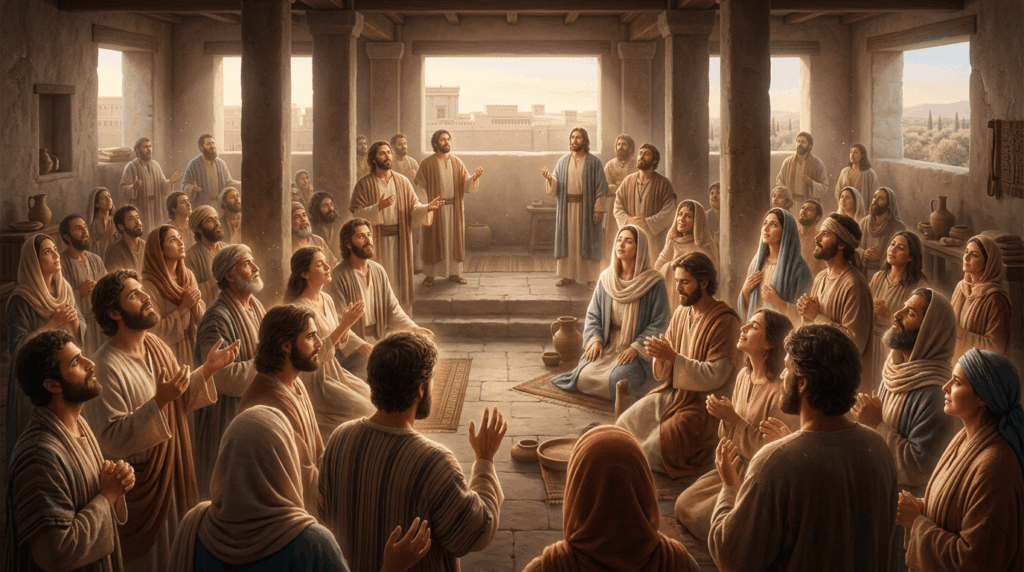
Sitten tulee kuolleistanousu, joka vapahtaa heidät epätoivosta ja palauttaa heidän uskonsa Mestarin jumalallisuuteen. He näkevät hänet kerran toisensa jälkeen ja puhuvat hänen kanssaan, ja hän vie heidät Öljymäelle, jossa hän jättää heille jäähyväiset ja sanoo palaavansa Isän tykö. Hän on käskenyt heitä viipymään Jerusalemissa siksi, kunnes heidät varustetaan voimalla – siksi, kunnes Totuuden Henki tulee. Ja Helluntain päivänä tämä uusi opettaja tulee, ja siinä samassa he lähtevät saarnaamaan evankeliumiaan uusin voimin. He ovat elävän Herran, eivät kuolleen ja nujerretun johtajan, pelottomia ja rohkeita seuraajia. Mestari elää näiden evankelistojen sydämessä. Jumala ei ole mikään heidän ajatusmaailmassaan oleva opinkappale, vaan hänestä on tullut heidän sielussaan oleva elävä läsnäolo.
”Ja he olivat alati, joka päivä, yksimielisesti temppelissä ja mursivat kotona leipää ja nauttivat ruokansa riemulla ja sydämen yksinkertaisuudella, kiittäen Jumalaa ja ollen kaiken kansan suosiossa. He tulivat kaikki Pyhällä Hengellä täytetyiksi ja puhuivat Jumalan sanaa rohkeasti. Ja uskovaisten suuressa joukossa oli yksi sydän ja yksi sielu; eikä kenkään heistä sanonut omaksensa mitään siitä, mitä hänellä oli, vaan kaikki oli heillä yhteistä.”
Mitä on tapahtunut näille ihmisille, jotka Jeesus oli määrännyt lähtemään matkaan ja saarnaamaan valtakunnan evankeliumia: Jumalan isyyttä ja ihmisen veljeyttä? Heillä on uusi evankeliumi, he ovat uudesta kokemuksesta palavissaan, heidät täyttää uusi hengellinen energia. Heidän sanomansa onkin yhtäkkiä vaihtunut julistukseksi kuolleista nousseesta Kristuksesta: ”Jeesuksen, Nasaretilaisen, sen miehen, jonka Jumala hyväksyi voimallisilla teoilla ja ihmeillä, hänet, joka teille luovutettiin Jumalan määrätietoisen päätöksen ja ennaltatietämyksen mukaan, hänet te naulitsitte ristille ja tapoitte. Mutta näin on Jumala täyttänyt, minkä hän oli edeltä ilmoittanut kaikkien profeettain suun kautta. Tämän Jeesuksen on Jumala herättänyt. Jumala on hänet Herraksi ja Kristukseksi tehnyt. Koska hän siis on Jumalan oikean käden voimalla korotettu ja on Isältä saanut lupauksen hengestä, on hän vuodattanut sen, minkä te nyt näette ja kuulette. Katukaa, jotta teidän syntinne pyyhittäisiin pois, jotta Isä lähettäisi hänet, joka on teille edeltä määrätty, nimittäin Kristuksen, Jeesuksen, jonka taivaan piti omistaman niihin aikoihin saakka, jolloin kaikki jälleen kohdallensa asetetaan.”
Valtakunnan evankeliumi, Jeesuksen sanoma, oli äkkiä vaihtunut evankeliumiksi Herrasta Jeesuksesta Kristuksesta. Nyt he julistivat tosiasioita hänen elämästään, kuolemastaan ja kuolleistaheräämisestään ja saarnasivat toivoa hänen pikaisesta paluustaan tähän maailmaan viemään aloittamansa työn päätökseen. Ensimmäisten uskovien sanomassa oli siis kysymys siitä, että he saarnasivat hänen ensimmäisen tulemisensa tosiasioista ja opettivat toivoa hänen toisesta tulemisestaan, tapahtumasta, jonka he arvioivat olevan sangen lähellä.
Kristuksesta oli tulossa hyvää vauhtia muotoutuvan kirkon uskonkappale. Jeesus elää; hän kuoli ihmisten puolesta; hän antoi hengen; hän on tulossa takaisin. Jeesus täytti kaikki heidän ajatuksensa ja määräsi koko heidän uuden käsityksensä Jumalasta ja kaikesta muustakin. He olivat liian haltioissaan siitä uudesta opinkappaleesta, että ”Jumala on Herran Jeesuksen Isä”, välittääkseen vanhasta sanomasta, jonka mukaan ”Jumala on kaikkien ihmisten rakastava Isä”, jopa jokaisen yksittäisen yksilön Isä. On totta, että näissä uskovien alkuvaiheen yhteisöissä kyllä ilmeni ihmeellistä veljellisen rakkauden ja ennennäkemätöntä hyvän tahdon esiinpuhkeamista. Mutta tämä olikin Jeesukseen uskovien veljeskunta, ei taivaallisen Isän perhevaltakuntaan kuuluvien veljien yhteisö. Heidän hyvä tahtonsa kumpusi rakkaudesta, joka syntyi Jeesuksen lahjoittautumisen käsityksestä, eikä kuolevaisten ihmisten veljeyden tiedostamisesta. He olivat tästä huolimatta täynnä riemua, ja he elivät sellaista uutta ja ainutlaatuista elämää, että heidän opetuksensa Jeesuksesta vetivät puoleensa kaikkia ihmisiä. He tekivät sen suuren virheen, että he käyttivät valtakunnan evankeliumin elävää ja valaisevaa kommenttia itse evankeliumin sijasta, mutta jo sekin edusti suurenmoisinta ihmiskunnan koskaan tuntemaa uskontoa.
Epäilystäkään ei voinut olla siitä, että maailmaan oli nousemassa uusi veljeskunta. ”Ja uskovaisten suuri joukko pysyi apostolien opetuksessa ja keskinäisessä yhteydessä ja leivän murtamisessa ja rukouksissa.” He kutsuivat toisiaan veljiksi ja sisariksi; he tervehtivät toisiaan pyhällä suudelmalla; he huolehtivat köyhistä. Kysymyksessä oli yhteisö, jossa elettiin ja palvottiin yhdessä. Heidän omaisuuden yhteisyytensä ei perustunut mihinkään määräykseen vaan haluun jakaa omaisuutensa ja tavaransa uskovaistoveriensa kanssa. He odottivat luottavaisina, että Jeesus vielä heidän sukupolvensa aikana palaisi viemään päätökseen Isän valtakunnan perustamistyön. Tämä maallisen omaisuuden spontaani yhteisyys ei ollut suoranaisesti Jeesuksen opetukseen kuuluva piirre, vaan se ilmaantui siksi, että nämä miehet ja naiset niin vilpittömästi ja niin luottavaisesti uskoivat hänen minä päivänä tahansa palaavan päättääkseen työnsä ja viedäkseen valtakunnan täyttymykseen. Mutta tämän ajattelemattoman veljellisen rakkauden alalla suoritetun hyvää tarkoittaneen kokeilun lopputulokset olivat tuhoisia ja toivat murhetta. Tuhannet hartaat uskovat myivät omaisuutensa ja luovuttivat pois kaiken kiinteän pääomansa ja muut tuottavat varansa. Kristilliseen ”tasajakoon” joutuneet hupenevat varat loppuivat aikaa myöten, mutta maailma ei loppunut. Varsin pian Antiokian uskovat ryhtyivät keräämään kolehtia pelastaakseen Jerusalemin uskovaistoverinsa nälkäkuolemalta.
Noina aikoina he viettivät Herran ehtoollista sen mukaan, miten se oli asetettu. He toisin sanoen kokoontuivat hyvän toverihengen merkeissä nautitulle yhteiselle aterialle ja aterian päätteeksi he toimittivat sakramentin.
Alkuun he kastoivat Jeesuksen nimeen, vasta lähes kahdenkymmenen vuoden kuluttua he ryhtyivät kastamaan ”Isän, Pojan ja Pyhän Hengen nimeen”. Kaste oli kaikki, mitä uskovien yhteisöön otettavalta vaadittiin. Heillä ei vielä ollut mitään organisaatiota, vaan kysymyksessä oli yksinkertaisesti vain Jeesus-veljeskunta.
Tämä Jeesus-lahko kasvoi nopeaa vauhtia, ja vielä kerran saddukeukset kiinnittivät siihen huomionsa. Fariseukset eivät tilanteesta suurestikaan välittäneet, sillä he panivat merkille, ettei mikään opetuksista millään tavoin puuttunut juutalaisten lakien noudattamiseen. Mutta saddukeukset ryhtyivät panemaan Jeesus-lahkon johtajia telkien taakse, kunnes heidät suostuteltiin hyväksymään erään johtavan rabbin, Gamalielin, neuvo. Tämä nimittäin antoi seuraavan ohjeen: ”Pysytelkää erossa näistä miehistä ja antakaa heidän olla, sillä jos tämä opetus tai tämä työ on ihmisistä, se kukistuu; mutta jos se on Jumalasta, te ette kykene heitä kukistamaan, ja mahdollisesti saatte huomata käyvänne taistelua itseään Jumalaa vastaan.” He päättivät noudattaa Gamalielin neuvoa, ja Jerusalemissa seurasi rauhallinen ja tyyni aika, jonka kuluessa Jeesuksesta kertova uusi evankeliumi levisi nopeasti.
Ja niin Jerusalemissa sujui kaikki hyvin, kunnes Aleksandriasta tuli sankoin joukoin kreikkalaisia. Jerusalemiin saapui kaksi Rodanin oppilasta, jotka saivat hellenistien keskuudesta monia käännynnäisiä. Heidän ensimmäisiin käännynnäisiinsä kuuluivat muiden muassa Stefanus ja Barnabas. Nämä kyvykkäät kreikkalaiset eivät niin suuresti pitäneet kiinni juutalaisten näkökulmasta, eivätkä he kovin hyvin mukautuneet juutalaisten palvontakäytäntöön ja muihin seremoniatapoihin. Ja juuri näiden kreikkalaisuskovien menettely päätti toisaalta Jeesus-veljeskunnan ja toisaalta fariseusten ja saddukeusten väliset rauhanomaiset suhteet. Stefanus ja hänen kreikkalainen toverinsa ryhtyivät saarnaamaan enemmänkin niin kuin Jeesus oli opettanut, ja he joutuivat sen vuoksi välittömään ristiriitaan juutalaisvallanpitäjien kanssa. Kun Stefanus erään julkisen saarnansa aikana tuli puheensa arveluttavaan kohtaan, he heittivät syrjään kaikki oikeudenkäynnin edellyttämät muotoseikat ja ryhtyivät siinä paikassa kivittämään häntä kuoliaaksi.
Stefanuksesta, Jeesukseen uskovien kreikkalaisten Jerusalemin-siirtokunnan johtajasta, tuli näin ensimmäinen uuden uskon marttyyri ja erityinen syy varhaiskristillisen kirkon muodolliseen organisoitumiseen. Tähän uuteen kriisiin suhtauduttiin toteamuksella, etteivät uskovat voineet jatkaa enää pitemmälle juutalaiseen uskoon kuuluvana lahkona. He olivat kaikki sitä mieltä, että heidän oli erottauduttava epäuskoisista. Eikä Stefanuksen kuolemasta ollut kulunut kuukauttakaan, kun Jerusalemin seurakunta oli Pietarin johdolla jo organisoitu, ja sen nimelliseksi johtajaksi oli asetettu Jeesuksen veli Jaakob.
Ja sen jälkeen alkoivat juutalaisten toimeenpanemat uudet ja säälimättömät vainot, niin että tämän uuden, Jeesuksesta kertovan uskonnon, jota myöhemmin Antiokiassa kutsuttiin kristinuskoksi, aktiiviset opettajat lähtivät Jeesuksesta julistaen Rooman valtakunnan kaikkiin ääriin. Tämän sanoman levittämisen johtajina olivat ennen Paavalin aikaa kreikkalaiset. Ja nämä ensimmäiset lähetyssaarnaajat, niin kuin myös myöhemmät, seurasivat muinaista Aleksanterin marssipolkua vaeltaessaan Gaasan ja Tyyron kautta Antiokiaan ja sitten Vähän-Aasian halki Makedoniaan ja sieltä edelleen Roomaan ja keisarikunnan äärimmäisiin kolkkiin.
When Jesus was so suddenly seized by his enemies and so quickly crucified between two thieves, his apostles and disciples were completely demoralized. The thought of the Master, arrested, bound, scourged, and crucified, was too much for even the apostles. They forgot his teachings and his warnings. He might, indeed, have been “a prophet mighty in deed and word before God and all the people,” but he could hardly be the Messiah they had hoped would restore the kingdom of Israel.
Then comes the resurrection, with its deliverance from despair and the return of their faith in the Master’s divinity. Again and again they see him and talk with him, and he takes them out on Olivet, where he bids them farewell and tells them he is going back to the Father. He has told them to tarry in Jerusalem until they are endowed with power—until the Spirit of Truth shall come. And on the day of Pentecost this new teacher comes, and they go out at once to preach their gospel with new power. They are the bold and courageous followers of a living Lord, not a dead and defeated leader. The Master lives in the hearts of these evangelists; God is not a doctrine in their minds; he has become a living presence in their souls.
“Day by day they continued steadfastly and with one accord in the temple and breaking bread at home. They took their food with gladness and singleness of heart, praising God and having favor with all the people. They were all filled with the spirit, and they spoke the word of God with boldness. And the multitudes of those who believed were of one heart and soul; and not one of them said that aught of the things which he possessed was his own, and they had all things in common.”
What has happened to these men whom Jesus had ordained to go forth preaching the gospel of the kingdom, the fatherhood of God and the brotherhood of man? They have a new gospel; they are on fire with a new experience; they are filled with a new spiritual energy. Their message has suddenly shifted to the proclamation of the risen Christ: “Jesus of Nazareth, a man God approved by mighty works and wonders; him, being delivered up by the determinate counsel and foreknowledge of God, you did crucify and slay. The things which God foreshadowed by the mouth of all the prophets, he thus fulfilled. This Jesus did God raise up. God has made him both Lord and Christ. Being, by the right hand of God, exalted and having received from the Father the promise of the spirit, he has poured forth this which you see and hear. Repent, that your sins may be blotted out; that the Father may send the Christ, who has been appointed for you, even Jesus, whom the heaven must receive until the times of the restoration of all things.”
The gospel of the kingdom, the message of Jesus, had been suddenly changed into the gospel of the Lord Jesus Christ. They now proclaimed the facts of his life, death, and resurrection and preached the hope of his speedy return to this world to finish the work he began. Thus the message of the early believers had to do with preaching about the facts of his first coming and with teaching the hope of his second coming, an event which they deemed to be very near at hand.
Christ was about to become the creed of the rapidly forming church. Jesus lives; he died for men; he gave the spirit; he is coming again. Jesus filled all their thoughts and determined all their new concepts of God and everything else. They were too much enthused over the new doctrine that “God is the Father of the Lord Jesus” to be concerned with the old message that “God is the loving Father of all men,” even of every single individual. True, a marvelous manifestation of brotherly love and unexampled good will did spring up in these early communities of believers. But it was a fellowship of believers in Jesus, not a fellowship of brothers in the family kingdom of the Father in heaven. Their good will arose from the love born of the concept of Jesus’ bestowal and not from the recognition of the brotherhood of mortal man. Nevertheless, they were filled with joy, and they lived such new and unique lives that all men were attracted to their teachings about Jesus. They made the great mistake of using the living and illustrative commentary on the gospel of the kingdom for that gospel, but even that represented the greatest religion mankind had ever known.
Unmistakably, a new fellowship was arising in the world. “The multitude who believed continued steadfastly in the apostles’ teaching and fellowship, in the breaking of bread, and in prayers.” They called each other brother and sister; they greeted one another with a holy kiss; they ministered to the poor. It was a fellowship of living as well as of worship. They were not communal by decree but by the desire to share their goods with their fellow believers. They confidently expected that Jesus would return to complete the establishment of the Father’s kingdom during their generation. This spontaneous sharing of earthly possessions was not a direct feature of Jesus’ teaching; it came about because these men and women so sincerely and so confidently believed that he was to return any day to finish his work and to consummate the kingdom. But the final results of this well-meant experiment in thoughtless brotherly love were disastrous and sorrow-breeding. Thousands of earnest believers sold their property and disposed of all their capital goods and other productive assets. With the passing of time, the dwindling resources of Christian “equal-sharing” came to an end—but the world did not. Very soon the believers at Antioch were taking up a collection to keep their fellow believers at Jerusalem from starving.
In these days they celebrated the Lord’s Supper after the manner of its establishment; that is, they assembled for a social meal of good fellowship and partook of the sacrament at the end of the meal.
At first they baptized in the name of Jesus; it was almost twenty years before they began to baptize in “the name of the Father, the Son, and the Holy Spirit.” Baptism was all that was required for admission into the fellowship of believers. They had no organization as yet; it was simply the Jesus brotherhood.
This Jesus sect was growing rapidly, and once more the Sadducees took notice of them. The Pharisees were little bothered about the situation, seeing that none of the teachings in any way interfered with the observance of the Jewish laws. But the Sadducees began to put the leaders of the Jesus sect in jail until they were prevailed upon to accept the counsel of one of the leading rabbis, Gamaliel, who advised them: “Refrain from these men and let them alone, for if this counsel or this work is of men, it will be overthrown; but if it is of God, you will not be able to overthrow them, lest haply you be found even to be fighting against God.” They decided to follow Gamaliel’s counsel, and there ensued a time of peace and quiet in Jerusalem, during which the new gospel about Jesus spread rapidly.
And so all went well in Jerusalem until the time of the coming of the Greeks in large numbers from Alexandria. Two of the pupils of Rodan arrived in Jerusalem and made many converts from among the Hellenists. Among their early converts were Stephen and Barnabas. These able Greeks did not so much have the Jewish viewpoint, and they did not so well conform to the Jewish mode of worship and other ceremonial practices. And it was the doings of these Greek believers that terminated the peaceful relations between the Jesus brotherhood and the Pharisees and Sadducees. Stephen and his Greek associate began to preach more as Jesus taught, and this brought them into immediate conflict with the Jewish rulers. In one of Stephen’s public sermons, when he reached the objectionable part of the discourse, they dispensed with all formalities of trial and proceeded to stone him to death on the spot.
Stephen, the leader of the Greek colony of Jesus’ believers in Jerusalem, thus became the first martyr to the new faith and the specific cause for the formal organization of the early Christian church. This new crisis was met by the recognition that believers could not longer go on as a sect within the Jewish faith. They all agreed that they must separate themselves from unbelievers; and within one month from the death of Stephen the church at Jerusalem had been organized under the leadership of Peter, and James the brother of Jesus had been installed as its titular head.
And then broke out the new and relentless persecutions by the Jews, so that the active teachers of the new religion about Jesus, which subsequently at Antioch was called Christianity, went forth to the ends of the empire proclaiming Jesus. In carrying this message, before the time of Paul the leadership was in Greek hands; and these first missionaries, as also the later ones, followed the path of Alexander’s march of former days, going by way of Gaza and Tyre to Antioch and then over Asia Minor to Macedonia, then on to Rome and to the uttermost parts of the empire.
SuomiEnglish
Kun Jeesus niin perin äkkiä joutui vihamiestensä käsiin ja yhtä nopeasti ristiinnaulittiin kahden varkaan väliin, hänen apostolinsa ja opetuslapsensa menettivät kokonaan itseluottamuksensa. Ajatus Mestarista kiinni otettuna, köytettynä, ruoskittuna ja ristiinnaulittuna oli liikaa jopa apostoleille. He unohtivat hänen opetuksensa ja hänen varoituksensa. Saattoihan hän tosin olla ”profeetta, voimallinen teossa ja sanassa Jumalan ja kaiken kansan edessä”, mutta se Messias hän tuskin voi olla, joka heidän toiveidensa mukaisesti perustaisi uudelleen Israelin kuningaskunnan.
When Jesus was so suddenly seized by his enemies and so quickly crucified between two thieves, his apostles and disciples were completely demoralized. The thought of the Master, arrested, bound, scourged, and crucified, was too much for even the apostles. They forgot his teachings and his warnings. He might, indeed, have been “a prophet mighty in deed and word before God and all the people,” but he could hardly be the Messiah they had hoped would restore the kingdom of Israel.
Sitten tulee kuolleistanousu, joka vapahtaa heidät epätoivosta ja palauttaa heidän uskonsa Mestarin jumalallisuuteen. He näkevät hänet kerran toisensa jälkeen ja puhuvat hänen kanssaan, ja hän vie heidät Öljymäelle, jossa hän jättää heille jäähyväiset ja sanoo palaavansa Isän tykö. Hän on käskenyt heitä viipymään Jerusalemissa siksi, kunnes heidät varustetaan voimalla – siksi, kunnes Totuuden Henki tulee. Ja Helluntain päivänä tämä uusi opettaja tulee, ja siinä samassa he lähtevät saarnaamaan evankeliumiaan uusin voimin. He ovat elävän Herran, eivät kuolleen ja nujerretun johtajan, pelottomia ja rohkeita seuraajia. Mestari elää näiden evankelistojen sydämessä. Jumala ei ole mikään heidän ajatusmaailmassaan oleva opinkappale, vaan hänestä on tullut heidän sielussaan oleva elävä läsnäolo.
Then comes the resurrection, with its deliverance from despair and the return of their faith in the Master’s divinity. Again and again they see him and talk with him, and he takes them out on Olivet, where he bids them farewell and tells them he is going back to the Father. He has told them to tarry in Jerusalem until they are endowed with power—until the Spirit of Truth shall come. And on the day of Pentecost this new teacher comes, and they go out at once to preach their gospel with new power. They are the bold and courageous followers of a living Lord, not a dead and defeated leader. The Master lives in the hearts of these evangelists; God is not a doctrine in their minds; he has become a living presence in their souls.
”Ja he olivat alati, joka päivä, yksimielisesti temppelissä ja mursivat kotona leipää ja nauttivat ruokansa riemulla ja sydämen yksinkertaisuudella, kiittäen Jumalaa ja ollen kaiken kansan suosiossa. He tulivat kaikki Pyhällä Hengellä täytetyiksi ja puhuivat Jumalan sanaa rohkeasti. Ja uskovaisten suuressa joukossa oli yksi sydän ja yksi sielu; eikä kenkään heistä sanonut omaksensa mitään siitä, mitä hänellä oli, vaan kaikki oli heillä yhteistä.”
“Day by day they continued steadfastly and with one accord in the temple and breaking bread at home. They took their food with gladness and singleness of heart, praising God and having favor with all the people. They were all filled with the spirit, and they spoke the word of God with boldness. And the multitudes of those who believed were of one heart and soul; and not one of them said that aught of the things which he possessed was his own, and they had all things in common.”
Mitä on tapahtunut näille ihmisille, jotka Jeesus oli määrännyt lähtemään matkaan ja saarnaamaan valtakunnan evankeliumia: Jumalan isyyttä ja ihmisen veljeyttä? Heillä on uusi evankeliumi, he ovat uudesta kokemuksesta palavissaan, heidät täyttää uusi hengellinen energia. Heidän sanomansa onkin yhtäkkiä vaihtunut julistukseksi kuolleista nousseesta Kristuksesta: ”Jeesuksen, Nasaretilaisen, sen miehen, jonka Jumala hyväksyi voimallisilla teoilla ja ihmeillä, hänet, joka teille luovutettiin Jumalan määrätietoisen päätöksen ja ennaltatietämyksen mukaan, hänet te naulitsitte ristille ja tapoitte. Mutta näin on Jumala täyttänyt, minkä hän oli edeltä ilmoittanut kaikkien profeettain suun kautta. Tämän Jeesuksen on Jumala herättänyt. Jumala on hänet Herraksi ja Kristukseksi tehnyt. Koska hän siis on Jumalan oikean käden voimalla korotettu ja on Isältä saanut lupauksen hengestä, on hän vuodattanut sen, minkä te nyt näette ja kuulette. Katukaa, jotta teidän syntinne pyyhittäisiin pois, jotta Isä lähettäisi hänet, joka on teille edeltä määrätty, nimittäin Kristuksen, Jeesuksen, jonka taivaan piti omistaman niihin aikoihin saakka, jolloin kaikki jälleen kohdallensa asetetaan.”
What has happened to these men whom Jesus had ordained to go forth preaching the gospel of the kingdom, the fatherhood of God and the brotherhood of man? They have a new gospel; they are on fire with a new experience; they are filled with a new spiritual energy. Their message has suddenly shifted to the proclamation of the risen Christ: “Jesus of Nazareth, a man God approved by mighty works and wonders; him, being delivered up by the determinate counsel and foreknowledge of God, you did crucify and slay. The things which God foreshadowed by the mouth of all the prophets, he thus fulfilled. This Jesus did God raise up. God has made him both Lord and Christ. Being, by the right hand of God, exalted and having received from the Father the promise of the spirit, he has poured forth this which you see and hear. Repent, that your sins may be blotted out; that the Father may send the Christ, who has been appointed for you, even Jesus, whom the heaven must receive until the times of the restoration of all things.”
Valtakunnan evankeliumi, Jeesuksen sanoma, oli äkkiä vaihtunut evankeliumiksi Herrasta Jeesuksesta Kristuksesta. Nyt he julistivat tosiasioita hänen elämästään, kuolemastaan ja kuolleistaheräämisestään ja saarnasivat toivoa hänen pikaisesta paluustaan tähän maailmaan viemään aloittamansa työn päätökseen. Ensimmäisten uskovien sanomassa oli siis kysymys siitä, että he saarnasivat hänen ensimmäisen tulemisensa tosiasioista ja opettivat toivoa hänen toisesta tulemisestaan, tapahtumasta, jonka he arvioivat olevan sangen lähellä.
The gospel of the kingdom, the message of Jesus, had been suddenly changed into the gospel of the Lord Jesus Christ. They now proclaimed the facts of his life, death, and resurrection and preached the hope of his speedy return to this world to finish the work he began. Thus the message of the early believers had to do with preaching about the facts of his first coming and with teaching the hope of his second coming, an event which they deemed to be very near at hand.
Kristuksesta oli tulossa hyvää vauhtia muotoutuvan kirkon uskonkappale. Jeesus elää; hän kuoli ihmisten puolesta; hän antoi hengen; hän on tulossa takaisin. Jeesus täytti kaikki heidän ajatuksensa ja määräsi koko heidän uuden käsityksensä Jumalasta ja kaikesta muustakin. He olivat liian haltioissaan siitä uudesta opinkappaleesta, että ”Jumala on Herran Jeesuksen Isä”, välittääkseen vanhasta sanomasta, jonka mukaan ”Jumala on kaikkien ihmisten rakastava Isä”, jopa jokaisen yksittäisen yksilön Isä. On totta, että näissä uskovien alkuvaiheen yhteisöissä kyllä ilmeni ihmeellistä veljellisen rakkauden ja ennennäkemätöntä hyvän tahdon esiinpuhkeamista. Mutta tämä olikin Jeesukseen uskovien veljeskunta, ei taivaallisen Isän perhevaltakuntaan kuuluvien veljien yhteisö. Heidän hyvä tahtonsa kumpusi rakkaudesta, joka syntyi Jeesuksen lahjoittautumisen käsityksestä, eikä kuolevaisten ihmisten veljeyden tiedostamisesta. He olivat tästä huolimatta täynnä riemua, ja he elivät sellaista uutta ja ainutlaatuista elämää, että heidän opetuksensa Jeesuksesta vetivät puoleensa kaikkia ihmisiä. He tekivät sen suuren virheen, että he käyttivät valtakunnan evankeliumin elävää ja valaisevaa kommenttia itse evankeliumin sijasta, mutta jo sekin edusti suurenmoisinta ihmiskunnan koskaan tuntemaa uskontoa.
Christ was about to become the creed of the rapidly forming church. Jesus lives; he died for men; he gave the spirit; he is coming again. Jesus filled all their thoughts and determined all their new concepts of God and everything else. They were too much enthused over the new doctrine that “God is the Father of the Lord Jesus” to be concerned with the old message that “God is the loving Father of all men,” even of every single individual. True, a marvelous manifestation of brotherly love and unexampled good will did spring up in these early communities of believers. But it was a fellowship of believers in Jesus, not a fellowship of brothers in the family kingdom of the Father in heaven. Their good will arose from the love born of the concept of Jesus’ bestowal and not from the recognition of the brotherhood of mortal man. Nevertheless, they were filled with joy, and they lived such new and unique lives that all men were attracted to their teachings about Jesus. They made the great mistake of using the living and illustrative commentary on the gospel of the kingdom for that gospel, but even that represented the greatest religion mankind had ever known.
Epäilystäkään ei voinut olla siitä, että maailmaan oli nousemassa uusi veljeskunta. ”Ja uskovaisten suuri joukko pysyi apostolien opetuksessa ja keskinäisessä yhteydessä ja leivän murtamisessa ja rukouksissa.” He kutsuivat toisiaan veljiksi ja sisariksi; he tervehtivät toisiaan pyhällä suudelmalla; he huolehtivat köyhistä. Kysymyksessä oli yhteisö, jossa elettiin ja palvottiin yhdessä. Heidän omaisuuden yhteisyytensä ei perustunut mihinkään määräykseen vaan haluun jakaa omaisuutensa ja tavaransa uskovaistoveriensa kanssa. He odottivat luottavaisina, että Jeesus vielä heidän sukupolvensa aikana palaisi viemään päätökseen Isän valtakunnan perustamistyön. Tämä maallisen omaisuuden spontaani yhteisyys ei ollut suoranaisesti Jeesuksen opetukseen kuuluva piirre, vaan se ilmaantui siksi, että nämä miehet ja naiset niin vilpittömästi ja niin luottavaisesti uskoivat hänen minä päivänä tahansa palaavan päättääkseen työnsä ja viedäkseen valtakunnan täyttymykseen. Mutta tämän ajattelemattoman veljellisen rakkauden alalla suoritetun hyvää tarkoittaneen kokeilun lopputulokset olivat tuhoisia ja toivat murhetta. Tuhannet hartaat uskovat myivät omaisuutensa ja luovuttivat pois kaiken kiinteän pääomansa ja muut tuottavat varansa. Kristilliseen ”tasajakoon” joutuneet hupenevat varat loppuivat aikaa myöten, mutta maailma ei loppunut. Varsin pian Antiokian uskovat ryhtyivät keräämään kolehtia pelastaakseen Jerusalemin uskovaistoverinsa nälkäkuolemalta.
Unmistakably, a new fellowship was arising in the world. “The multitude who believed continued steadfastly in the apostles’ teaching and fellowship, in the breaking of bread, and in prayers.” They called each other brother and sister; they greeted one another with a holy kiss; they ministered to the poor. It was a fellowship of living as well as of worship. They were not communal by decree but by the desire to share their goods with their fellow believers. They confidently expected that Jesus would return to complete the establishment of the Father’s kingdom during their generation. This spontaneous sharing of earthly possessions was not a direct feature of Jesus’ teaching; it came about because these men and women so sincerely and so confidently believed that he was to return any day to finish his work and to consummate the kingdom. But the final results of this well-meant experiment in thoughtless brotherly love were disastrous and sorrow-breeding. Thousands of earnest believers sold their property and disposed of all their capital goods and other productive assets. With the passing of time, the dwindling resources of Christian “equal-sharing” came to an end—but the world did not. Very soon the believers at Antioch were taking up a collection to keep their fellow believers at Jerusalem from starving.
Noina aikoina he viettivät Herran ehtoollista sen mukaan, miten se oli asetettu. He toisin sanoen kokoontuivat hyvän toverihengen merkeissä nautitulle yhteiselle aterialle ja aterian päätteeksi he toimittivat sakramentin.
In these days they celebrated the Lord’s Supper after the manner of its establishment; that is, they assembled for a social meal of good fellowship and partook of the sacrament at the end of the meal.
Alkuun he kastoivat Jeesuksen nimeen, vasta lähes kahdenkymmenen vuoden kuluttua he ryhtyivät kastamaan ”Isän, Pojan ja Pyhän Hengen nimeen”. Kaste oli kaikki, mitä uskovien yhteisöön otettavalta vaadittiin. Heillä ei vielä ollut mitään organisaatiota, vaan kysymyksessä oli yksinkertaisesti vain Jeesus-veljeskunta.
At first they baptized in the name of Jesus; it was almost twenty years before they began to baptize in “the name of the Father, the Son, and the Holy Spirit.” Baptism was all that was required for admission into the fellowship of believers. They had no organization as yet; it was simply the Jesus brotherhood.
Tämä Jeesus-lahko kasvoi nopeaa vauhtia, ja vielä kerran saddukeukset kiinnittivät siihen huomionsa. Fariseukset eivät tilanteesta suurestikaan välittäneet, sillä he panivat merkille, ettei mikään opetuksista millään tavoin puuttunut juutalaisten lakien noudattamiseen. Mutta saddukeukset ryhtyivät panemaan Jeesus-lahkon johtajia telkien taakse, kunnes heidät suostuteltiin hyväksymään erään johtavan rabbin, Gamalielin, neuvo. Tämä nimittäin antoi seuraavan ohjeen: ”Pysytelkää erossa näistä miehistä ja antakaa heidän olla, sillä jos tämä opetus tai tämä työ on ihmisistä, se kukistuu; mutta jos se on Jumalasta, te ette kykene heitä kukistamaan, ja mahdollisesti saatte huomata käyvänne taistelua itseään Jumalaa vastaan.” He päättivät noudattaa Gamalielin neuvoa, ja Jerusalemissa seurasi rauhallinen ja tyyni aika, jonka kuluessa Jeesuksesta kertova uusi evankeliumi levisi nopeasti.
This Jesus sect was growing rapidly, and once more the Sadducees took notice of them. The Pharisees were little bothered about the situation, seeing that none of the teachings in any way interfered with the observance of the Jewish laws. But the Sadducees began to put the leaders of the Jesus sect in jail until they were prevailed upon to accept the counsel of one of the leading rabbis, Gamaliel, who advised them: “Refrain from these men and let them alone, for if this counsel or this work is of men, it will be overthrown; but if it is of God, you will not be able to overthrow them, lest haply you be found even to be fighting against God.” They decided to follow Gamaliel’s counsel, and there ensued a time of peace and quiet in Jerusalem, during which the new gospel about Jesus spread rapidly.
Ja niin Jerusalemissa sujui kaikki hyvin, kunnes Aleksandriasta tuli sankoin joukoin kreikkalaisia. Jerusalemiin saapui kaksi Rodanin oppilasta, jotka saivat hellenistien keskuudesta monia käännynnäisiä. Heidän ensimmäisiin käännynnäisiinsä kuuluivat muiden muassa Stefanus ja Barnabas. Nämä kyvykkäät kreikkalaiset eivät niin suuresti pitäneet kiinni juutalaisten näkökulmasta, eivätkä he kovin hyvin mukautuneet juutalaisten palvontakäytäntöön ja muihin seremoniatapoihin. Ja juuri näiden kreikkalaisuskovien menettely päätti toisaalta Jeesus-veljeskunnan ja toisaalta fariseusten ja saddukeusten väliset rauhanomaiset suhteet. Stefanus ja hänen kreikkalainen toverinsa ryhtyivät saarnaamaan enemmänkin niin kuin Jeesus oli opettanut, ja he joutuivat sen vuoksi välittömään ristiriitaan juutalaisvallanpitäjien kanssa. Kun Stefanus erään julkisen saarnansa aikana tuli puheensa arveluttavaan kohtaan, he heittivät syrjään kaikki oikeudenkäynnin edellyttämät muotoseikat ja ryhtyivät siinä paikassa kivittämään häntä kuoliaaksi.
And so all went well in Jerusalem until the time of the coming of the Greeks in large numbers from Alexandria. Two of the pupils of Rodan arrived in Jerusalem and made many converts from among the Hellenists. Among their early converts were Stephen and Barnabas. These able Greeks did not so much have the Jewish viewpoint, and they did not so well conform to the Jewish mode of worship and other ceremonial practices. And it was the doings of these Greek believers that terminated the peaceful relations between the Jesus brotherhood and the Pharisees and Sadducees. Stephen and his Greek associate began to preach more as Jesus taught, and this brought them into immediate conflict with the Jewish rulers. In one of Stephen’s public sermons, when he reached the objectionable part of the discourse, they dispensed with all formalities of trial and proceeded to stone him to death on the spot.
Stefanuksesta, Jeesukseen uskovien kreikkalaisten Jerusalemin-siirtokunnan johtajasta, tuli näin ensimmäinen uuden uskon marttyyri ja erityinen syy varhaiskristillisen kirkon muodolliseen organisoitumiseen. Tähän uuteen kriisiin suhtauduttiin toteamuksella, etteivät uskovat voineet jatkaa enää pitemmälle juutalaiseen uskoon kuuluvana lahkona. He olivat kaikki sitä mieltä, että heidän oli erottauduttava epäuskoisista. Eikä Stefanuksen kuolemasta ollut kulunut kuukauttakaan, kun Jerusalemin seurakunta oli Pietarin johdolla jo organisoitu, ja sen nimelliseksi johtajaksi oli asetettu Jeesuksen veli Jaakob.
Stephen, the leader of the Greek colony of Jesus’ believers in Jerusalem, thus became the first martyr to the new faith and the specific cause for the formal organization of the early Christian church. This new crisis was met by the recognition that believers could not longer go on as a sect within the Jewish faith. They all agreed that they must separate themselves from unbelievers; and within one month from the death of Stephen the church at Jerusalem had been organized under the leadership of Peter, and James the brother of Jesus had been installed as its titular head.
Ja sen jälkeen alkoivat juutalaisten toimeenpanemat uudet ja säälimättömät vainot, niin että tämän uuden, Jeesuksesta kertovan uskonnon, jota myöhemmin Antiokiassa kutsuttiin kristinuskoksi, aktiiviset opettajat lähtivät Jeesuksesta julistaen Rooman valtakunnan kaikkiin ääriin. Tämän sanoman levittämisen johtajina olivat ennen Paavalin aikaa kreikkalaiset. Ja nämä ensimmäiset lähetyssaarnaajat, niin kuin myös myöhemmät, seurasivat muinaista Aleksanterin marssipolkua vaeltaessaan Gaasan ja Tyyron kautta Antiokiaan ja sitten Vähän-Aasian halki Makedoniaan ja sieltä edelleen Roomaan ja keisarikunnan äärimmäisiin kolkkiin.
And then broke out the new and relentless persecutions by the Jews, so that the active teachers of the new religion about Jesus, which subsequently at Antioch was called Christianity, went forth to the ends of the empire proclaiming Jesus. In carrying this message, before the time of Paul the leadership was in Greek hands; and these first missionaries, as also the later ones, followed the path of Alexander’s march of former days, going by way of Gaza and Tyre to Antioch and then over Asia Minor to Macedonia, then on to Rome and to the uttermost parts of the empire.