
Teksti
Tausta
Näytä
Lisäasetukset
Kieli
Urantia Opas
Kysy kirjan sisällöstä. Opas vastaa Book Enginen omien lähdekohtien perusteella ja ohjaa sinut lukemaan ne.
Hei! 🙏
Olen sinun Urantia-oppaasi. Tehtäväni on auttaa sinua löytämään oikeat kohdat Urantia-kirjasta ja ymmärtämään sen opetuksia syvemmin. 😊❤️
Varhain tuona keskiviikkoaamuna Jeesus ja kaksitoista apostolia lähtivät Kesarea Filippistä Magadanin puistoon Betsaida-Juliaan lähellä. Apostolit olivat tuona yönä nukkuneet varsin vähän, ja niin he olivat varhain jalkeilla ja valmiit lähtöön. Tämä puhuminen Jeesuksen kuolemasta oli järkyttänyt jopa hidasjärkisiä Alfeuksen kaksosia. Taittaessaan taivalta kohti etelää he tulivat heti Meromin terveyslähteiden jälkeen Damaskoksentielle, ja koska Jeesus halusi välttää kirjanoppineet ja muut, joiden hän tiesi ennen pitkää tulevan heidän perässään, hän määräsi, että he jatkaisivat matkaansa Kapernaumiin Galilean kautta kulkevaa Damaskoksentietä. Ja hän teki näin tietäessään, että heidän jäljessään tulevat kulkisivat etelään Jordanin itäpuolista tietä olettaessaan, että Jeesus ja apostolit pelkäsivät kulkea Herodes Antipaan alueen läpi. Jeesus pyrki pysyttelemään arvostelijoidensa ja häntä seuraavan väkijoukon tavoittamattomissa saadakseen viettää tämän päivän pelkästään apostolien seurassa.
He taittoivat matkaansa Galilean läpi niin, että heidän lounasaikansa oli ohitettu jo kauan sitten, kun he vihdoin pysähtyivät sopivaan siimekseen virkistäytymään. Kun he olivat nauttineet ateriansa, Andreas sanoi sanansa Jeesukselle osoittaen: ”Mestari, veljeni eivät käsitä syvällisiä lausumiasi. Olemme alkaneet uskoa täysin siihen, että olet Jumalan Poika, ja nyt saamme kuulla tällaista outoa puhetta, että lähdet luotamme; että kuolet. Emme ymmärrä opetustasi. Puhutko meille vertauksin? Rukoilemme sinua puhumaan meille suoraan ja peittelemättä.”
Vastatessaan Andreakselle Jeesus sanoi: ”Veljeni, juuri siksi, että olette tunnustaneet minut Jumalan Pojaksi, minun on pakko ryhtyä paljastamaan teille, mikä on totuus Ihmisen Pojan maan päällä suorittaman lahjoittautumisen päättymisestä. Takerrutte itsepintaisesti uskomukseen, että olen Messias, ettekä tahdo luopua ajatuksesta, jonka mukaan Messiaan on istuttava valtaistuimella Jerusalemissa. Siksi sanon teille toistamiseen, että Ihmisen Pojan täytyy kohdakkoin mennä Jerusalemiin, sietää monenlaista, tulla kirjanoppineiden, vanhinten ja pääpappien torjumaksi ja kaiken sanotun jälkeen tulla surmatuksi ja kuolleista nostetuksi. Enkä puhu teille mitään vertausta, vaan puhun teille totuuden, jotta olisitte valmistautuneita näihin tapahtumiin, sitten kun ne yhtäkkiä vyöryvät päällemme.” Eikä Jeesus ollut vielä ehtinyt päättää puhettaan, kun Simon Pietari jo ryntäsi kiivaasti häntä kohti, asetti kätensä Mestarin olalle ja sanoi: ”Mestari, olkoon se meistä kaukana, että kiistelisimme kanssasi, mutta vakuutan, ettei mitään tuollaista tule sinulle milloinkaan tapahtumaan.”
Pietari puhui näin, koska hän rakasti Jeesusta. Mutta Mestarin ihmisolemus tiedosti näihin hyväntahtoisesta kiintymyksestä kertoviin sanoihin kätketyn hienovaraisen houkuttimen, joka antoi ymmärtää, että hänen olisi tullut muuttaa toimintaperiaatteensa, jonka mukaan hän suorittaisi maisen lahjoittautumisensa loppuun saakka Paratiisin-Isänsä tahtoa noudattaen. Ja juuri siksi, että hän havaitsi vaaran hänen sallia edes kiintymystä osoittavien ja uskollisten ystäviensä tekemien ehdotusten taivuttaa itsensä luopumukseen, hän kääntyi Pietaria ja muita apostoleja kohti ja sanoi: ”Tule sentään taakseni. Sinustahan tuoksahtaa vastustajan, kiusaajan, henki. Tähän tapaan kun puhutte, ette ole puolellani, vaan olette pikemminkin vihollisemme puolella. Tällä tavoin teette minua kohtaan tuntemanne rakkauden minulle kompastuskiveksi Isän tahtoa noudattaessani. Älkää välittäkö ihmisten menettelytavoista, vaan mieluummin siitä, mikä on Jumalan tahto.”
Sen jälkeen kun he olivat tointuneet Jeesuksen esittämän kirvelevän moitteen aiheuttamasta pahimmasta järkytyksestä ja ennen kuin he jatkoivat taivallustaan, Mestari puhui lisää: ”Jos ihminen haluaa kulkea jäljessäni, olkoon välittämättä itsestään, ottakoon joka päivä omat velvollisuutensa harteilleen ja seuratkoon minua. Sillä jokainen, joka haluaisi itsekkäästi pelastaa elämänsä, on sen menettävä, mutta jokainen, joka minun tähteni ja evankeliumin tähden menettää elämänsä, on sen pelastava. Mitä se hyödyttää ihmistä, vaikka hän voittaa omakseen koko maailman ja menettää oman sielunsa? Mitä voisi ihminen antaa ikuisen elämän vastineeksi? Älkää hävetkö minua ja sanojani tämän syntisen ja tekopyhän sukupolven keskuudessa, sillä en minäkään häpeä tunnustaa teitä, kun kunniassa ilmestyn Isäni eteen kaikkien taivaallisten joukkojen läsnä ollessa. Moni teistä, jotka nyt seisotte edessäni, ei kuitenkaan ole maistava kuolemaa, ennen kuin näkee tämän valtakunnan tulevan voimalla.”
Näin Jeesus siis selvitti kahdelletoista apostolille, miten tuskallinen ja ristiriitainen oli polku, jota heidän olisi astuttava, jos he haluaisivat seurata häntä. Millainen järkytys nämä sanat olivatkaan noille kahdelletoista galilealaiskalastajalle, jotka itsepäisesti unelmoivat maallisesta valtakunnasta heille kuuluvine kunniasijoineen! Mutta tämä rohkea vetoomus sai heidän lojaalin sydämensä pamppailemaan, eikä heistä yhdelläkään ollut halua hylätä häntä. Jeesus ei ollut lähettämässä heitä taisteluun yksinään, vaan hän toimi heidän johtajanaan. Hän pyysi vain, että he tulevat urheasti perässä.
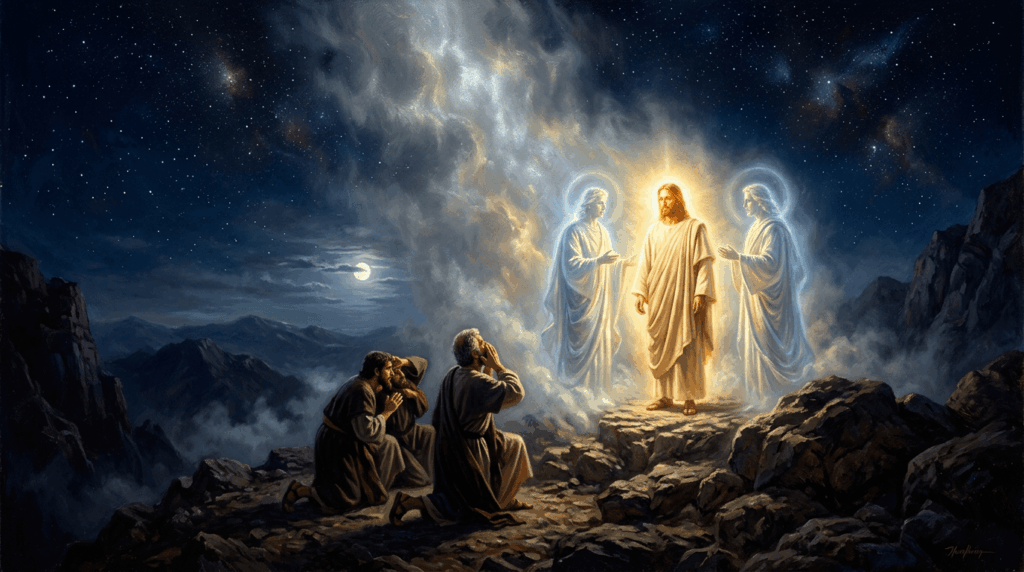
Kahdelletoista apostolille alkoi vähitellen valjeta ajatus, että Jeesus puhui heille jotakin sellaisesta mahdollisuudesta, että hän kuolisi. Vain hämärästi he käsittivät, mitä hän sanoi kuolemastaan, kun taas hänen sanansa kuolleistaheräämisestä eivät alkuunkaan löytäneet tietään heidän mieleensä. Sitä mukaa kun päivät kuluivat, Pietari, Jaakob ja Johannes, jotka muistivat kirkastusvuoren kokemuksensa, pääsivät parempaan ymmärrykseen joistakin käsillä olevista asioista.
Koko sinä aikana, jonka kaksitoista apostolia viettivät yhdessä Mestarinsa kanssa, he näkivät vain muutaman kerran tuon salamoivan katseen ja kuulivat vain muutaman kerran yhtä sivaltavia moitteen sanoja kuin ne, jotka äsken kerrotussa tilanteessa osoitettiin Pietarille ja muille apostoleille. Jeesus oli aina suhtautunut kärsivällisesti heidän inhimillisiin vajavuuksiinsa, mutta ei silloin kun hänen edessään oli ilmeinen uhka hänen ohjelmalleen toteuttaa kiertelemättä Isänsä tahto siltä osin kuin se koski hänen maisen elämänuransa jäljellä olevaa osaa. Apostolit olivat kirjaimellisesti tyrmistyneitä; he olivat hämmästyneitä ja kauhistuneita. He eivät kyenneet löytämään sanoja, joilla ilmaista murheensa. He alkoivat vähitellen tiedostaa, mitä Mestarin oli kestettävä, ja että heidän oli käytävä läpi nämä kokemukset yhdessä hänen kanssaan, mutta he havahtuivat näiden tulevien tapahtumien todellisuuteen vasta kauan sen jälkeen, kun nämä ensimmäiset vihjeet hänen elämänsä viimeisiä päiviä uhkaavasta murhenäytelmästä oli annettu.
Hiljaisuuden vallitessa Jeesus ja kaksitoista apostolia lähtivät Kapernaumin kautta leirilleen Magadanin puistossa. Iltapäivän tuntien kuluessa he eivät keskustelleet Jeesuksen kanssa, vaikka he keskenään puhuivatkin paljon, kun Andreas taas keskusteli Mestarin kanssa.
Early this Wednesday morning Jesus and the twelve departed from Caesarea-Philippi for Magadan Park near Bethsaida-Julias. The apostles had slept very little that night, so they were up early and ready to go. Even the stolid Alpheus twins had been shocked by this talk about the death of Jesus. As they journeyed south, just beyond the Waters of Merom they came to the Damascus road, and desiring to avoid the scribes and others whom Jesus knew would presently be coming along after them, he directed that they go on to Capernaum by the Damascus road which passes through Galilee. And he did this because he knew that those who followed after him would go on down over the east Jordan road since they reckoned that Jesus and the apostles would fear to pass through the territory of Herod Antipas. Jesus sought to elude his critics and the crowd which followed him that he might be alone with his apostles this day.
They traveled on through Galilee until well past the time for their lunch, when they stopped in the shade to refresh themselves. And after they had partaken of food, Andrew, speaking to Jesus, said: “Master, my brethren do not comprehend your deep sayings. We have come fully to believe that you are the Son of God, and now we hear these strange words about leaving us, about dying. We do not understand your teaching. Are you speaking to us in parables? We pray you to speak to us directly and in undisguised form.”
In answer to Andrew, Jesus said: “My brethren, it is because you have confessed that I am the Son of God that I am constrained to begin to unfold to you the truth about the end of the bestowal of the Son of Man on earth. You insist on clinging to the belief that I am the Messiah, and you will not abandon the idea that the Messiah must sit upon a throne in Jerusalem; wherefore do I persist in telling you that the Son of Man must presently go to Jerusalem, suffer many things, be rejected by the scribes, the elders, and the chief priests, and after all this be killed and raised from the dead. And I speak not a parable to you; I speak the truth to you that you may be prepared for these events when they suddenly come upon us.” And while he was yet speaking, Simon Peter, rushing impetuously toward him, laid his hand upon the Master’s shoulder and said: “Master, be it far from us to contend with you, but I declare that these things shall never happen to you.”
Peter spoke thus because he loved Jesus; but the Master’s human nature recognized in these words of well-meant affection the subtle suggestion of temptation that he change his policy of pursuing to the end his earth bestowal in accordance with the will of his Paradise Father. And it was because he detected the danger of permitting the suggestions of even his affectionate and loyal friends to dissuade him, that he turned upon Peter and the other apostles, saying: “Get you behind me. You savor of the spirit of the adversary, the tempter. When you talk in this manner, you are not on my side but rather on the side of our enemy. In this way do you make your love for me a stumbling block to my doing the Father’s will. Mind not the ways of men but rather the will of God.”
After they had recovered from the first shock of Jesus’ stinging rebuke, and before they resumed their journey, the Master spoke further: “If any man would come after me, let him disregard himself, take up his responsibilities daily, and follow me. For whosoever would save his life selfishly, shall lose it, but whosoever loses his life for my sake and the gospel’s, shall save it. What does it profit a man to gain the whole world and lose his own soul? What would a man give in exchange for eternal life? Be not ashamed of me and my words in this sinful and hypocritical generation, even as I will not be ashamed to acknowledge you when in glory I appear before my Father in the presence of all the celestial hosts. Nevertheless, many of you now standing before me shall not taste death till you see this kingdom of God come with power.”
And thus did Jesus make plain to the twelve the painful and conflicting path which they must tread if they would follow him. What a shock these words were to these Galilean fishermen who persisted in dreaming of an earthly kingdom with positions of honor for themselves! But their loyal hearts were stirred by this courageous appeal, and not one of them was minded to forsake him. Jesus was not sending them alone into the conflict; he was leading them. He asked only that they bravely follow.
Slowly the twelve were grasping the idea that Jesus was telling them something about the possibility of his dying. They only vaguely comprehended what he said about his death, while his statement about rising from the dead utterly failed to register in their minds. As the days passed, Peter, James, and John, recalling their experience upon the mount of the transfiguration, arrived at a fuller understanding of certain of these matters.
In all the association of the twelve with their Master, only a few times did they see that flashing eye and hear such swift words of rebuke as were administered to Peter and the rest of them on this occasion. Jesus had always been patient with their human shortcomings, but not so when faced by an impending threat against the program of implicitly carrying out his Father’s will regarding the remainder of his earth career. The apostles were literally stunned; they were amazed and horrified. They could not find words to express their sorrow. Slowly they began to realize what the Master must endure, and that they must go through these experiences with him, but they did not awaken to the reality of these coming events until long after these early hints of the impending tragedy of his latter days.
In silence Jesus and the twelve started for their camp at Magadan Park, going by way of Capernaum. As the afternoon wore on, though they did not converse with Jesus, they talked much among themselves while Andrew talked with the Master.
SuomiEnglish
Varhain tuona keskiviikkoaamuna Jeesus ja kaksitoista apostolia lähtivät Kesarea Filippistä Magadanin puistoon Betsaida-Juliaan lähellä. Apostolit olivat tuona yönä nukkuneet varsin vähän, ja niin he olivat varhain jalkeilla ja valmiit lähtöön. Tämä puhuminen Jeesuksen kuolemasta oli järkyttänyt jopa hidasjärkisiä Alfeuksen kaksosia. Taittaessaan taivalta kohti etelää he tulivat heti Meromin terveyslähteiden jälkeen Damaskoksentielle, ja koska Jeesus halusi välttää kirjanoppineet ja muut, joiden hän tiesi ennen pitkää tulevan heidän perässään, hän määräsi, että he jatkaisivat matkaansa Kapernaumiin Galilean kautta kulkevaa Damaskoksentietä. Ja hän teki näin tietäessään, että heidän jäljessään tulevat kulkisivat etelään Jordanin itäpuolista tietä olettaessaan, että Jeesus ja apostolit pelkäsivät kulkea Herodes Antipaan alueen läpi. Jeesus pyrki pysyttelemään arvostelijoidensa ja häntä seuraavan väkijoukon tavoittamattomissa saadakseen viettää tämän päivän pelkästään apostolien seurassa.
Early this Wednesday morning Jesus and the twelve departed from Caesarea-Philippi for Magadan Park near Bethsaida-Julias. The apostles had slept very little that night, so they were up early and ready to go. Even the stolid Alpheus twins had been shocked by this talk about the death of Jesus. As they journeyed south, just beyond the Waters of Merom they came to the Damascus road, and desiring to avoid the scribes and others whom Jesus knew would presently be coming along after them, he directed that they go on to Capernaum by the Damascus road which passes through Galilee. And he did this because he knew that those who followed after him would go on down over the east Jordan road since they reckoned that Jesus and the apostles would fear to pass through the territory of Herod Antipas. Jesus sought to elude his critics and the crowd which followed him that he might be alone with his apostles this day.
He taittoivat matkaansa Galilean läpi niin, että heidän lounasaikansa oli ohitettu jo kauan sitten, kun he vihdoin pysähtyivät sopivaan siimekseen virkistäytymään. Kun he olivat nauttineet ateriansa, Andreas sanoi sanansa Jeesukselle osoittaen: ”Mestari, veljeni eivät käsitä syvällisiä lausumiasi. Olemme alkaneet uskoa täysin siihen, että olet Jumalan Poika, ja nyt saamme kuulla tällaista outoa puhetta, että lähdet luotamme; että kuolet. Emme ymmärrä opetustasi. Puhutko meille vertauksin? Rukoilemme sinua puhumaan meille suoraan ja peittelemättä.”
They traveled on through Galilee until well past the time for their lunch, when they stopped in the shade to refresh themselves. And after they had partaken of food, Andrew, speaking to Jesus, said: “Master, my brethren do not comprehend your deep sayings. We have come fully to believe that you are the Son of God, and now we hear these strange words about leaving us, about dying. We do not understand your teaching. Are you speaking to us in parables? We pray you to speak to us directly and in undisguised form.”
Vastatessaan Andreakselle Jeesus sanoi: ”Veljeni, juuri siksi, että olette tunnustaneet minut Jumalan Pojaksi, minun on pakko ryhtyä paljastamaan teille, mikä on totuus Ihmisen Pojan maan päällä suorittaman lahjoittautumisen päättymisestä. Takerrutte itsepintaisesti uskomukseen, että olen Messias, ettekä tahdo luopua ajatuksesta, jonka mukaan Messiaan on istuttava valtaistuimella Jerusalemissa. Siksi sanon teille toistamiseen, että Ihmisen Pojan täytyy kohdakkoin mennä Jerusalemiin, sietää monenlaista, tulla kirjanoppineiden, vanhinten ja pääpappien torjumaksi ja kaiken sanotun jälkeen tulla surmatuksi ja kuolleista nostetuksi. Enkä puhu teille mitään vertausta, vaan puhun teille totuuden, jotta olisitte valmistautuneita näihin tapahtumiin, sitten kun ne yhtäkkiä vyöryvät päällemme.” Eikä Jeesus ollut vielä ehtinyt päättää puhettaan, kun Simon Pietari jo ryntäsi kiivaasti häntä kohti, asetti kätensä Mestarin olalle ja sanoi: ”Mestari, olkoon se meistä kaukana, että kiistelisimme kanssasi, mutta vakuutan, ettei mitään tuollaista tule sinulle milloinkaan tapahtumaan.”
In answer to Andrew, Jesus said: “My brethren, it is because you have confessed that I am the Son of God that I am constrained to begin to unfold to you the truth about the end of the bestowal of the Son of Man on earth. You insist on clinging to the belief that I am the Messiah, and you will not abandon the idea that the Messiah must sit upon a throne in Jerusalem; wherefore do I persist in telling you that the Son of Man must presently go to Jerusalem, suffer many things, be rejected by the scribes, the elders, and the chief priests, and after all this be killed and raised from the dead. And I speak not a parable to you; I speak the truth to you that you may be prepared for these events when they suddenly come upon us.” And while he was yet speaking, Simon Peter, rushing impetuously toward him, laid his hand upon the Master’s shoulder and said: “Master, be it far from us to contend with you, but I declare that these things shall never happen to you.”
Pietari puhui näin, koska hän rakasti Jeesusta. Mutta Mestarin ihmisolemus tiedosti näihin hyväntahtoisesta kiintymyksestä kertoviin sanoihin kätketyn hienovaraisen houkuttimen, joka antoi ymmärtää, että hänen olisi tullut muuttaa toimintaperiaatteensa, jonka mukaan hän suorittaisi maisen lahjoittautumisensa loppuun saakka Paratiisin-Isänsä tahtoa noudattaen. Ja juuri siksi, että hän havaitsi vaaran hänen sallia edes kiintymystä osoittavien ja uskollisten ystäviensä tekemien ehdotusten taivuttaa itsensä luopumukseen, hän kääntyi Pietaria ja muita apostoleja kohti ja sanoi: ”Tule sentään taakseni. Sinustahan tuoksahtaa vastustajan, kiusaajan, henki. Tähän tapaan kun puhutte, ette ole puolellani, vaan olette pikemminkin vihollisemme puolella. Tällä tavoin teette minua kohtaan tuntemanne rakkauden minulle kompastuskiveksi Isän tahtoa noudattaessani. Älkää välittäkö ihmisten menettelytavoista, vaan mieluummin siitä, mikä on Jumalan tahto.”
Peter spoke thus because he loved Jesus; but the Master’s human nature recognized in these words of well-meant affection the subtle suggestion of temptation that he change his policy of pursuing to the end his earth bestowal in accordance with the will of his Paradise Father. And it was because he detected the danger of permitting the suggestions of even his affectionate and loyal friends to dissuade him, that he turned upon Peter and the other apostles, saying: “Get you behind me. You savor of the spirit of the adversary, the tempter. When you talk in this manner, you are not on my side but rather on the side of our enemy. In this way do you make your love for me a stumbling block to my doing the Father’s will. Mind not the ways of men but rather the will of God.”
Sen jälkeen kun he olivat tointuneet Jeesuksen esittämän kirvelevän moitteen aiheuttamasta pahimmasta järkytyksestä ja ennen kuin he jatkoivat taivallustaan, Mestari puhui lisää: ”Jos ihminen haluaa kulkea jäljessäni, olkoon välittämättä itsestään, ottakoon joka päivä omat velvollisuutensa harteilleen ja seuratkoon minua. Sillä jokainen, joka haluaisi itsekkäästi pelastaa elämänsä, on sen menettävä, mutta jokainen, joka minun tähteni ja evankeliumin tähden menettää elämänsä, on sen pelastava. Mitä se hyödyttää ihmistä, vaikka hän voittaa omakseen koko maailman ja menettää oman sielunsa? Mitä voisi ihminen antaa ikuisen elämän vastineeksi? Älkää hävetkö minua ja sanojani tämän syntisen ja tekopyhän sukupolven keskuudessa, sillä en minäkään häpeä tunnustaa teitä, kun kunniassa ilmestyn Isäni eteen kaikkien taivaallisten joukkojen läsnä ollessa. Moni teistä, jotka nyt seisotte edessäni, ei kuitenkaan ole maistava kuolemaa, ennen kuin näkee tämän valtakunnan tulevan voimalla.”
After they had recovered from the first shock of Jesus’ stinging rebuke, and before they resumed their journey, the Master spoke further: “If any man would come after me, let him disregard himself, take up his responsibilities daily, and follow me. For whosoever would save his life selfishly, shall lose it, but whosoever loses his life for my sake and the gospel’s, shall save it. What does it profit a man to gain the whole world and lose his own soul? What would a man give in exchange for eternal life? Be not ashamed of me and my words in this sinful and hypocritical generation, even as I will not be ashamed to acknowledge you when in glory I appear before my Father in the presence of all the celestial hosts. Nevertheless, many of you now standing before me shall not taste death till you see this kingdom of God come with power.”
Näin Jeesus siis selvitti kahdelletoista apostolille, miten tuskallinen ja ristiriitainen oli polku, jota heidän olisi astuttava, jos he haluaisivat seurata häntä. Millainen järkytys nämä sanat olivatkaan noille kahdelletoista galilealaiskalastajalle, jotka itsepäisesti unelmoivat maallisesta valtakunnasta heille kuuluvine kunniasijoineen! Mutta tämä rohkea vetoomus sai heidän lojaalin sydämensä pamppailemaan, eikä heistä yhdelläkään ollut halua hylätä häntä. Jeesus ei ollut lähettämässä heitä taisteluun yksinään, vaan hän toimi heidän johtajanaan. Hän pyysi vain, että he tulevat urheasti perässä.
And thus did Jesus make plain to the twelve the painful and conflicting path which they must tread if they would follow him. What a shock these words were to these Galilean fishermen who persisted in dreaming of an earthly kingdom with positions of honor for themselves! But their loyal hearts were stirred by this courageous appeal, and not one of them was minded to forsake him. Jesus was not sending them alone into the conflict; he was leading them. He asked only that they bravely follow.
Kahdelletoista apostolille alkoi vähitellen valjeta ajatus, että Jeesus puhui heille jotakin sellaisesta mahdollisuudesta, että hän kuolisi. Vain hämärästi he käsittivät, mitä hän sanoi kuolemastaan, kun taas hänen sanansa kuolleistaheräämisestä eivät alkuunkaan löytäneet tietään heidän mieleensä. Sitä mukaa kun päivät kuluivat, Pietari, Jaakob ja Johannes, jotka muistivat kirkastusvuoren kokemuksensa, pääsivät parempaan ymmärrykseen joistakin käsillä olevista asioista.
Slowly the twelve were grasping the idea that Jesus was telling them something about the possibility of his dying. They only vaguely comprehended what he said about his death, while his statement about rising from the dead utterly failed to register in their minds. As the days passed, Peter, James, and John, recalling their experience upon the mount of the transfiguration, arrived at a fuller understanding of certain of these matters.
Koko sinä aikana, jonka kaksitoista apostolia viettivät yhdessä Mestarinsa kanssa, he näkivät vain muutaman kerran tuon salamoivan katseen ja kuulivat vain muutaman kerran yhtä sivaltavia moitteen sanoja kuin ne, jotka äsken kerrotussa tilanteessa osoitettiin Pietarille ja muille apostoleille. Jeesus oli aina suhtautunut kärsivällisesti heidän inhimillisiin vajavuuksiinsa, mutta ei silloin kun hänen edessään oli ilmeinen uhka hänen ohjelmalleen toteuttaa kiertelemättä Isänsä tahto siltä osin kuin se koski hänen maisen elämänuransa jäljellä olevaa osaa. Apostolit olivat kirjaimellisesti tyrmistyneitä; he olivat hämmästyneitä ja kauhistuneita. He eivät kyenneet löytämään sanoja, joilla ilmaista murheensa. He alkoivat vähitellen tiedostaa, mitä Mestarin oli kestettävä, ja että heidän oli käytävä läpi nämä kokemukset yhdessä hänen kanssaan, mutta he havahtuivat näiden tulevien tapahtumien todellisuuteen vasta kauan sen jälkeen, kun nämä ensimmäiset vihjeet hänen elämänsä viimeisiä päiviä uhkaavasta murhenäytelmästä oli annettu.
In all the association of the twelve with their Master, only a few times did they see that flashing eye and hear such swift words of rebuke as were administered to Peter and the rest of them on this occasion. Jesus had always been patient with their human shortcomings, but not so when faced by an impending threat against the program of implicitly carrying out his Father’s will regarding the remainder of his earth career. The apostles were literally stunned; they were amazed and horrified. They could not find words to express their sorrow. Slowly they began to realize what the Master must endure, and that they must go through these experiences with him, but they did not awaken to the reality of these coming events until long after these early hints of the impending tragedy of his latter days.
Hiljaisuuden vallitessa Jeesus ja kaksitoista apostolia lähtivät Kapernaumin kautta leirilleen Magadanin puistossa. Iltapäivän tuntien kuluessa he eivät keskustelleet Jeesuksen kanssa, vaikka he keskenään puhuivatkin paljon, kun Andreas taas keskusteli Mestarin kanssa.
In silence Jesus and the twelve started for their camp at Magadan Park, going by way of Capernaum. As the afternoon wore on, though they did not converse with Jesus, they talked much among themselves while Andrew talked with the Master.