
Teksti
Tausta
Näytä
Lisäasetukset
Kieli
Urantia Opas
Kysy kirjan sisällöstä. Opas vastaa Book Enginen omien lähdekohtien perusteella ja ohjaa sinut lukemaan ne.
Hei! 🙏
Olen sinun Urantia-oppaasi. Tehtäväni on auttaa sinua löytämään oikeat kohdat Urantia-kirjasta ja ymmärtämään sen opetuksia syvemmin. 😊❤️
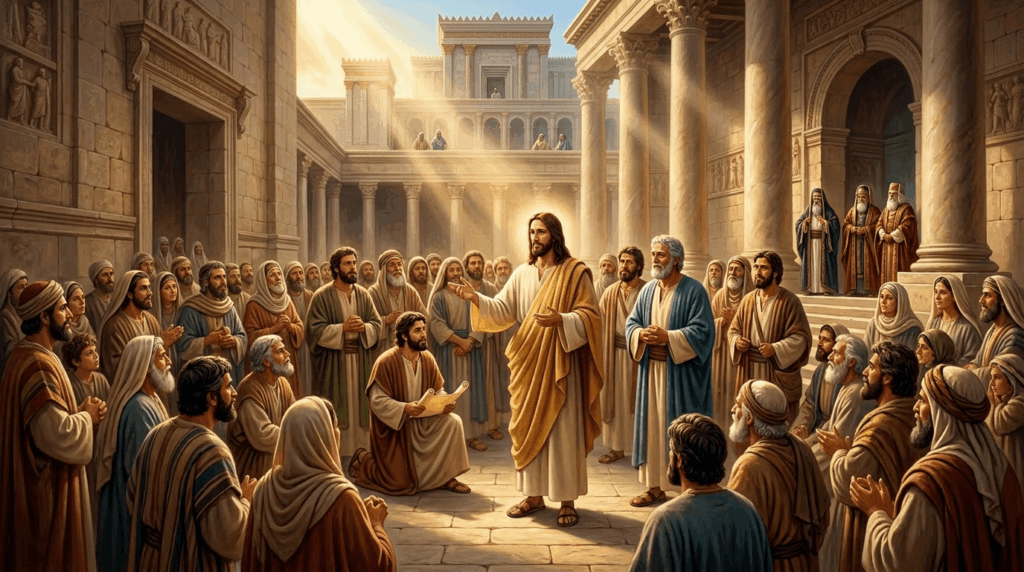
Kaksitoista apostolia, joista useimmat olivat kuunnelleet edellä kerrottua Jumalan luonteesta käytyä keskustelua, esittivät samana iltana Jeesukselle monta kysymystä taivaallisesta Isästä. Mestarin vastaukset näihin kysymyksiin on parasta esittää yhteenvetona seuraavin nykyisen kielenkäytön mukaisin ilmaisuin:
Jeesus nuhteli lempeästi kahtatoista apostolia, kun hän asiasisältönsä osalta toistettuna sanoi: Ettekö tunne Israelin kansan perimätietoja niiltä osin, kuin ne liittyvät Jahve-käsitteen kehitykseen, ja oletteko tietämättömiä siitä, mitä pyhissä kirjoituksissa Jumalaa käsittelevän opinkappaleen osalta sanotaan? Ja sitten Mestari ryhtyi opettamaan apostoleille jumaluuskäsityksen kehitystä juutalaiskansan koko kehityskaaren ajalta. Hän pyysi kiinnittämään huomiota seuraaviin jumalakäsityksen kehitysvaiheisiin:
1. Jahve – Siinain sukukuntien jumala. Tämä oli se primitiivinen käsitys Jumaluudesta, jonka Mooses korotti korkeammalle, Israelin Herran, Jumalan tasolle. Taivaassa oleva Isä ei milloinkaan torju maisten lastensa vilpitöntä palvontaa, olipa heidän jumaluuskäsityksensä miten karkeatekoinen tahansa tai symboloivatpa he hänen jumalallista olemustaan millä nimellä hyvänsä.
2. Kaikkein Korkein. Tämän käsityksen taivaassa olevasta Isästä Melkisedek julisti Abrahamille, ja ne, jotka myöhemmin uskoivat tähän laveampaan ja laajempaan Jumaluuden ideaan, veivät sen kauas Saalemista. Abraham ja hänen veljensä lähtivät Uurista siellä vakiintuneen auringonpalvonnan takia, ja he alkoivat uskoa Melkisedekin opetukseen El Eljonista, Kaikkein Korkeimmasta Jumalasta. Heidän käsityksensä Jumalasta oli monikoosteinen, sillä se oli sekoitus, johon kuului heidän vanhemmat mesopotamialaiset käsityksensä sekä oppi Kaikkein Korkeimmasta.
3. El Shaddai. Näinä varhaisina aikoina monet heprealaiset palvoivat El Shaddaita, sitä egyptiläistä käsitystä taivaan Jumalasta, josta he olivat tulleet tietämään ollessaan vankeina Niilin maassa. Kauan Melkisedekin aikojen jälkeen kaikki nämä kolme jumalakäsitystä yhdistyivät, ja niistä muodostui oppi luojajumaluudesta, Israelin Herrasta, Jumalasta.
4. Elohim. Aatamin ajoista saakka on säilynyt opetus Paratiisin Kolminaisuudesta. Ettekö muista, kuinka pyhät kirjoitukset alkavat väitteellä, jonka mukaan ”Alussa Jumalat loivat taivaat ja maan”? Tämä osoittaa, että aikana, jona tuo muistiinmerkintä tehtiin, oli kolminaisuuskäsite kolmesta Jumalasta yhdessä Jumalassa saanut sijansa esi-isiemme uskonnossa.
5. Korkein Jahve. Jesajan aikaan tultaessa nämä Jumalaa koskevat uskomukset olivat laajenneet Universaalisen Luojan käsitteeksi, Luojan, joka oli samalla kertaa sekä kaikkivaltias että kaikin puolin armollinen. Ja tämä kehittyvä ja laajeneva jumalakäsitys syrjäytti isiemme uskonnosta itse asiassa kaikki aikaisemmat jumaluuskäsitykset.
6. Taivaassa oleva Isä. Ja nyt me tunnemme Jumalan taivaassa olevana Isänämme. Opetuksemme tarjoaa uskonnon, jossa uskova on Jumalan poika. Se on taivaan valtakunnan evankeliumin hyvä sanoma. Poika ja Henki ovat Isän kanssa rinnanolevaisia, ja ilmoitus näiden Paratiisin-Jumaluuksien olemuksesta ja huolenpidosta tulee jatkuvasti laajenemaan ja kirkastumaan kaikkina niinä loputtomina aikakausina, jolloin taivaaseen nousevat Jumalan pojat käyvät läpi ikuista hengellistä edistymistään. Ihmisen sisimmässä asuva henki tunnustaa kaikkina aikoina ja kaikkina aikakausina jokaisen ihmisen harjoittaman aidon palvonnan – siinä mielessä, että kysymys on yksilökohtaisesta hengellisestä edistymisestä – taivaassa olevalle Isälle osoitetuksi kunnianosoitukseksi.
Apostolit eivät olleet koskaan ennen olleet yhtä järkyttyneitä kuin he olivat kuultuaan tämän selvityksen jumalakäsityksen kasvusta aikaisempien sukupolvien juutalaisten mielessä. He olivat aivan liian hämmennyksissä kysymyksiä esittääkseen. Kun he siinä istuivat hiljaisina Jeesuksen edessä, Mestari jatkoi puhettaan: ”Ja olisitte tienneet nämä totuudet, jos olisitte lukeneet pyhiä kirjoituksia. Ettekö ole lukeneet Samuelin kirjasta kohtaa, jossa sanotaan: ’Ja Herran viha syttyi Israelia kohtaan, niin että hän yllytti Daavidin heitä vastaan, sanoen: Mene ja laske Israel ja Juuda’? Eikä tässä ollut mitään kummallista, sillä Samuelin päivinä Abrahamin lapset tosiaan uskoivat, että Jahve loi sekä hyvän että pahan. Mutta kun myöhempi kirjoittaja juutalaisten käsityksen Jumalan luonteesta laajennuttua kertoi nämä tapahtumat, hän ei rohjennut panna Jahvea vastuuseen pahasta. Siksi hän sanoi: ’Ja Saatana nousi Israelia vastaan ja yllytti Daavidin laskemaan Israelin.’ Ettekö kykene näkemään, että tällaiset pyhissä kirjoituksissa esiintyvät muistiinmerkinnät osoittavat selvästi, miten käsitys Jumalan olemuksesta jatkuvasti ja sukupolvesta toiseen kehittyi?
”Lisäksi teidän olisi pitänyt havaita, kuinka jumalallisen lain ymmärtäminen edistyi täysin samaa tahtia näiden laajenevien jumaluuskäsitysten kanssa. Kun Israelin lapset pääsivät pois Egyptistä aikana ennen laajempaa Jahve-ilmoitusta, heillä oli kymmenen käskyä, jotka olivat heidän lakinaan aina niihin aikoihin asti, jolloin he elivät leirissä Siinain juurella. Ja nämä kymmenen käskyä kuuluivat:
”1. Älä palvo mitään muuta jumalaa, sillä Herra on kiivas Jumala.
”2. Älä tee valettuja jumalia.
”3. Älä jätä viettämättä happamattoman leivän juhlaa.
”4. Esikoiset kaikista ihmisten tai karjan miehenpuolista ovat minun, sanoo Herra.
”5. Kuusi päivää saat tehdä työtä, mutta seitsemäntenä sinun pitää levätä.
”6. Älä jätä viettämättä uutishedelmien juhlaa äläkä vuoden lopulla sadonkorjuujuhlaa.
”7. Älä uhraa minkään uhrieläimen verta happaman leivän kera.
”8. Pääsiäisjuhlan uhritoimitusta ei pidä jättää aamuun.
”9. Maan uutishedelmien ensimmäiset on sinun tuotava Herran, sinun Jumalasi, huoneeseen.
”10. Älä kiehuta vohlaa emonsa maidossa.
”Ja sitten Mooses, Siinain jylinäin ja salamain keskellä, antoi heille uudet kymmenen käskyä, joista te kaikki myönnätte, että ne ovat paljon arvollisempia lausumia esiintymään Jumaluutta käsittelevien avartuvien Jahve-käsitysten rinnalla. Ja tokko te koskaan näiden pyhissä kirjoituksissa kahteen kertaan lueteltujen käskyjen osalta huomasitte, että ensimmäisessä tapauksessa on sapatin pitämisen syyksi osoitettu Egyptistä-vapautuminen, kun taas esi-isiemme uskonnollisten käsitysten edistyminen vaati myöhemmin laaditussa kertomuksessa muuttamaan tämän kohdan siten, että sapatin noudattamisen syyksi tuli luomistapahtuman tosiasian tunnustaminen?
”Ja sitten muistanette, että vielä kerran – Jesajan aikana vallinneen suuremman hengellisen valveutumisen myötä – nämä kymmenen negatiivista käskyä vaihdettiin suureksi ja myönteiseksi rakkauden laiksi, kehotukseksi rakastaa Jumalaa yli kaiken ja lähimmäistä niin kuin itseään. Ja tämä on se yli kaiken menevä, Jumalaa kohtaan ja ihmistä kohtaan tunnettavan rakkauden laki, josta myös minä julistan teille, ettei ihmisellä muuta velvollisuutta ole.”
Ja kun hän oli sanottavansa puhunut, kukaan ei esittänyt hänelle kysymystä, vaan he menivät itse kukin levolle.
The twelve apostles, most of whom had listened to this discussion of the character of God, that night asked Jesus many questions about the Father in heaven. The Master’s answers to these questions can best be presented by the following summary in modern phraseology:
Jesus mildly upbraided the twelve, in substance saying: Do you not know the traditions of Israel relating to the growth of the idea of Yahweh, and are you ignorant of the teaching of the Scriptures concerning the doctrine of God? And then did the Master proceed to instruct the apostles about the evolution of the concept of Deity throughout the course of the development of the Jewish people. He called attention to the following phases of the growth of the God idea:
1. Yahweh—the god of the Sinai clans. This was the primitive concept of Deity which Moses exalted to the higher level of the Lord God of Israel. The Father in heaven never fails to accept the sincere worship of his children on earth, no matter how crude their concept of Deity or by what name they symbolize his divine nature.
2. The Most High. This concept of the Father in heaven was proclaimed by Melchizedek to Abraham and was carried far from Salem by those who subsequently believed in this enlarged and expanded idea of Deity. Abraham and his brother left Ur because of the establishment of sun worship, and they became believers in Melchizedek’s teaching of El Elyon—the Most High God. Theirs was a composite concept of God, consisting in a blending of their older Mesopotamian ideas and the Most High doctrine.
3. El Shaddai. During these early days many of the Hebrews worshiped El Shaddai, the Egyptian concept of the God of heaven, which they learned about during their captivity in the land of the Nile. Long after the times of Melchizedek all three of these concepts of God became joined together to form the doctrine of the creator Deity, the Lord God of Israel.
4. Elohim. From the times of Adam the teaching of the Paradise Trinity has persisted. Do you not recall how the Scriptures begin by asserting that “In the beginning the Gods created the heavens and the earth”? This indicates that when that record was made the Trinity concept of three Gods in one had found lodgment in the religion of our forebears.
5. The Supreme Yahweh. By the times of Isaiah these beliefs about God had expanded into the concept of a Universal Creator who was simultaneously all-powerful and all-merciful. And this evolving and enlarging concept of God virtually supplanted all previous ideas of Deity in our fathers’ religion.
6. The Father in heaven. And now do we know God as our Father in heaven. Our teaching provides a religion wherein the believer is a son of God. That is the good news of the gospel of the kingdom of heaven. Coexistent with the Father are the Son and the Spirit, and the revelation of the nature and ministry of these Paradise Deities will continue to enlarge and brighten throughout the endless ages of the eternal spiritual progression of the ascending sons of God. At all times and during all ages the true worship of any human being—as concerns individual spiritual progress—is recognized by the indwelling spirit as homage rendered to the Father in heaven.
Never before had the apostles been so shocked as they were upon hearing this recounting of the growth of the concept of God in the Jewish minds of previous generations; they were too bewildered to ask questions. As they sat before Jesus in silence, the Master continued: “And you would have known these truths had you read the Scriptures. Have you not read in Samuel where it says: ‘And the anger of the Lord was kindled against Israel, so much so that he moved David against them, saying, go number Israel and Judah’? And this was not strange because in the days of Samuel the children of Abraham really believed that Yahweh created both good and evil. But when a later writer narrated these events, subsequent to the enlargement of the Jewish concept of the nature of God, he did not dare attribute evil to Yahweh; therefore he said: ‘And Satan stood up against Israel and provoked David to number Israel.’ Cannot you discern that such records in the Scriptures clearly show how the concept of the nature of God continued to grow from one generation to another?
“Again should you have discerned the growth of the understanding of divine law in perfect keeping with these enlarging concepts of divinity. When the children of Israel came out of Egypt in the days before the enlarged revelation of Yahweh, they had ten commandments which served as their law right up to the times when they were encamped before Sinai. And these ten commandments were:
“1. You shall worship no other god, for the Lord is a jealous God.
“2. You shall not make molten gods.
“3. You shall not neglect to keep the feast of unleavened bread.
“4. Of all the males of men or cattle, the first-born are mine, says the Lord.
“5. Six days you may work, but on the seventh day you shall rest.
“6. You shall not fail to observe the feast of the first fruits and the feast of the ingathering at the end of the year.
“7. You shall not offer the blood of any sacrifice with leavened bread.
“8. The sacrifice of the feast of the Passover shall not be left until morning.
“9. The first of the first fruits of the ground you shall bring to the house of the Lord your God.
“10. You shall not seethe a kid in its mother’s milk.
“And then, amidst the thunders and lightnings of Sinai, Moses gave them the new ten commandments, which you will all allow are more worthy utterances to accompany the enlarging Yahweh concepts of Deity. And did you never take notice of these commandments as twice recorded in the Scriptures, that in the first case deliverance from Egypt is assigned as the reason for Sabbath keeping, while in a later record the advancing religious beliefs of our forefathers demanded that this be changed to the recognition of the fact of creation as the reason for Sabbath observance?
“And then will you remember that once again—in the greater spiritual enlightenment of Isaiah’s day—these ten negative commandments were changed into the great and positive law of love, the injunction to love God supremely and your neighbor as yourself. And it is this supreme law of love for God and for man that I also declare to you as constituting the whole duty of man.”
And when he had finished speaking, no man asked him a question. They went, each one to his sleep.
SuomiEnglish
Kaksitoista apostolia, joista useimmat olivat kuunnelleet edellä kerrottua Jumalan luonteesta käytyä keskustelua, esittivät samana iltana Jeesukselle monta kysymystä taivaallisesta Isästä. Mestarin vastaukset näihin kysymyksiin on parasta esittää yhteenvetona seuraavin nykyisen kielenkäytön mukaisin ilmaisuin:
The twelve apostles, most of whom had listened to this discussion of the character of God, that night asked Jesus many questions about the Father in heaven. The Master’s answers to these questions can best be presented by the following summary in modern phraseology:
Jeesus nuhteli lempeästi kahtatoista apostolia, kun hän asiasisältönsä osalta toistettuna sanoi: Ettekö tunne Israelin kansan perimätietoja niiltä osin, kuin ne liittyvät Jahve-käsitteen kehitykseen, ja oletteko tietämättömiä siitä, mitä pyhissä kirjoituksissa Jumalaa käsittelevän opinkappaleen osalta sanotaan? Ja sitten Mestari ryhtyi opettamaan apostoleille jumaluuskäsityksen kehitystä juutalaiskansan koko kehityskaaren ajalta. Hän pyysi kiinnittämään huomiota seuraaviin jumalakäsityksen kehitysvaiheisiin:
Jesus mildly upbraided the twelve, in substance saying: Do you not know the traditions of Israel relating to the growth of the idea of Yahweh, and are you ignorant of the teaching of the Scriptures concerning the doctrine of God? And then did the Master proceed to instruct the apostles about the evolution of the concept of Deity throughout the course of the development of the Jewish people. He called attention to the following phases of the growth of the God idea:
1. Jahve – Siinain sukukuntien jumala. Tämä oli se primitiivinen käsitys Jumaluudesta, jonka Mooses korotti korkeammalle, Israelin Herran, Jumalan tasolle. Taivaassa oleva Isä ei milloinkaan torju maisten lastensa vilpitöntä palvontaa, olipa heidän jumaluuskäsityksensä miten karkeatekoinen tahansa tai symboloivatpa he hänen jumalallista olemustaan millä nimellä hyvänsä.
1. Yahweh—the god of the Sinai clans. This was the primitive concept of Deity which Moses exalted to the higher level of the Lord God of Israel. The Father in heaven never fails to accept the sincere worship of his children on earth, no matter how crude their concept of Deity or by what name they symbolize his divine nature.
2. Kaikkein Korkein. Tämän käsityksen taivaassa olevasta Isästä Melkisedek julisti Abrahamille, ja ne, jotka myöhemmin uskoivat tähän laveampaan ja laajempaan Jumaluuden ideaan, veivät sen kauas Saalemista. Abraham ja hänen veljensä lähtivät Uurista siellä vakiintuneen auringonpalvonnan takia, ja he alkoivat uskoa Melkisedekin opetukseen El Eljonista, Kaikkein Korkeimmasta Jumalasta. Heidän käsityksensä Jumalasta oli monikoosteinen, sillä se oli sekoitus, johon kuului heidän vanhemmat mesopotamialaiset käsityksensä sekä oppi Kaikkein Korkeimmasta.
2. The Most High. This concept of the Father in heaven was proclaimed by Melchizedek to Abraham and was carried far from Salem by those who subsequently believed in this enlarged and expanded idea of Deity. Abraham and his brother left Ur because of the establishment of sun worship, and they became believers in Melchizedek’s teaching of El Elyon—the Most High God. Theirs was a composite concept of God, consisting in a blending of their older Mesopotamian ideas and the Most High doctrine.
3. El Shaddai. Näinä varhaisina aikoina monet heprealaiset palvoivat El Shaddaita, sitä egyptiläistä käsitystä taivaan Jumalasta, josta he olivat tulleet tietämään ollessaan vankeina Niilin maassa. Kauan Melkisedekin aikojen jälkeen kaikki nämä kolme jumalakäsitystä yhdistyivät, ja niistä muodostui oppi luojajumaluudesta, Israelin Herrasta, Jumalasta.
3. El Shaddai. During these early days many of the Hebrews worshiped El Shaddai, the Egyptian concept of the God of heaven, which they learned about during their captivity in the land of the Nile. Long after the times of Melchizedek all three of these concepts of God became joined together to form the doctrine of the creator Deity, the Lord God of Israel.
4. Elohim. Aatamin ajoista saakka on säilynyt opetus Paratiisin Kolminaisuudesta. Ettekö muista, kuinka pyhät kirjoitukset alkavat väitteellä, jonka mukaan ”Alussa Jumalat loivat taivaat ja maan”? Tämä osoittaa, että aikana, jona tuo muistiinmerkintä tehtiin, oli kolminaisuuskäsite kolmesta Jumalasta yhdessä Jumalassa saanut sijansa esi-isiemme uskonnossa.
4. Elohim. From the times of Adam the teaching of the Paradise Trinity has persisted. Do you not recall how the Scriptures begin by asserting that “In the beginning the Gods created the heavens and the earth”? This indicates that when that record was made the Trinity concept of three Gods in one had found lodgment in the religion of our forebears.
5. Korkein Jahve. Jesajan aikaan tultaessa nämä Jumalaa koskevat uskomukset olivat laajenneet Universaalisen Luojan käsitteeksi, Luojan, joka oli samalla kertaa sekä kaikkivaltias että kaikin puolin armollinen. Ja tämä kehittyvä ja laajeneva jumalakäsitys syrjäytti isiemme uskonnosta itse asiassa kaikki aikaisemmat jumaluuskäsitykset.
5. The Supreme Yahweh. By the times of Isaiah these beliefs about God had expanded into the concept of a Universal Creator who was simultaneously all-powerful and all-merciful. And this evolving and enlarging concept of God virtually supplanted all previous ideas of Deity in our fathers’ religion.
6. Taivaassa oleva Isä. Ja nyt me tunnemme Jumalan taivaassa olevana Isänämme. Opetuksemme tarjoaa uskonnon, jossa uskova on Jumalan poika. Se on taivaan valtakunnan evankeliumin hyvä sanoma. Poika ja Henki ovat Isän kanssa rinnanolevaisia, ja ilmoitus näiden Paratiisin-Jumaluuksien olemuksesta ja huolenpidosta tulee jatkuvasti laajenemaan ja kirkastumaan kaikkina niinä loputtomina aikakausina, jolloin taivaaseen nousevat Jumalan pojat käyvät läpi ikuista hengellistä edistymistään. Ihmisen sisimmässä asuva henki tunnustaa kaikkina aikoina ja kaikkina aikakausina jokaisen ihmisen harjoittaman aidon palvonnan – siinä mielessä, että kysymys on yksilökohtaisesta hengellisestä edistymisestä – taivaassa olevalle Isälle osoitetuksi kunnianosoitukseksi.
6. The Father in heaven. And now do we know God as our Father in heaven. Our teaching provides a religion wherein the believer is a son of God. That is the good news of the gospel of the kingdom of heaven. Coexistent with the Father are the Son and the Spirit, and the revelation of the nature and ministry of these Paradise Deities will continue to enlarge and brighten throughout the endless ages of the eternal spiritual progression of the ascending sons of God. At all times and during all ages the true worship of any human being—as concerns individual spiritual progress—is recognized by the indwelling spirit as homage rendered to the Father in heaven.
Apostolit eivät olleet koskaan ennen olleet yhtä järkyttyneitä kuin he olivat kuultuaan tämän selvityksen jumalakäsityksen kasvusta aikaisempien sukupolvien juutalaisten mielessä. He olivat aivan liian hämmennyksissä kysymyksiä esittääkseen. Kun he siinä istuivat hiljaisina Jeesuksen edessä, Mestari jatkoi puhettaan: ”Ja olisitte tienneet nämä totuudet, jos olisitte lukeneet pyhiä kirjoituksia. Ettekö ole lukeneet Samuelin kirjasta kohtaa, jossa sanotaan: ’Ja Herran viha syttyi Israelia kohtaan, niin että hän yllytti Daavidin heitä vastaan, sanoen: Mene ja laske Israel ja Juuda’? Eikä tässä ollut mitään kummallista, sillä Samuelin päivinä Abrahamin lapset tosiaan uskoivat, että Jahve loi sekä hyvän että pahan. Mutta kun myöhempi kirjoittaja juutalaisten käsityksen Jumalan luonteesta laajennuttua kertoi nämä tapahtumat, hän ei rohjennut panna Jahvea vastuuseen pahasta. Siksi hän sanoi: ’Ja Saatana nousi Israelia vastaan ja yllytti Daavidin laskemaan Israelin.’ Ettekö kykene näkemään, että tällaiset pyhissä kirjoituksissa esiintyvät muistiinmerkinnät osoittavat selvästi, miten käsitys Jumalan olemuksesta jatkuvasti ja sukupolvesta toiseen kehittyi?
Never before had the apostles been so shocked as they were upon hearing this recounting of the growth of the concept of God in the Jewish minds of previous generations; they were too bewildered to ask questions. As they sat before Jesus in silence, the Master continued: “And you would have known these truths had you read the Scriptures. Have you not read in Samuel where it says: ‘And the anger of the Lord was kindled against Israel, so much so that he moved David against them, saying, go number Israel and Judah’? And this was not strange because in the days of Samuel the children of Abraham really believed that Yahweh created both good and evil. But when a later writer narrated these events, subsequent to the enlargement of the Jewish concept of the nature of God, he did not dare attribute evil to Yahweh; therefore he said: ‘And Satan stood up against Israel and provoked David to number Israel.’ Cannot you discern that such records in the Scriptures clearly show how the concept of the nature of God continued to grow from one generation to another?
”Lisäksi teidän olisi pitänyt havaita, kuinka jumalallisen lain ymmärtäminen edistyi täysin samaa tahtia näiden laajenevien jumaluuskäsitysten kanssa. Kun Israelin lapset pääsivät pois Egyptistä aikana ennen laajempaa Jahve-ilmoitusta, heillä oli kymmenen käskyä, jotka olivat heidän lakinaan aina niihin aikoihin asti, jolloin he elivät leirissä Siinain juurella. Ja nämä kymmenen käskyä kuuluivat:
“Again should you have discerned the growth of the understanding of divine law in perfect keeping with these enlarging concepts of divinity. When the children of Israel came out of Egypt in the days before the enlarged revelation of Yahweh, they had ten commandments which served as their law right up to the times when they were encamped before Sinai. And these ten commandments were:
”1. Älä palvo mitään muuta jumalaa, sillä Herra on kiivas Jumala.
“1. You shall worship no other god, for the Lord is a jealous God.
”2. Älä tee valettuja jumalia.
“2. You shall not make molten gods.
”3. Älä jätä viettämättä happamattoman leivän juhlaa.
“3. You shall not neglect to keep the feast of unleavened bread.
”4. Esikoiset kaikista ihmisten tai karjan miehenpuolista ovat minun, sanoo Herra.
“4. Of all the males of men or cattle, the first-born are mine, says the Lord.
”5. Kuusi päivää saat tehdä työtä, mutta seitsemäntenä sinun pitää levätä.
“5. Six days you may work, but on the seventh day you shall rest.
”6. Älä jätä viettämättä uutishedelmien juhlaa äläkä vuoden lopulla sadonkorjuujuhlaa.
“6. You shall not fail to observe the feast of the first fruits and the feast of the ingathering at the end of the year.
”7. Älä uhraa minkään uhrieläimen verta happaman leivän kera.
“7. You shall not offer the blood of any sacrifice with leavened bread.
”8. Pääsiäisjuhlan uhritoimitusta ei pidä jättää aamuun.
“8. The sacrifice of the feast of the Passover shall not be left until morning.
”9. Maan uutishedelmien ensimmäiset on sinun tuotava Herran, sinun Jumalasi, huoneeseen.
“9. The first of the first fruits of the ground you shall bring to the house of the Lord your God.
”10. Älä kiehuta vohlaa emonsa maidossa.
“10. You shall not seethe a kid in its mother’s milk.
”Ja sitten Mooses, Siinain jylinäin ja salamain keskellä, antoi heille uudet kymmenen käskyä, joista te kaikki myönnätte, että ne ovat paljon arvollisempia lausumia esiintymään Jumaluutta käsittelevien avartuvien Jahve-käsitysten rinnalla. Ja tokko te koskaan näiden pyhissä kirjoituksissa kahteen kertaan lueteltujen käskyjen osalta huomasitte, että ensimmäisessä tapauksessa on sapatin pitämisen syyksi osoitettu Egyptistä-vapautuminen, kun taas esi-isiemme uskonnollisten käsitysten edistyminen vaati myöhemmin laaditussa kertomuksessa muuttamaan tämän kohdan siten, että sapatin noudattamisen syyksi tuli luomistapahtuman tosiasian tunnustaminen?
“And then, amidst the thunders and lightnings of Sinai, Moses gave them the new ten commandments, which you will all allow are more worthy utterances to accompany the enlarging Yahweh concepts of Deity. And did you never take notice of these commandments as twice recorded in the Scriptures, that in the first case deliverance from Egypt is assigned as the reason for Sabbath keeping, while in a later record the advancing religious beliefs of our forefathers demanded that this be changed to the recognition of the fact of creation as the reason for Sabbath observance?
”Ja sitten muistanette, että vielä kerran – Jesajan aikana vallinneen suuremman hengellisen valveutumisen myötä – nämä kymmenen negatiivista käskyä vaihdettiin suureksi ja myönteiseksi rakkauden laiksi, kehotukseksi rakastaa Jumalaa yli kaiken ja lähimmäistä niin kuin itseään. Ja tämä on se yli kaiken menevä, Jumalaa kohtaan ja ihmistä kohtaan tunnettavan rakkauden laki, josta myös minä julistan teille, ettei ihmisellä muuta velvollisuutta ole.”
“And then will you remember that once again—in the greater spiritual enlightenment of Isaiah’s day—these ten negative commandments were changed into the great and positive law of love, the injunction to love God supremely and your neighbor as yourself. And it is this supreme law of love for God and for man that I also declare to you as constituting the whole duty of man.”
Ja kun hän oli sanottavansa puhunut, kukaan ei esittänyt hänelle kysymystä, vaan he menivät itse kukin levolle.
And when he had finished speaking, no man asked him a question. They went, each one to his sleep.