
Teksti
Tausta
Näytä
Lisäasetukset
Kieli
Urantia Opas
Kysy kirjan sisällöstä. Opas vastaa Book Enginen omien lähdekohtien perusteella ja ohjaa sinut lukemaan ne.
Hei! 🙏
Olen sinun Urantia-oppaasi. Tehtäväni on auttaa sinua löytämään oikeat kohdat Urantia-kirjasta ja ymmärtämään sen opetuksia syvemmin. 😊❤️
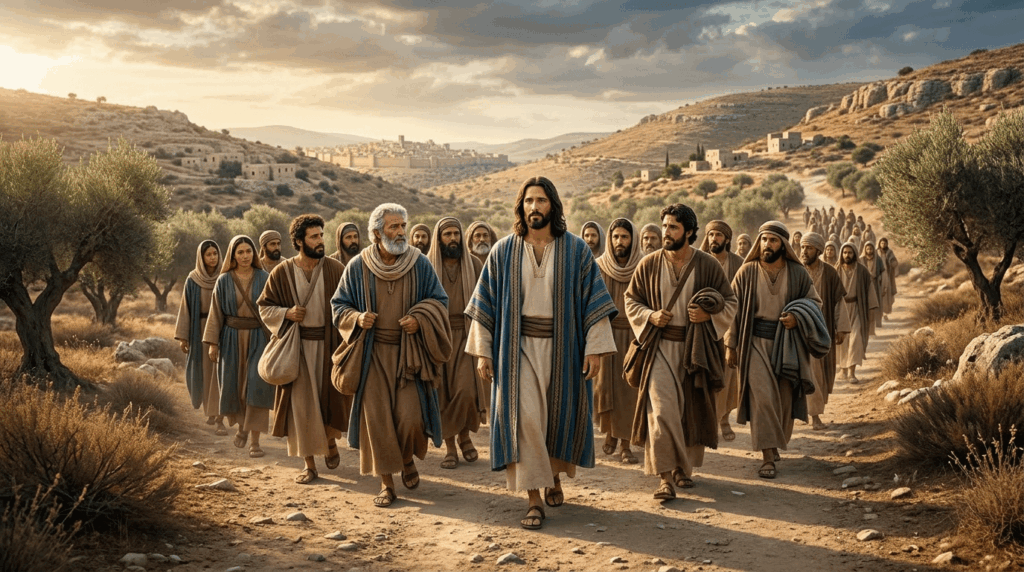
Matkallaan Jerusalemiin Jeesus ja hänen seuraajansa leiriytyivät keskiviikkoiltana, maaliskuun 29. päivänä, Liviasiin, saatuaan päätökseen kiertomatkansa Etelä-Perean kaupungeissa. Tämä oli se Liviaassa vietetty ilta, jolloin Simon Selootti ja Simon Pietari, jotka olivat salaa sopineet, että heille tällä paikkakunnalla luovutettaisiin yli sata miekkaa, saivat nämä aseet haltuunsa ja jakoivat niitä kaikille, jotka suostuisivat vastaanottamaan sellaisen ja kantamaan sitä viittansa alle kätkettynä. Simon Pietari kantoi miekkaansa vielä sinä iltana, jona Mestari puutarhassa kavallettiin.
Varhain torstaiaamuna, ennen kuin muut vielä olivat hereillä, Jeesus kutsui Andreaksen luokseen ja sanoi: ”Herätä veljesi! Minulla on heille puhuttavaa.” Jeesus oli tietoinen näistä miekoista ja siitä, ketkä hänen apostolinsa sellaisen aseen olivat vastaanottaneet ja sellaista kantoivat, mutta hän ei koskaan paljastanut heille tietävänsä tällaiset asiat. Andreaksen herätettyä työtoverinsa ja näiden keräännyttyä yhteen muista erilleen Jeesus sanoi: ”Lapseni, olette olleet kanssani pitkän tovin, ja olen opettanut teille paljon sellaista, mikä on tarpeen tätä aikaa ajatellen, mutta nyt tahtoisin varoittaa teitä, ettette panisi luottamustanne sellaisiin, mitkä lihallisessa olomuodossa edustavat epävarmuuksia, ettekä sellaisiin, mitkä ihmisen puolustusvarustuksessa ovat heikkouksia, käydessämme kohti edessämme olevia koettelemuksia ja koetusta. Olen pyytänyt teidät tänne muista erilleen, jotta minulla olisi vielä kerran tilaisuus selväsanaisesti kertoa teille, että olemme menossa Jerusalemiin, jossa niin kuin tiedätte Ihmisen Poika on jo tuomittu kuolemaan. Sanon teille taas kerran, että Ihmisen Poika annetaan ylipappien ja uskonnollisten vallanpitäjien käsiin ja että nämä tulevat hänet tuomitsemaan ja luovuttamaan hänet sitten pakanain käsiin. Ja niin he tulevat pilkkaamaan Ihmisen Poikaa, jopa sylkemään hänen päälleen ja ruoskimaan häntä, ja he toimittavat hänet kuolemaan. Ja kun he tappavat Ihmisen Pojan, älkää kauhistuko, sillä teen tiettäväksi, että hän on kolmantena päivänä nouseva kuolleista. Ottakaa tästä vaarin ja muistakaa minun teitä ennalta varoittaneen.”
Taas kerran apostolit olivat ymmällään, mykistyneitä. Mutta he eivät osanneet ottaa hänen sanojaan kirjaimellisesti; he eivät kyenneet käsittämään, että Mestari tarkoitti täsmälleen sitä, mitä hän sanoi. Se, että he itsepintaisesti uskoivat maan päälle perustettavaan ajalliseen valtakuntaan, jonka pääkaupunki olisi Jerusalem, sokaisi heidät niin pahasti, etteivät he yksinkertaisesti voineet – halunneet – antaa itselleen lupaa hyväksyä Jeesuksen sanomaa kirjaimelliseksi. Kaiken päivää he pohtivat, mitä Mestari mahtoi tarkoittaa moisilla omituisilla julistuksillaan. Mutta kenelläkään heistä ei ollut rohkeutta esittää hänelle kysymystä näistä lausumista. Vasta Mestarin kuoleman jälkeen nämä hämmentyneet apostolit havahtuivat tietoisuuteen siitä, että hän ennen ristiinnaulitsemistaan olikin puhunut heille selvät ja suorat sanat.
Liviaassa sattui myös, että muutamat ystävällismieliset fariseukset tulivat Jeesuksen luokse heti aamiaisen jälkeen ja sanoivat: ”Pakene kiireesti näiltä tienoilta, sillä niin kuin Herodes kerran tavoitteli Johannesta, niin hän nyt tavoittelee sinun tappamistasi. Hän pelkää kansannousua ja on päättänyt tappaa sinut. Tuomme sinulle tämän varoituksen, jotta sinulla olisi tilaisuus päästä pakoon.”
Ja tämä oli osaksi totta. Lasaruksen kuolleistanousu pelästytti ja säikäytti Herodeksen ja tietäessään, että sanhedrin oli rohjennut tuomita Jeesuksen, ja vieläpä ennen oikeudenkäyntiä, Herodes päätti joko tappaa Jeesuksen tai ajaa hänet pois omalta hallintoalueeltaan. Todellisuudessa hän halusi toteuttaa jälkimmäisen vaihtoehdon, sillä hän pelkäsi Jeesusta niin suuresti, että toivoi, ettei hänen olisi pakko tätä teloituttaa.
Kuultuaan, mitä fariseuksilla oli sanottavaa, Jeesus vastasi: ”Olen sangen hyvin perillä Herodeksesta ja hänen pelostaan tätä valtakunnan evankeliumia kohtaan. Mutta älkää erehtykö luulemaan, etteikö hän paljon mieluummin näkisi, että Ihmisen Poika menee Jerusalemiin ja kärsii ja kuolee pääpappien käsissä. Kätensä jo Johanneksen verellä tahrattuaan hänellä ei ole mitään halua joutua vastuuseen Ihmisen Pojan kuolemasta. Menkääpä te kertomaan sille ketulle, että Ihmisen Poika saarnaa tänään Pereassa, menee huomenna Juudeaan ja muutaman päivän kuluttua hän on vienyt täyttymykseen tehtävänsä maan päällä ja on valmis nousemaan Isän tykö.”
Sitten Jeesus apostoliensa puoleen kääntyen sanoi: ”Ammoisista ajoista asti profeetat ovat menehtyneet Jerusalemissa, ja on vain soveliasta, että Ihmisen Poika menee kaupunkiin, jossa on Isän huone, uhrattavaksi hintana, joka on maksettava inhimillisestä kiihkoilusta, ja tuloksena uskonnollisesta ennakkoluuloisuudesta ja hengellisestä sokeudesta. Oi Jerusalem, Jerusalem, joka tappaa profeetat ja kivittää totuudenopettajat! Kuinka usein olenkaan halunnut koota lapsesi yhteen niin kuin kanaemo kerää oman pesueensa siipiensä suojaan, mutta sinä et antanut minun niin tehdä! Katso, huoneesi jätetään kohta sinulle autiona! Vielä monta kertaa toivot, että näkisit minut, mutta et minua näe. Silloin sinä minua etsit, mutta et minua löydä.” Ja nämä sanat lausuttuaan hän kääntyi ympärillään olevien puoleen ja sanoi: ”Oli miten oli, menkäämme Jerusalemiin osallistuaksemme pääsiäisjuhlille ja tehdäksemme, mikä on osamme taivaallisen Isän tahdon täyttämisessä.”
Ymmällään ja hämmentynyt oli se uskovien ryhmä, joka tuona päivänä seurasi Jeesusta Jerikoon. Apostolit kykenivät erottamaan vain tietynlaisen, lopullisesta riemuvoitosta kertova sävyn Jeesuksen valtakuntaa koskeneissa julistuksissa. He eivät kerta kaikkiaan osanneet asettua siihen asemaan, että olisivat olleet valmiita käsittämään varoitukset uhkaamassa olevasta takaiskusta. Kun Jeesus puhui ”kolmantena päivänä nousemisesta”, he takertuivat tähän lausumaan ikään kuin se olisi merkinnyt kiistämätöntä valtakunnan riemuvoittoa, heti sen jälkeen kun ensin olisi käyty epämiellyttävä kahakka juutalaisten uskonnollisten johtajien kanssa. ”Kolmantena päivänä” oli tavanomainen juutalainen sanonta, joka merkitsi ”ennen pitkää” tai ”kohta sen jälkeen.” Jeesuksen puhuessa ”nousemisesta” he luulivat hänen tarkoittavan ”valtakunnan nousemista”.
Nämä uskovat olivat hyväksyneet Jeesuksen Messiaaksi, ja kärsivästä Messiaasta juutalaiset eivät tienneet juuri mitään. He eivät ymmärtäneet, että Jeesus pääsi kuolemallaan moniin sellaisiin tavoitteisiin, joita hän ei olisi koskaan elämällään voinut saavuttaa. Kun apostoleja kannusti astumaan Jerusalemin muurien sisäpuolelle Lasaruksen kuolleistaherääminen, Mestarin tukena tässä hänen lahjoittautumisensa koettelevassa vaiheessa oli muisto hänen kirkastuksestaan.
On Wednesday evening, March 29, Jesus and his followers encamped at Livias on their way to Jerusalem, after having completed their tour of the cities of southern Perea. It was during this night at Livias that Simon Zelotes and Simon Peter, having conspired to have delivered into their hands at this place more than one hundred swords, received and distributed these arms to all who would accept them and wear them concealed beneath their cloaks. Simon Peter was still wearing his sword on the night of the Master’s betrayal in the garden.
Early on Thursday morning before the others were awake, Jesus called Andrew and said: “Awaken your brethren! I have something to say to them.” Jesus knew about the swords and which of his apostles had received and were wearing these weapons, but he never disclosed to them that he knew such things. When Andrew had aroused his associates, and they had assembled off by themselves, Jesus said: “My children, you have been with me a long while, and I have taught you much that is needful for this time, but I would now warn you not to put your trust in the uncertainties of the flesh nor in the frailties of man’s defense against the trials and testing which lie ahead of us. I have called you apart here by yourselves that I may once more plainly tell you that we are going up to Jerusalem, where you know the Son of Man has already been condemned to death. Again am I telling you that the Son of Man will be delivered into the hands of the chief priests and the religious rulers; that they will condemn him and then deliver him into the hands of the gentiles. And so will they mock the Son of Man, even spit upon him and scourge him, and they will deliver him up to death. And when they kill the Son of Man, be not dismayed, for I declare that on the third day he shall rise. Take heed to yourselves and remember that I have forewarned you.”
Again were the apostles amazed, stunned; but they could not bring themselves to regard his words as literal; they could not comprehend that the Master meant just what he said. They were so blinded by their persistent belief in the temporal kingdom on earth, with headquarters at Jerusalem, that they simply could not—would not—permit themselves to accept Jesus’ words as literal. They pondered all that day as to what the Master could mean by such strange pronouncements. But none of them dared to ask him a question concerning these statements. Not until after his death did these bewildered apostles wake up to the realization that the Master had spoken to them plainly and directly in anticipation of his crucifixion.
It was here at Livias, just after breakfast, that certain friendly Pharisees came to Jesus and said: “Flee in haste from these parts, for Herod, just as he sought John, now seeks to kill you. He fears an uprising of the people and has decided to kill you. We bring you this warning that you may escape.”
And this was partly true. The resurrection of Lazarus frightened and alarmed Herod, and knowing that the Sanhedrin had dared to condemn Jesus, even in advance of a trial, Herod made up his mind either to kill Jesus or to drive him out of his domains. He really desired to do the latter since he so feared him that he hoped he would not be compelled to execute him.
When Jesus heard what the Pharisees had to say, he replied: “I well know about Herod and his fear of this gospel of the kingdom. But, mistake not, he would much prefer that the Son of Man go up to Jerusalem to suffer and die at the hands of the chief priests; he is not anxious, having stained his hands with the blood of John, to become responsible for the death of the Son of Man. Go you and tell that fox that the Son of Man preaches in Perea today, tomorrow goes into Judea, and after a few days, will be perfected in his mission on earth and prepared to ascend to the Father.”
Then turning to his apostles, Jesus said: “From olden times the prophets have perished in Jerusalem, and it is only befitting that the Son of Man should go up to the city of the Father’s house to be offered up as the price of human bigotry and as the result of religious prejudice and spiritual blindness. O Jerusalem, Jerusalem, which kills the prophets and stones the teachers of truth! How often would I have gathered your children together even as a hen gathers her own brood under her wings, but you would not let me do it! Behold, your house is about to be left to you desolate! You will many times desire to see me, but you shall not. You will then seek but not find me.” And when he had spoken, he turned to those around him and said: “Nevertheless, let us go up to Jerusalem to attend the Passover and do that which becomes us in fulfilling the will of the Father in heaven.”
It was a confused and bewildered group of believers who this day followed Jesus into Jericho. The apostles could discern only the certain note of final triumph in Jesus’ declarations regarding the kingdom; they just could not bring themselves to that place where they were willing to grasp the warnings of the impending setback. When Jesus spoke of “rising on the third day,” they seized upon this statement as signifying a sure triumph of the kingdom immediately following an unpleasant preliminary skirmish with the Jewish religious leaders. The “third day” was a common Jewish expression signifying “presently” or “soon thereafter.” When Jesus spoke of “rising,” they thought he referred to the “rising of the kingdom.”
Jesus had been accepted by these believers as the Messiah, and the Jews knew little or nothing about a suffering Messiah. They did not understand that Jesus was to accomplish many things by his death which could never have been achieved by his life. While it was the resurrection of Lazarus that nerved the apostles to enter Jerusalem, it was the memory of the transfiguration that sustained the Master at this trying period of his bestowal.
SuomiEnglish
Matkallaan Jerusalemiin Jeesus ja hänen seuraajansa leiriytyivät keskiviikkoiltana, maaliskuun 29. päivänä, Liviasiin, saatuaan päätökseen kiertomatkansa Etelä-Perean kaupungeissa. Tämä oli se Liviaassa vietetty ilta, jolloin Simon Selootti ja Simon Pietari, jotka olivat salaa sopineet, että heille tällä paikkakunnalla luovutettaisiin yli sata miekkaa, saivat nämä aseet haltuunsa ja jakoivat niitä kaikille, jotka suostuisivat vastaanottamaan sellaisen ja kantamaan sitä viittansa alle kätkettynä. Simon Pietari kantoi miekkaansa vielä sinä iltana, jona Mestari puutarhassa kavallettiin.
On Wednesday evening, March 29, Jesus and his followers encamped at Livias on their way to Jerusalem, after having completed their tour of the cities of southern Perea. It was during this night at Livias that Simon Zelotes and Simon Peter, having conspired to have delivered into their hands at this place more than one hundred swords, received and distributed these arms to all who would accept them and wear them concealed beneath their cloaks. Simon Peter was still wearing his sword on the night of the Master’s betrayal in the garden.
Varhain torstaiaamuna, ennen kuin muut vielä olivat hereillä, Jeesus kutsui Andreaksen luokseen ja sanoi: ”Herätä veljesi! Minulla on heille puhuttavaa.” Jeesus oli tietoinen näistä miekoista ja siitä, ketkä hänen apostolinsa sellaisen aseen olivat vastaanottaneet ja sellaista kantoivat, mutta hän ei koskaan paljastanut heille tietävänsä tällaiset asiat. Andreaksen herätettyä työtoverinsa ja näiden keräännyttyä yhteen muista erilleen Jeesus sanoi: ”Lapseni, olette olleet kanssani pitkän tovin, ja olen opettanut teille paljon sellaista, mikä on tarpeen tätä aikaa ajatellen, mutta nyt tahtoisin varoittaa teitä, ettette panisi luottamustanne sellaisiin, mitkä lihallisessa olomuodossa edustavat epävarmuuksia, ettekä sellaisiin, mitkä ihmisen puolustusvarustuksessa ovat heikkouksia, käydessämme kohti edessämme olevia koettelemuksia ja koetusta. Olen pyytänyt teidät tänne muista erilleen, jotta minulla olisi vielä kerran tilaisuus selväsanaisesti kertoa teille, että olemme menossa Jerusalemiin, jossa niin kuin tiedätte Ihmisen Poika on jo tuomittu kuolemaan. Sanon teille taas kerran, että Ihmisen Poika annetaan ylipappien ja uskonnollisten vallanpitäjien käsiin ja että nämä tulevat hänet tuomitsemaan ja luovuttamaan hänet sitten pakanain käsiin. Ja niin he tulevat pilkkaamaan Ihmisen Poikaa, jopa sylkemään hänen päälleen ja ruoskimaan häntä, ja he toimittavat hänet kuolemaan. Ja kun he tappavat Ihmisen Pojan, älkää kauhistuko, sillä teen tiettäväksi, että hän on kolmantena päivänä nouseva kuolleista. Ottakaa tästä vaarin ja muistakaa minun teitä ennalta varoittaneen.”
Early on Thursday morning before the others were awake, Jesus called Andrew and said: “Awaken your brethren! I have something to say to them.” Jesus knew about the swords and which of his apostles had received and were wearing these weapons, but he never disclosed to them that he knew such things. When Andrew had aroused his associates, and they had assembled off by themselves, Jesus said: “My children, you have been with me a long while, and I have taught you much that is needful for this time, but I would now warn you not to put your trust in the uncertainties of the flesh nor in the frailties of man’s defense against the trials and testing which lie ahead of us. I have called you apart here by yourselves that I may once more plainly tell you that we are going up to Jerusalem, where you know the Son of Man has already been condemned to death. Again am I telling you that the Son of Man will be delivered into the hands of the chief priests and the religious rulers; that they will condemn him and then deliver him into the hands of the gentiles. And so will they mock the Son of Man, even spit upon him and scourge him, and they will deliver him up to death. And when they kill the Son of Man, be not dismayed, for I declare that on the third day he shall rise. Take heed to yourselves and remember that I have forewarned you.”
Taas kerran apostolit olivat ymmällään, mykistyneitä. Mutta he eivät osanneet ottaa hänen sanojaan kirjaimellisesti; he eivät kyenneet käsittämään, että Mestari tarkoitti täsmälleen sitä, mitä hän sanoi. Se, että he itsepintaisesti uskoivat maan päälle perustettavaan ajalliseen valtakuntaan, jonka pääkaupunki olisi Jerusalem, sokaisi heidät niin pahasti, etteivät he yksinkertaisesti voineet – halunneet – antaa itselleen lupaa hyväksyä Jeesuksen sanomaa kirjaimelliseksi. Kaiken päivää he pohtivat, mitä Mestari mahtoi tarkoittaa moisilla omituisilla julistuksillaan. Mutta kenelläkään heistä ei ollut rohkeutta esittää hänelle kysymystä näistä lausumista. Vasta Mestarin kuoleman jälkeen nämä hämmentyneet apostolit havahtuivat tietoisuuteen siitä, että hän ennen ristiinnaulitsemistaan olikin puhunut heille selvät ja suorat sanat.
Again were the apostles amazed, stunned; but they could not bring themselves to regard his words as literal; they could not comprehend that the Master meant just what he said. They were so blinded by their persistent belief in the temporal kingdom on earth, with headquarters at Jerusalem, that they simply could not—would not—permit themselves to accept Jesus’ words as literal. They pondered all that day as to what the Master could mean by such strange pronouncements. But none of them dared to ask him a question concerning these statements. Not until after his death did these bewildered apostles wake up to the realization that the Master had spoken to them plainly and directly in anticipation of his crucifixion.
Liviaassa sattui myös, että muutamat ystävällismieliset fariseukset tulivat Jeesuksen luokse heti aamiaisen jälkeen ja sanoivat: ”Pakene kiireesti näiltä tienoilta, sillä niin kuin Herodes kerran tavoitteli Johannesta, niin hän nyt tavoittelee sinun tappamistasi. Hän pelkää kansannousua ja on päättänyt tappaa sinut. Tuomme sinulle tämän varoituksen, jotta sinulla olisi tilaisuus päästä pakoon.”
It was here at Livias, just after breakfast, that certain friendly Pharisees came to Jesus and said: “Flee in haste from these parts, for Herod, just as he sought John, now seeks to kill you. He fears an uprising of the people and has decided to kill you. We bring you this warning that you may escape.”
Ja tämä oli osaksi totta. Lasaruksen kuolleistanousu pelästytti ja säikäytti Herodeksen ja tietäessään, että sanhedrin oli rohjennut tuomita Jeesuksen, ja vieläpä ennen oikeudenkäyntiä, Herodes päätti joko tappaa Jeesuksen tai ajaa hänet pois omalta hallintoalueeltaan. Todellisuudessa hän halusi toteuttaa jälkimmäisen vaihtoehdon, sillä hän pelkäsi Jeesusta niin suuresti, että toivoi, ettei hänen olisi pakko tätä teloituttaa.
And this was partly true. The resurrection of Lazarus frightened and alarmed Herod, and knowing that the Sanhedrin had dared to condemn Jesus, even in advance of a trial, Herod made up his mind either to kill Jesus or to drive him out of his domains. He really desired to do the latter since he so feared him that he hoped he would not be compelled to execute him.
Kuultuaan, mitä fariseuksilla oli sanottavaa, Jeesus vastasi: ”Olen sangen hyvin perillä Herodeksesta ja hänen pelostaan tätä valtakunnan evankeliumia kohtaan. Mutta älkää erehtykö luulemaan, etteikö hän paljon mieluummin näkisi, että Ihmisen Poika menee Jerusalemiin ja kärsii ja kuolee pääpappien käsissä. Kätensä jo Johanneksen verellä tahrattuaan hänellä ei ole mitään halua joutua vastuuseen Ihmisen Pojan kuolemasta. Menkääpä te kertomaan sille ketulle, että Ihmisen Poika saarnaa tänään Pereassa, menee huomenna Juudeaan ja muutaman päivän kuluttua hän on vienyt täyttymykseen tehtävänsä maan päällä ja on valmis nousemaan Isän tykö.”
When Jesus heard what the Pharisees had to say, he replied: “I well know about Herod and his fear of this gospel of the kingdom. But, mistake not, he would much prefer that the Son of Man go up to Jerusalem to suffer and die at the hands of the chief priests; he is not anxious, having stained his hands with the blood of John, to become responsible for the death of the Son of Man. Go you and tell that fox that the Son of Man preaches in Perea today, tomorrow goes into Judea, and after a few days, will be perfected in his mission on earth and prepared to ascend to the Father.”
Sitten Jeesus apostoliensa puoleen kääntyen sanoi: ”Ammoisista ajoista asti profeetat ovat menehtyneet Jerusalemissa, ja on vain soveliasta, että Ihmisen Poika menee kaupunkiin, jossa on Isän huone, uhrattavaksi hintana, joka on maksettava inhimillisestä kiihkoilusta, ja tuloksena uskonnollisesta ennakkoluuloisuudesta ja hengellisestä sokeudesta. Oi Jerusalem, Jerusalem, joka tappaa profeetat ja kivittää totuudenopettajat! Kuinka usein olenkaan halunnut koota lapsesi yhteen niin kuin kanaemo kerää oman pesueensa siipiensä suojaan, mutta sinä et antanut minun niin tehdä! Katso, huoneesi jätetään kohta sinulle autiona! Vielä monta kertaa toivot, että näkisit minut, mutta et minua näe. Silloin sinä minua etsit, mutta et minua löydä.” Ja nämä sanat lausuttuaan hän kääntyi ympärillään olevien puoleen ja sanoi: ”Oli miten oli, menkäämme Jerusalemiin osallistuaksemme pääsiäisjuhlille ja tehdäksemme, mikä on osamme taivaallisen Isän tahdon täyttämisessä.”
Then turning to his apostles, Jesus said: “From olden times the prophets have perished in Jerusalem, and it is only befitting that the Son of Man should go up to the city of the Father’s house to be offered up as the price of human bigotry and as the result of religious prejudice and spiritual blindness. O Jerusalem, Jerusalem, which kills the prophets and stones the teachers of truth! How often would I have gathered your children together even as a hen gathers her own brood under her wings, but you would not let me do it! Behold, your house is about to be left to you desolate! You will many times desire to see me, but you shall not. You will then seek but not find me.” And when he had spoken, he turned to those around him and said: “Nevertheless, let us go up to Jerusalem to attend the Passover and do that which becomes us in fulfilling the will of the Father in heaven.”
Ymmällään ja hämmentynyt oli se uskovien ryhmä, joka tuona päivänä seurasi Jeesusta Jerikoon. Apostolit kykenivät erottamaan vain tietynlaisen, lopullisesta riemuvoitosta kertova sävyn Jeesuksen valtakuntaa koskeneissa julistuksissa. He eivät kerta kaikkiaan osanneet asettua siihen asemaan, että olisivat olleet valmiita käsittämään varoitukset uhkaamassa olevasta takaiskusta. Kun Jeesus puhui ”kolmantena päivänä nousemisesta”, he takertuivat tähän lausumaan ikään kuin se olisi merkinnyt kiistämätöntä valtakunnan riemuvoittoa, heti sen jälkeen kun ensin olisi käyty epämiellyttävä kahakka juutalaisten uskonnollisten johtajien kanssa. ”Kolmantena päivänä” oli tavanomainen juutalainen sanonta, joka merkitsi ”ennen pitkää” tai ”kohta sen jälkeen.” Jeesuksen puhuessa ”nousemisesta” he luulivat hänen tarkoittavan ”valtakunnan nousemista”.
It was a confused and bewildered group of believers who this day followed Jesus into Jericho. The apostles could discern only the certain note of final triumph in Jesus’ declarations regarding the kingdom; they just could not bring themselves to that place where they were willing to grasp the warnings of the impending setback. When Jesus spoke of “rising on the third day,” they seized upon this statement as signifying a sure triumph of the kingdom immediately following an unpleasant preliminary skirmish with the Jewish religious leaders. The “third day” was a common Jewish expression signifying “presently” or “soon thereafter.” When Jesus spoke of “rising,” they thought he referred to the “rising of the kingdom.”
Nämä uskovat olivat hyväksyneet Jeesuksen Messiaaksi, ja kärsivästä Messiaasta juutalaiset eivät tienneet juuri mitään. He eivät ymmärtäneet, että Jeesus pääsi kuolemallaan moniin sellaisiin tavoitteisiin, joita hän ei olisi koskaan elämällään voinut saavuttaa. Kun apostoleja kannusti astumaan Jerusalemin muurien sisäpuolelle Lasaruksen kuolleistaherääminen, Mestarin tukena tässä hänen lahjoittautumisensa koettelevassa vaiheessa oli muisto hänen kirkastuksestaan.
Jesus had been accepted by these believers as the Messiah, and the Jews knew little or nothing about a suffering Messiah. They did not understand that Jesus was to accomplish many things by his death which could never have been achieved by his life. While it was the resurrection of Lazarus that nerved the apostles to enter Jerusalem, it was the memory of the transfiguration that sustained the Master at this trying period of his bestowal.