
Teksti
Tausta
Näytä
Lisäasetukset
Kieli
Urantia Opas
Kysy kirjan sisällöstä. Opas vastaa Book Enginen omien lähdekohtien perusteella ja ohjaa sinut lukemaan ne.
Hei! 🙏
Olen sinun Urantia-oppaasi. Tehtäväni on auttaa sinua löytämään oikeat kohdat Urantia-kirjasta ja ymmärtämään sen opetuksia syvemmin. 😊❤️
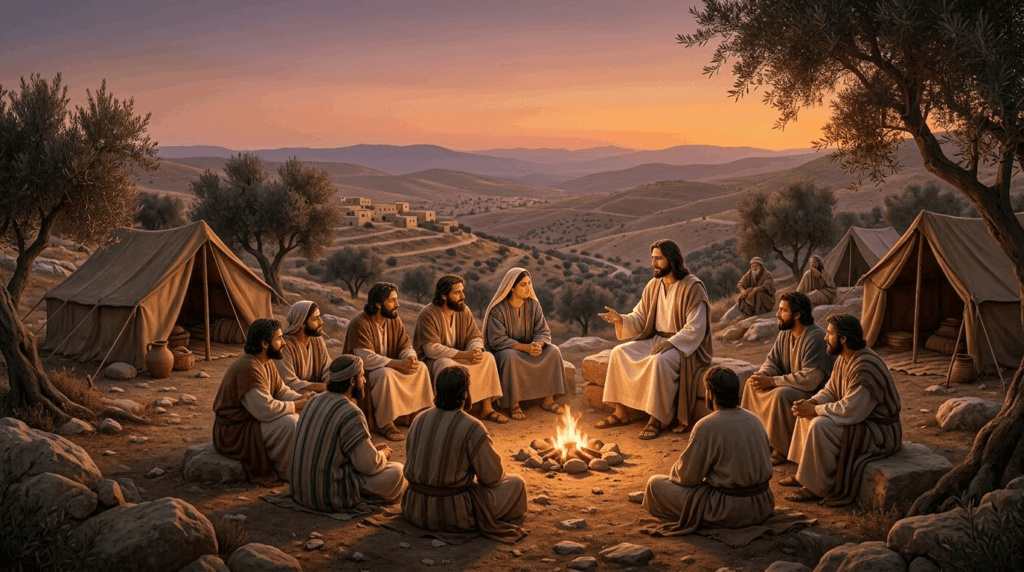
Mutta apostolit eivät olleet vieläkään tyytyväisiä; he halusivat Jeesuksen antavan heille mallirukouksen, jonka he voisivat opettaa uusille opetuslapsille. Tämän rukoilemisesta esitetyn luennon kuunneltuaan Jaakob Sebedeus sanoi: ”Olkoon niin, Mestari, mutta emme kaipaa rukouskaavaa niinkään itseämme kuin uudempia uskovia varten, jotka vähän väliä pyytävät meiltä: ’Opettakaa meille, miten on otollista rukoilla Isää, joka on taivaassa.’”
Jaakobin sanottua sanottavansa Jeesus lausui: ”Jos siis edelleenkin kaipaatte sellaista rukousta, haluaisin esittää teille veljilleni ja sisarilleni Nasaretissa opettamani rukouksen”:
Isä meidän, joka olet taivaassa,
Pyhitetty olkoon sinun nimesi.
Tulkoon sinun valtakuntasi; tapahtukoon sinun tahtosi
Maan päällä, niin kuin taivaassa
Anna meille tänä päivänä meidän leipämme huomista varten;
Virvoita sieluamme elämän vedellä.
Ja anna meille anteeksi meidän kaikki velkamme
Niin kuin mekin olemme velallisillemme anteeksi antaneet.
Pelasta meidät kiusauksesta, päästä meidät pahasta,
Ja tee meistä yhä enemmän yhtä täydellisiä kuin olet itse.
Ei ole ihmeellistä, että apostolit halusivat Jeesuksen opettavan heille mallirukouksen uskovia varten. Johannes Kastaja oli opettanut seuraajilleen useita rukouksia. Kaikki suuret opettajat olivat laatineet rukouksia oppilailleen. Juutalaisten uskonnonopettajilla oli kaksikymmentäviisi tai kolmekymmentä vakiorukousta, joita he lausuivat synagogissa ja jopa kadunkulmissa. Jeesus tunsi erityistä vastenmielisyyttä julkista rukoilemista kohtaan. Tähän ajankohtaan mennessä kaksitoista apostolia olivat vain muutaman kerran kuulleet hänen rukoilevan. He huomasivat hänen viettävän kokonaisia öitä rukoilun tai palvonnan merkeissä, ja he olivat kovin uteliaita tietämään, mitä muotoja tai kaavoja käyttäen hän pyyntönsä esitti. He tunsivat, että heidän oli pakko saada tietää, mitä he vastaavat kansanjoukoille näiden pyytäessä, että heitä opetettaisiin rukoilemaan, kuten Johannes oli omia opetuslapsiaan opettanut.
Jeesus opetti kahtatoista apostolia rukoilemaan aina muualla kuin julkisuudessa, menemään rukoilemaan ryhtyessään itsekseen luonnon tarjoamaan rauhalliseen ympäristöön tai menemään huoneeseensa ja sulkemaan ovet.
Jeesuksen kuoleman ja Isän luo nousemisen jälkeen monet uskovat ottivat tavakseen päättää tämä niin kutsuttu Isä meidän -rukous lisäykseen ”Herran Jeesuksen Kristuksen nimeen.” Vieläkin myöhemmin rukouksesta sitä jäljennettäessä hävisi kaksi riviä ja siihen lisättiin ylimääräinen lause, joka kuuluu: ”Sillä sinun on valtakunta ja voima ja kunnia, iankaikkisesti.”
Jeesus antoi rukouksen apostoleille sanamuodoltaan monikollisena, niin kuin he olivat sitä lausuneet Nasaretin-kodissa. Hän ei milloinkaan opettanut kaavamaista rukousta yksityiseen käyttöön, vaan hän opetti vain ryhmä-, perhe- tai sosiaalisia rukouksia. Eikä hän koskaan tarjoutunut itse tätä tekemään.
Jeesus opetti, että tuloksellisen rukouksen täytyy olla:
1. Epäitsekäs – ettei sitä esitetä vain rukoilijan itsensä puolesta.
2. Uskova – uskon mukainen.
3. Vilpitön – että se esitetään rehellisin sydämin.
4. Älyllinen – että se esitetään ymmärryksellä.
5. Luottavainen – että se esitetään Isän kaikkiviisaaseen tahtoon alistuen.
Viettäessään kokonaisia öitä vuorella rukoillen Jeesus rukoili pääasiassa opetuslastensa ja eritoten kahdentoista apostolin puolesta. Mestari rukoili varsin vähän itsensä puolesta, vaikka hän harjoittikin paljon palvontaa, joka oli luonteeltaan ymmärtäväistä yhteydenpitoa hänen Paratiisin-Isäänsä.
But the apostles were not yet satisfied; they desired Jesus to give them a model prayer which they could teach the new disciples. After listening to this discourse on prayer, James Zebedee said: “Very good, Master, but we do not desire a form of prayer for ourselves so much as for the newer believers who so frequently beseech us, ‘Teach us how acceptably to pray to the Father in heaven.’”
When James had finished speaking, Jesus said: “If, then, you still desire such a prayer, I would present the one which I taught my brothers and sisters in Nazareth”:
Our Father who is in heaven,
Hallowed be your name.
Your kingdom come; your will be done
On earth as it is in heaven.
Give us this day our bread for tomorrow;
Refresh our souls with the water of life.
And forgive us every one our debts
As we also have forgiven our debtors.
Save us in temptation, deliver us from evil,
And increasingly make us perfect like yourself.
It is not strange that the apostles desired Jesus to teach them a model prayer for believers. John the Baptist had taught his followers several prayers; all great teachers had formulated prayers for their pupils. The religious teachers of the Jews had some twenty-five or thirty set prayers which they recited in the synagogues and even on the street corners. Jesus was particularly averse to praying in public. Up to this time the twelve had heard him pray only a few times. They observed him spending entire nights at prayer or worship, and they were very curious to know the manner or form of his petitions. They were really hard pressed to know what to answer the multitudes when they asked to be taught how to pray as John had taught his disciples.
Jesus taught the twelve always to pray in secret; to go off by themselves amidst the quiet surroundings of nature or to go in their rooms and shut the doors when they engaged in prayer.
After Jesus’ death and ascension to the Father it became the practice of many believers to finish this so-called Lord’s prayer by the addition of—“In the name of the Lord Jesus Christ.” Still later on, two lines were lost in copying, and there was added to this prayer an extra clause, reading: “For yours is the kingdom and the power and the glory, forevermore.”
Jesus gave the apostles the prayer in collective form as they had prayed it in the Nazareth home. He never taught a formal personal prayer, only group, family, or social petitions. And he never volunteered to do that.
Jesus taught that effective prayer must be:
1. Unselfish—not alone for oneself.
2. Believing—according to faith.
3. Sincere—honest of heart.
4. Intelligent—according to light.
5. Trustful—in submission to the Father’s all-wise will.
When Jesus spent whole nights on the mountain in prayer, it was mainly for his disciples, particularly for the twelve. The Master prayed very little for himself, although he engaged in much worship of the nature of understanding communion with his Paradise Father.
SuomiEnglish
Mutta apostolit eivät olleet vieläkään tyytyväisiä; he halusivat Jeesuksen antavan heille mallirukouksen, jonka he voisivat opettaa uusille opetuslapsille. Tämän rukoilemisesta esitetyn luennon kuunneltuaan Jaakob Sebedeus sanoi: ”Olkoon niin, Mestari, mutta emme kaipaa rukouskaavaa niinkään itseämme kuin uudempia uskovia varten, jotka vähän väliä pyytävät meiltä: ’Opettakaa meille, miten on otollista rukoilla Isää, joka on taivaassa.’”
But the apostles were not yet satisfied; they desired Jesus to give them a model prayer which they could teach the new disciples. After listening to this discourse on prayer, James Zebedee said: “Very good, Master, but we do not desire a form of prayer for ourselves so much as for the newer believers who so frequently beseech us, ‘Teach us how acceptably to pray to the Father in heaven.’”
Jaakobin sanottua sanottavansa Jeesus lausui: ”Jos siis edelleenkin kaipaatte sellaista rukousta, haluaisin esittää teille veljilleni ja sisarilleni Nasaretissa opettamani rukouksen”:
When James had finished speaking, Jesus said: “If, then, you still desire such a prayer, I would present the one which I taught my brothers and sisters in Nazareth”:
Isä meidän, joka olet taivaassa,
Our Father who is in heaven,
Pyhitetty olkoon sinun nimesi.
Hallowed be your name.
Tulkoon sinun valtakuntasi; tapahtukoon sinun tahtosi
Your kingdom come; your will be done
Maan päällä, niin kuin taivaassa
On earth as it is in heaven.
Anna meille tänä päivänä meidän leipämme huomista varten;
Give us this day our bread for tomorrow;
Virvoita sieluamme elämän vedellä.
Refresh our souls with the water of life.
Ja anna meille anteeksi meidän kaikki velkamme
And forgive us every one our debts
Niin kuin mekin olemme velallisillemme anteeksi antaneet.
As we also have forgiven our debtors.
Pelasta meidät kiusauksesta, päästä meidät pahasta,
Save us in temptation, deliver us from evil,
Ja tee meistä yhä enemmän yhtä täydellisiä kuin olet itse.
And increasingly make us perfect like yourself.
Ei ole ihmeellistä, että apostolit halusivat Jeesuksen opettavan heille mallirukouksen uskovia varten. Johannes Kastaja oli opettanut seuraajilleen useita rukouksia. Kaikki suuret opettajat olivat laatineet rukouksia oppilailleen. Juutalaisten uskonnonopettajilla oli kaksikymmentäviisi tai kolmekymmentä vakiorukousta, joita he lausuivat synagogissa ja jopa kadunkulmissa. Jeesus tunsi erityistä vastenmielisyyttä julkista rukoilemista kohtaan. Tähän ajankohtaan mennessä kaksitoista apostolia olivat vain muutaman kerran kuulleet hänen rukoilevan. He huomasivat hänen viettävän kokonaisia öitä rukoilun tai palvonnan merkeissä, ja he olivat kovin uteliaita tietämään, mitä muotoja tai kaavoja käyttäen hän pyyntönsä esitti. He tunsivat, että heidän oli pakko saada tietää, mitä he vastaavat kansanjoukoille näiden pyytäessä, että heitä opetettaisiin rukoilemaan, kuten Johannes oli omia opetuslapsiaan opettanut.
It is not strange that the apostles desired Jesus to teach them a model prayer for believers. John the Baptist had taught his followers several prayers; all great teachers had formulated prayers for their pupils. The religious teachers of the Jews had some twenty-five or thirty set prayers which they recited in the synagogues and even on the street corners. Jesus was particularly averse to praying in public. Up to this time the twelve had heard him pray only a few times. They observed him spending entire nights at prayer or worship, and they were very curious to know the manner or form of his petitions. They were really hard pressed to know what to answer the multitudes when they asked to be taught how to pray as John had taught his disciples.
Jeesus opetti kahtatoista apostolia rukoilemaan aina muualla kuin julkisuudessa, menemään rukoilemaan ryhtyessään itsekseen luonnon tarjoamaan rauhalliseen ympäristöön tai menemään huoneeseensa ja sulkemaan ovet.
Jesus taught the twelve always to pray in secret; to go off by themselves amidst the quiet surroundings of nature or to go in their rooms and shut the doors when they engaged in prayer.
Jeesuksen kuoleman ja Isän luo nousemisen jälkeen monet uskovat ottivat tavakseen päättää tämä niin kutsuttu Isä meidän -rukous lisäykseen ”Herran Jeesuksen Kristuksen nimeen.” Vieläkin myöhemmin rukouksesta sitä jäljennettäessä hävisi kaksi riviä ja siihen lisättiin ylimääräinen lause, joka kuuluu: ”Sillä sinun on valtakunta ja voima ja kunnia, iankaikkisesti.”
After Jesus’ death and ascension to the Father it became the practice of many believers to finish this so-called Lord’s prayer by the addition of—“In the name of the Lord Jesus Christ.” Still later on, two lines were lost in copying, and there was added to this prayer an extra clause, reading: “For yours is the kingdom and the power and the glory, forevermore.”
Jeesus antoi rukouksen apostoleille sanamuodoltaan monikollisena, niin kuin he olivat sitä lausuneet Nasaretin-kodissa. Hän ei milloinkaan opettanut kaavamaista rukousta yksityiseen käyttöön, vaan hän opetti vain ryhmä-, perhe- tai sosiaalisia rukouksia. Eikä hän koskaan tarjoutunut itse tätä tekemään.
Jesus gave the apostles the prayer in collective form as they had prayed it in the Nazareth home. He never taught a formal personal prayer, only group, family, or social petitions. And he never volunteered to do that.
Jeesus opetti, että tuloksellisen rukouksen täytyy olla:
Jesus taught that effective prayer must be:
1. Epäitsekäs – ettei sitä esitetä vain rukoilijan itsensä puolesta.
1. Unselfish—not alone for oneself.
2. Uskova – uskon mukainen.
2. Believing—according to faith.
3. Vilpitön – että se esitetään rehellisin sydämin.
3. Sincere—honest of heart.
4. Älyllinen – että se esitetään ymmärryksellä.
4. Intelligent—according to light.
5. Luottavainen – että se esitetään Isän kaikkiviisaaseen tahtoon alistuen.
5. Trustful—in submission to the Father’s all-wise will.
Viettäessään kokonaisia öitä vuorella rukoillen Jeesus rukoili pääasiassa opetuslastensa ja eritoten kahdentoista apostolin puolesta. Mestari rukoili varsin vähän itsensä puolesta, vaikka hän harjoittikin paljon palvontaa, joka oli luonteeltaan ymmärtäväistä yhteydenpitoa hänen Paratiisin-Isäänsä.
When Jesus spent whole nights on the mountain in prayer, it was mainly for his disciples, particularly for the twelve. The Master prayed very little for himself, although he engaged in much worship of the nature of understanding communion with his Paradise Father.