
Teksti
Tausta
Näytä
Lisäasetukset
Kieli
Urantia Opas
Kysy kirjan sisällöstä. Opas vastaa Book Enginen omien lähdekohtien perusteella ja ohjaa sinut lukemaan ne.
Hei! 🙏
Olen sinun Urantia-oppaasi. Tehtäväni on auttaa sinua löytämään oikeat kohdat Urantia-kirjasta ja ymmärtämään sen opetuksia syvemmin. 😊❤️
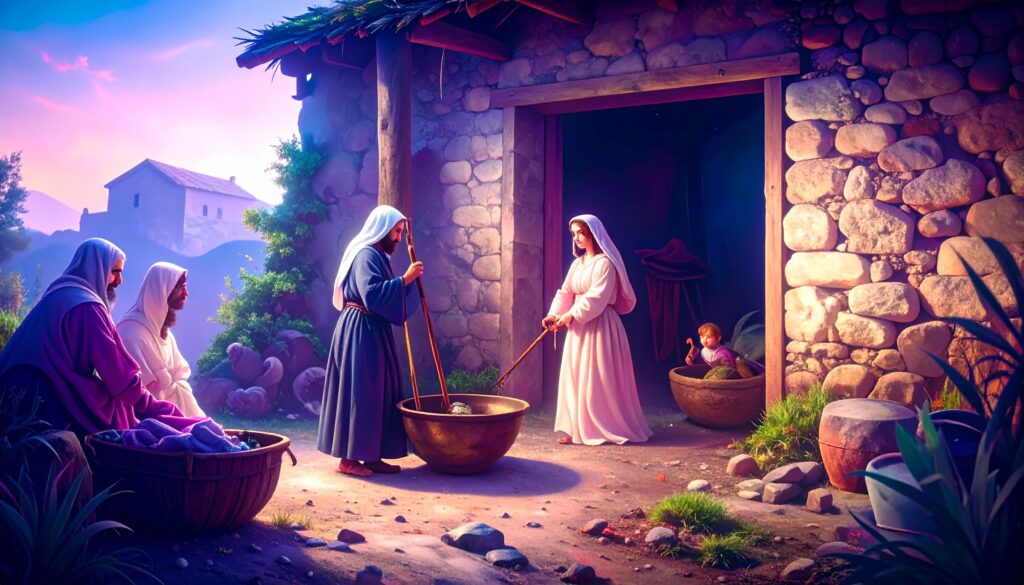
BETLEHEMISSÄ vietetyn ajan epävarmuustekijät ja huolenaiheet olivat syynä siihen, että Maria vieroitti vauvan vasta kun he olivat saapuneet turvallisesti Aleksandriaan, jossa perhe kykeni asettumaan normaaleihin elämänoloihin. He asuivat sukulaistensa luona, eikä Joosefilla ollut mitään vaikeuksia huolehtia perheestään, sillä hän sai työtä pian heidän perille tulonsa jälkeen. Hän pääsi useiksi kuukausiksi kirvesmiehen töihin ja kohosi sittemmin suuren työmiesryhmän etumieheksi erään tuolloin rakenteilla olleen julkisen rakennuksen työmaalla. Tästä uudesta kokemuksesta hän sai ajatuksen ryhtyä urakoitsijaksi ja rakentajaksi, sitten kun he olisivat taas Nasaretissa.
Kaikki nämä alkuvuodet, kun Jeesus vielä oli avuton pikkulapsi, Maria oli jatkuvasti ja yhtä mittaa varuillaan, jottei hänen lapselleen vain tapahtuisi mitään, joka vaarantaisi tämän hyvinvoinnin tai jollakin tavoin häiritsisi lapsen tulevaa tehtävää maan päällä. Kukaan äiti ei omistautunut yhtä paljon lapselleen. Kodissa, jonne Jeesus sattumalta päätyi, oli kaksi muuta suunnilleen hänen ikäistään lasta, ja lähimpiin naapureihin kuului vielä kuusi lasta, jotka olivat kutakuinkin hänen ikäisiään niin, että he soveltuivat hänen leikkitovereikseen. Aluksi Marialla oli taipumusta pitää Jeesus aina lähettyvillään. Hän pelkäsi, että Jeesukselle saattaisi tapahtua jotakin, jos tämän annettaisiin leikkiä puutarhassa muiden lasten kanssa. Mutta sukulaistensa avulla Joosefin onnistui saada Maria vakuuttumaan siitä, että sellaisella menettelyllä Jeesus jäisi ilman sitä hyödyllistä kokemusta, että hän oppisi sopeutumaan ikäistensä lasten seuraan. Ja tajutessaan, että tällainen liioittelevan varjeleva ja tavattoman suojeleva kasvatustapa saattaisi olla omiaan tekemään Jeesuksesta itsetietoisen ja jossakin määrin itsekeskeisen, Maria lopulta suostui sellaiseen järjestelyyn, että salli lupauksen lapsen varttua aivan kuin kuka muu lapsi tahansa, ja vaikka hän tätä päätöstä noudattikin, hän otti kuitenkin asiakseen pitää aina pikkuväkeä silmällä, kun nämä leikkivät talon ympärillä tai puutarhassa. Lastaan rakastava äiti vain voi tietää, millaista huolta Maria kantoi sydämessään näinä imeväisiän ja varhaislapsuuden vuosina poikansa turvallisuudesta.
Koko heidän Aleksandriassa viettämänsä kaksivuotisjakson ajan Jeesuksen terveydentila oli hyvä ja hänen kasvunsa jatkui normaalisti. Muutamia ystäviä ja sukulaisia lukuun ottamatta kenellekään ei kerrottu Jeesuksen olevan ”lupauksen lapsi”. Muuan Joosefin sukulainen paljasti tämän seikan joillekuille Memfiksessä asuville ystävilleen, jotka olivat muinaisen Ikhnatonin jälkeläisiä, ja pienen aleksandrialaisuskovien ryhmän kanssa nämä kokoontuivat Joosefin sukulaisen ja hyväntekijän palatsikotiin vähän ennen nasaretilaisperheen Palestiinaan-paluuta toivottamaan perheelle menestystä ja osoittamaan lapselle kunnioitustaan. Paikalle kerääntyneet ystävät lahjoittivat tässä tilaisuudessa Jeesukselle täydellisen kopion heprealaiskirjoitusten kreikankielisestä käännöksestä. Mutta tämä juutalaisten pyhien kirjoitusten kopio luovutettiin Joosefin käsiin, vasta kun sekä hän että Maria olivat lopullisesti kieltäytyneet memfisläisten ja aleksandrialaisten ystäviensä kutsusta jäädä Egyptiin. Nämä uskovat inttivät, että kohtalon lapsi kykenisi Aleksandrian asukkaana harjoittamaan huomattavasti suurempaa vaikutusvaltaa kuin, mihin hän koskaan jollakin tietyllä Palestiinan paikkakunnalla asuessaan kykenisi. Nämä suostutteluyritykset viivästyttivät heidän Palestiinaan-lähtöään niin, että se tapahtui vasta jonkin ajan kuluttua siitä, kun he olivat kuulleet uutisen Herodeksen kuolemasta.
Joosef ja Maria lähtivät lopulta Aleksandriasta ystävänsä Ezraeonin laivalla, jonka määräsatama oli Joppa, ja he saapuivat tähän satamaan elokuun lopulla vuonna 4 eKr. He menivät suoraa tietä Betlehemiin, jossa he viipyivät koko syyskuun pitäen neuvoa ystäviensä ja sukulaistensa kanssa siitä, tulisiko heidän jäädä sinne vai palata Nasaretiin.
Maria ei ollut koskaan kokonaan luopunut ajatuksesta, että Jeesuksen pitäisi varttua Betlehemissä, Daavidin kaupungissa. Joosef ei todellisuudessa uskonut, että heidän pojastaan oli määrä tulla Israelin vapahtajakuningas. Sitä paitsi hän tiesi, ettei hän itse ollut varsinaisesti Daavidin jälkeläinen, vaan että syynä siihen, miksi hänet luettiin Daavidin jälkeläisiin, oli aikoinaan tapahtunut erään hänen esi-isänsä adoptointi Daavidista polveutuvaan sukuhaaraan. Maria tietenkin piti Daavidin kaupunkia kaikkein asianmukaisimpana paikkana, jossa Daavidin valtaistuimen uusi haltijaehdokas voitaisiin kasvattaa, mutta Joosef piti parempana kokeilla onneaan Herodes Antipaan kuin tämän veljen Arkelaoksen kanssa. Hänellä oli pahoja aavistuksia siitä, ettei lapsen olisi Betlehemissä eikä missään muussakaan Juudean kaupungissa turvallista, ja hän arveli, että Arkelaos noudattaisi Galileassa hallitsevaa Antipasta todennäköisemmin isänsä Herodeksen aikanaan harjoittamaa uhkaavaa politiikkaa. Ja kaikkien mainittujen syiden lisäksi Joosef ei salannut sitä, että hän katsoi lapsen kasvattamisen ja opettamisen kannalta Galilean muita paremmaksi paikaksi, mutta Marian esittämien vastalauseiden kumoamiseen tarvittiin kolme viikkoa.
Lokakuun ensimmäiseen päivään mennessä Joosef oli saanut Marian ja kaikki heidän ystävänsä vakuuttuneiksi siitä, että heidän olisi paras palata Nasaretiin. Niin he lokakuun alussa vuonna 4 eKr. lähtivät Betlehemistä Nasaretiin ja kulkivat tämän matkan Lyddan ja Skytopoliin kautta. Heidän matkansa alkoi varhain eräänä sunnuntaiaamuna. Maria ja lapsi ratsastivat heidän vasta hankkimansa kuormajuhdan selässä, kun Joosef ja viisi mukana seuraavaa sukulaista taas taittoivat matkaa jalan. Joosefin sukulaiset eivät päästäneet heitä Nasaretin-matkalle ilman matkaseuraa. He eivät rohjenneet mennä Galileaan Jerusalemin ja Jordaninlaakson kautta, eivätkä läntiset kulkureitit olleet aivan turvallisia kahdelle yksinäiselle matkantekijälle, joilla oli alaikäinen lapsi mukanaan.
OWING to the uncertainties and anxieties of their sojourn in Bethlehem, Mary did not wean the babe until they had arrived safely in Alexandria, where the family was able to settle down to a normal life. They lived with kinsfolk, and Joseph was well able to support his family as he secured work shortly after their arrival. He was employed as a carpenter for several months and then elevated to the position of foreman of a large group of workmen employed on one of the public buildings then in process of construction. This new experience gave him the idea of becoming a contractor and builder after their return to Nazareth.
All through these early years of Jesus’ helpless infancy, Mary maintained one long and constant vigil lest anything befall her child which might jeopardize his welfare or in any way interfere with his future mission on earth; no mother was ever more devoted to her child. In the home where Jesus chanced to be there were two other children about his age, and among the near neighbors there were six others whose ages were sufficiently near his own to make them acceptable play-fellows. At first Mary was disposed to keep Jesus close by her side. She feared something might happen to him if he were allowed to play in the garden with the other children, but Joseph, with the assistance of his kinsfolk, was able to convince her that such a course would deprive Jesus of the helpful experience of learning how to adjust himself to children of his own age. And Mary, realizing that such a program of undue sheltering and unusual protection might tend to make him self-conscious and somewhat self-centered, finally gave assent to the plan of permitting the child of promise to grow up just like any other child; and though she was obedient to this decision, she made it her business always to be on watch while the little folks were at play about the house or in the garden. Only an affectionate mother can know the burden that Mary carried in her heart for the safety of her son during these years of his infancy and early childhood.
Throughout the two years of their sojourn at Alexandria, Jesus enjoyed good health and continued to grow normally. Aside from a few friends and relatives no one was told about Jesus’ being a “child of promise.” One of Joseph’s relatives revealed this to a few friends in Memphis, descendants of the distant Ikhnaton, and they, with a small group of Alexandrian believers, assembled at the palatial home of Joseph’s relative-benefactor a short time before the return to Palestine to wish the Nazareth family well and to pay their respects to the child. On this occasion the assembled friends presented Jesus with a complete copy of the Greek translation of the Hebrew scriptures. But this copy of the Jewish sacred writings was not placed in Joseph’s hands until both he and Mary had finally declined the invitation of their Memphis and Alexandrian friends to remain in Egypt. These believers insisted that the child of destiny would be able to exert a far greater world influence as a resident of Alexandria than of any designated place in Palestine. These persuasions delayed their departure for Palestine for some time after they received the news of Herod’s death.
Joseph and Mary finally took leave of Alexandria on a boat belonging to their friend Ezraeon, bound for Joppa, arriving at that port late in August of the year 4 b.c. They went directly to Bethlehem, where they spent the entire month of September in counsel with their friends and relatives concerning whether they should remain there or return to Nazareth.
Mary had never fully given up the idea that Jesus ought to grow up in Bethlehem, the City of David. Joseph did not really believe that their son was to become a kingly deliverer of Israel. Besides, he knew that he himself was not really a descendant of David; that his being reckoned among the offspring of David was due to the adoption of one of his ancestors into the Davidic line of descent. Mary, of course, thought the City of David the most appropriate place in which the new candidate for David’s throne could be reared, but Joseph preferred to take chances with Herod Antipas rather than with his brother Archelaus. He entertained great fears for the child’s safety in Bethlehem or in any other city in Judea, and surmised that Archelaus would be more likely to pursue the menacing policies of his father, Herod, than would Antipas in Galilee. And besides all these reasons, Joseph was outspoken in his preference for Galilee as a better place in which to rear and educate the child, but it required three weeks to overcome Mary’s objections.
By the first of October Joseph had convinced Mary and all their friends that it was best for them to return to Nazareth. Accordingly, early in October, 4 b.c., they departed from Bethlehem for Nazareth, going by way of Lydda and Scythopolis. They started out early one Sunday morning, Mary and the child riding on their newly acquired beast of burden, while Joseph and five accompanying kinsmen proceeded on foot; Joseph’s relatives refused to permit them to make the trip to Nazareth alone. They feared to go to Galilee by Jerusalem and the Jordan valley, and the western routes were not altogether safe for two lone travelers with a child of tender years.
SuomiEnglish
BETLEHEMISSÄ vietetyn ajan epävarmuustekijät ja huolenaiheet olivat syynä siihen, että Maria vieroitti vauvan vasta kun he olivat saapuneet turvallisesti Aleksandriaan, jossa perhe kykeni asettumaan normaaleihin elämänoloihin. He asuivat sukulaistensa luona, eikä Joosefilla ollut mitään vaikeuksia huolehtia perheestään, sillä hän sai työtä pian heidän perille tulonsa jälkeen. Hän pääsi useiksi kuukausiksi kirvesmiehen töihin ja kohosi sittemmin suuren työmiesryhmän etumieheksi erään tuolloin rakenteilla olleen julkisen rakennuksen työmaalla. Tästä uudesta kokemuksesta hän sai ajatuksen ryhtyä urakoitsijaksi ja rakentajaksi, sitten kun he olisivat taas Nasaretissa.
OWING to the uncertainties and anxieties of their sojourn in Bethlehem, Mary did not wean the babe until they had arrived safely in Alexandria, where the family was able to settle down to a normal life. They lived with kinsfolk, and Joseph was well able to support his family as he secured work shortly after their arrival. He was employed as a carpenter for several months and then elevated to the position of foreman of a large group of workmen employed on one of the public buildings then in process of construction. This new experience gave him the idea of becoming a contractor and builder after their return to Nazareth.
Kaikki nämä alkuvuodet, kun Jeesus vielä oli avuton pikkulapsi, Maria oli jatkuvasti ja yhtä mittaa varuillaan, jottei hänen lapselleen vain tapahtuisi mitään, joka vaarantaisi tämän hyvinvoinnin tai jollakin tavoin häiritsisi lapsen tulevaa tehtävää maan päällä. Kukaan äiti ei omistautunut yhtä paljon lapselleen. Kodissa, jonne Jeesus sattumalta päätyi, oli kaksi muuta suunnilleen hänen ikäistään lasta, ja lähimpiin naapureihin kuului vielä kuusi lasta, jotka olivat kutakuinkin hänen ikäisiään niin, että he soveltuivat hänen leikkitovereikseen. Aluksi Marialla oli taipumusta pitää Jeesus aina lähettyvillään. Hän pelkäsi, että Jeesukselle saattaisi tapahtua jotakin, jos tämän annettaisiin leikkiä puutarhassa muiden lasten kanssa. Mutta sukulaistensa avulla Joosefin onnistui saada Maria vakuuttumaan siitä, että sellaisella menettelyllä Jeesus jäisi ilman sitä hyödyllistä kokemusta, että hän oppisi sopeutumaan ikäistensä lasten seuraan. Ja tajutessaan, että tällainen liioittelevan varjeleva ja tavattoman suojeleva kasvatustapa saattaisi olla omiaan tekemään Jeesuksesta itsetietoisen ja jossakin määrin itsekeskeisen, Maria lopulta suostui sellaiseen järjestelyyn, että salli lupauksen lapsen varttua aivan kuin kuka muu lapsi tahansa, ja vaikka hän tätä päätöstä noudattikin, hän otti kuitenkin asiakseen pitää aina pikkuväkeä silmällä, kun nämä leikkivät talon ympärillä tai puutarhassa. Lastaan rakastava äiti vain voi tietää, millaista huolta Maria kantoi sydämessään näinä imeväisiän ja varhaislapsuuden vuosina poikansa turvallisuudesta.
All through these early years of Jesus’ helpless infancy, Mary maintained one long and constant vigil lest anything befall her child which might jeopardize his welfare or in any way interfere with his future mission on earth; no mother was ever more devoted to her child. In the home where Jesus chanced to be there were two other children about his age, and among the near neighbors there were six others whose ages were sufficiently near his own to make them acceptable play-fellows. At first Mary was disposed to keep Jesus close by her side. She feared something might happen to him if he were allowed to play in the garden with the other children, but Joseph, with the assistance of his kinsfolk, was able to convince her that such a course would deprive Jesus of the helpful experience of learning how to adjust himself to children of his own age. And Mary, realizing that such a program of undue sheltering and unusual protection might tend to make him self-conscious and somewhat self-centered, finally gave assent to the plan of permitting the child of promise to grow up just like any other child; and though she was obedient to this decision, she made it her business always to be on watch while the little folks were at play about the house or in the garden. Only an affectionate mother can know the burden that Mary carried in her heart for the safety of her son during these years of his infancy and early childhood.
Koko heidän Aleksandriassa viettämänsä kaksivuotisjakson ajan Jeesuksen terveydentila oli hyvä ja hänen kasvunsa jatkui normaalisti. Muutamia ystäviä ja sukulaisia lukuun ottamatta kenellekään ei kerrottu Jeesuksen olevan ”lupauksen lapsi”. Muuan Joosefin sukulainen paljasti tämän seikan joillekuille Memfiksessä asuville ystävilleen, jotka olivat muinaisen Ikhnatonin jälkeläisiä, ja pienen aleksandrialaisuskovien ryhmän kanssa nämä kokoontuivat Joosefin sukulaisen ja hyväntekijän palatsikotiin vähän ennen nasaretilaisperheen Palestiinaan-paluuta toivottamaan perheelle menestystä ja osoittamaan lapselle kunnioitustaan. Paikalle kerääntyneet ystävät lahjoittivat tässä tilaisuudessa Jeesukselle täydellisen kopion heprealaiskirjoitusten kreikankielisestä käännöksestä. Mutta tämä juutalaisten pyhien kirjoitusten kopio luovutettiin Joosefin käsiin, vasta kun sekä hän että Maria olivat lopullisesti kieltäytyneet memfisläisten ja aleksandrialaisten ystäviensä kutsusta jäädä Egyptiin. Nämä uskovat inttivät, että kohtalon lapsi kykenisi Aleksandrian asukkaana harjoittamaan huomattavasti suurempaa vaikutusvaltaa kuin, mihin hän koskaan jollakin tietyllä Palestiinan paikkakunnalla asuessaan kykenisi. Nämä suostutteluyritykset viivästyttivät heidän Palestiinaan-lähtöään niin, että se tapahtui vasta jonkin ajan kuluttua siitä, kun he olivat kuulleet uutisen Herodeksen kuolemasta.
Throughout the two years of their sojourn at Alexandria, Jesus enjoyed good health and continued to grow normally. Aside from a few friends and relatives no one was told about Jesus’ being a “child of promise.” One of Joseph’s relatives revealed this to a few friends in Memphis, descendants of the distant Ikhnaton, and they, with a small group of Alexandrian believers, assembled at the palatial home of Joseph’s relative-benefactor a short time before the return to Palestine to wish the Nazareth family well and to pay their respects to the child. On this occasion the assembled friends presented Jesus with a complete copy of the Greek translation of the Hebrew scriptures. But this copy of the Jewish sacred writings was not placed in Joseph’s hands until both he and Mary had finally declined the invitation of their Memphis and Alexandrian friends to remain in Egypt. These believers insisted that the child of destiny would be able to exert a far greater world influence as a resident of Alexandria than of any designated place in Palestine. These persuasions delayed their departure for Palestine for some time after they received the news of Herod’s death.
Joosef ja Maria lähtivät lopulta Aleksandriasta ystävänsä Ezraeonin laivalla, jonka määräsatama oli Joppa, ja he saapuivat tähän satamaan elokuun lopulla vuonna 4 eKr. He menivät suoraa tietä Betlehemiin, jossa he viipyivät koko syyskuun pitäen neuvoa ystäviensä ja sukulaistensa kanssa siitä, tulisiko heidän jäädä sinne vai palata Nasaretiin.
Joseph and Mary finally took leave of Alexandria on a boat belonging to their friend Ezraeon, bound for Joppa, arriving at that port late in August of the year 4 b.c. They went directly to Bethlehem, where they spent the entire month of September in counsel with their friends and relatives concerning whether they should remain there or return to Nazareth.
Maria ei ollut koskaan kokonaan luopunut ajatuksesta, että Jeesuksen pitäisi varttua Betlehemissä, Daavidin kaupungissa. Joosef ei todellisuudessa uskonut, että heidän pojastaan oli määrä tulla Israelin vapahtajakuningas. Sitä paitsi hän tiesi, ettei hän itse ollut varsinaisesti Daavidin jälkeläinen, vaan että syynä siihen, miksi hänet luettiin Daavidin jälkeläisiin, oli aikoinaan tapahtunut erään hänen esi-isänsä adoptointi Daavidista polveutuvaan sukuhaaraan. Maria tietenkin piti Daavidin kaupunkia kaikkein asianmukaisimpana paikkana, jossa Daavidin valtaistuimen uusi haltijaehdokas voitaisiin kasvattaa, mutta Joosef piti parempana kokeilla onneaan Herodes Antipaan kuin tämän veljen Arkelaoksen kanssa. Hänellä oli pahoja aavistuksia siitä, ettei lapsen olisi Betlehemissä eikä missään muussakaan Juudean kaupungissa turvallista, ja hän arveli, että Arkelaos noudattaisi Galileassa hallitsevaa Antipasta todennäköisemmin isänsä Herodeksen aikanaan harjoittamaa uhkaavaa politiikkaa. Ja kaikkien mainittujen syiden lisäksi Joosef ei salannut sitä, että hän katsoi lapsen kasvattamisen ja opettamisen kannalta Galilean muita paremmaksi paikaksi, mutta Marian esittämien vastalauseiden kumoamiseen tarvittiin kolme viikkoa.
Mary had never fully given up the idea that Jesus ought to grow up in Bethlehem, the City of David. Joseph did not really believe that their son was to become a kingly deliverer of Israel. Besides, he knew that he himself was not really a descendant of David; that his being reckoned among the offspring of David was due to the adoption of one of his ancestors into the Davidic line of descent. Mary, of course, thought the City of David the most appropriate place in which the new candidate for David’s throne could be reared, but Joseph preferred to take chances with Herod Antipas rather than with his brother Archelaus. He entertained great fears for the child’s safety in Bethlehem or in any other city in Judea, and surmised that Archelaus would be more likely to pursue the menacing policies of his father, Herod, than would Antipas in Galilee. And besides all these reasons, Joseph was outspoken in his preference for Galilee as a better place in which to rear and educate the child, but it required three weeks to overcome Mary’s objections.
Lokakuun ensimmäiseen päivään mennessä Joosef oli saanut Marian ja kaikki heidän ystävänsä vakuuttuneiksi siitä, että heidän olisi paras palata Nasaretiin. Niin he lokakuun alussa vuonna 4 eKr. lähtivät Betlehemistä Nasaretiin ja kulkivat tämän matkan Lyddan ja Skytopoliin kautta. Heidän matkansa alkoi varhain eräänä sunnuntaiaamuna. Maria ja lapsi ratsastivat heidän vasta hankkimansa kuormajuhdan selässä, kun Joosef ja viisi mukana seuraavaa sukulaista taas taittoivat matkaa jalan. Joosefin sukulaiset eivät päästäneet heitä Nasaretin-matkalle ilman matkaseuraa. He eivät rohjenneet mennä Galileaan Jerusalemin ja Jordaninlaakson kautta, eivätkä läntiset kulkureitit olleet aivan turvallisia kahdelle yksinäiselle matkantekijälle, joilla oli alaikäinen lapsi mukanaan.
By the first of October Joseph had convinced Mary and all their friends that it was best for them to return to Nazareth. Accordingly, early in October, 4 b.c., they departed from Bethlehem for Nazareth, going by way of Lydda and Scythopolis. They started out early one Sunday morning, Mary and the child riding on their newly acquired beast of burden, while Joseph and five accompanying kinsmen proceeded on foot; Joseph’s relatives refused to permit them to make the trip to Nazareth alone. They feared to go to Galilee by Jerusalem and the Jordan valley, and the western routes were not altogether safe for two lone travelers with a child of tender years.